
The Maine Coast rewards a mix of short walks, harbor time, and unhurried drives rather than a race between famous viewpoints. You can spend a full trip around Portland and the southern beaches, focus on Midcoast towns, or head to Acadia for a more trail-centered visit. These experiences work best when grouped by area, especially if you have only two to four days and want time outside the car.
Visit Lighthouses and Working Harbors
Start with Portland Head Light at Fort Williams Park in Cape Elizabeth, where paths and grassy areas let you appreciate the lighthouse without building the day around a long hike. Farther along the coast, Pemaquid Point offers another distinctive lighthouse setting above exposed rock. Treat these as places to linger, not interchangeable photo stops, and stay back from wave-washed ledges.
Harbors add the human side of the landscape. Walk Portland’s public waterfront streets, watch boat traffic in Camden, or explore Rockland’s downtown before heading toward the water. Some wharves are working spaces rather than public promenades, so follow signs and avoid obstructing loading areas. Lighthouse tower access, museum entry, and parking arrangements vary by site. Check the managing organization’s official information before assuming you can enter a tower or visit every part of the grounds.
Choose Coastal Hikes and Scenic Drives
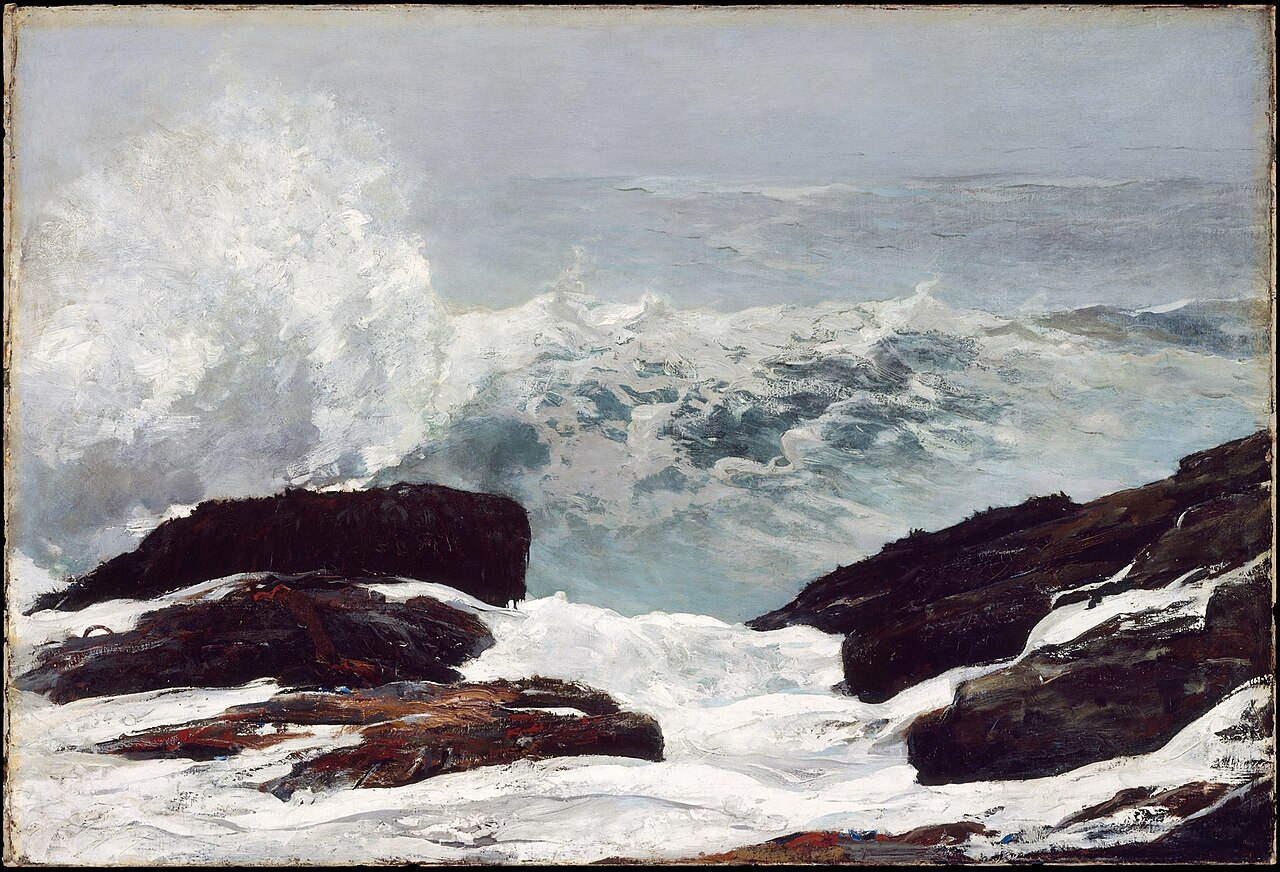
Acadia National Park offers shoreline walks, forest paths, carriage roads, and more demanding mountain routes. Ocean Path provides views along the park’s rocky eastern shore, while the carriage-road network is useful for travelers who prefer a less rugged surface. Conditions and accessibility vary by segment. Check the official NPS site for closures and choose routes that match your group’s experience.
In the Midcoast, Camden Hills State Park combines wooded trails with views toward Penobscot Bay. Southern Maine offers shorter coastal walks around Cape Elizabeth and other public shoreline parks. For driving, Route 1 links many communities, but the most memorable water views often require side trips down peninsulas. Pick one such detour instead of repeatedly leaving and rejoining the highway. Summer traffic and village stops make this a sightseeing corridor, not a fast coastal expressway.
Get on the Water and Watch Wildlife
A ferry ride through Casco Bay gives a different perspective on the coast, with islands, navigation markers, and working boats replacing roadside scenery. From Portland, an outing to Peaks Island can fit a day focused on walking and island atmosphere. Check the ferry operator’s current schedule, return options, and bicycle policies before setting out; do not assume every island has the same services.
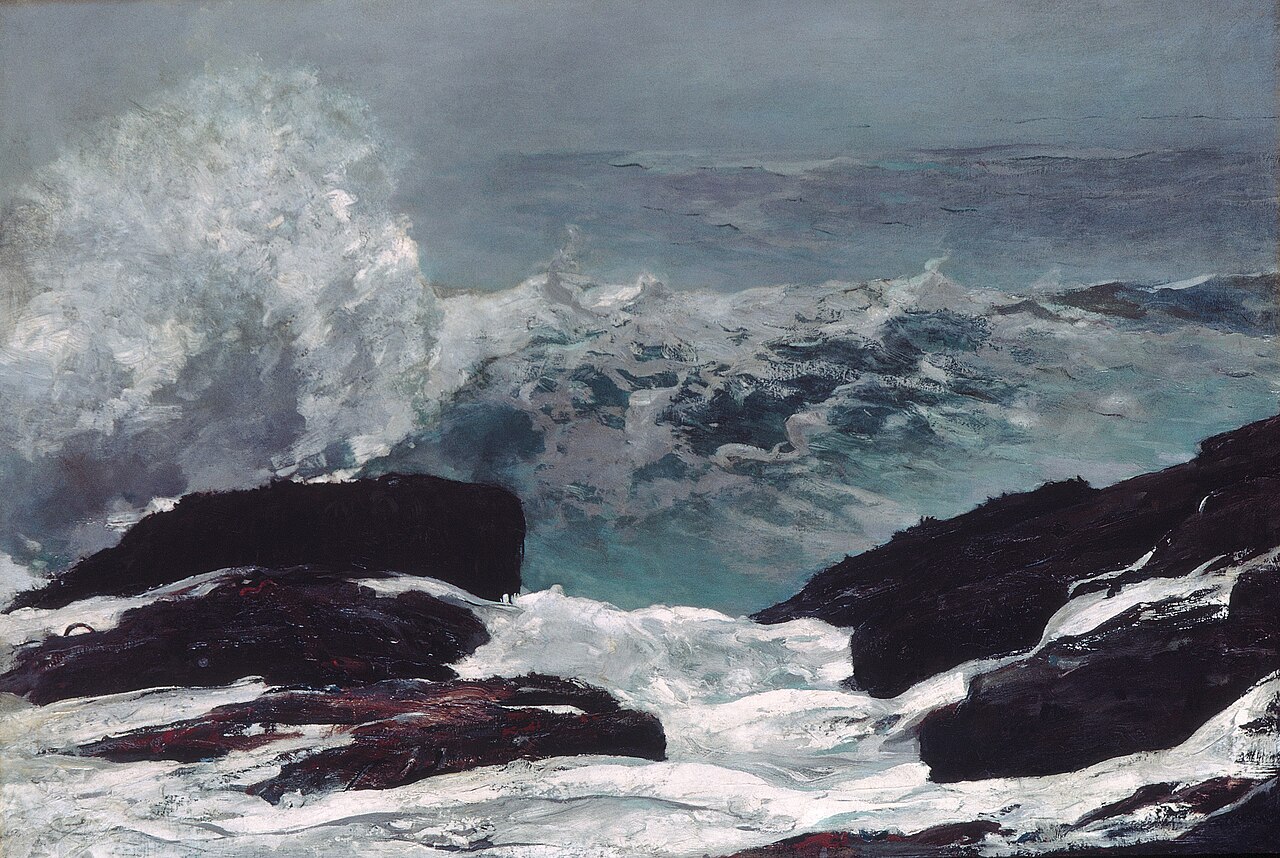
Elsewhere, guided paddling and sightseeing cruises can introduce sheltered coves or more exposed waters. Choose an outing suited to your experience, and recognize that cold water, fog, wind, and tides matter even on pleasant days. Seals and seabirds may be visible, but sightings are never assured. Puffin viewing generally requires a specialized seasonal boat trip to offshore waters, not a casual beach walk. Observe wildlife at a distance and avoid approaching nesting areas or resting seals.

Plan Easy Wins With Kids
Southern Maine’s sandy beaches are useful for families who want room to dig, stroll, and play without committing to a hike. Ogunquit and Old Orchard Beach offer different beach-town settings, while state park beaches provide another option. Check local parking arrangements, beach rules, and any seasonal restrictions before choosing your stop. Bring layers even when the inland forecast looks warm.
For rocky-shore exploration, look for public access and a manageable route rather than scrambling down an unfamiliar embankment. Tide pools can reveal small marine life, but supervise children closely, leave animals where they are, and watch changing water levels. Around Acadia, combine one short outing with a picnic or time in town instead of stacking several hikes. The park’s Junior Ranger activities can give a visit structure; check official NPS information for current materials and availability.
Keep Rainy-Day Options Close to Your Base
Portland makes a useful rainy-day hub, with the Portland Museum of Art, shops, and places to eat within the city. In Rockland, the Farnsworth Art Museum connects a coastal visit with Maine’s artistic history. The Maine Maritime Museum in Bath offers context for the shipbuilding and seafaring traditions you encounter along the road. Check official museum websites for current admission details and hours.
Rain can also be a good reason to slow down in a harbor town rather than drive farther for a view hidden by fog. Browse bookstores, plan a relaxed seafood meal, or use the afternoon to research the next day’s trail conditions. Avoid treating exposed headlands or rocky scrambles as all-weather substitutes. If a storm changes park access or boat operations, consult the official park or NPS site and your transport operator before leaving your lodging.