
Maine Coast glamping can mean a furnished canvas tent, a yurt, or a small cabin that keeps you close to the outdoors without requiring a full camping kit. The details matter more than the label: bathrooms, heating, cooking facilities, and shoreline access vary widely. Choose your coastal region first, then compare individual accommodations against the weather, your daily route, and the level of comfort you actually need.
What a Coastal Glamping Stay Really Includes
Think of glamping as a spectrum rather than a standard package. A furnished tent may provide a real bed and electricity but rely on a shared bathhouse. A cabin may have indoor plumbing and a kitchenette, while still expecting you to bring towels or cooking supplies. Photos alone rarely explain how convenient a rainy evening or a chilly morning will feel.
Before booking, confirm bedding, heat, ventilation, bathroom distance, drinking water, and food-storage arrangements. Ask whether parking is beside the unit or requires carrying luggage along a path. Coastal does not necessarily mean oceanfront, and oceanfront does not necessarily mean a swimmable beach. Look for a clear description of public shoreline access and the terrain between your accommodation and the water. If accessibility matters, request specific details about steps, path surfaces, doorway widths, and bathroom layout rather than relying on a general comfort label.
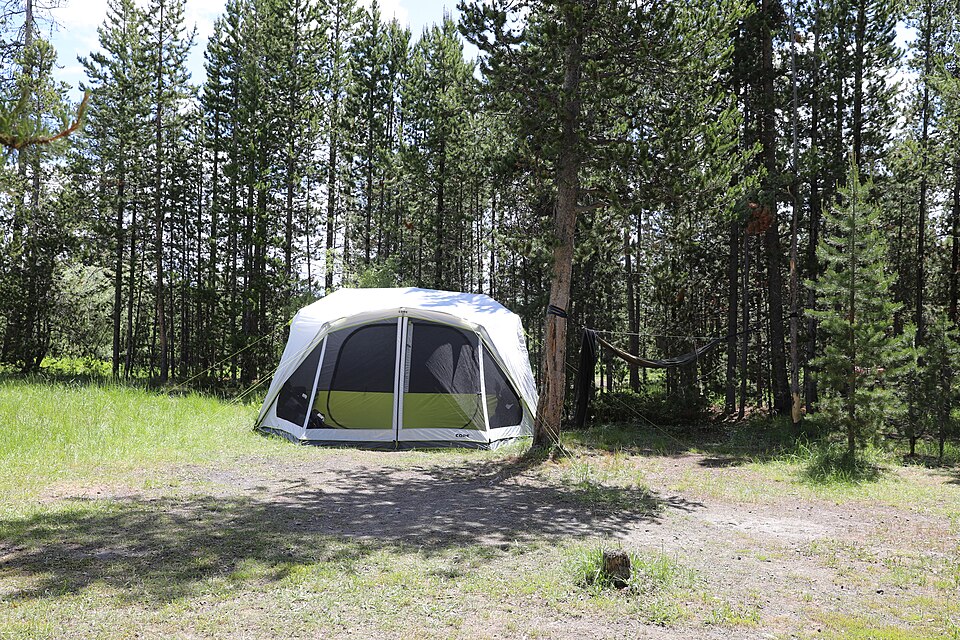
Southern Maine: Beach Towns and Portland Access
For a trip centered on sandy beaches, look around the broader York, Wells, Kennebunk, and Saco areas. These communities make useful search anchors for outdoor-oriented lodging, though individual properties may sit inland rather than beside the ocean. This region works well if you want beach time, occasional restaurant meals, and less driving than a route that also includes Acadia.
If Portland’s museums, waterfront, and Casco Bay outings are priorities, compare the actual drive from your accommodation into the city. A rural setting can be appealing, but repeated trips through busy summer corridors may erode the relaxed atmosphere you wanted. Check local beach parking rules separately from lodging amenities; a place to sleep does not automatically include convenient beach access. For nearby state park outings, consult the official park website for current conditions and any reservation or access information before finalizing your daily plans.
Midcoast and Acadia: Pick the Right Gateway Area
Around the Midcoast, use Boothbay, Damariscotta, Rockland, and Camden as geographic anchors when searching for furnished tents or cabins. These areas suit harbor walks, peninsula drives, and a mix of woods and shoreline. Pay attention to which side of a river or peninsula a property occupies: two places that look close on a map may require a substantial road connection.
For Acadia, compare Mount Desert Island locations with mainland options around Trenton and Ellsworth. Staying on the island can simplify some outings, while a mainland base changes the daily driving equation. Neither location guarantees quiet or quick access to every park area. Check exact directions to your intended trailheads rather than using distance to Bar Harbor alone. Private glamping reservations do not include national park entry or separate park reservations; review the official NPS site for current requirements.
Choose Your Season and Pack for Coastal Conditions
Summer is the simplest season for an unheated tent-style stay because nights are generally milder and more seasonal services are operating. Even then, bring warm layers and rain protection. Fog and damp air can make a canvas accommodation feel different from a hotel room, especially after several wet days. Insect screens and a dry place to store shoes are practical comforts worth checking.
Late spring and early fall can work well if the property provides suitable bedding and clearly described heating. Confirm operating dates rather than assuming every accommodation follows the same season. For colder periods, an insulated cabin is a different proposition from a tent with extra blankets. Follow the property’s rules for heaters, cooking equipment, and fires; never improvise an indoor heating setup. Check official park sites for current trail conditions and fire restrictions before planning hikes or evenings around a campfire.
Glamping Versus Camping or an RV Stay
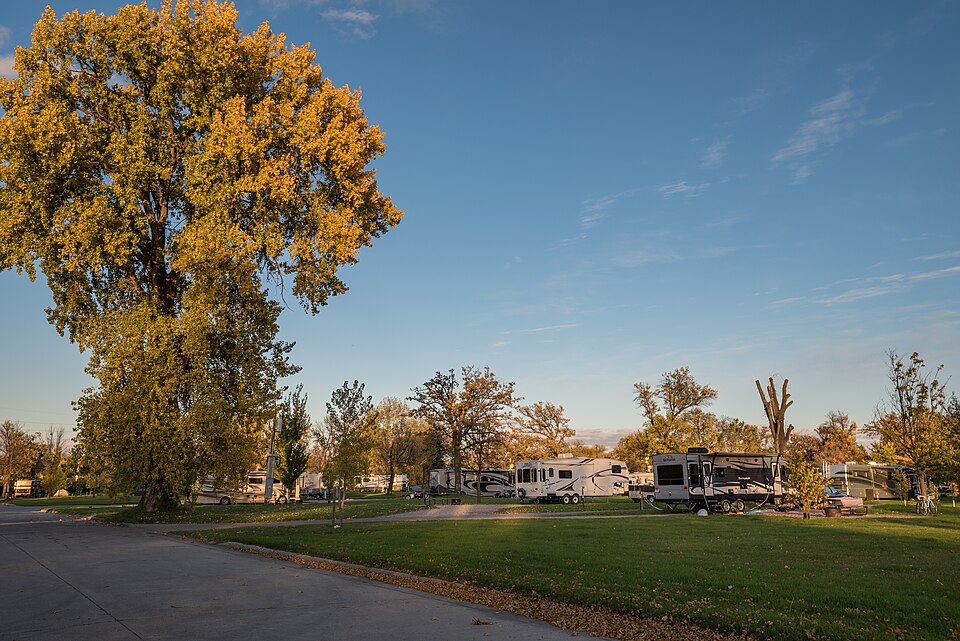
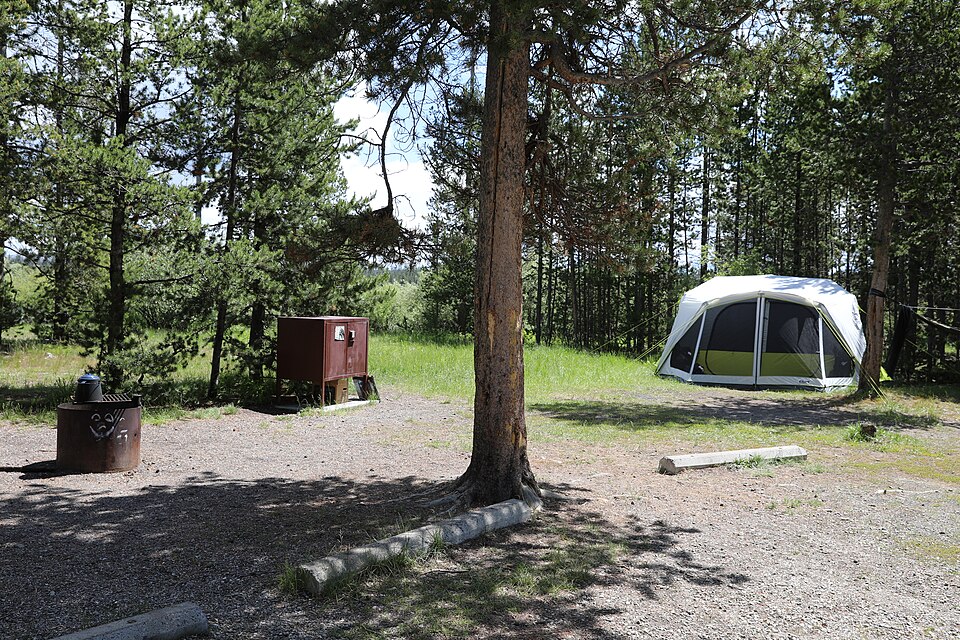
Glamping is useful when you want an outdoor setting without transporting a tent, mattress, and complete sleep system. Traditional camping gives you more control over your setup but requires equipment, preparation, and greater tolerance for weather. An RV adds enclosed living space, yet introduces vehicle logistics, campsite-size limits, and decisions about electrical, water, and sewer hookups. None of these options automatically puts you closer to the shoreline.
Compare total costs rather than the advertised nightly rate alone. Glamping may cost roughly as much as a hotel room or more during busy periods; camping is often less expensive before equipment costs, while RV rentals can add substantial transport expenses. Check cleaning fees, minimum stays, linens, parking, and cancellation terms. Reserve popular summer dates well ahead, and use official state park or NPS reservation information if you decide that a public campground better fits your trip.