
For those who love the idea of sleeping under the stars but prefer the comfort of a real mattress and stylish amenities, Long Island glamping offers the perfect compromise. This region has embraced the trend of luxury outdoor hospitality, providing unique accommodations that range from safari-style tents in the woods to high-end retreats near the dunes. It is a way to immerse yourself in the island's natural beauty without the hassle of pitching a tent or sleeping on the ground.
What to Expect from the Glamping Experience
Glamping on Long Island typically involves spacious, weather-proof canvas tents perched on wooden platforms. Inside, you are likely to find queen or king-sized beds with high-quality linens, chic rugs, and sometimes even small wood-burning stoves for cooler nights. Some locations offer private decks with Adirondack chairs, perfect for sipping a glass of North Fork wine as the sun sets. While you are still 'camping' in the sense that nature is just a zipper away, the level of comfort is closer to a boutique hotel.
Shared amenities often include communal fire pits for evening s'mores, upgraded bathroom facilities with hot showers, and sometimes even outdoor yoga decks or curated picnic baskets. The focus here is on 'slow travel'âunplugging from the digital world and reconnecting with the sounds of the ocean or the rustle of the wind through the pines. It is a popular choice for couples seeking a romantic getaway or friends looking for a unique weekend retreat that feels more adventurous than a standard hotel stay. Be sure to check each specific site for what is included, as some provide everything while others are more minimalist.
Prime Locations: From the Dunes to the North Fork
You will find glamping opportunities scattered across the more scenic parts of the island. Near the gateway city of Montauk, some sites take advantage of the rugged cliffs and maritime forests, offering a secluded feel while remaining close to the town's famous surf spots. These locations allow you to wake up to the sound of the Atlantic and spend your days hiking the nearby state park trails. The proximity to the 'End of the World' gives these sites a particularly wild and special atmosphere.
On the North Fork, glamping often takes place near the vineyards or overlooking the Long Island Sound. Here, the experience is more pastoral, with views of rolling farm fields or calm bay waters. Shelter Island also hosts seasonal luxury tent setups that offer a true escape, accessible only by ferry. These areas provide a quieter, more intimate setting compared to the larger south shore parks. Whether you want to be near the crashing waves or the quiet rows of a vineyard, there is a luxury outdoor option that places you right in the heart of the landscape.
Glamping vs. Traditional Camping and RVing
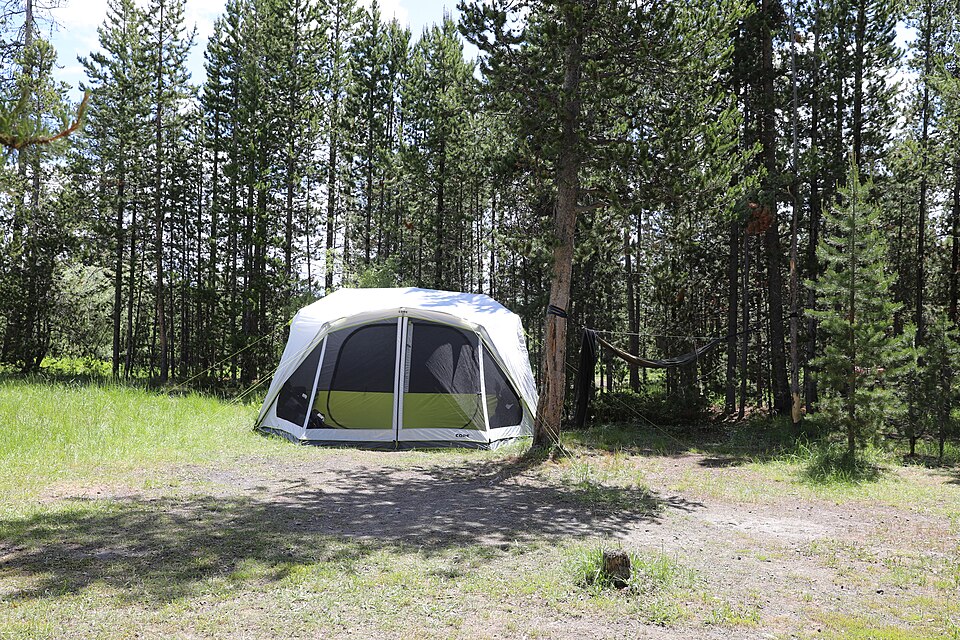
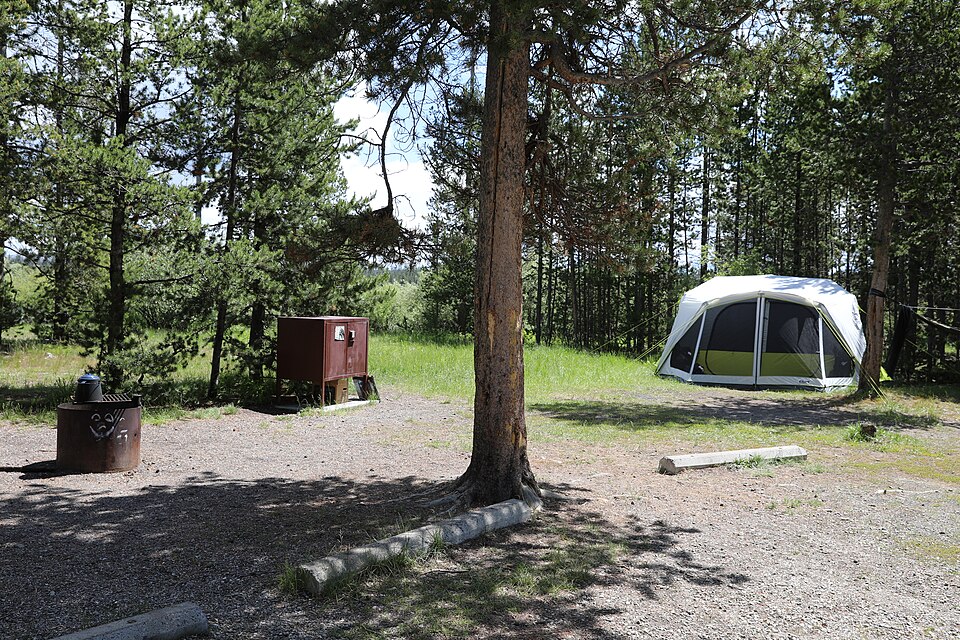
Long Island offers a full spectrum of outdoor stays, and choosing the right one depends on your preferred level of 'roughing it.' Traditional camping is widely available in state parks like Hither Hills in Montauk or Wildwood on the North Shore. These sites provide a classic experience with fire rings and picnic tables, but you must bring all your own gear. It is the most affordable option and highly sought after, with reservations often filling up months in advance through the official New York State Parks booking system.
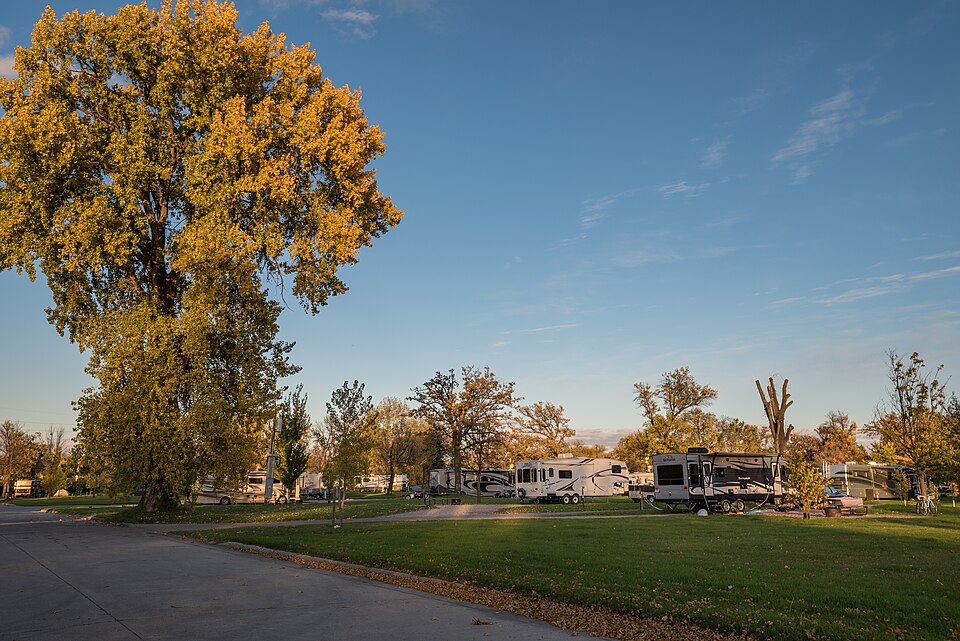
RVing is another popular choice, particularly for families who want the mobility of a vehicle with the comforts of home. Many state parks have dedicated RV sites with electric hookups. Glamping sits at the top of this hierarchy in terms of cost and convenience. You don't need to own an expensive vehicle or haul a trunk full of gear. You simply show up and enjoy. While traditional camping might cost a modest daily fee, glamping rates are significantly higher, reflecting the luxury amenities and service provided. For many, the convenience of not having to set up or break down camp is well worth the extra investment.
Seasonal Considerations for Outdoor Stays
The glamping season on Long Island is relatively short, typically running from late May through early October. Because these accommodations are often canvas-walled, they are highly dependent on the weather. Late spring can be misty and cool, requiring extra layers, while the peak of summer can be humid. Most glamping providers include fans for the heat and extra blankets for the chill, but it is always wise to check the local forecast. Autumn glamping is particularly popular as the bugs disappear and the air turns crisp, making the communal fire pits even more inviting.
Reservations are a must, especially for weekends. Many sites require a two-night minimum stay during the peak summer months. If you are planning a trip during a holiday weekend, such as July 4th or Labor Day, you should look to book several months in advance. Keep in mind that coastal weather can be unpredictable; while glamping tents are designed to be sturdy, extreme weather events might affect your stay. Always check the cancellation policy regarding weather and stay informed via the official park or operator websites for any seasonal updates or site-specific rules.
Preparing for Your Glamping Adventure
Even though you are staying in luxury, you are still in the outdoors. Packing appropriately will enhance your experience. Bring comfortable walking shoes for exploring the trails, a good hat for the sun, and plenty of insect repellent, as the island's wooded and marshy areas are home to ticks and mosquitoes. A portable power bank is a good idea, as while some tents have electricity, others may rely on solar power or communal charging stations. Don't forget a flashlight or headlamp for navigating the site after dark.
Respecting the environment is a key part of the glamping ethos. Follow 'Leave No Trace' principles by disposing of trash in designated receptacles and being mindful of noise levels to protect the peace of both fellow glampers and local wildlife. Since many sites are located in ecologically sensitive areas, staying on marked paths is essential. Glamping is a fantastic way to appreciate Long Island's unique coastal ecosystems while enjoying a touch of sophistication. It bridges the gap between the wild outdoors and the comfort of home, creating a memorable way to experience the New York coast.