
Choosing the best time to visit Long Island depends largely on whether you prefer the high-energy buzz of a coastal summer or the quiet, moody beauty of a maritime winter. Stretching over one hundred miles into the Atlantic, this region experiences distinct seasonal shifts that transform the landscape from lush green vineyards to frosted dunes. While summer is the undisputed peak for visitors, the shoulder seasons offer a unique charm that rewards those looking for a slower pace and cooler temperatures.
Summer: The High Season of Sun and Surf
From late June through Labor Day, Long Island is at its most vibrant. This is the prime window for anyone looking to experience the legendary beaches of the Hamptons or the family-friendly surf at Jones Beach State Park. During these months, temperatures typically hover in the upper 70s to mid-80s, moderated by refreshing ocean breezes. The water temperature becomes comfortable for swimming by July, drawing crowds from across the Northeast.
Because this is the busiest time of year, popular coastal towns become bustling hubs of activity. You will find outdoor concerts, farmers markets, and lively boardwalks in full swing. However, this popularity means that reservations for state park campsites or ferries to Fire Island should be made well in advance. Traffic on the Long Island Expressway can be significant on Friday afternoons, so locals often recommend traveling during off-peak hours to maximize your beach time. The atmosphere is undeniably festive, making it the ideal season for those who love the classic American summer experience.
Autumn: Harvest Moon and Vineyards
September and October represent a sweet spot for many travelers, often cited as a favorite time for locals. The humidity of summer breaks, replaced by crisp air and clear blue skies. On the North Fork, this is harvest season. The region's many vineyards and apple orchards come alive with activity, offering a scenic backdrop for afternoon drives. The changing foliage typically peaks in late October, painting the oak and maple forests in shades of gold and deep crimson.
Coastal waters remain relatively warm through September, allowing for pleasant beach walks without the summer crowds. It is also an excellent time for birdwatching, as migratory species pass through the barrier islands. While some seasonal snack shacks may close after Labor Day, the main village shops and restaurants stay open, offering a more relaxed dining experience. If you enjoy hiking the bluffs at Montauk or exploring the historic Gold Coast mansions, the mild autumn temperatures provide the perfect conditions for outdoor exploration without the summer heat.
Spring: The Awakening Landscape
Spring on Long Island is a time of gradual awakening, starting with the blooming of cherry blossoms and tulips in April and May. The weather can be unpredictable, ranging from chilly, misty mornings to bright, mild afternoons. This is a fantastic time for garden enthusiasts to visit the various arboretums and public estates, such as Old Westbury Gardens, where the formal landscapes are meticulously maintained and burst into color.
For outdoor adventurers, spring offers the advantage of empty trails and quiet shoreline paths before the summer rush begins. Anglers also look forward to this season as the fishing activity picks up in the Great South Bay and the Sound. While you won't be swimming just yet, the sights of the waking coastline are restorative. It is important to pack layers, as the proximity to the ocean means the air can remain damp and cool even on sunny days. This is also a great period to secure lower rates at local inns before the peak season pricing takes effect in June.
Lock in a stay for this season
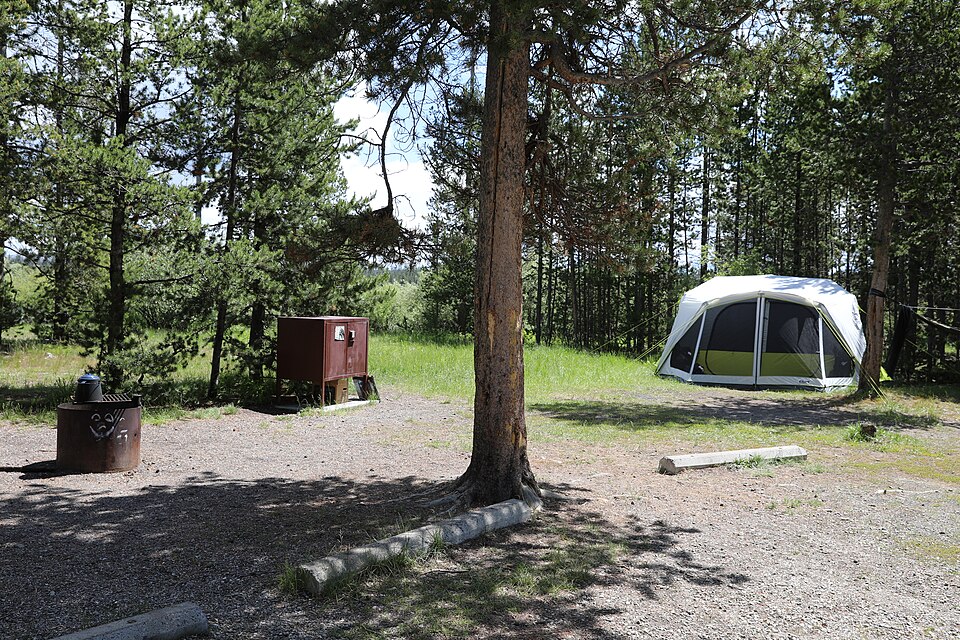
Harvest Hosts stays on the way to Long Island
Partner link · Harvest Hosts
Winter: Quiet Solitude and Coastal Frost
Winter on the island is characterized by a quiet, contemplative atmosphere. While some eastern towns become sleepy as seasonal residences are shuttered, the larger villages remain active with holiday lights and cozy fireside dining. The weather is cold, with temperatures often dropping into the 30s, and occasional snowstorms can dust the dunes in white. A winter walk along a deserted beach like Robert Moses or Montauk Point is a powerful experience, offering a sense of scale and solitude that is impossible to find in July.
This is the best time for budget-conscious travelers to explore the island's indoor attractions. The world-class museums, indoor water parks, and the Long Island Aquarium offer plenty of entertainment away from the elements. Seals can often be spotted lounging on rocks off the coast of Montauk during the colder months, making for excellent winter wildlife viewing. While the ferry schedules to smaller islands may be limited, the mainland offers plenty of charm for those who enjoy the briny air and the sound of crashing waves under a winter sun.
Planning Tips and Weather Realities
Regardless of when you choose to visit, checking the National Park Service or New York State Parks websites is essential for current conditions and permit requirements. Weather near the coast can change rapidly; a sunny day in the city doesn't always mean a sunny day at the end of the island. Tropical storms or Nor'easters can occasionally impact travel in late summer and autumn, so it is wise to keep an eye on the forecast.
If your goal is to avoid the largest crowds, aim for a mid-week visit during the shoulder seasons of May or September. During these times, you will find a perfect balance of open amenities and quiet spaces. For those planning around specific events like the Hampton Classic or major golf tournaments, booking lodging six months to a year in advance is highly recommended. Long Island's diverse microclimates mean that the North Fork may be several degrees cooler than the South Shore, so versatile clothing is always a plus for any packing list.
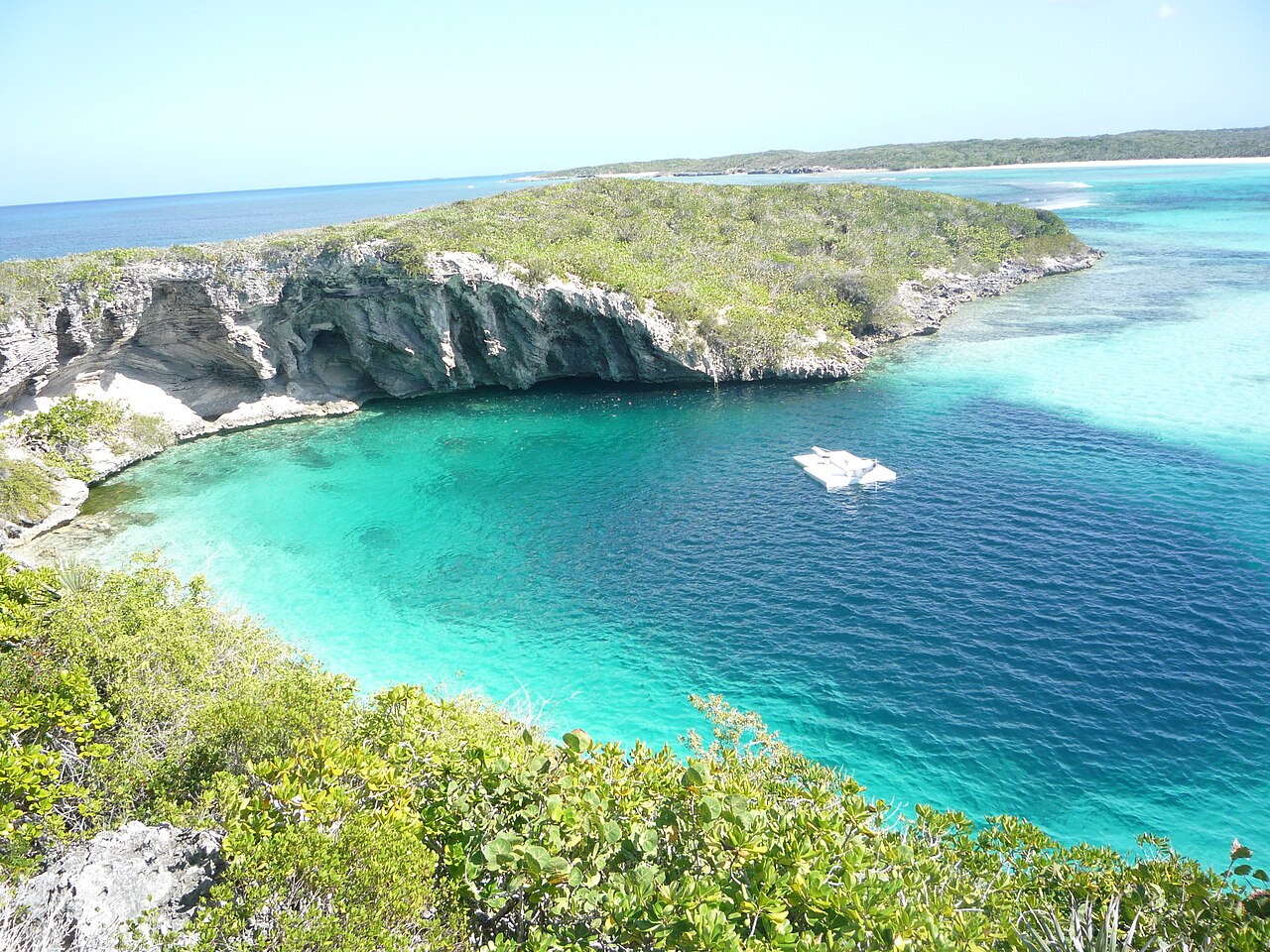
More ways to book Long Island
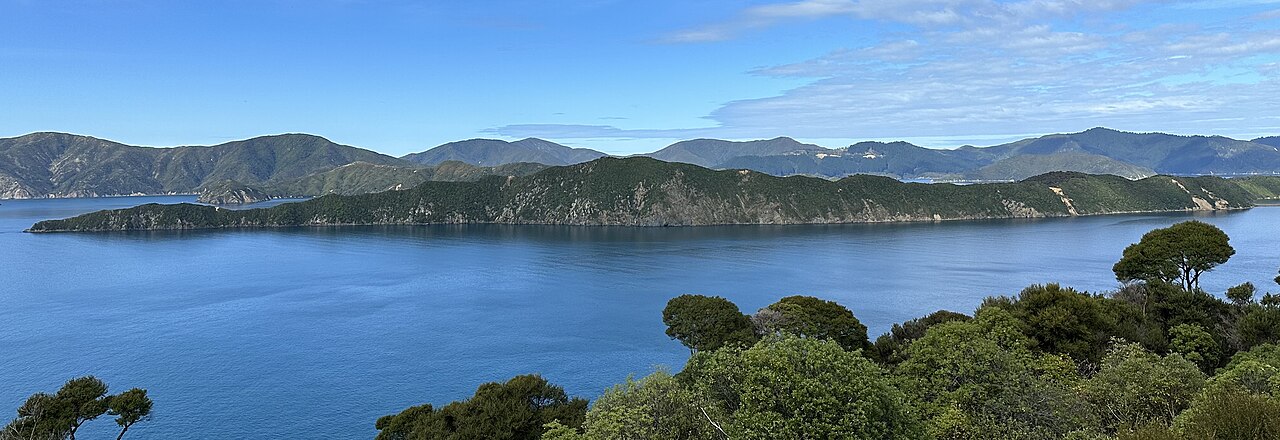 Illustrative · Tom Ackroyd
Fire Island National Seashore
One of the classic ways to experience Long Island.
Varies (estimate)
Partner link · Viator