
Linville Gorge is a playground for those who love the raw, unpolished side of nature. As one of the deepest and most rugged chasms in the Eastern United States, it offers a variety of activities ranging from casual sightseeing at iconic waterfalls to world-class rock climbing on ancient quartzite. Whether you are a weekend warrior looking for a challenging trek or a family seeking a scenic drive along the Blue Ridge, the gorge provides an unforgettable backdrop for outdoor exploration.
Hiking the Iconic Rim Peaks
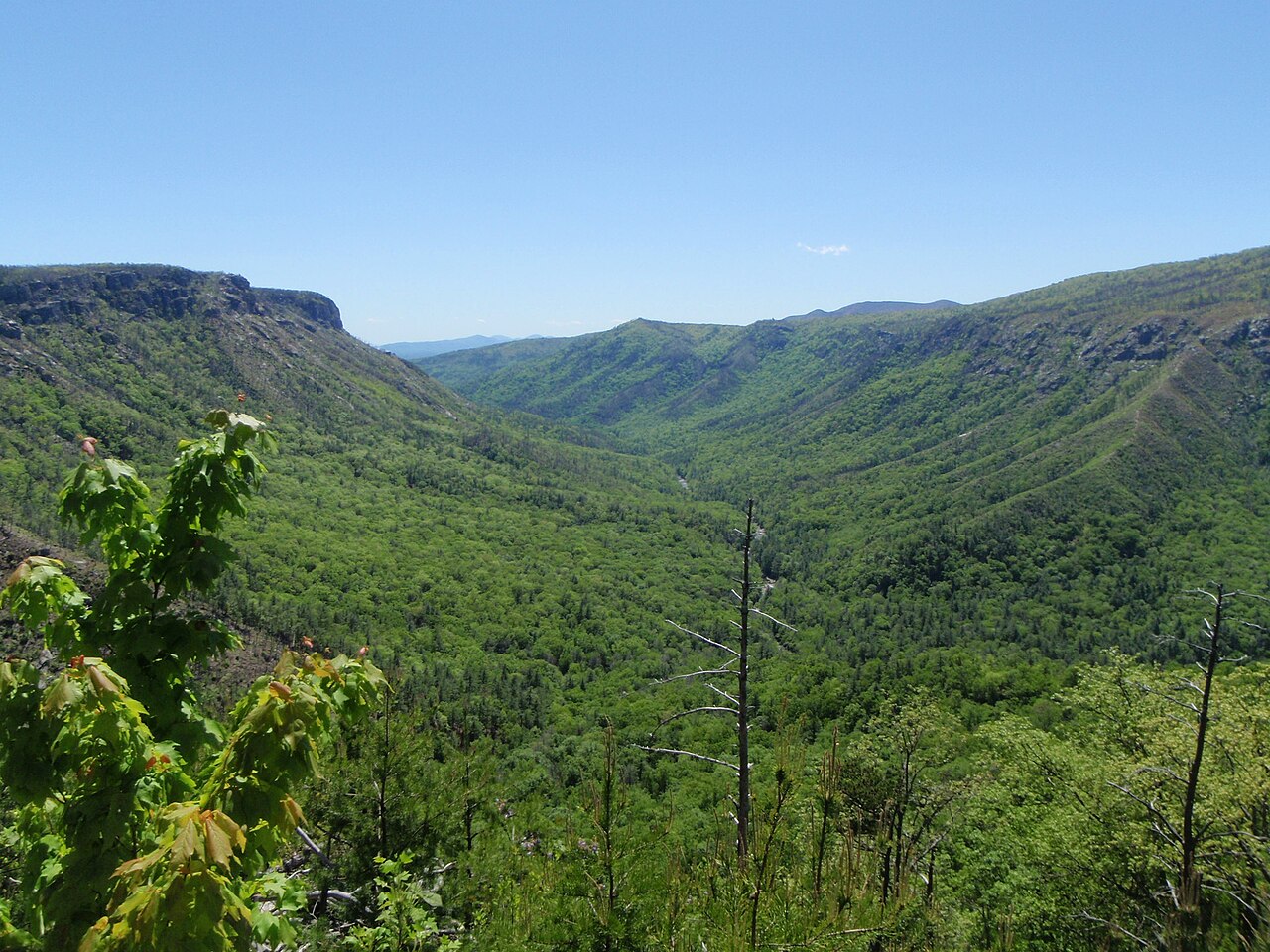
The most popular thing to do in Linville Gorge is to hike the dramatic peaks along the eastern rim. Table Rock Mountain is the most recognizable landmark, offering a moderately challenging trail that rewards hikers with 360-degree views of the gorge and the surrounding Catawba Valley. The summit is a flat, rocky plateau that serves as a perfect spot for a picnic, though the wind can be quite strong at this elevation.
Just south of Table Rock lies Hawksbill Mountain, which many locals consider to have the best view in the entire wilderness. The hike is short but steep, leading to a jagged peak where you can look down into the river nearly 2,000 feet below. For those seeking a longer, more primitive experience, the Shortoff Mountain trail on the southern end of the gorge provides a different perspective, showcasing the vastness of the canyon and the shimmering waters of Lake James in the distance. These trails are rocky and uneven, so sturdy boots are a must.
Witnessing the Power of Linville Falls
For those who prefer a less strenuous outing, Linville Falls is the crown jewel of the area. Located at the northern end of the gorge and accessible directly from the Blue Ridge Parkway, the falls drop spectacularly over several tiers into the Linville River. There are multiple trails at the visitor center, ranging from the easy walk to Erwin's View Overlook to the more strenuous plunge down to the base of the falls.
Visiting the falls is one of the best activities for families with kids, as the paths are well-maintained and the scenery is immediate. The chimneys and rock outcrops surrounding the falls provide a dramatic illustration of the geological forces that shaped this region. Because this is one of the most photographed spots in North Carolina, it can get crowded during summer weekends. To enjoy the falls in peace, try to arrive right when the area opens or visit during a misty weekday morning when the fog adds a layer of mystery to the rushing water.
Backcountry Camping and Stargazing
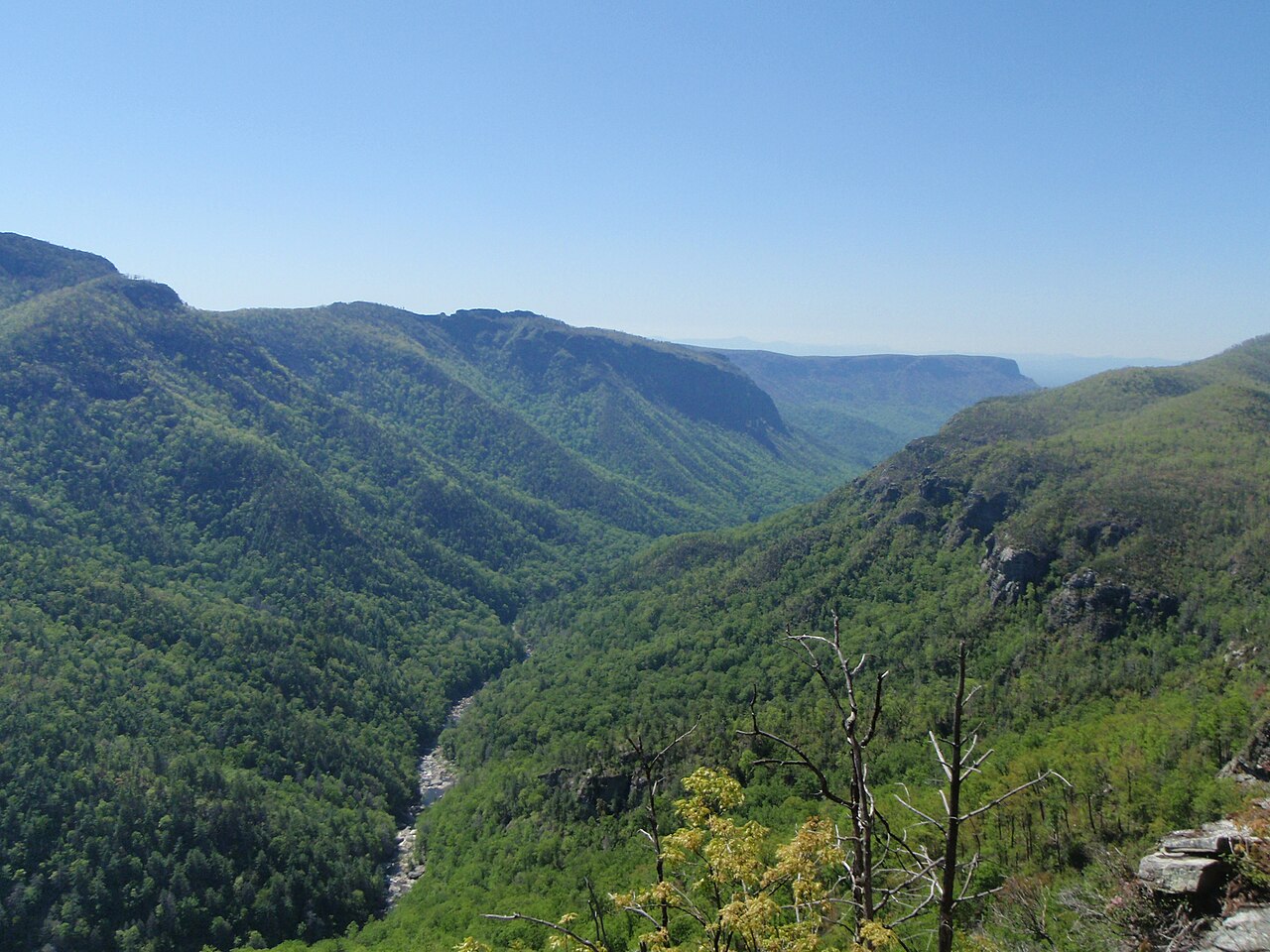
Linville Gorge is a designated wilderness area, which means it offers some of the most authentic backcountry camping in the South. Staying overnight in the gorge allows you to experience the true silence of the forest and some of the darkest skies in the region. There are no developed campgrounds with hookups within the wilderness itself; instead, you will find primitive sites tucked away in the woods or perched on the rim.
Setting up camp near the river provides the soothing sound of water all night, while rim sites offer the chance to wake up to a spectacular sunrise over the mountains. Keep in mind that you must pack out everything you pack in, and water must be filtered from the river or brought with you, as there are no potable water sources in the backcountry. On clear nights, the lack of light pollution makes the gorge a premier destination for stargazing, where the Milky Way is often visible to the naked eye against the silhouettes of the surrounding peaks.
Scenic Drives and Overlooks
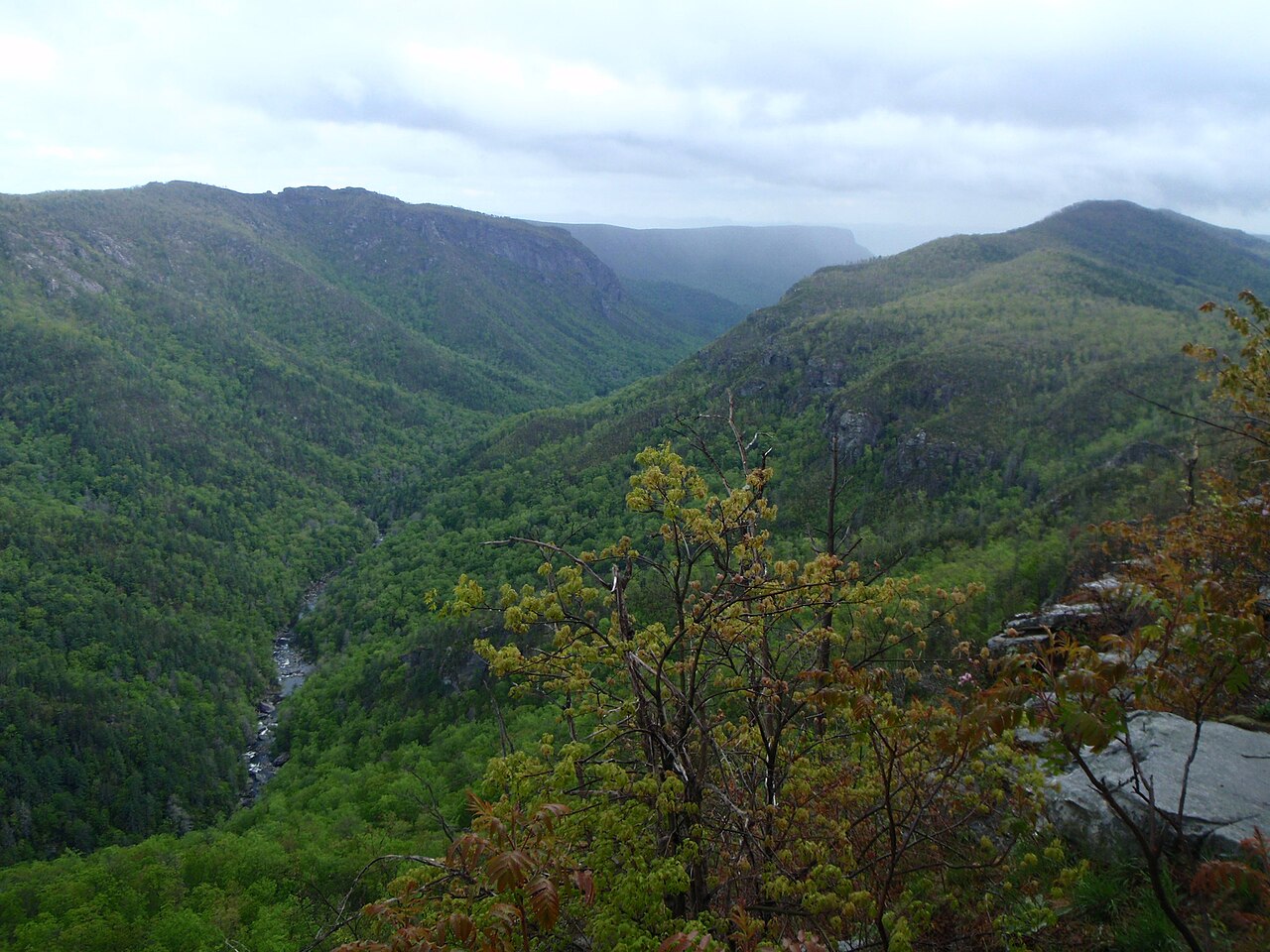
If you are not in the mood for a hike, the area around Linville Gorge offers some of the most scenic driving in the Appalachian Mountains. The Blue Ridge Parkway skirts the northern edge, providing numerous overlooks where you can pull over and admire the gorge from a distance. Wiseman's View is perhaps the most famous accessible overlook; reached by a gravel road, it provides a stunning vista of the canyon's interior and the jagged peaks of Table Rock and Hawksbill without requiring a long hike.
Driving the unpaved Kistler Memorial Highway (Route 105) along the western rim is an adventure in itself. While a high-clearance vehicle is often recommended, the road provides access to several less-frequented trailheads and pull-offs. Along the way, you can see the varying forest types, from dense rhododendron thickets to open pine stands. It is a slow, bumpy ride that forces you to take in the scenery at a relaxed pace, perfect for a misty afternoon or a day when the higher peaks are shrouded in clouds.
Fishing and Wildlife Observation
The Linville River is a rugged environment for anglers looking to catch trout in a wild setting. Fishing here requires a bit of a hike, as you must descend into the gorge to reach the water, but the effort is often rewarded with a quiet day on the river away from the crowds. The water is clear and cold, tumbling over massive boulders and through deep pools that hold wild fish. You will need a North Carolina fishing license and should be familiar with the specific regulations for wilderness waters.
Wildlife enthusiasts will find plenty to see as well. The gorge is home to black bears, wild turkeys, and a variety of birds of prey, including peregrine falcons that nest on the high cliffs. During the spring and fall migrations, the rim serves as an excellent vantage point for hawk-watching. Remember to keep a safe distance from all wildlife and use binoculars for a better view. For a rainy day activity, consider visiting the nearby caverns or small museums in gateway cities like Morganton to learn about the area's natural history.