
Planning a trip to the Linville Gorge Wilderness requires a keen understanding of Western North Carolina's shifting mountain climates. Known for its rugged terrain and primitive beauty, the gorge changes dramatically with the seasons, offering vibrant wildflower displays in the spring and breathtaking foliage in the autumn. While the wilderness remains open year-round, the timing of your visit will dictate the accessibility of forest service roads and the necessity of obtaining overnight permits.
Spring Blooms and Rushing Waters
Spring is arguably the most vibrant time to explore the Linville Gorge, as the forest awakens from its winter slumber. From late April through June, the canopy begins to fill with lush greenery, and the understory explodes with native blooms like rhododendron, mountain laurel, and flame azaleas. This is an ideal period for hikers who want to see the Linville River at its most powerful, fueled by spring rains and snowmelt from higher elevations.
Temperatures during the day are generally mild and comfortable for strenuous climbing, though night temperatures can still drop significantly. You should be prepared for sudden spring showers, which can make the steep, rocky trails slick. Because this is a popular window for backpackers, it is essential to plan your weekend visits around the permit system, which begins in May. Weekdays offer a quieter experience for those looking to photograph the rare plants that cling to the quartzite cliffs during this peak growing season.
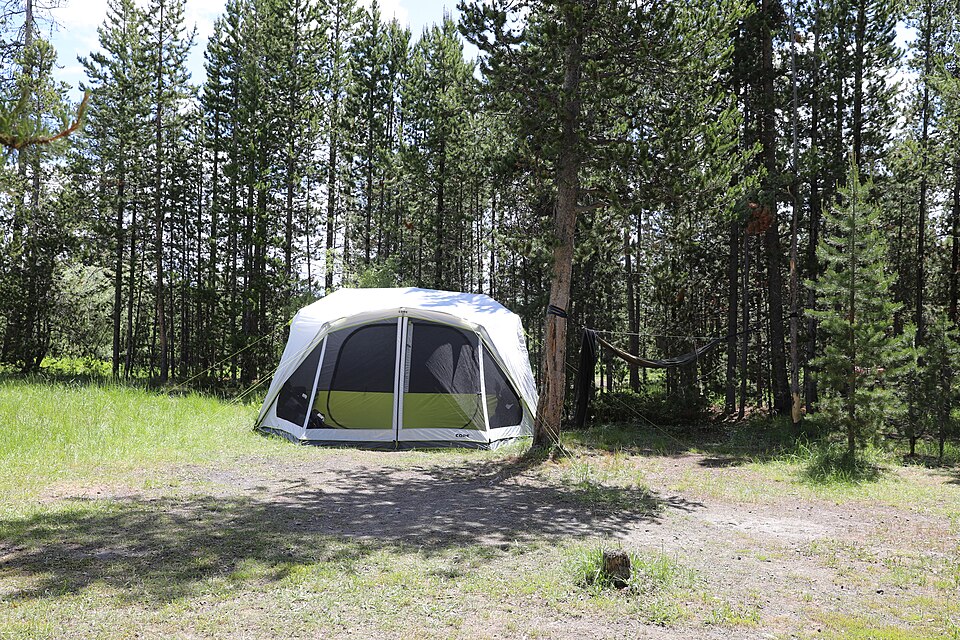
Lock in a stay for this season
RV parks near Linville Gorge on RoverPass
Partner link · RoverPass
Autumn Foliage and Crisp Air
Fall is the most popular season for visitors heading to the Blue Ridge Mountains, and Linville Gorge provides a front-row seat to one of the best color shows in the country. Between late September and early November, the hardwoods transforming into shades of deep orange, crimson, and gold create a stunning contrast against the ancient rock formations like Table Rock and Shortoff Mountain. The air becomes crisp and dry, providing the best visibility of the year for those standing at the rim lookouts.
Because the fall attracts large crowds to the nearby Blue Ridge Parkway, the trailheads at the gorge can fill up quickly, especially on weekends. It is wise to arrive early in the morning to secure a spot at the limited parking areas. The cooling temperatures make for excellent sleeping weather at backcountry campsites, though you should bring high-quality layers to manage the frost that often appears in the early morning hours before the sun crests the eastern rim.
Summer Humidity and High Elevations
Summer in North Carolina can be hot and humid, but the high elevation of the Linville Gorge offers a slight reprieve from the sweltering heat found in the lowlands. During July and August, temperatures often hover in the eighties, but the dense forest cover provides ample shade for those hiking along the river. Afternoon thunderstorms are a frequent occurrence in the mountains; these storms can roll in quickly, so it is vital to keep an eye on the sky and avoid exposed ridgelines when lightning is present.
This is the busiest season for casual visitors and families who frequent the Linville Falls area, which is easily accessible from the Parkway. If you are looking for solitude during the summer, consider trekking into the deeper sections of the wilderness where the terrain is more demanding. Swimming in the river can be refreshing, but always use caution as currents can be deceptive and the rocks are notoriously sharp and slippery throughout the gorge floor.
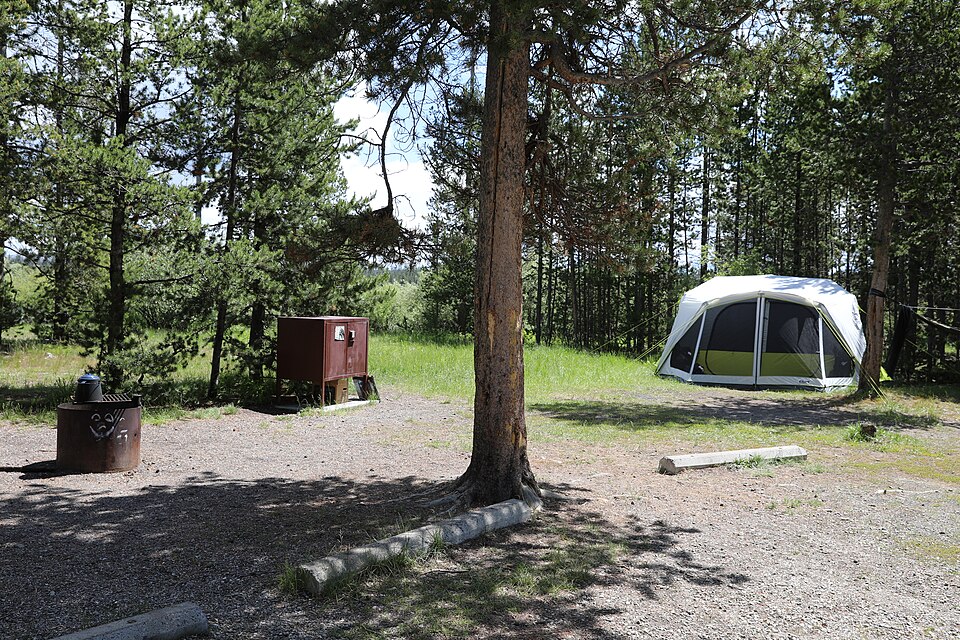
Lock in a stay for this season
Harvest Hosts stays on the way to Linville Gorge
Partner link · Harvest Hosts
Winter Solitude and Road Closures
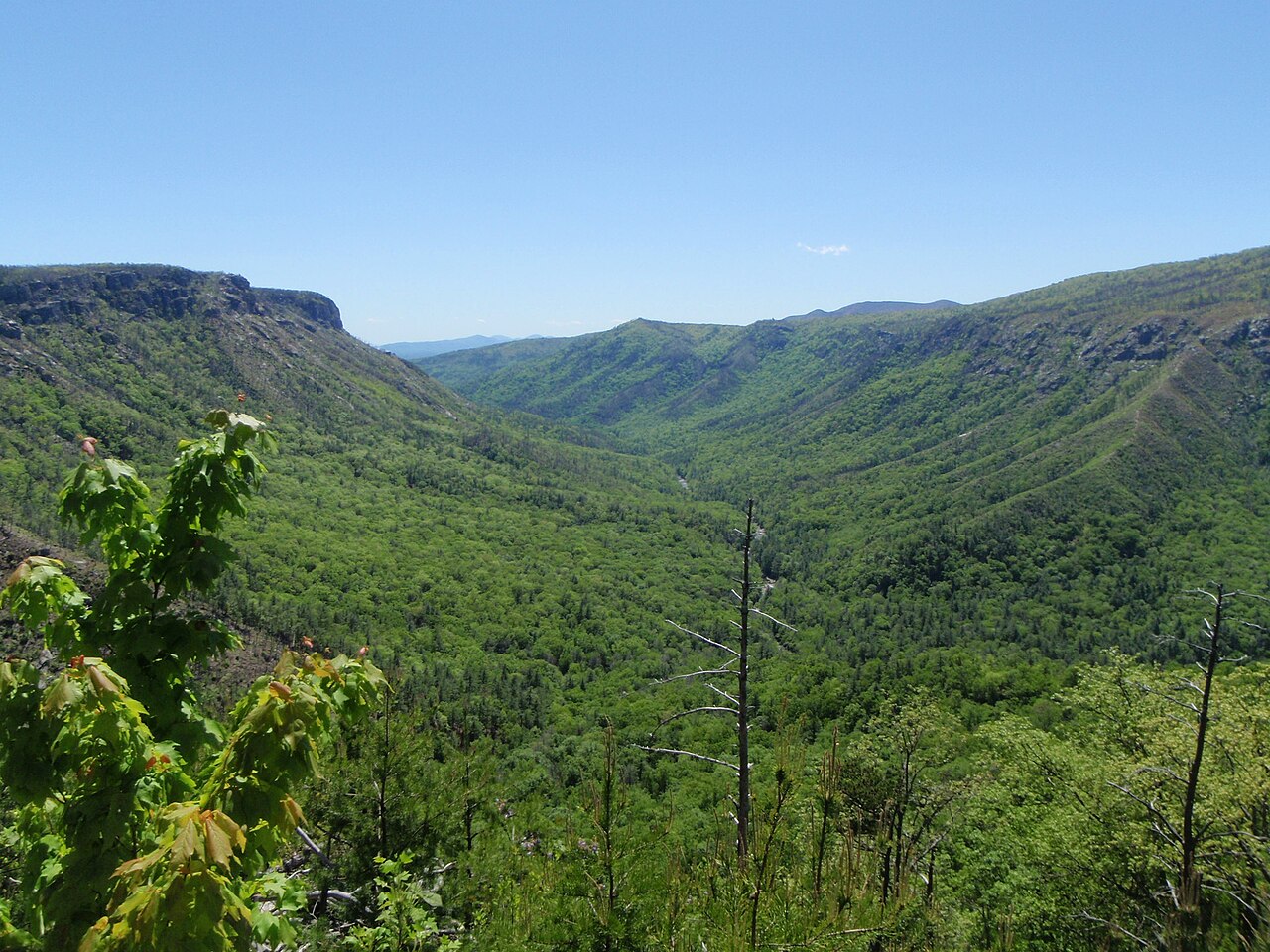
Winter brings a stark, quiet beauty to the Linville Gorge, but it is a season reserved for experienced outdoorsmen. When the leaves fall, the long-range views become even more expansive, revealing the true geological scale of the canyon. However, winter weather in the Blue Ridge can be unpredictable. Heavy snow or ice often leads to the closure of unpaved access roads like Kistler Memorial Highway, which can make reaching certain trailheads impossible by vehicle.
If you choose to visit during the colder months, you will likely have the trails to yourself, but you must be self-sufficient and prepared for sub-freezing temperatures. Many of the amenities in nearby gateway cities may have reduced hours, and the lack of foliage means more exposure to wind on the cliffs. Always check the official Forest Service or NPS websites before heading out to ensure the access roads are open and to get the latest report on trail conditions affected by ice or fallen timber.
Permits and Reservation Timing
A critical aspect of timing your visit is the permit system managed by the U.S. Forest Service. From May 1st through October 31st, permits are required for all overnight stays on Saturdays, Sundays, and holidays. These permits are highly sought after and are distributed on a first-come, first-served basis, with a portion available for reservation in advance and others held for last-minute travelers. If your goal is to camp during a holiday weekend in the fall, you should look into the reservation window months ahead of time.
Day hiking does not currently require a permit, making it a flexible option for those staying in nearby Morganton or Boone. However, because the gorge is a designated wilderness area, group sizes are strictly limited to ensure the environment is protected. By scheduling your trip for a Tuesday or Wednesday, you can often bypass the permit rush and enjoy a more primitive, secluded experience without the stress of securing a specific slot. Always verify the current permit requirements on the official site as regulations can adjust based on seasonal environmental needs.
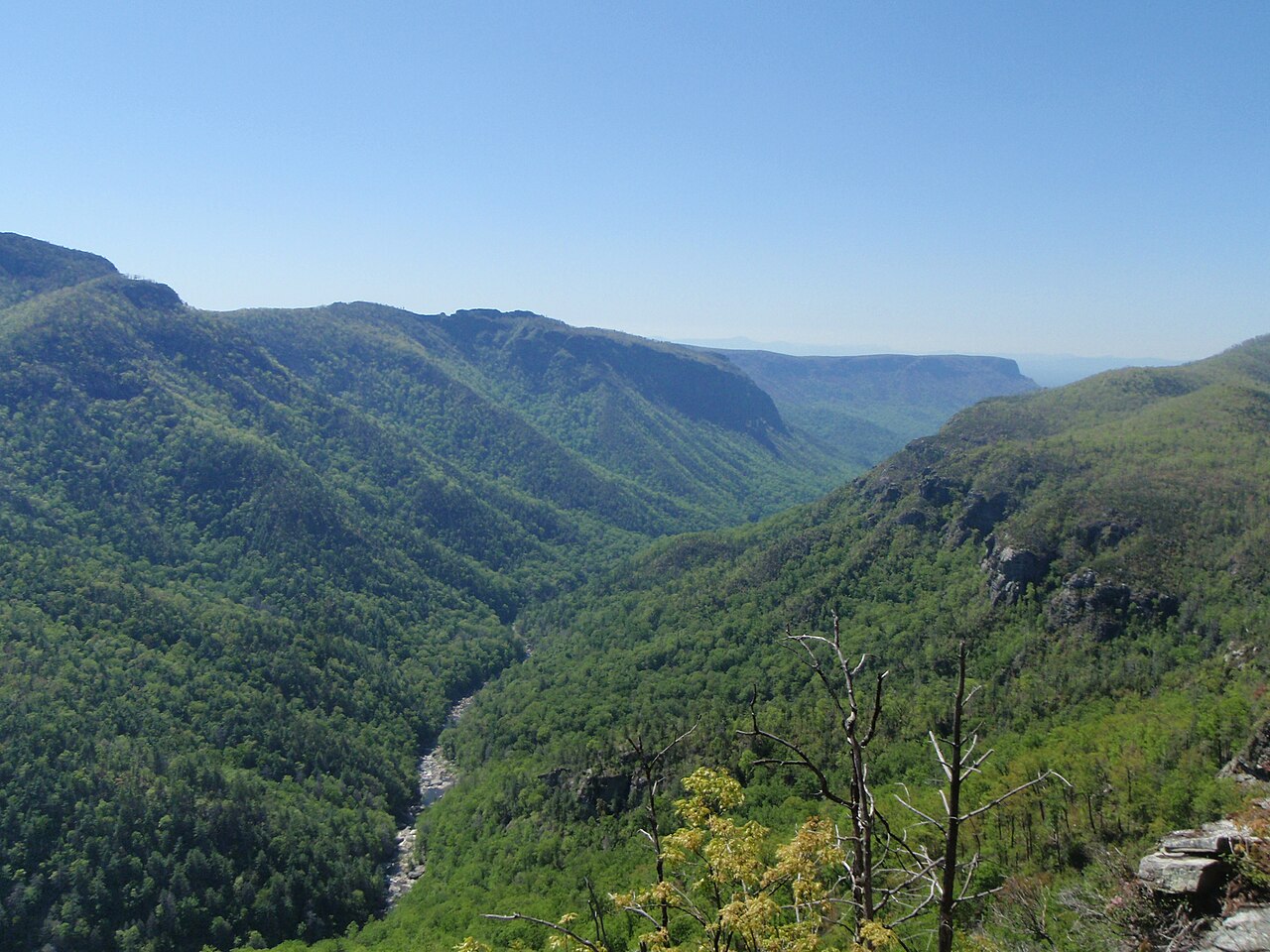
More ways to book Linville Gorge
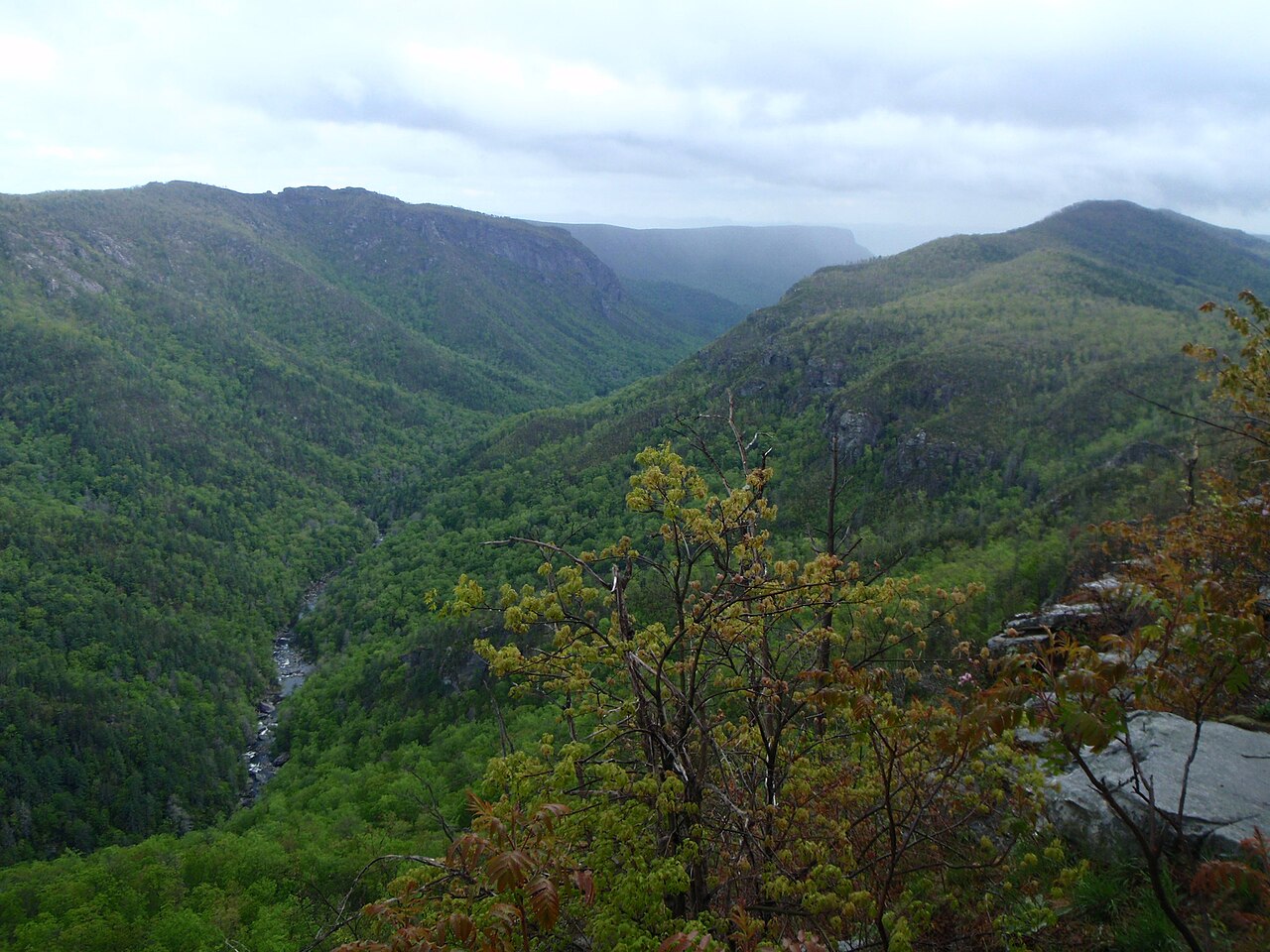 Illustrative · Diogeninja
Wiseman's View
One of the classic ways to experience Linville Gorge.
Varies (estimate)
Partner link · Viator