
Choosing the best time to visit Lassen Volcanic National Park requires a careful look at the calendar and elevation. Located in the high Sierra Nevada and Cascade intersection, this park remains under a heavy blanket of snow for much of the year. While the lower elevations might thaw out in late spring, the iconic park highway often remains closed to through traffic until early summer. To experience the full range of hydrothermal features and alpine lakes, timing is everything.
Summer: The Window for Exploration
Summer is widely considered the best time to visit Lassen Volcanic because it is the only season when the entire park is fully accessible. Typically starting in July, the snow finally clears from the higher reaches of the Lassen Park Highway, allowing vehicles to traverse the full 30-mile scenic route. During these months, daytime temperatures are pleasantly warm, ranging from the 70s to 80s, while the nights remain crisp and cool.
This is the prime window for hikers wanting to summit Lassen Peak or reach the turquoise waters of Lake Helen without trekking through deep snow banks. The alpine meadows burst into color with wildflowers like lupine and paintbrush, creating a stunning contrast against the dark volcanic soil. Because the season is relatively short, this is also when the park is most active with visitors, so arriving early at trailheads is essential to secure parking and enjoy the serenity of the wilderness.
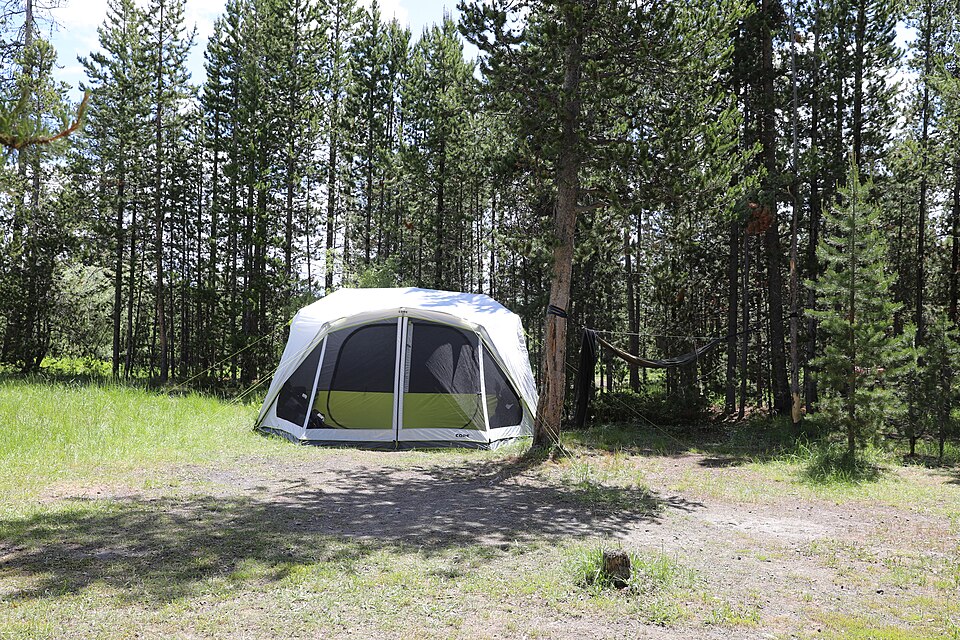
Lock in a stay for this season
RV parks near Lassen Volcanic National Park on RoverPass
Partner link · RoverPass
Fall: Crisp Air and Quiet Trails
As September arrives, the summer crowds begin to thin, making it an excellent time for those seeking solitude. The weather remains stable and clear, though the nights start to dip toward freezing. Autumn in Lassen is not known for sprawling deciduous forests, but the quaking aspens near Manzanita Lake and the willow thickets along the streams turn a brilliant gold, providing pops of color against the evergreen backdrop.
By October, the first dustings of snow may appear on the high peaks, signaled by a sharp drop in temperature. This is a fantastic season for photography, as the low sun highlights the textures of the volcanic flows and the steam from the hydrothermal areas becomes more visible in the cold air. However, visitors should be prepared for sudden weather shifts, as early winter storms can lead to temporary road closures. It is always wise to check the National Park Service website for current road statuses before heading out during this transitional month.
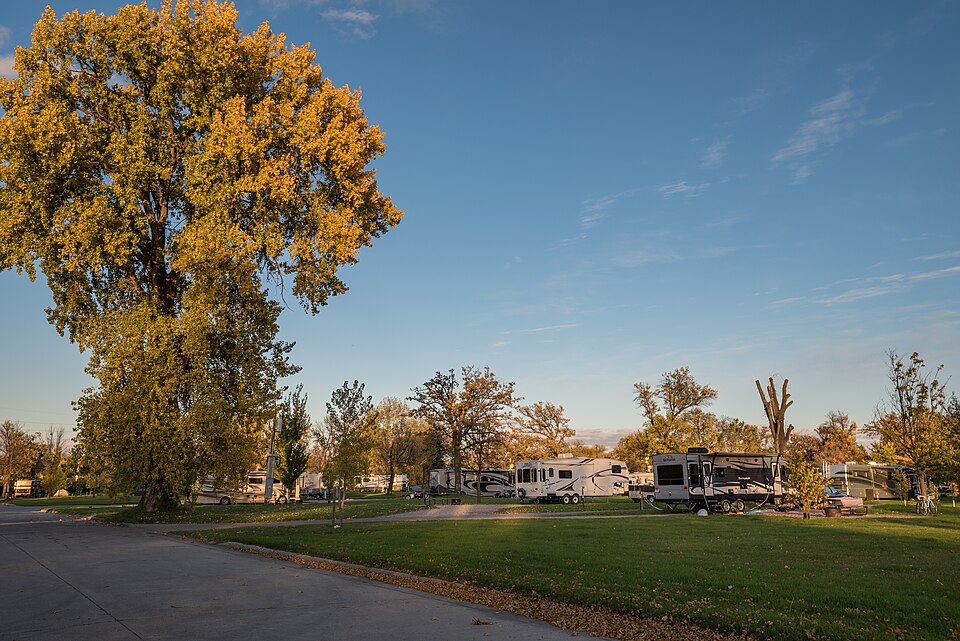
Lock in a stay for this season
Campsites near Lassen Volcanic National Park on Campspot
Partner link · Campspot
Winter: A Snowy Volcanic Wonderland
From November through May, Lassen Volcanic transforms into a quiet, snow-choked wilderness. The main park highway closes to through traffic, but the park remains open for those prepared for winter recreation. The Kohm Yah-mah-nee Visitor Center at the southwest entrance serves as a hub for snowshoeing and cross-country skiing. The landscape becomes unrecognizable, with deep drifts burying road signs and small buildings alike.
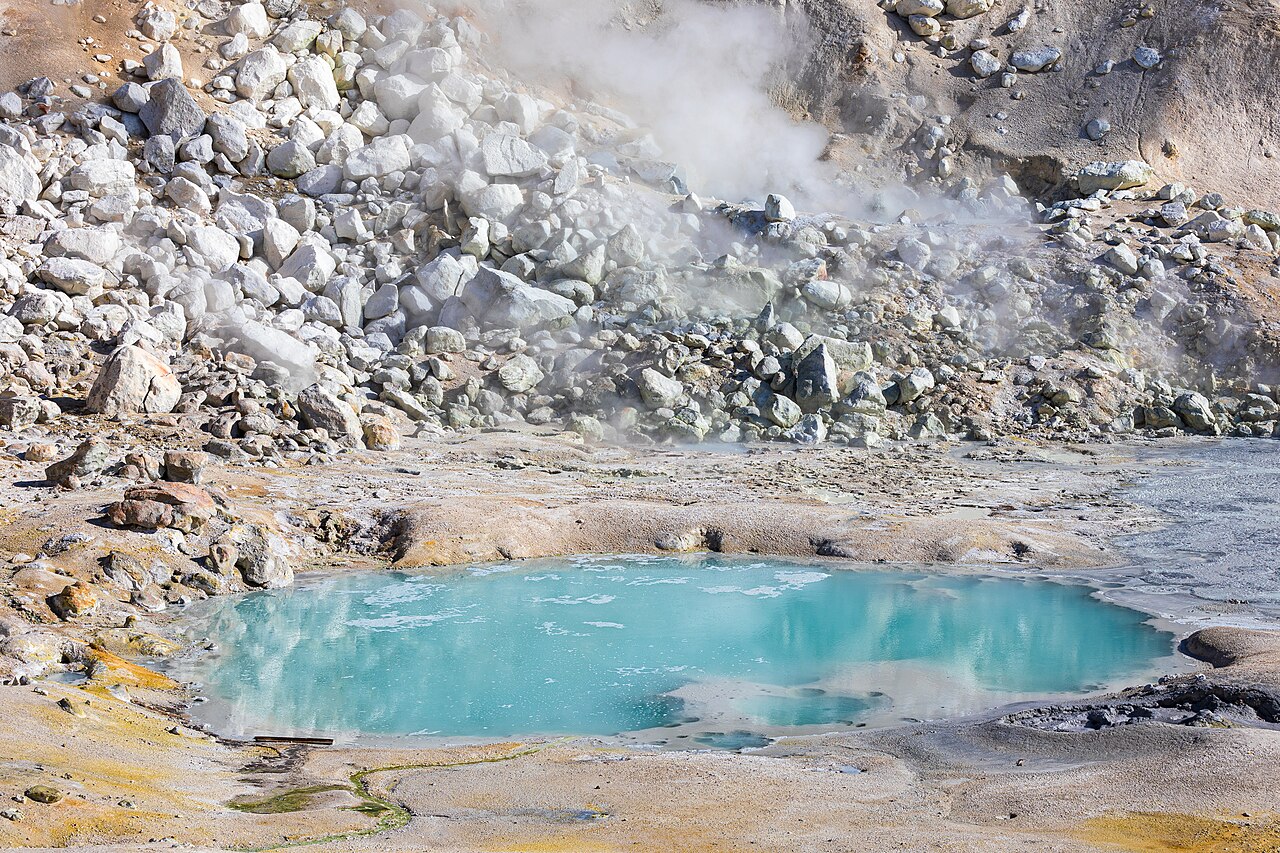
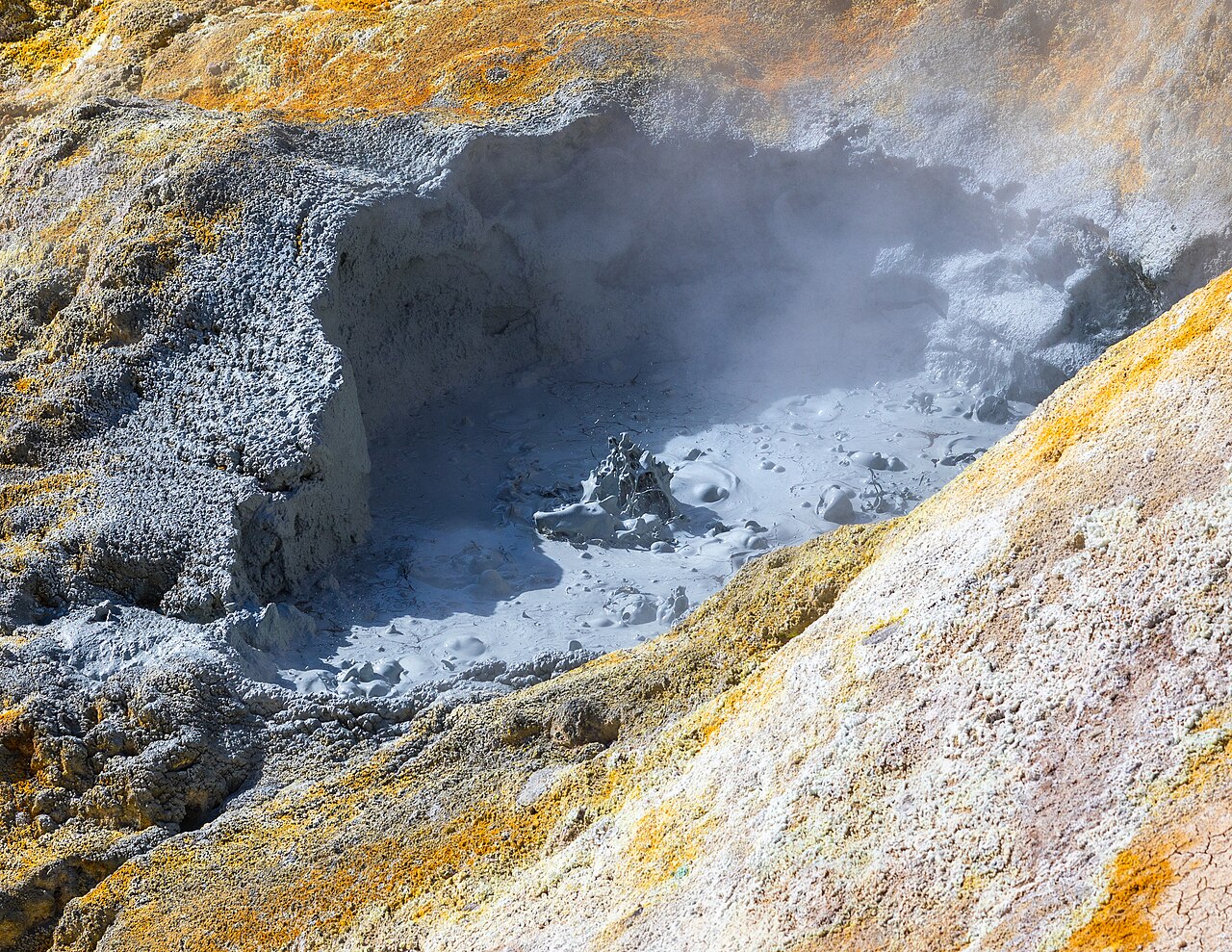
Winter visitors can experience the surreal sight of steam rising from the Sulphur Works hydrothermal area against a backdrop of white snow. While the high-country trails are inaccessible to all but the most experienced winter mountaineers, the lower elevation areas offer a peaceful escape. There are no services, gas stations, or open lodges within the park during this time, so visitors must be fully self-sufficient. The silence of the snow-covered forest is profound, offering a side of the park that few tourists ever get to see, provided they have the proper gear and cold-weather experience.
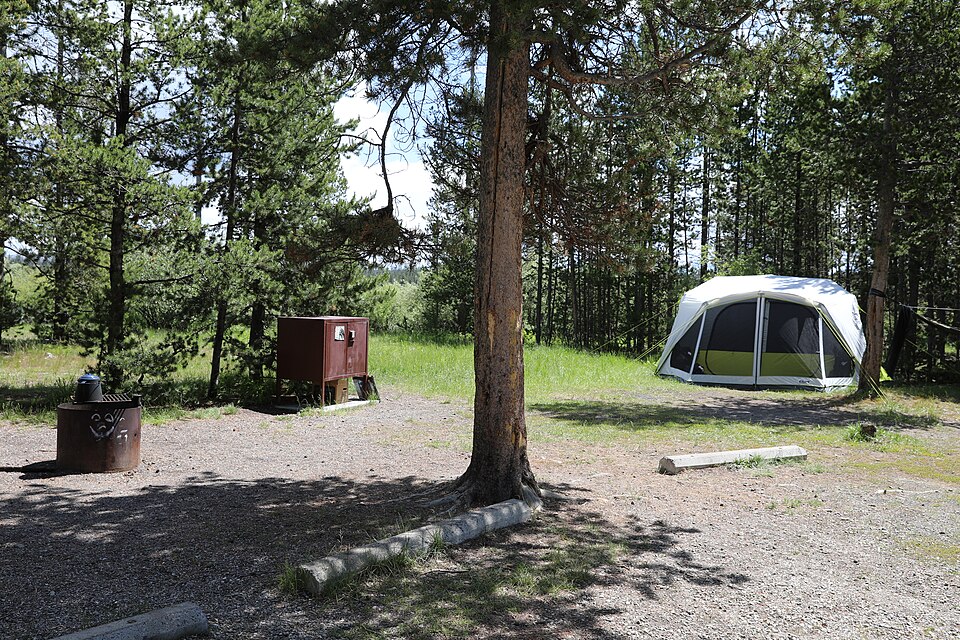
Lock in a stay for this season
Harvest Hosts stays on the way to Lassen Volcanic National Park
Partner link · Harvest Hosts
Spring: The Slow Thaw
Spring in Lassen is more of an extension of winter than a traditional blooming season. In April and May, the snowpack is often at its deepest, and road clearing operations are just beginning. This period is a favorite for backcountry skiers and those who enjoy 'road walking' or cycling on the cleared sections of the park highway before it opens to cars.
As the snow melts at lower elevations near Manzanita Lake, the first signs of green appear, but the higher peaks remain locked in ice. Travelers should note that even if the weather feels mild in nearby Redding, the park can still be experiencing blizzard conditions. Budgeting for your trip in the spring should include costs for tire chains or a four-wheel-drive vehicle, as mountain passes can be unpredictable. It is a time of transition where patience is required, as many of the park's most famous attractions, like Bumpass Hell, remain buried under several feet of snow well into June.
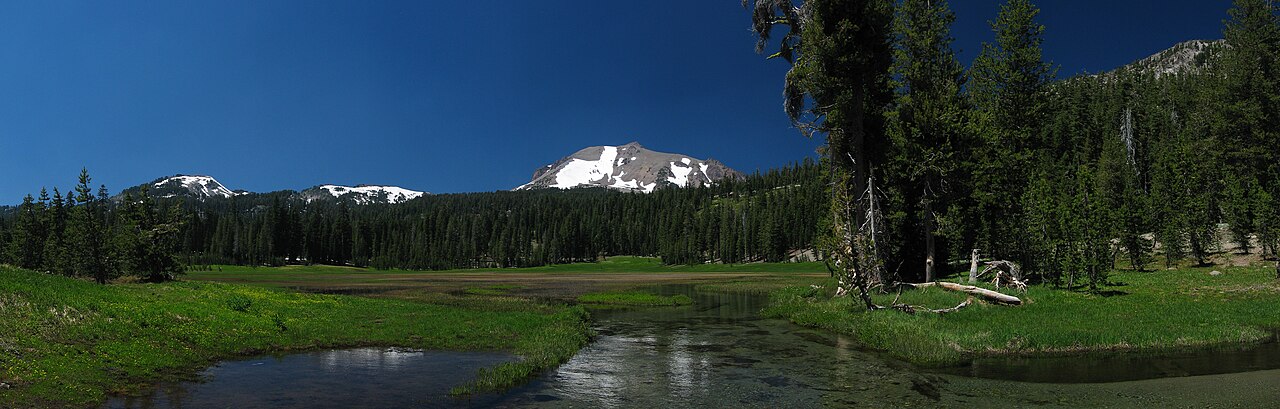
Navigating Crowds and Reservations
While Lassen Volcanic is one of California's less-visited national parks, its short summer season means that popular spots can still feel busy. To ensure the best experience, it is highly recommended to book campsites through the official reservation systems several months in advance, especially for holiday weekends. The park does not currently require a timed entry reservation for day use, but parking lots at Lassen Peak and Bumpass Hell fill up by mid-morning in August.
If you prefer to avoid the peak season, targeting a mid-week visit in late August or early September offers a perfect balance of accessible trails and lower visitor numbers. Regardless of when you visit, staying flexible is the key to success. Atmospheric rivers in the spring or early snow in the fall can change plans instantly. Always consult the official NPS site for the most recent updates on trail openings, volcanic activity monitoring, and seasonal facility closures to ensure your trip to this hydrothermal wonderland is safe and enjoyable.
More ways to book Lassen Volcanic National Park
 Illustrative · Frank Schulenburg
Kayaking Manzanita Lake
One of the classic ways to experience Lassen Volcanic.
Varies (estimate)
Partner link · Viator