
Las Vegas glamping is less about sleeping beside the Strip and more about choosing a comfortable base in the surrounding desert or mountains. Depending on the property, that might mean a furnished tent, a small cabin, or an RV-style rental, with very different levels of climate control and bathroom access. For a two- to four-day trip, start with the landscape you want to explore, then verify the actual amenities and driving route before booking.
Understand What a Glamping Listing Actually Includes
Glamping is a marketing term, not a standard set of amenities. A furnished desert tent may provide a real bed and attractive deck but still require a walk to shared bathrooms. A cabin or stationary RV may offer a private shower and kitchen, yet have limited outdoor space or sit close to neighboring units. Read the practical details before choosing based on photographs.
Near Las Vegas, heating and cooling deserve particular attention. Ask whether climate control serves the sleeping space, whether electricity is continuous, and whether bedding matches the season. Confirm potable water, toilet arrangements, cooking equipment, parking, and the distance from your vehicle to the unit. If a listing emphasizes being off-grid, find out what that means for charging devices and refrigeration. Do not assume Wi-Fi, cell coverage, shade, or a private fire area is included.
Choose a Base West or Northwest of Las Vegas
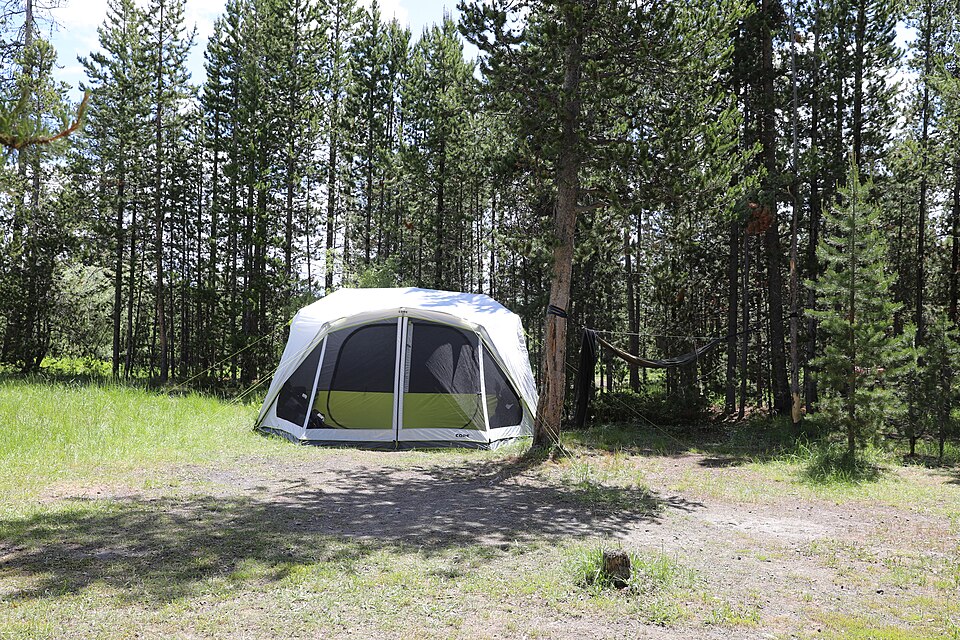
If Red Rock Canyon is your main goal, investigate lodging areas on the western side of the Las Vegas Valley and around the wider rural surroundings, including Blue Diamond. Glamping inventory can be limited and change over time, so do not assume a particular town has furnished tents available. A conventional room near your intended route can be more useful than an appealing rental that adds a long drive to every outing.
For a mountain-oriented stay, look toward the Mount Charleston area and other communities serving the Spring Mountains. Cabin-style lodging may fit this landscape better than a canvas tent, especially in colder seasons. Verify elevation, road access, and winter requirements before booking. Staying near public land does not mean you have private trail access or permission to camp beyond the property. Use official BLM and Forest Service maps to understand boundaries and recreation access.
Look East for Lake Mead and Valley of Fire Trips
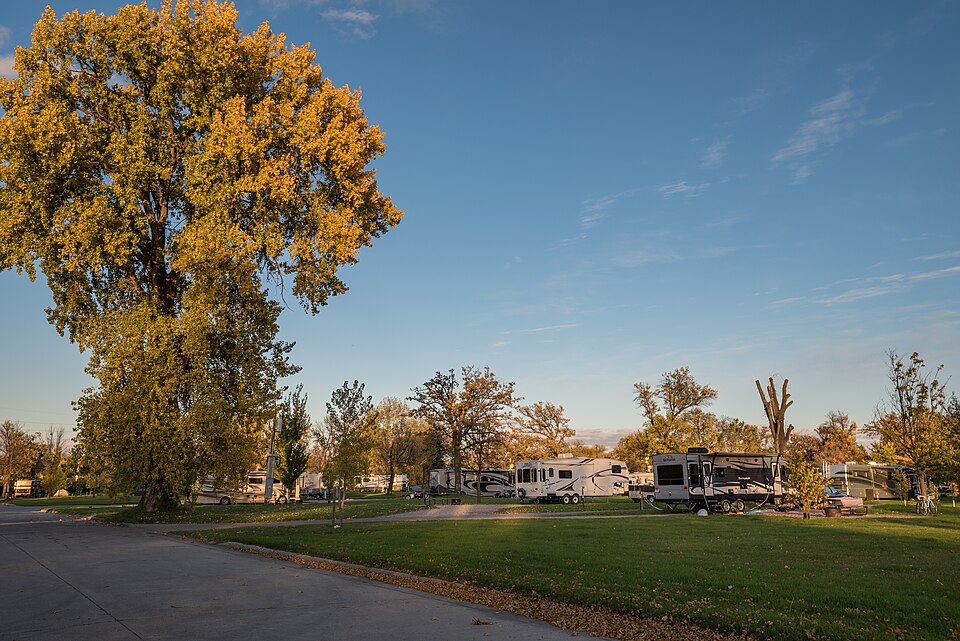
Boulder City is a useful search area for travelers focused on Lake Mead and Hoover Dam. Explore the wider area’s lawful lodging and RV-style rental options, then check where the unit actually sits relative to your planned lake access point. A listing described as near Lake Mead may not offer a lake view, shoreline access, or a quick drive to the activity you booked.
For Valley of Fire, the Moapa Valley communities of Overton and Logandale are useful geographic starting points when researching stays. Availability and property types vary, and park campgrounds should not be assumed to provide glamping amenities. Check Nevada State Parks for official camping information and the NPS site for Lake Mead campgrounds, reservations, and current conditions. Before paying, compare the full route from Las Vegas, the property, and your chosen trailheads. Desert distances are easier to underestimate than a map suggests.
Pick the Season for Your Sleeping Setup
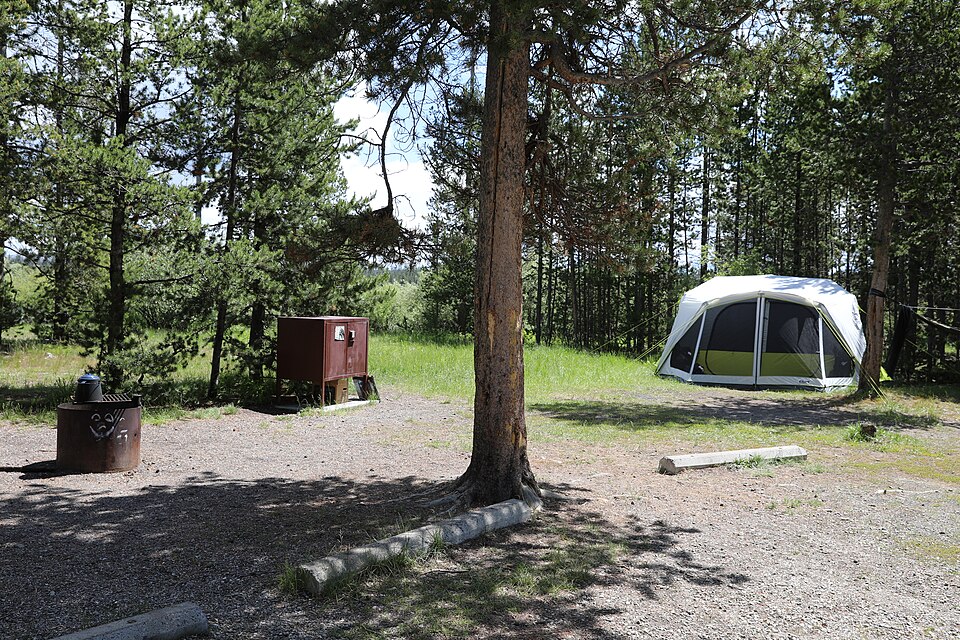
Spring and fall generally offer the most appealing conditions for a desert glamping trip, but a canvas wall does little to moderate a hot afternoon or cold night. Check overnight lows as carefully as daytime highs, and ask the host about wind exposure. An outdoor dining area can be lovely in calm weather and much less useful during a dusty, gusty evening.
Summer stays require close scrutiny of cooling, shade, and backup arrangements if power fails. Do not assume a fan makes a low-elevation tent comfortable during extreme heat. Higher-elevation lodging near the Spring Mountains has different conditions, including cooler nights and potential storms. Winter can favor a properly heated cabin or enclosed unit over a tent, especially uphill. Check official weather and land-management alerts before travel, and confirm the property’s cancellation terms for road closures or other disruptions.
Compare Glamping, Camping, and RV Stays
Choose glamping when a prepared bed and reduced gear hauling matter more than having the lowest rough trip cost. Traditional camping gives you more control over your setup, but you must bring suitable shelter, bedding, cooking supplies, and water storage. An RV stay can add an enclosed living space and kitchen, though bathroom use, hookups, and tank arrangements depend on the specific rental and site.
Compare the total estimated cost, including cleaning charges, parking, equipment rentals, transportation, and any separate park entry fees. Glamping is not automatically cheaper than a hotel, particularly for a short weekend. Confirm pet rules, quiet hours, food storage expectations, and current fire restrictions. Never assume a listed firepit may be used during your stay. Book public campgrounds through their official reservation channels, and check the relevant park, NPS, BLM, or forest site for current conditions before departure.