
The best time to visit Las Vegas for an outdoor-focused trip is usually spring or fall, when desert walks and scenic drives fit more comfortably into the day. Summer still works for a weekend built around indoor breaks and higher elevations, while winter brings shorter days and chilly mornings. Plan two to four days, then choose your outings around elevation, daylight, and the forecast rather than assuming the whole region shares the Strip’s weather.
Spring: Comfortable Hiking Weather and Busy Weekends
Spring is a strong choice for exploring Red Rock Canyon National Conservation Area and Valley of Fire State Park. Days generally warm as the season progresses, but mornings can still feel cold, especially when wind moves through exposed washes and overlooks. Carry layers rather than packing only for pool weather. Wildflowers sometimes brighten the desert after favorable rainfall, though timing and abundance vary too much to build a trip around a guaranteed display.
Popular trailheads and scenic pullouts become busy on weekends and during school breaks. Start outdoor days early, and keep a second route in mind if parking is full. For Red Rock Canyon’s Scenic Drive, check the official Bureau of Land Management site for current timed-entry requirements. Reserve lodging once your dates are firm, particularly if your visit overlaps a major convention or holiday.
Summer: Shift Your Plans, Not Just Your Start Time
Summer brings intense heat to the Las Vegas Valley, Red Rock Canyon, and Valley of Fire. An early start does not automatically make a long exposed hike a good choice, and some trails may close seasonally because of heat. Build summer trips around short stops, air-conditioned attractions, and flexible plans rather than trying to finish a fixed hiking checklist. Never leave children or pets in a parked vehicle.
The Spring Mountains offer a different setting, with higher elevations, forested areas, and generally cooler temperatures than the valley. Conditions still vary by trail and elevation, and summer thunderstorms can affect mountain outings. Lake Mead adds boating and shoreline options, but water access does not remove the need to plan for heat and sun. Check official park and forest updates before leaving, and carry more drinking water than a casual city outing would require.
Fall: A Useful Window for Desert Weekends
Fall is another appealing season for a Las Vegas outdoor weekend, especially after the strongest summer heat eases. Early fall can remain very hot, so use the actual forecast rather than the calendar to decide whether a midday walk makes sense. Later in the season, cooler mornings make routes among Red Rock Canyon’s sandstone formations and Valley of Fire’s colorful rock more inviting.
Daylight shrinks as fall progresses. Choose a turnaround time before starting a hike, and avoid stacking several distant parks into one afternoon. A two- to four-day trip works well with one day around Red Rock Canyon, another toward Lake Mead or Valley of Fire, and some unstructured city time. Weekend demand can stay high, and major events affect lodging independently of hiking weather. Compare your dates with the city’s event calendar before making nonrefundable arrangements.
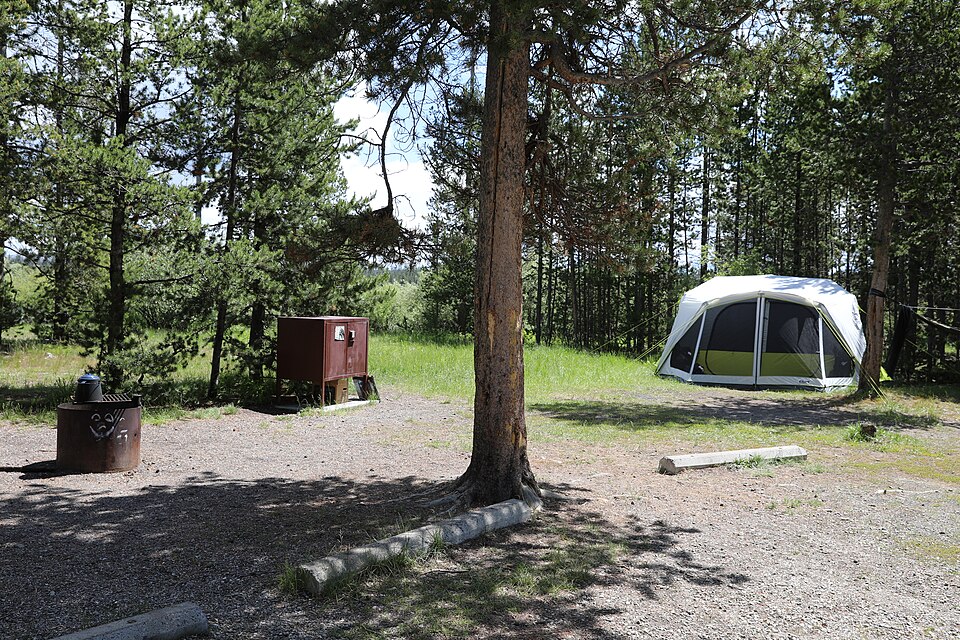
Lock in a stay for this season
Harvest Hosts stays on the way to Las Vegas
Partner link · Harvest Hosts
Winter: Quiet Desert Mornings and Mountain Snow
Winter can suit travelers who prefer cooler walks and do not mind bringing warm layers. The desert often looks especially crisp in low-angle light, and shorter hikes around Red Rock Canyon can fit comfortably between a late breakfast and an early dinner. However, cold wind, freezing overnight temperatures, and occasional storms mean winter should not be treated as a mild-weather guarantee.
The Spring Mountains are a separate winter environment. Snow and ice can affect roads, parking, and trails around Mount Charleston, while conditions down in Las Vegas may look completely different. Check official road and forest notices before heading uphill, and do not assume a summer hiking route remains appropriate. Holiday periods and major conventions can still draw substantial crowds to the city. For a calmer outing, try a weekday desert visit and leave enough daylight for the return drive.

How Far Ahead to Book and What to Recheck
Book your flight and lodging as soon as your dates and cancellation needs are clear, especially for holiday weekends or trips tied to a specific event. There is no single reliable booking window for Las Vegas because conventions, sports, and entertainment can change demand throughout the year. If outdoor access matters most, verify park requirements before committing to a tightly scheduled itinerary.
Red Rock Canyon’s Scenic Drive may require a timed-entry reservation during designated periods; use the official BLM site for the current rules. For Valley of Fire, consult Nevada State Parks, and use the National Park Service site for Lake Mead conditions, campground reservations, and access updates. Recheck weather, closures, and road information shortly before departure and again on outing days. Keep one indoor alternative available so a windy, rainy, or unusually hot day does not derail the whole trip.
More ways to book Las Vegas
 Illustrative · King of Hearts
Lake Mead Boating
One of the classic ways to experience Las Vegas.
Varies (estimate)
Partner link · Viator