
Lake Powell is more than a place to rent a boat: it is a sprawling reservoir surrounded by sandstone cliffs, desert trails, and long scenic approaches. The most rewarding activities depend on where you stay and what the water level allows during your visit. For a three- to five-day trip, choose either the southern Page and Wahweap area or the Utah-side Bullfrog area, then combine one major water outing with shorter land adventures.
Take a Boat Trip Into the Canyon Landscape
A boat outing reveals the scale of Lake Powell better than a quick shoreline stop. Depending on your experience and budget, that might mean a guided excursion, a day rental, or a multiday houseboat trip. Leaving navigation to an operator can be appealing for first-time visitors; renting independently requires understanding the vessel, fuel range, weather, and local rules. Distances on the reservoir are substantial, so avoid choosing destinations solely from a map.
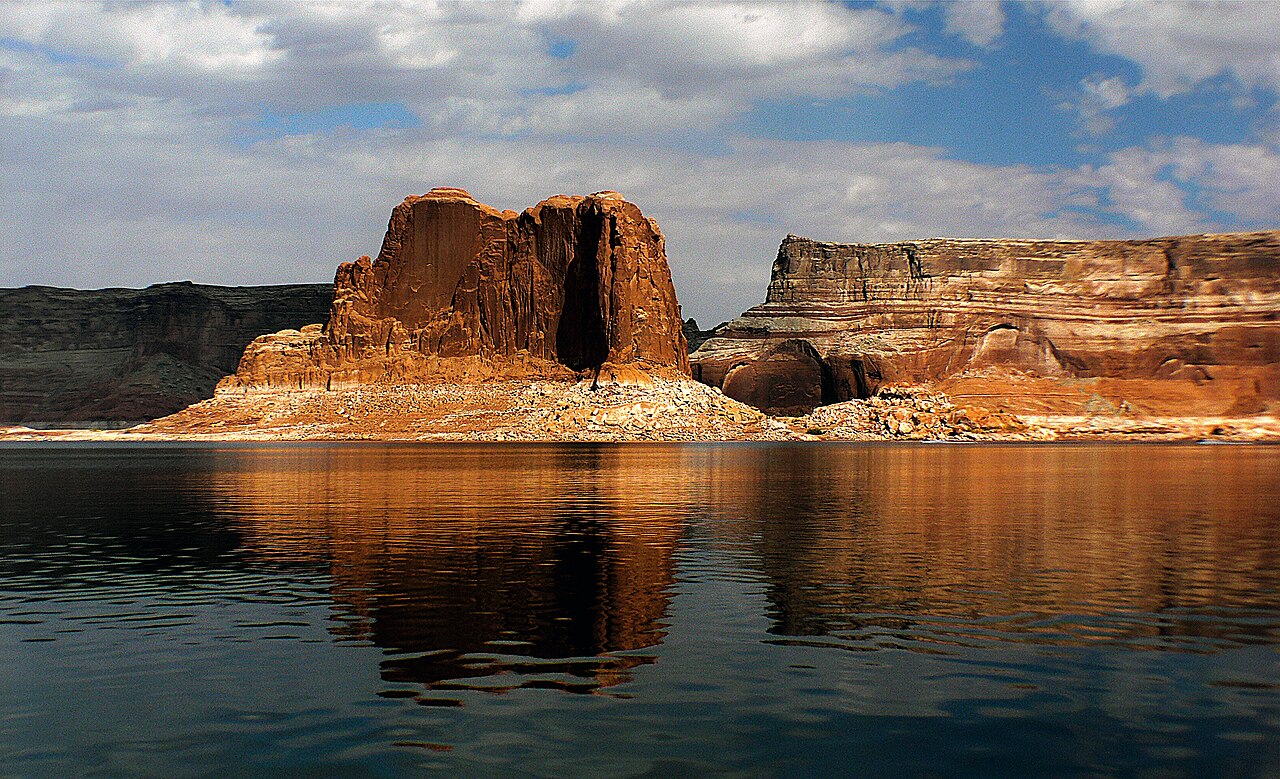
Wahweap near Page and Bullfrog in Utah are major boating hubs, but current launch access depends on reservoir conditions. Rainbow Bridge National Monument is a notable boat-based destination when access and excursion options permit; the landing and walking distance can change with water levels. It is also a culturally significant place that deserves respectful behavior. Check the official NPS websites and confirm the actual route with your provider before booking.
Mix Short Hikes With Scenic Drives
At the southern end, the Hanging Garden Trail near Page offers a short desert walk to a sheltered plant community supported by seep water. Stay on the designated route and avoid disturbing the vegetation. Nearby, Horseshoe Bend overlooks the Colorado River downstream of Glen Canyon Dam, not Lake Powell itself, but it pairs naturally with a Page-based visit. Its exposed walk and cliff-edge setting call for deliberate timing and close attention around children.
On a Utah-side trip, the drive toward Bullfrog through sandstone country is part of the experience. State Route 95 and the approach on State Route 276 offer broad desert scenery, though they should be planned as substantial drives rather than quick detours from Page. Carry water and fuel, download maps, and check road conditions. Do not rely on a cross-lake ferry connection without verifying current operation.
Paddle, Swim, and Watch the Shoreline
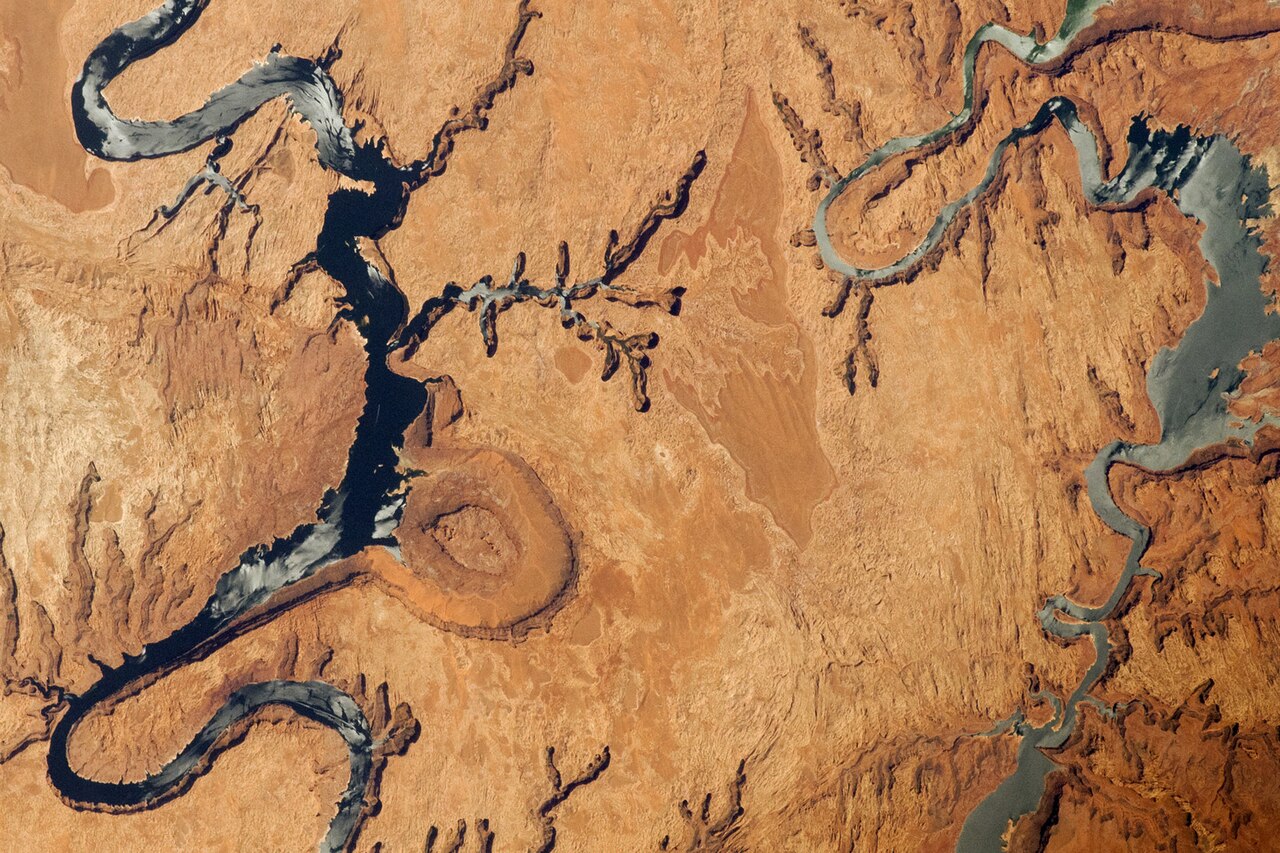
Kayaking or paddleboarding can provide a quieter look at sandstone walls and coves, but the reservoir is not uniformly sheltered. Wind, boat wakes, long crossings, and changing shore access can turn a simple route into a demanding outing. Choose a launch and turnaround point that match your ability, wear an appropriate life jacket, and ask about local conditions. Start with a short route rather than assuming every attractive canyon is easy to reach.
For swimming, choose a permitted location away from marinas, fuel docks, and boat traffic, and supervise children closely. Water depth and submerged obstacles vary as the reservoir changes. Wildlife watching fits naturally into slower shoreline time: look for waterbirds, ravens, lizards, and tracks without approaching or feeding animals. Binoculars add interest without requiring a long excursion. Pack out fishing line, food scraps, and all other litter.
Build a Family Day Around Small Adventures
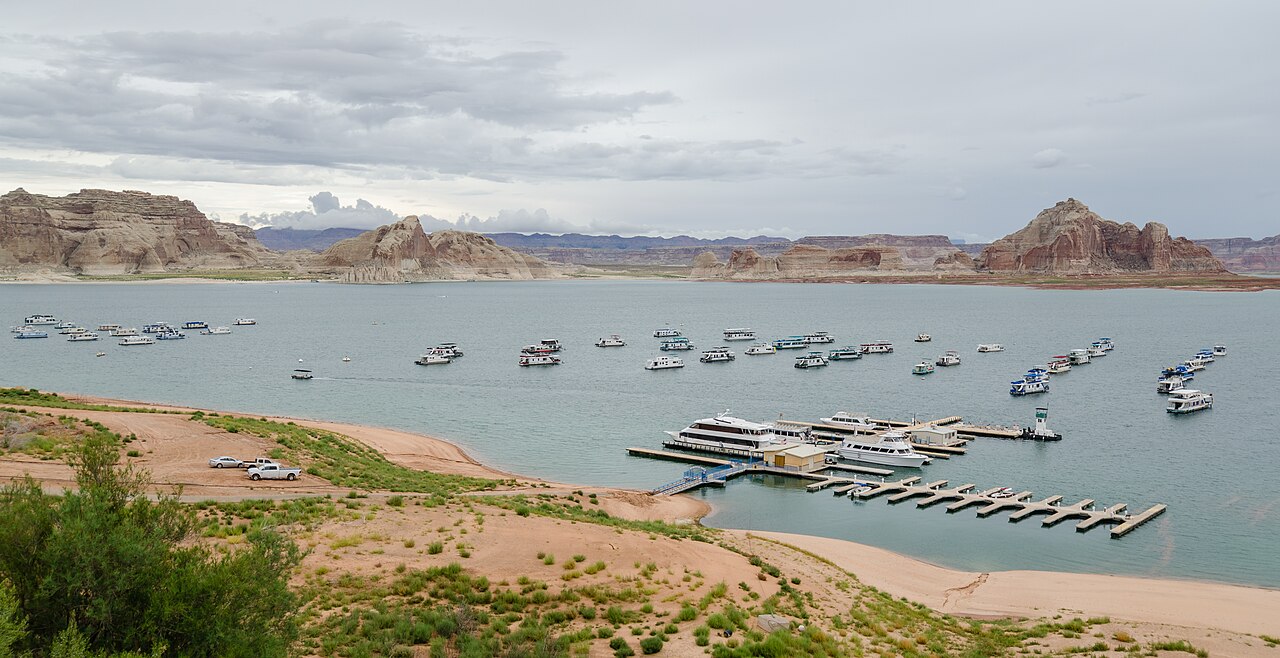
With kids, a manageable Lake Powell day usually works better than a long list of distant stops. Pair one short morning walk with a shaded lunch break and a brief water activity suited to the children’s ages and abilities. In the Page area, dam-area viewpoints can introduce the relationship between the Colorado River, Glen Canyon Dam, and the reservoir. Explain that the visible waterline and shoreline can change rather than promising a particular beach.
Ask about the NPS Junior Ranger program and current ranger activities through official park channels. These can give children a purpose beyond taking photos, such as spotting animal signs or learning how desert plants conserve water. Bring more drinking water and snacks than a short distance might suggest. Properly fitted life jackets, sun protection, and an adult assigned to active water supervision matter more than squeezing in another attraction.
Keep a Windy-Day or Rainy-Day Backup
Bad boating weather does not automatically mean a good hiking day. Thunderstorms can create flash-flood danger in slot canyons and washes, while rain can make unpaved roads difficult or impassable. Avoid replacing a canceled cruise with an improvised canyon hike. Check the official park alerts and forecast first, then choose activities that fit the actual conditions. Strong wind alone may still allow a short established viewpoint visit, but lightning calls for shelter.
Page offers more indoor flexibility than the remote Bullfrog area. Look for currently open museum or visitor-center exhibits about local history, geology, and the dam, checking official sources for access and schedules. A relaxed meal, grocery restock, and route-planning session can also preserve energy for the next clear morning. Dam tours and visitor facilities can change availability, so treat them as possibilities to verify rather than guaranteed anchors for a stormy afternoon.