
Lake Powell Utah glamping usually means staying in the surrounding desert gateway areas, not stepping out of a luxury tent onto a guaranteed lakeside beach. The term can cover furnished tents, cabins, and other outdoor-oriented lodging, with very different levels of comfort. Start by choosing the part of the lake you want to explore, then verify the actual accommodation type, temperature control, bathroom setup, and drive to your planned launch or tour.
What Glamping Looks Like Around Lake Powell
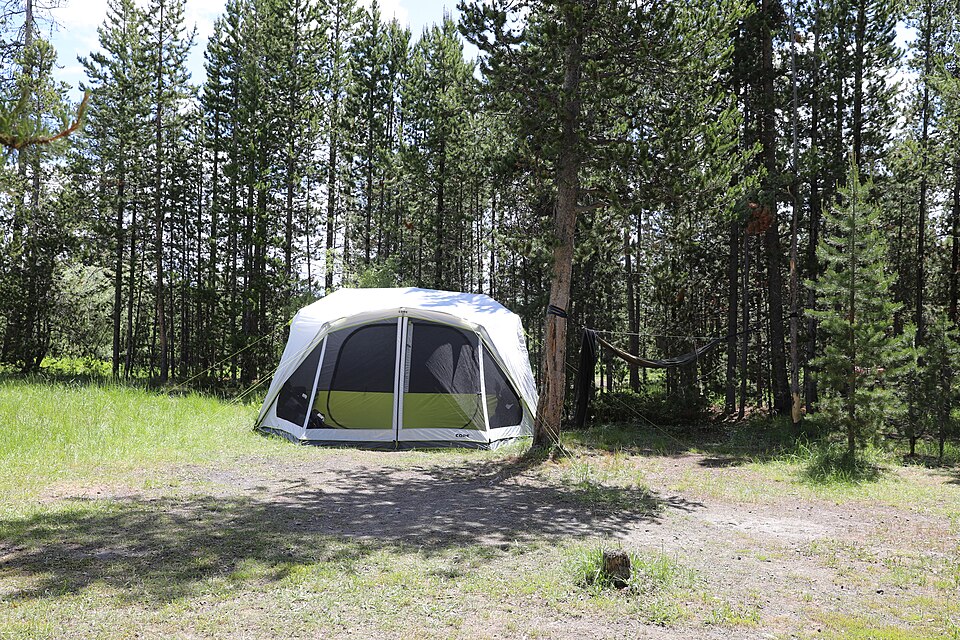
Think of glamping here as a way to enjoy desert light, outdoor evenings, and canyon-country views without bringing a full camping kit. Depending on the property, that could mean a real bed in a canvas structure, a small cabin, or another furnished unit with an outdoor sitting area. Those categories are not standardized. A listing described as luxury may still have shared bathrooms, no air-conditioning, or a walk between the parking area and your bed.
Read the details with the desert climate in mind. Ask whether cooling and heating serve the sleeping space, whether electricity is continuous, and whether drinking water is supplied. Confirm shade, linens, cooking equipment, and bathroom access rather than inferring them from photos. Lake views do not guarantee shoreline access, and shoreline access does not guarantee a usable boat launch. Check the location against your actual daily plans before booking.
Choose a Gateway Before Choosing a Tent
Page, Arizona, is a practical search area for travelers using the southern reservoir because it has groceries, restaurants, and access to activities around Glen Canyon Dam and Wahweap. Big Water, Utah, is another nearby area to investigate for outdoor-oriented lodging. Verify individual listings and driving routes; a peaceful desert setting may add travel time to an early tour departure. Neither a Utah address nor a Lake Powell label automatically means the property is waterfront.
For a more remote Utah-side trip, investigate the Bullfrog and Halls Crossing areas and the approaches through Ticaboo. Accommodation styles and availability differ from the Page area, so do not assume furnished tents will be offered everywhere. These bases make sense when your boating plans start nearby. Avoid booking southern lodging for a northern departure without studying the road journey, and never rely on a ferry crossing without checking current service.
Pick a Season That Matches the Amenities
Spring and fall generally make the strongest case for an outdoor-focused stay, with more opportunities to sit outside comfortably than during peak summer heat. Even then, nights can turn cold and wind can make a canvas structure noisy. Ask about sturdy shelter, heating, extra bedding, and the property’s weather policies. Early fall may still bring hot afternoons, while late fall can require a much warmer sleeping setup than the photos suggest.
In summer, reliable cooling and substantial shade deserve priority over decorative touches. A fan is not equivalent to air-conditioning, and an uncooled tent can remain uncomfortable after sunset. Winter visitors should verify that the property operates seasonally and that plumbing, bathrooms, and heating remain available. No accommodation removes the need to monitor weather. Before arrival, check the official Glen Canyon website for park conditions and confirm access-road conditions directly with your host.
Glamping vs. Tent Camping vs. an RV
Glamping works well when you want a prepared bed and less equipment to transport, especially after flying into the region. The tradeoff is a higher accommodation cost than many basic campsites, with amenities that vary widely. Compare total rough costs, including cleaning charges, meals, and transportation, rather than treating the nightly rate as the whole budget. Confirm whether cooking is allowed and what equipment is actually provided.
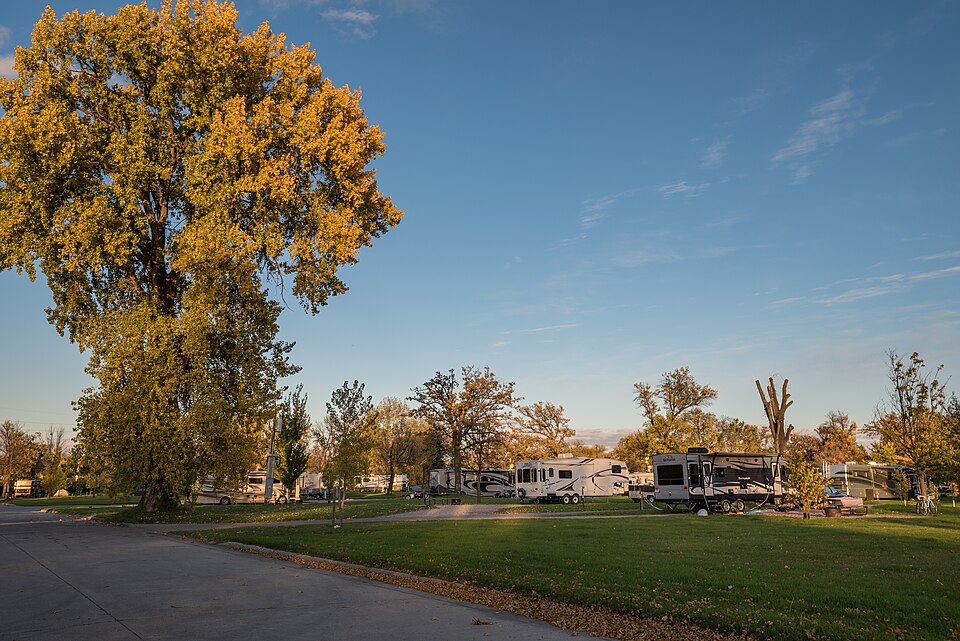
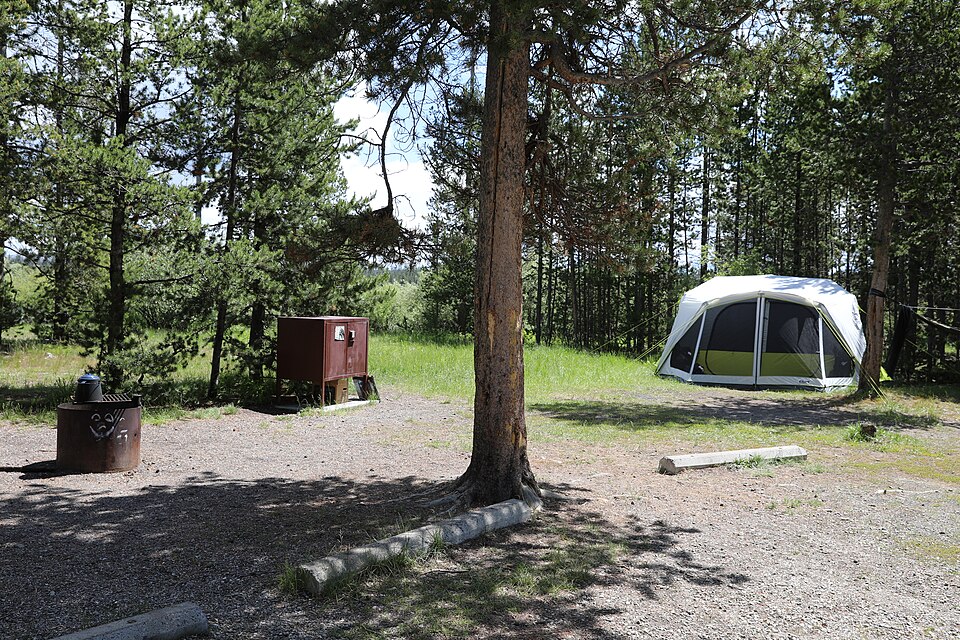
Tent camping offers more control over your setup but requires shelter, sleeping gear, water planning, and a strategy for heat and wind. An RV provides enclosed space and may offer cooling, though comfort depends on power, hookups, equipment, and campground rules. Generator use is not unrestricted. A houseboat is a separate boating commitment with operating responsibilities, not simply a floating hotel room. Check official campground reservation information and site requirements before choosing among these options.
A Booking Checklist for a Comfortable Stay
Before paying, pin down five essentials: the exact location, bathroom arrangement, temperature control, food preparation options, and cancellation terms. Then ask about road surfaces, parking distance, accessibility, children, pets, and quiet hours as relevant to your group. Remote desert properties may have limited connectivity, so save arrival instructions offline. If your vehicle or rental agreement is unsuitable for an unpaved approach, choose a different property rather than hoping the road will be easy.
Plan evenings around the setting instead of assuming a campfire is included. Fire restrictions can change, and some accommodations prohibit flames regardless of park rules. A warm layer and binoculars can be useful for enjoying the open sky. For daytime outings, verify launch status, tour reservations, and current conditions on the official NPS Glen Canyon website. Book lodging and water activities together so your comfortable base supports the trip you actually want.