
Lake Placid combines an easy-to-explore village with serious mountain terrain, so you can shape a visit around gentle lake time or ambitious outdoor days. Mirror Lake and the Olympic sites are natural starting points, while nearby Wilmington and the High Peaks expand your options. On a two- to four-day trip, choose one main outing each day and leave space for weather changes, waterfront breaks, and the drive between attractions.
Start with Mirror Lake and the Village
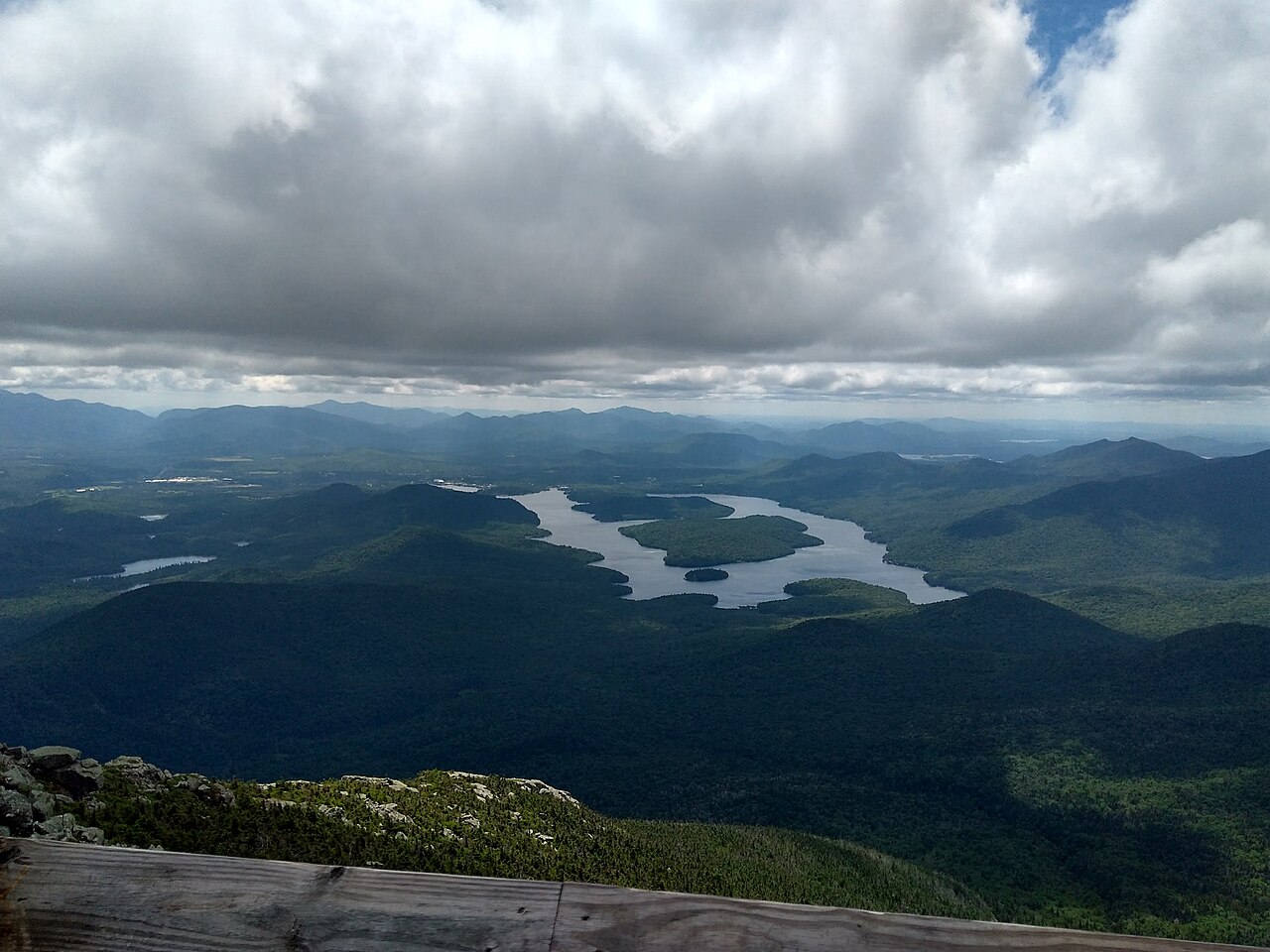
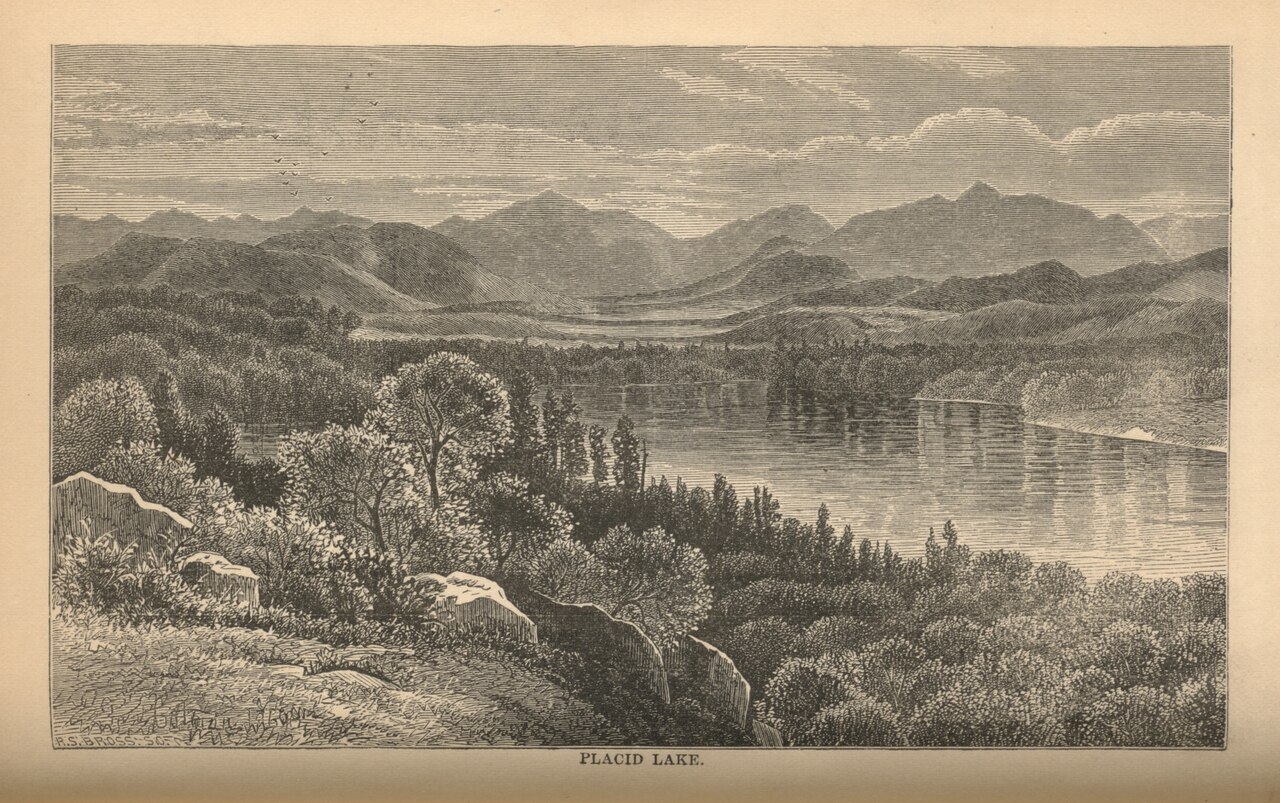
Mirror Lake is the most straightforward introduction to Lake Placid. Its shoreline sits beside the village's Main Street, and the public walking route around the lake gives you changing views without committing to a backcountry hike. Use sidewalks and public access points rather than cutting across private waterfront property. The village beach provides another warm-season option when open.
Paddling offers a different perspective on the surrounding mountains. Mirror Lake generally has a quieter boating atmosphere than neighboring Lake Placid, where motorboats are part of the setting. Choose water access and rentals based on current availability, wind, and your experience level, and wear an appropriate life jacket.
Keep the rest of this outing unhurried: browse downtown, find a meal, and return to the waterfront as the light changes. This is also a useful arrival-day plan because it does not require a long drive after check-in.
Explore the Olympic Story
Lake Placid hosted the Winter Olympics in 1932 and 1980, and that history remains a visible part of town. The Olympic Museum and Olympic Center provide context for the athletes, venues, and events associated with those Games. The village's hockey history, including the 1980 Miracle on Ice, makes this especially appealing to sports-minded visitors.
Outside the center, the Olympic Jumping Complex shows the scale of ski jumping in a way that television rarely captures. Mount Van Hoevenberg adds another Olympic landscape, with activities that vary by season and operating schedule. These venues are spread out, so plan transportation rather than assuming they form one walkable complex.
Check official Lake Placid Olympic Sites information for current admission options, accessibility, reservations, and available experiences. Training, competitions, maintenance, and weather can affect what visitors may enter or do, even when the broader venue is open.
Choose a Hike or a Mountain Drive
For a shorter mountain outing, consider Cobble Hill near the village or Mount Jo in the Heart Lake area. Both offer mountain scenery without the scale of a major High Peaks objective, but roots, rocks, steep stretches, and changing weather still require preparation. Review the route, current trail conditions, parking arrangements, and your group's ability before choosing either.
A scenic alternative is Route 86 toward Wilmington, where the road follows the West Branch of the Ausable River. Use designated pull-offs for photographs and avoid stopping on narrow shoulders. When operating, the Whiteface Veterans' Memorial Highway provides access to a high mountain setting; reaching the summit from the upper parking area involves additional access considerations.
Do not squeeze a demanding hike and every scenic stop into one afternoon. Check official DEC trail notices and Whiteface operating information, and give the day's main outing enough time.
Look for Wildlife and Plan a Kid-Friendly Day
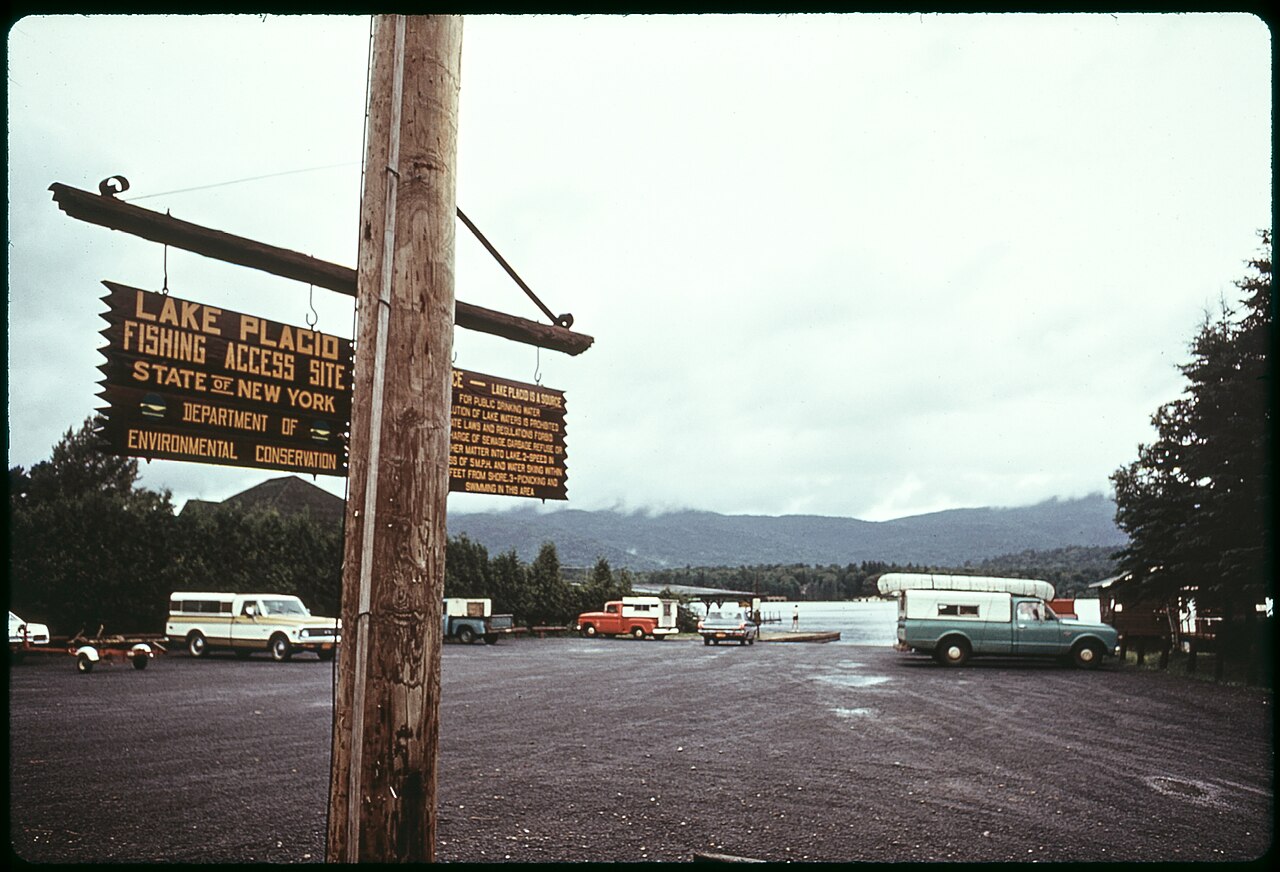
Quiet mornings beside Adirondack lakes can reward patient wildlife watching. Listen for loons, scan the shoreline for waterbirds, and watch from a distance without approaching nesting areas. Binoculars are more useful than trying to paddle closer. Never feed wildlife, and secure food and scented items according to campground or backcountry rules; black bears live in the Adirondacks.
With children, combine one active stop with one easy attraction. A short Mirror Lake walk followed by beach time, when available, is often more manageable than a full mountain itinerary. An Olympic venue visit can add variety without asking everyone to spend the entire day on a trail.
Match hikes to the youngest or least experienced person in the group. Bring snacks, layers, and a clear turnaround plan. Short distances can still involve slow travel over Adirondack rocks and roots, especially after rain.
Keep a Rainy-Day Plan Ready
Rain is a good reason to move the Olympic Museum and indoor portions of the Olympic Center higher on your list. Check official schedules first, since events and facility operations can change visitor access. Downtown shops, a long lunch, and a relaxed café break can fill the remaining time without turning a wet day into a driving marathon.
If visibility remains reasonable and road conditions are suitable, a modest scenic drive can still work. However, a summit-focused excursion loses much of its appeal when clouds hide the views, and wet rock can make hiking more difficult. Avoid treating bad weather as a challenge to push through simply because an activity was on the original schedule.
For a longer indoor detour, The Wild Center in Tupper Lake offers Adirondack natural-history exhibits alongside outdoor experiences. Verify current hours and plan transportation separately; it is not a downtown Lake Placid stop.