
Lake Placid glamping works best when you want an Adirondack outdoor setting without bringing a full camping setup. Around the region, searches may turn up furnished tents, yurts, compact cabins, or other rustic stays, but the amenities behind those labels vary widely. For a two- to four-day trip, focus first on location, bathroom arrangements, and seasonal comfort, then decide how much driving you want between your lodging, the lakes, and mountain outings.
What Glamping Can Mean in the Adirondacks
Glamping is a lodging description, not a consistent standard. A furnished tent may offer a real bed but no plumbing, while a cabin advertised alongside glamping stays may include electricity, heat, and a private bathroom. Read the complete accommodation description and look at the site layout before assuming that bedding, towels, cooking equipment, or drinking water are supplied.
Around Lake Placid, the outdoor setting is often more important than the structure itself. A wooded site can feel secluded without being waterfront or close to a trail. Ask whether lake access is actually included, whether it is shared, and whether reaching the water requires a drive.
Check parking distance, lighting, steps, and the walking surface between the unit and bathrooms. These details matter when carrying bags in the rain or returning after dark. Accessible features should be confirmed individually rather than inferred from photographs or the word luxury.
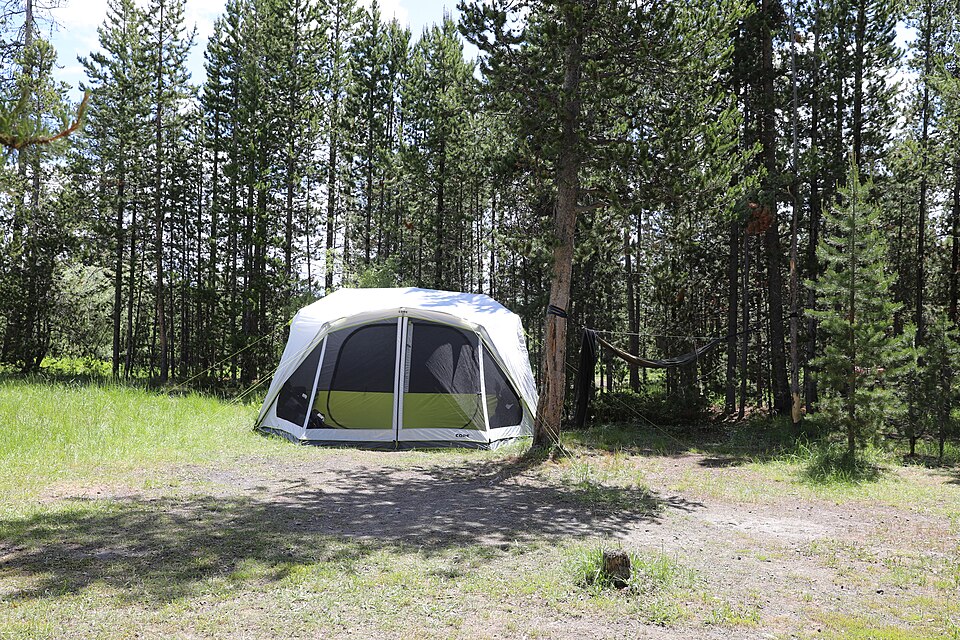
Where to Search: Lake Placid, Wilmington, and Beyond
Start near Lake Placid if village meals, Mirror Lake, and Olympic attractions are the priorities. Look closely at the mapped location: a listing described as being in the Lake Placid area may sit well outside the village. A quiet woodland setting can be appealing, but it may rule out walking to dinner or easily returning between activities.
Wilmington is a useful search area for Whiteface and the Ausable River corridor. Jay and Upper Jay are additional nearby communities to consider when you prefer a rural base, provided the actual listing location works for your plans. Saranac Lake is another option for a trip that combines Lake Placid outings with a different Adirondack village and lake setting.
Treat these as search areas, not promises that a particular accommodation type is available. Compare real driving routes, grocery access, and bathroom amenities before choosing between a closer basic stay and a more distant furnished retreat.
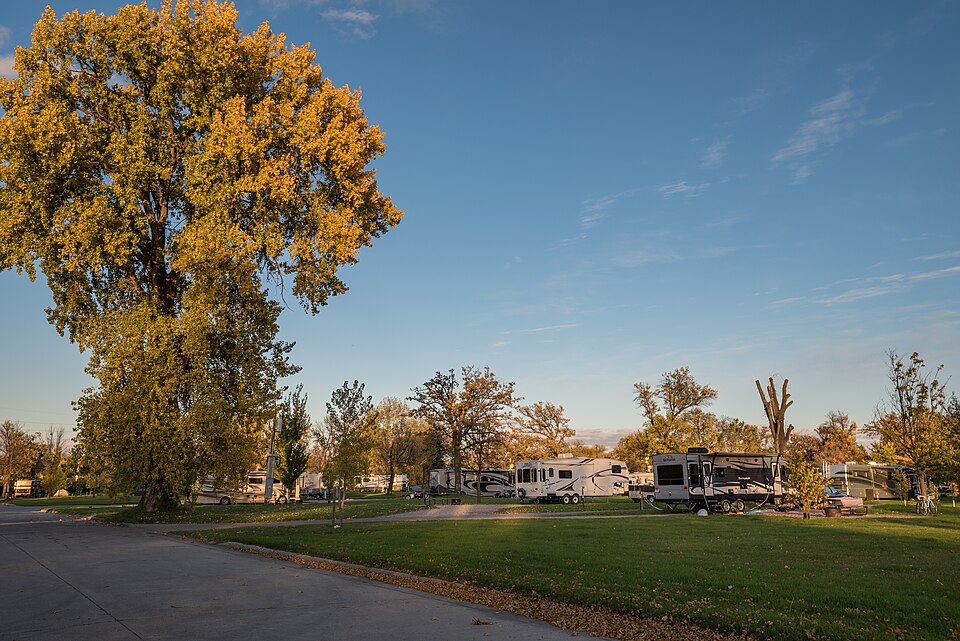
Choose the Season Around Your Shelter
Summer generally makes a lightly equipped outdoor stay simpler, but Adirondack nights can still feel cool and rain can linger. Ask whether the tent or cabin has effective ventilation, insect screens, and a genuinely weatherproof sleeping area. Spring and early summer can bring biting insects, so screened space may be more valuable than an uncovered deck.
Fall glamping pairs well with foliage drives and hiking, but overnight comfort becomes a bigger consideration. Verify whether heat is installed and permitted, what bedding is provided, and whether bathrooms remain available throughout your dates. Do not assume a seasonal site stays open through late fall.
Winter requires a specifically winterized accommodation with clear information about heat, water, snow removal, and access. Never improvise indoor heating with a camp stove or grill. Check cancellation policies and travel forecasts, especially when a rural driveway or unpaved access road is part of the arrival.
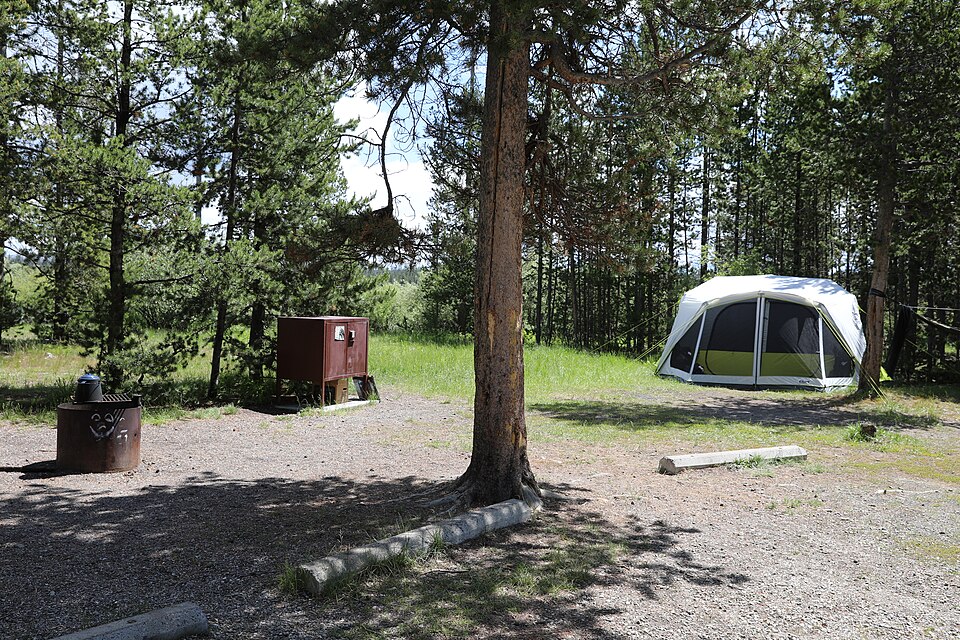
Glamping Versus Tent Camping and RV Travel
Choose glamping when you want less setup and can accept paying for provided shelter, furnishings, or amenities. It is especially useful for a short visit when packing a tent, mattress, and cooking kit would complicate travel. However, a furnished tent with shared bathrooms may feel much closer to camping than to a hotel, so compare specific features rather than labels.
Traditional tent camping offers more control over your equipment but requires preparation for rain, cold nights, food storage, and campsite rules. State campgrounds and other managed sites have their own reservation systems and seasonal operations. Check official campground or park pages before arriving, including restrictions on fires and outside firewood.
RV travel provides your own living space, but site length, hookups, dump facilities, and winterization all need verification. Glamping often costs more than a basic tent site, while RV expenses depend on vehicle and campsite choices; treat any budget comparison as a rough estimate.
Before You Book: Comfort, Food, and Daily Logistics
Before paying, confirm the bathroom type, hot-water availability, drinking-water source, heating, bedding, cooking setup, and whether meals require a drive. Ask about cell reception and Wi-Fi if you need either, and download directions in advance. A scenic listing photograph cannot tell you how private the site feels or how far you must carry luggage from the car.
Plan food storage carefully in bear country. Follow the property's rules for coolers, trash, and scented items, and do not leave food in a sleeping tent. Buy firewood locally and check current fire restrictions instead of assuming every stay includes a usable fire pit.
For peak summer and foliage dates, search several months ahead when possible. Review minimum stays, cleaning charges, and weather-related cancellation terms when comparing rough totals. Check official New York State DEC and park or campground pages for current conditions, regulations, and any reservations needed for nearby outdoor plans.