
Spanning over 1.5 million acres, Lake Mead National Recreation Area is a playground of shimmering blue water and rugged Mohave Desert landscapes. Whether you are looking to skim across the surface on a motorboat, explore hidden slot canyons on foot, or learn about the engineering marvel of the Hoover Dam, the variety of things to do in Lake Mead is staggering. It is a place where industrial history meets natural wonder, offering something for adrenaline seekers and families alike in one of the most unique desert environments in the United States.
Water Sports and Boating Adventures
The primary draw of Lake Mead is undoubtedly its water. With hundreds of miles of shoreline, the lake is a premier destination for boating, jet skiing, and sailing. You can launch your own craft at several public ramps or rent everything from pontoon boats to high-performance powerboats at the local marinas. Spending a day on the water allows you to access secluded coves and private beaches that are unreachable by car, offering a sense of escape that is hard to find elsewhere in the region.
For those who prefer a slower pace, kayaking and paddleboarding are popular, especially in the wake-less zones and protected canyons. Exploring the narrow passageways by paddle allows for a closer look at the unique rock formations and the chance to spot desert bighorn sheep coming down to the water's edge for a drink. The sheer scale of the lake means you can always find a quiet corner to drop anchor and enjoy the contrast of the deep blue water against the sun-scorched mountains.
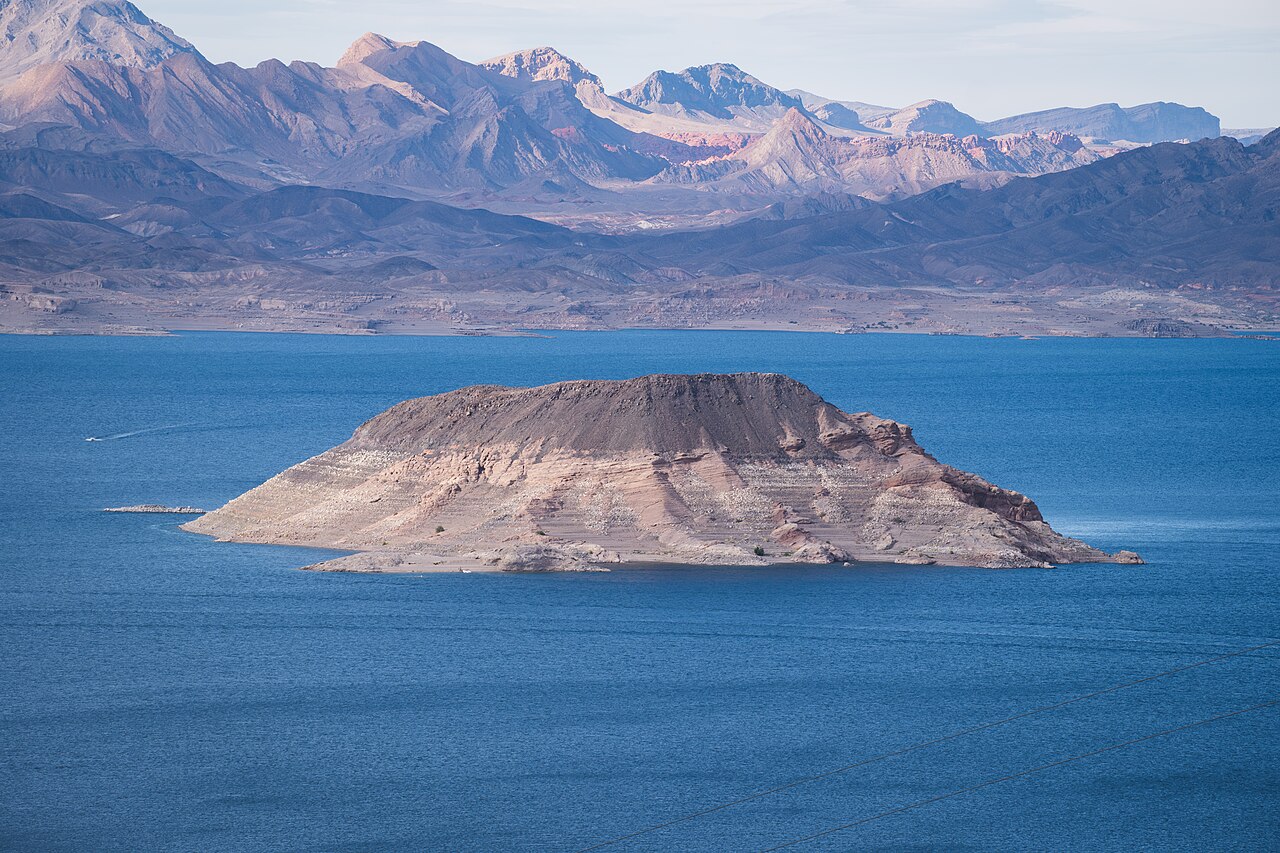
Scenic Hikes and Historic Trails
Away from the water, the recreation area offers a diverse network of trails that showcase the geological history of Southern Nevada. The most famous route is the Historic Railroad Trail. This easy, flat path follows the old rail bed used during the construction of the Hoover Dam, taking hikers through five massive tunnels carved into the volcanic rock. It offers spectacular elevated views of the lake and is a favorite for both walkers and cyclists.
For those seeking a more rugged challenge, the Liberty Bell Arch trail or the climb up to Fortification Hill provides panoramic vistas of the entire reservoir and the Colorado River. Hikers should be prepared for rocky terrain and minimal shade. The desert landscape reveals its beauty in the detailsâfrom the vibrant red sandstones of the Northshore area to the ancient creosote bushes that perfume the air after a rare rain. Always carry more water than you think you need and stay on marked paths to protect the fragile desert crust.
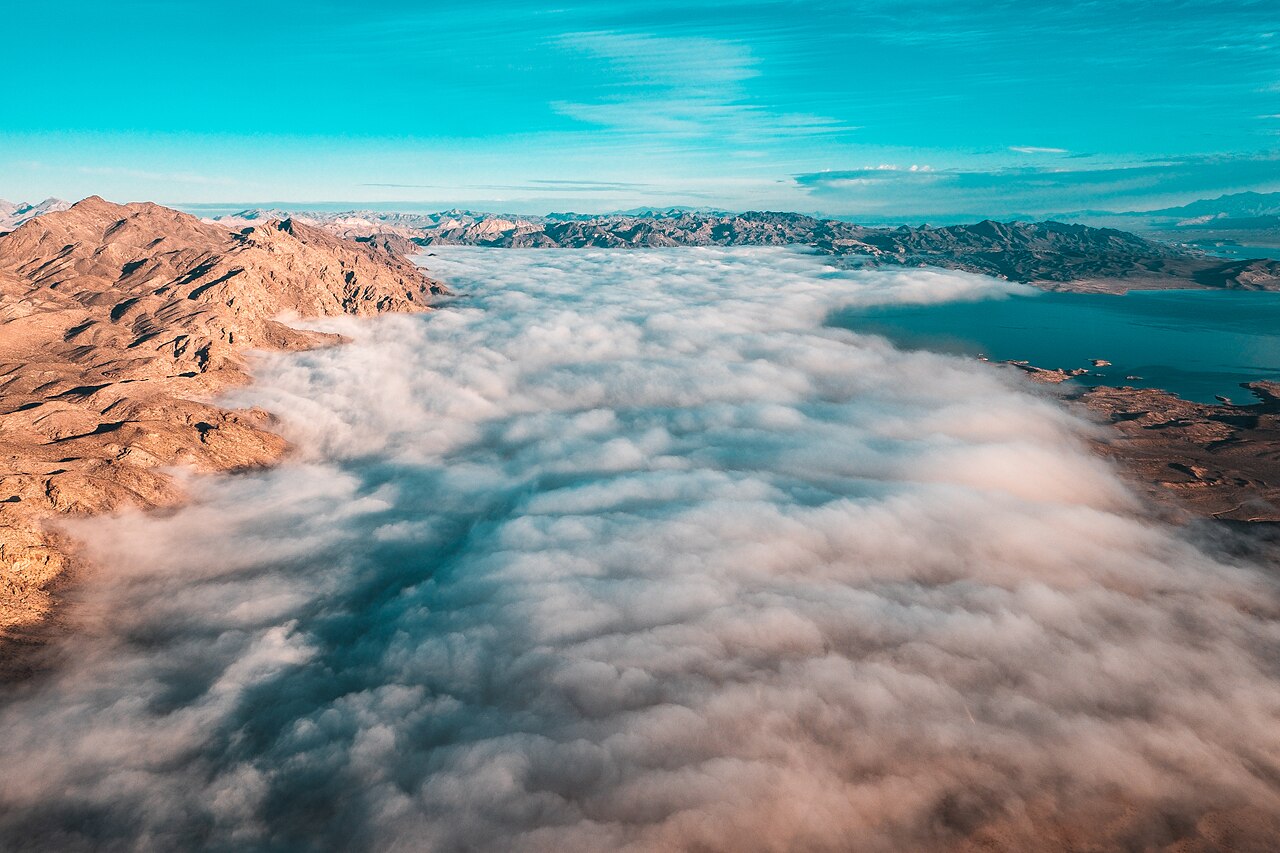
Wildlife Viewing and Birdwatching
Despite the harsh environment, Lake Mead is home to a surprising array of wildlife. The most iconic resident is the desert bighorn sheep, which are frequently spotted on the rocky cliffs near the Hemenway Park area or along the Northshore Road. Seeing these sure-footed animals navigate the near-vertical canyon walls is a highlight for many visitors. The park is also a vital corridor for migratory birds, with grebes, herons, and even bald eagles making appearances during the cooler months.
In the early morning or at twilight, you might spot coyotes, kit foxes, or black-tailed jackrabbits scurrying through the brush. The desert comes alive at night, so campers should keep a keen eye out for nocturnal residents. For those interested in smaller creatures, the area is home to various lizards and the occasional desert tortoise, though the latter is rare and highly protected. Always maintain a respectful distance from all wildlife and use binoculars for the best viewing experience without disturbing their natural behaviors.
Family-Friendly Activities and Education
Lake Mead is an excellent destination for families, offering numerous educational and recreational opportunities for children. The Alan Bible Visitor Center is a great starting point, featuring exhibits on the area's geology, ecology, and history. Kids can participate in the Junior Ranger program, which encourages them to engage with the park's environment through fun activities. Boulder Beach is a popular spot for families to set up a base for the day, with its large picnic areas and shallow entries into the water for swimming.
Another family favorite is taking a guided cruise on a paddlewheel boat, which provides a comfortable way to see the Hoover Dam and the surrounding cliffs without needing to captain a vessel yourself. Fishing is also a popular family activity, with striped bass, channel catfish, and bluegill being common catches. Teaching children about the importance of water conservation in the desert while they enjoy the recreation area adds a meaningful layer to the vacation experience.
Scenic Drives and Rainy Day Options
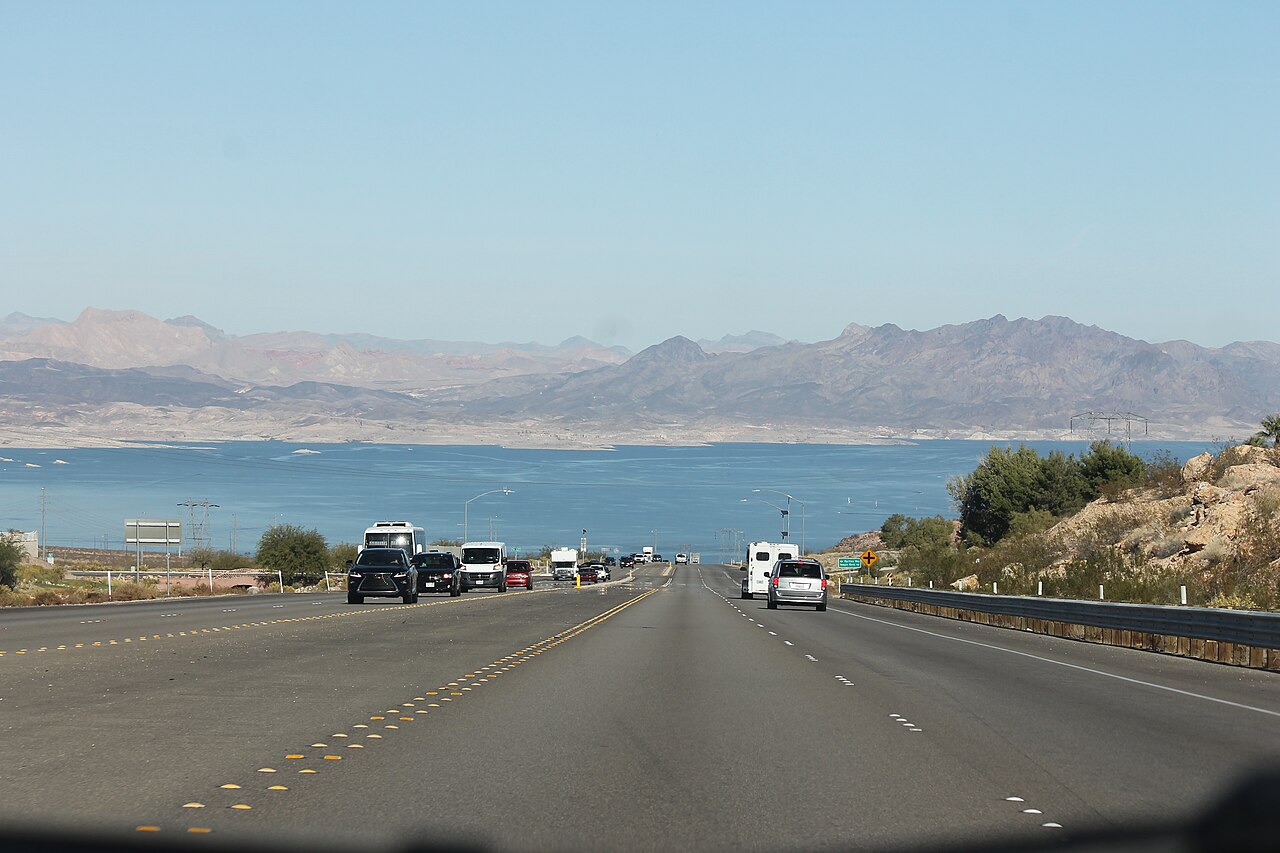
If the weather turns or you simply want to see the park from the comfort of your vehicle, the Northshore Road offers one of the most beautiful scenic drives in the Southwest. The route winds through colorful badlands, past the brilliant red outcrops of the Bowl of Fire, and offers numerous pullouts with interpretive signs. It is a fantastic way to see the vastness of the Mojave Desert and the changing colors of the landscape as the sun moves across the sky.
On the rare occasion of a rainy day, the desert undergoes a dramatic transformation. While you should avoid washes and low-lying areas due to flash flood risks, the sight of water cascading over desert cliffs is spectacular. Indoor alternatives include visiting the nearby Nevada State Museum in Las Vegas or exploring the Hoover Damâs internal power plant tours, which are located just minutes from the park boundary. These options provide a deep dive into the human history and engineering feats that made the development of the American West possible.