
Lake Mead National Recreation Area is a land of extremes, where the desert sun dictates the rhythm of life. While many travelers associate the lake with summer boating, the most comfortable time for exploring the vast shoreline and rugged canyons is between October and April. During these months, the intense Mojave heat yields to mild days and crisp nights, creating the perfect environment for hiking, birdwatching, and enjoying the water without the peak summer crowds. Understanding the seasonal shifts is essential for a safe and rewarding desert experience.
Spring and Fall: The Golden Windows
Spring and fall represent the peak seasons for those who want to experience Lake Mead beyond the confines of an air-conditioned boat. In March and April, the desert often bursts into life with wildflowers, and daytime temperatures hover comfortably in the 70s and 80s. This is the ideal window for hiking trails like the Historic Railroad Trail, where the lack of shade becomes manageable. The water remains cool, but the air is perfect for long days outdoors.
Similarly, October and November bring a welcome relief from the scorching summer. As the heat retreats, the lake water retains some of its summer warmth, making it the best time for kayaking or paddleboarding in the Black Canyon. During these shoulder seasons, you will find a balance between pleasant weather and active wildlife. It is wise to prepare for breezy conditions, as desert winds can pick up quickly during these transition months, occasionally affecting small watercraft operations.
Navigating the Intense Summer Heat
Summer at Lake Mead, spanning from June through September, is defined by relentless sun and temperatures that frequently soar above 100 degrees Fahrenheit. For many, this is the primary season for motorized boating and jet skiing, as the water provides the only true escape from the heat. However, visitors must be extremely cautious; hiking is generally discouraged after 10:00 AM due to the risk of heat exhaustion. The sun reflects off the water and the dark volcanic rocks, intensifying the thermal effect.
If you choose to visit during the summer, plan your activities for the early morning or late evening. The lake becomes a vibrant hub of activity on weekends, with marinas bustling and popular beaches filling up fast. While the water is warm enough for swimming all night, the sheer intensity of the daytime sun requires significant preparation, including high-SPF sunscreen, wide-brimmed hats, and a much higher water intake than you might expect.
Winter Serenity in the Desert
Winter is Lake Meadâs quietest and most underrated season. From December through February, daytime temperatures usually sit in the 50s or 60s, while nights can drop toward freezing. For hikers and mountain bikers, this is arguably the best time to visit Lake Mead. The trails that are impassable in July become inviting corridors through colorful geological formations. You can spend hours exploring the Bowl of Fire or the Northshore Road overlooks without seeing another soul.
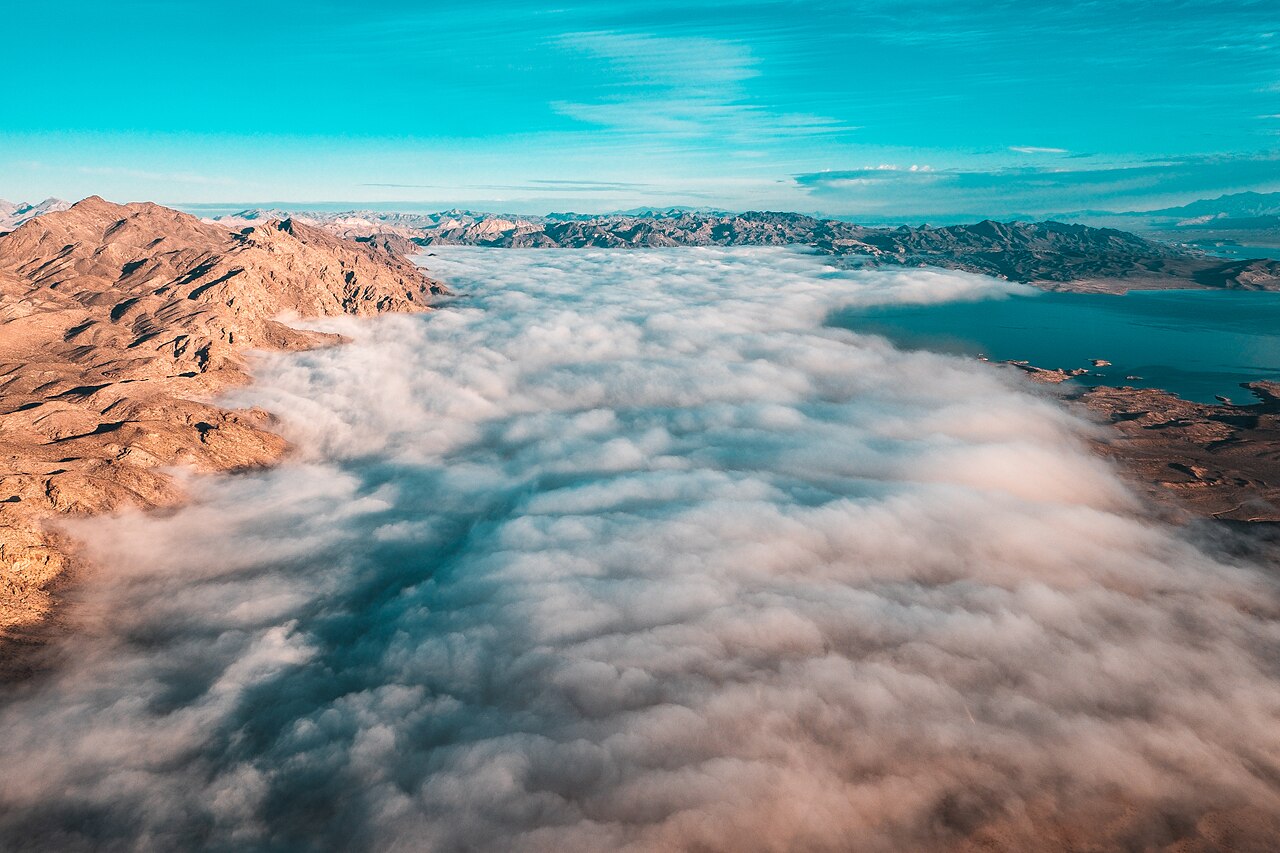
While the water is generally too cold for swimming without a wetsuit, the clarity of the air during winter provides stunning visibility for photography. The surrounding mountains, including the distant peaks of the Spring Mountains, may even sport a dusting of snow, providing a sharp contrast to the deep blue of the reservoir. It is a time for quiet reflection, campfire evenings at the various developed campgrounds, and observing migratory birds that winter in the desert wetlands.
Lock in a stay for this season
Harvest Hosts stays on the way to Lake Mead
Partner link · Harvest Hosts
Managing Crowds and Peak Holidays
As one of the most accessible recreational areas near Las Vegas, Lake Mead experiences significant surges in visitation during holiday weekends. Memorial Day, the Fourth of July, and Labor Day see the highest concentrations of people, particularly around Boulder Beach and the major marinas. During these times, parking lots can reach capacity early in the morning, and the water can become crowded with motorized traffic. If you prefer a tranquil experience, aim for mid-week visits or explore the more remote northern reaches of the park.
Even during the popular spring and fall months, the sheer size of the recreation area allows for solitude if you are willing to drive further from the main gateways. The areas near Overton or the remote Pearce Ferry offer a different pace compared to the bustling hubs near Boulder City. Always check the official NPS site for current lake levels and ramp closures, as these factors can influence where crowds congregate.
Reservations and Planning Tips
Securing your spot at Lake Mead requires some foresight, especially if you are bringing an RV or planning to stay in a developed campground. Most campgrounds operate on a first-come, first-served basis, but the highly sought-after sites with full hookups near the marinas often require reservations months in advance through third-party concessionaires. If you are planning a trip during the spring wildflower bloom or the busy Thanksgiving week, start your logistical planning at least three to six months out.
Permit requirements for backcountry camping or specialized activities can change, so it is vital to consult the National Park Service website before your arrival. Entry fees are standard for national recreation areas, and an annual pass is often a cost-effective choice if you plan to visit multiple times or explore nearby parks like Red Rock Canyon or Valley of Fire. Regardless of the season, always check the weather forecast for wind advisories, as sudden gusts can turn a calm lake into a challenging environment for boaters.
More ways to book Lake Mead
 Illustrative · Noah Wulf
Lake Mead Boating
One of the classic ways to experience Lake Mead.
Varies (estimate)
Partner link · Viator