
Glamping in Kona offers a unique way to experience the islandâs dramatic landscapes without sacrificing comfort. While traditional camping is available in state and county parks, the glamping scene here focuses on eco-conscious luxury, often situated in the lush, temperate 'Coffee Belt' or on private estates overlooking the ocean. Imagine sleeping in a high-end safari tent or a custom-built yurt, surrounded by the scent of jasmine and the sound of tropical birds. It is an immersive way to connect with the âaina (land) while enjoying a plush bed and private amenities.
The Kona Glamping Experience
Glamping near Kona is distinct from the typical resort experience found along the coast. Most sites are located at higher elevations, such as in the gateway towns of Holualoa or Captain Cook. These locations take advantage of the cooler mountain air and the lush, jungle-like environment of the volcanic slopes. You can expect accommodations that feature wooden floors, high-quality linens, and often, outdoor showers that allow you to bathe under the canopy of stars. It is an ideal middle ground for those who want to be close to nature but prefer not to deal with the logistics of setting up a tent.
Many glamping hosts focus on sustainability, utilizing solar power, composting toilets, and rainwater catchment systems. This eco-friendly approach aligns with the Hawaiian value of Malama âAina (caring for the land). Guests often have access to shared outdoor kitchens or fire pits, fostering a sense of community among travelers. It is a more intimate and personal way to stay on the island, often providing a direct connection to local farmers and residents who manage these unique properties.
Glamping vs. Traditional Camping
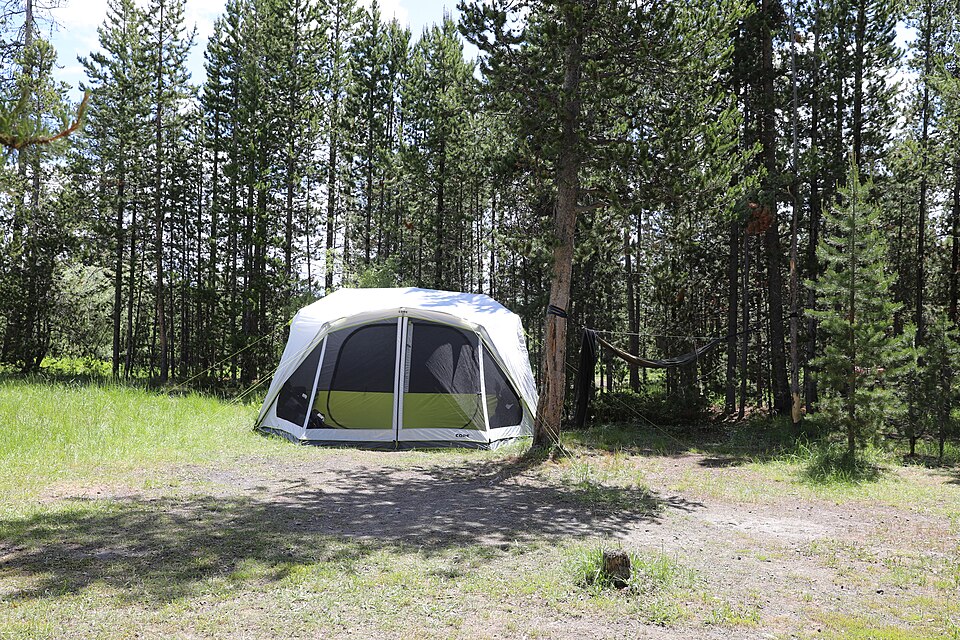
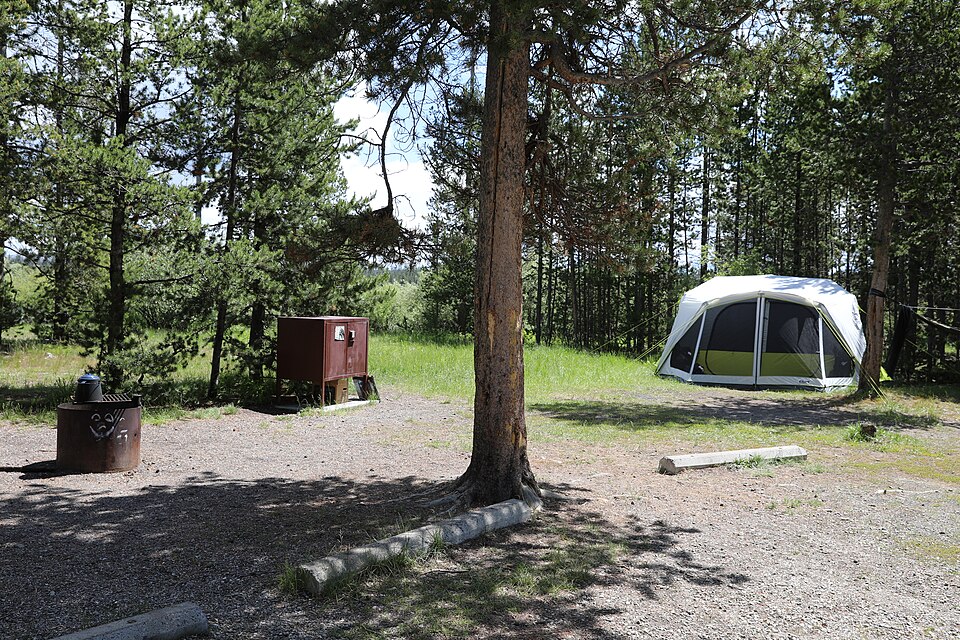
When deciding between glamping and traditional camping in Kona, it is important to consider your desired level of effort and comfort. Traditional camping on Hawaii Island requires permits from the State or County parks, which must be secured well in advance via official websites. These campsites are often located directly on the beach, like at Spencer Beach Park, but they provide minimal amenitiesâusually just a designated spot, restrooms, and cold showers. You also need to bring or rent all your own gear, which can be a hassle for travelers flying in from the mainland.
Glamping, on the other hand, is a 'turn-key' experience. Everything you need is provided, from towels to cooking utensils. While the daily budget for glamping is significantly higher than a $20-per-night park permit, it is often more affordable than a luxury resort while offering a more authentic outdoor experience. If you enjoy the sounds of the night and the feeling of the breeze through canvas walls but want a comfortable mattress at the end of the day, glamping is the superior choice.
Top Areas for Glamping Near Kona
The slopes of Holualoa are perhaps the most popular for glamping. This area is known for its artistic community and hundreds of coffee farms. Staying here allows you to wake up to the smell of roasting beans and a misty view of the ocean far below. The elevation keeps the temperature about 10 degrees cooler than the coast, making for very comfortable sleeping conditions. Captain Cook, further south, offers similar upland glamping opportunities, often closer to the historic Kealakekua Bay, making it a great base for those who plan to spend their days hiking or kayaking.
For those who want to be closer to the volcanic action, there are also glamping sites further south near the town of Ocean View, though these are a longer drive from Kailua-Kona. These sites often sit on recent lava flows, offering a stark, dramatic landscape that is unlike anywhere else on earth. When booking, consider how much driving you want to do; staying in the Holualoa or Keauhou areas keeps you within 20 to 30 minutes of the major beaches and the amenities of the main town.
RV and Campervan Alternatives
While not 'glamping' in the stationary sense, campervan rentals have become a popular alternative for those wanting a mobile glamping experience. Several companies on the Big Island offer professionally converted vans equipped with beds, small kitchens, and sometimes even hot water showers. This allows you to wake up in a different part of the island each day. However, it is crucial to remember that you cannot simply park and sleep anywhere; you must still reserve authorized campsites or stay on private property with the owner's permission.
This mobile lifestyle is great for adventurers who want to explore both the Kona and Hilo sides of the island without packing and unpacking at multiple hotels. It offers a sense of freedom, but requires careful planning of your route and water/waste management. For many, a stationary glamping tent provides a better balance, offering a consistent home base with more space and better facilities than a van can provide. Both options require checking the official Hawaii Department of Land and Natural Resources site for the latest rules on overnight parking.
Best Seasons and Packing Tips
The best time for glamping in Kona mirrors the general best time to visit: April through June and September through November. During these months, the weather is stable, and the rains are usually brief tropical showers rather than extended storms. Because most glamping sites are at higher elevations, it can get surprisingly chilly at night, even in the summer. It is essential to pack layers, including a light fleece or sweater and long pants, to stay comfortable after the sun goes down and the mountain air settles in.
Rain gear is also a must, as the 'coffee belt' is much wetter than the coastline. A good pair of sturdy sandals or trail shoes will serve you well for navigating the often uneven terrain of a glamping site or a farm estate. Always remember to bring an eco-friendly insect repellent, as the lush vegetation can attract mosquitoes. By preparing for the specific microclimates of the Kona uplands, you can ensure your glamping adventure is a highlight of your Hawaiian journey, combining the best of the outdoors with the comforts of home.