
Choosing the best time to visit Kona depends largely on whether you are seeking quiet beaches, active whale watching, or the vibrant atmosphere of world-class endurance races. The West Coast of Hawaii Island is famous for its consistent sunshine, protected by the massive peaks of Mauna Loa and Mauna Kea. While the temperatures remain warm year-round, the subtle shifts in swell, rainfall, and local festivities can change the character of your trip significantly. Whether you want to witness the winter humpback migration or enjoy the calmest waters for snorkeling, timing is everything.
Spring and Fall Shoulder Seasons
The periods from April to June and September to November are widely considered the ideal times for travelers seeking a balance of great weather and fewer crowds. During these shoulder months, the intense winter tourism rush has subsided, and the heat of mid-summer has yet to peak. You will find that the ocean is generally calm, making these months perfect for exploring the coral reefs of Kealakekua Bay or taking boat tours along the rugged volcanic coastline.
Accommodation availability is typically better during these windows, though it is always wise to check the official Hawaii Tourism calendars for local events that might draw crowds. The landscape remains lush from the spring rains, and the coffee trees on the slopes of HualÄlai are often in bloom or beginning to fruit. The atmosphere in Kailua-Kona is relaxed, allowing for easier walk-in dining and a slower pace of life that matches the island's rhythm perfectly.
Summer Sun and Calm Waters
Summer in Kona brings the most consistent sunshine and the warmest ocean temperatures, often reaching into the low 80s. This is the peak time for families taking advantage of school holidays. The water visibility is at its highest during these months because the northern swells are absent, creating glass-like conditions in protected coves. It is an excellent time for stand-up paddleboarding at Kahaluâu Beach Park or taking a long-distance swim in the clear turquoise waters.
Keep in mind that the humidity can rise during July and August, leading to occasional afternoon showers in the higher elevations of Holualoa. Because this is a popular time for domestic travel, expect popular beaches to be busier. It is highly recommended to check the official National Park Service website if you plan to visit nearby historic sites, as reservations for certain guided experiences may be required well in advance due to the summer volume.
Winter Whale Watching and Surfing
Winter transforms the Kona coast into a prime destination for wildlife enthusiasts. From December through March, humpback whales migrate from Alaska to the warm Hawaiian waters to mate and give birth. You can often see these massive creatures breaching from the shore or join a boat tour for a closer look. While the West Coast remains much drier than the Hilo side of the island, winter can bring occasional 'Kona storms' that approach from the west, resulting in heavy rain and wind for a few days at a time.
This is also the season for experienced surfers, as the winter swells bring larger waves to the northern-facing points. If you are visiting during the Christmas and New Year holidays, be prepared for peak pricing and high demand. Every major resort and rental will be booked months in advance. The air temperature remains pleasant, usually hovering in the high 70s, providing a welcome escape from the freezing temperatures found on the mainland.
Lock in a stay for this season
Harvest Hosts stays on the way to Kona
Partner link · Harvest Hosts
Coffee Harvest and Cultural Events
Fall is a special time for the Kona region, particularly for those interested in the area's agricultural heritage. The annual Kona Coffee Cultural Festival usually takes place in November, celebrating the harvest of the world-famous beans grown on the volcanic slopes. This is a fantastic time to visit farm estates in Holualoa and Captain Cook to see the processing of 'cherry' into roasted beans. The community comes alive with parades, tastings, and art shows that highlight the unique history of the Japanese and Hawaiian families who built the industry.
Another significant event is the Ironman World Championship, typically held in October. During this time, Kailua-Kona becomes extremely crowded, and many roads are closed for the race. If you are not participating or spectating, you may want to avoid this specific week as travel within the town becomes difficult. However, the energy is infectious, and the town is at its most vibrant during this world-class sporting event.
Managing Reservations and Logistics
Regardless of when you choose to visit, planning ahead is the key to a successful Kona trip. The most popular activities, such as night snorkeling with manta rays or visiting the historic buildings at Kaloko-HonokÅhau National Historical Park, can fill up quickly. For the best experience, aim to book your primary tours at least two to three months before your arrival, especially if you are traveling during the summer or winter holidays. Always check the official NPS or state park websites for the latest updates on trail closures or new reservation requirements.
Estimated daily budgets can vary, but generally, you should plan for higher costs during the peak winter months when flights and lodging are at a premium. Visiting during the spring or fall allows for more flexibility and a slightly lower daily spend. By monitoring weather patterns and local event calendars, you can tailor your visit to match your interests, whether that involves high-energy adventures or quiet afternoons under a palm tree.
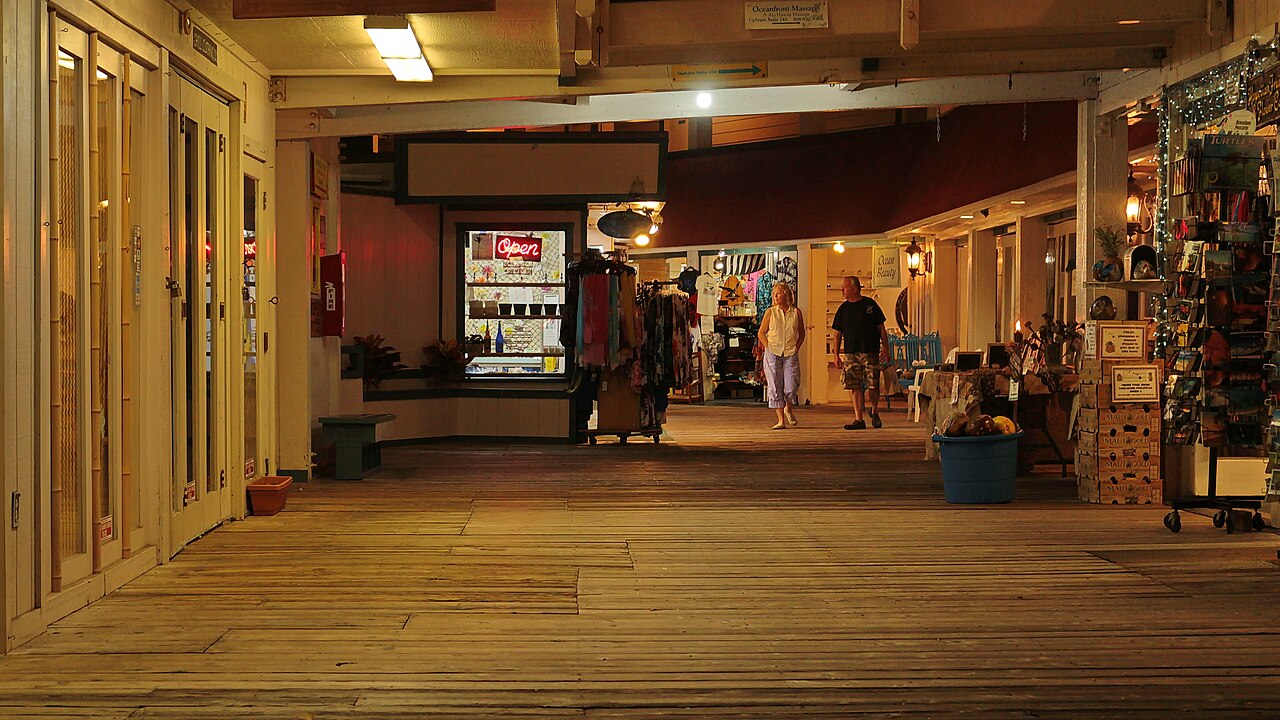
More ways to book Kona
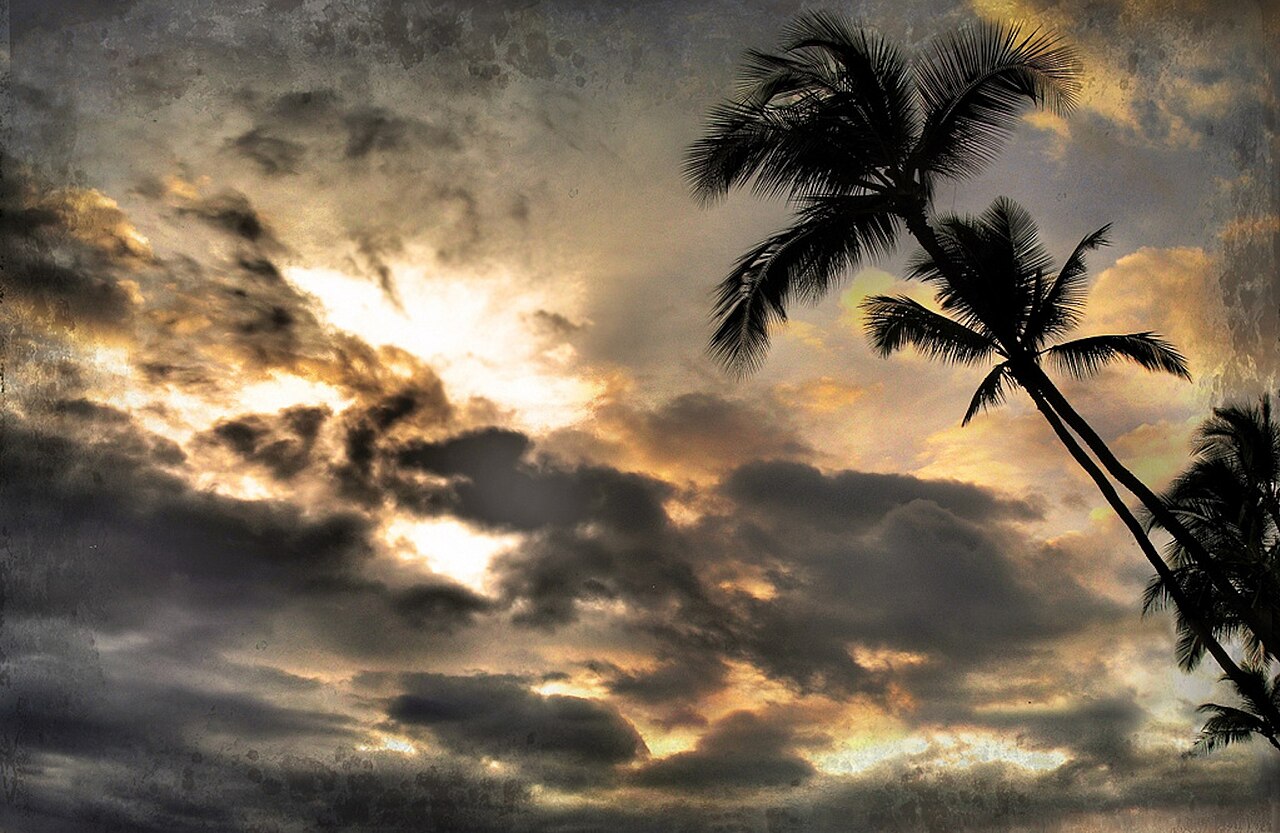 Illustrative · Tom Long from Oak Island, USA
Kona Coffee Farm Tours
One of the classic ways to experience Kona.
Varies (estimate)
Partner link · Viator