
Killington glamping is best approached as a search across the surrounding Vermont mountain towns, not as a promise of a particular resort-style tent village. Depending on current listings, you may find furnished tents, yurts, or compact cabins that combine outdoor surroundings with some indoor comforts. The key is matching the actual amenities, road access, and season to your plans, especially when mountain weather makes a simple overnight stay more complicated.
What Glamping Can Look Like Around Killington
Glamping is a marketing term rather than a standard level of accommodation. Near Killington, search for furnished tents, yurts, and small cabins, then read each description closely. A real bed does not necessarily come with linens, electricity, heat, running water, or a private bathroom. Some stays offer a more complete cabin setup; others remain close to traditional camping despite attractive interior photographs.
Before reserving, ask where the bathroom is, whether drinking water is available, and how meals are prepared. Confirm whether the unit locks, how far you must carry luggage, and whether parking is beside the accommodation. Cell coverage and Wi-Fi should also be verified if you need to work or coordinate travel. Treat amenities as property-specific, not something the word glamping guarantees. For families, check occupancy limits and sleeping arrangements rather than relying on the headline guest count.
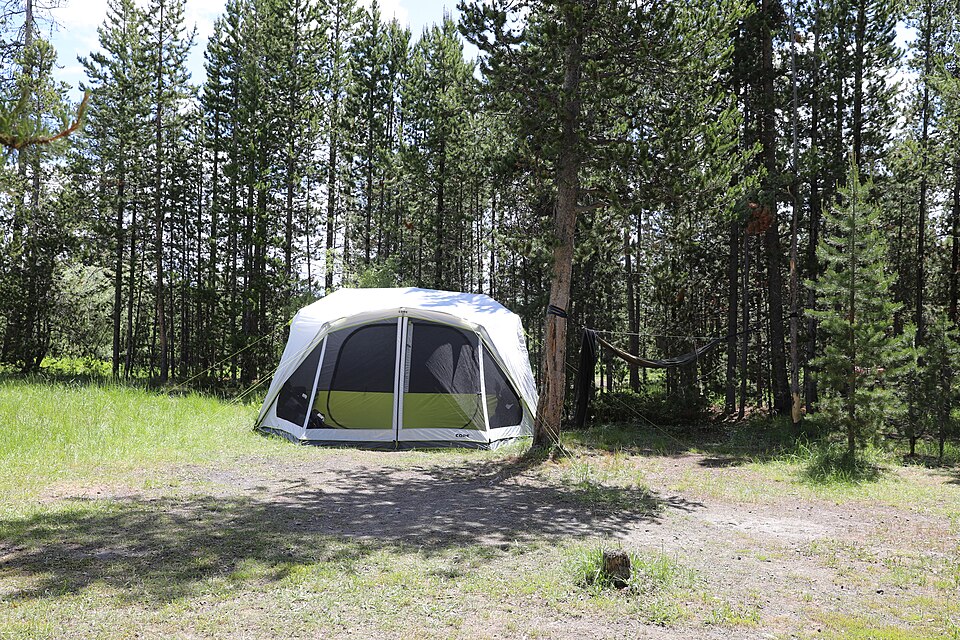
Where to Search: Killington and Surrounding Towns
Start in Killington if being close to the resort and Killington Road services matters most. Then widen your search toward Mendon on the Rutland side, Pittsfield along Route 100, and Bridgewater along US 4 toward Woodstock. These are useful geographic search areas, not a guarantee that each has a particular type of glamping accommodation available for your dates. Compare mapped locations rather than broad regional labels.
A secluded property can be appealing, but its final access road may matter more than its apparent distance from the mountain. Ask whether the road is paved or gravel, whether steep sections are involved, and what access is like during spring thaw or winter weather. Confirm where groceries and meals fit into your route. If you expect early trail starts or ski lessons, weigh the atmosphere of a remote stay against the extra driving it creates.
Choose the Season Around the Shelter
Summer generally makes an unheated furnished tent more practical than spring or late fall, but nights can still feel cool and damp. Ask about ventilation, screens, bedding, and rain protection. In wooded settings, insects are part of the experience, and shoes or clothing left outside can get wet overnight. A covered place to sit or cook can make a meaningful difference during a rainy stretch.
Fall pairs naturally with foliage drives, but comfort depends on the shelter as much as the scenery. Verify whether heat is provided and whether it is appropriate for overnight use under the property’s instructions. Never add your own fuel-burning heater inside a tent. Spring brings mud and variable access, while winter requires an accommodation explicitly equipped and operated for cold-weather stays. Check seasonal opening dates directly and reserve earlier for popular foliage weekends or other high-demand periods.
Glamping Versus Camping and RV Travel
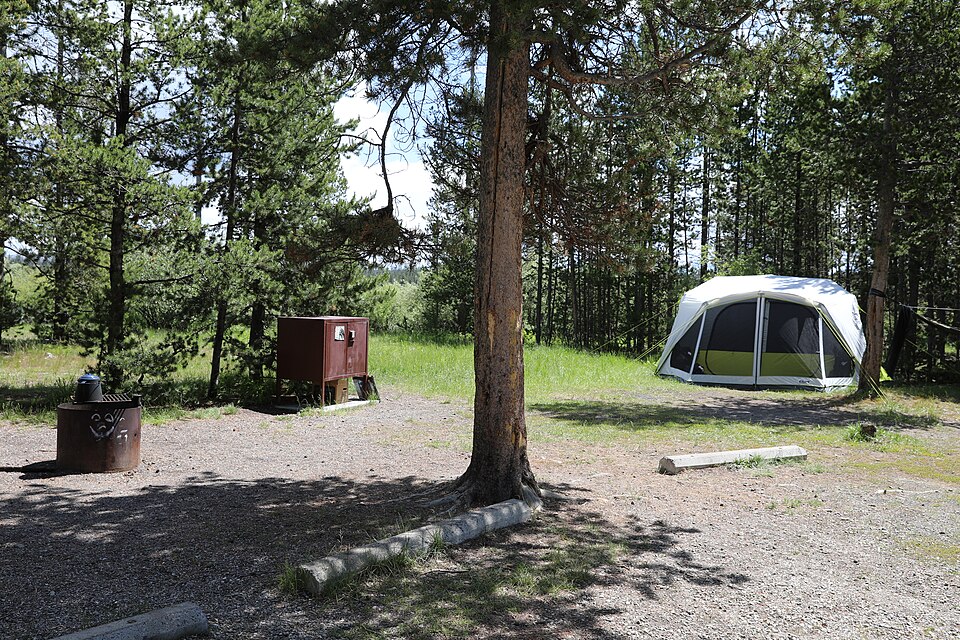
Choose glamping when you want less equipment to pack and are willing to pay for a prepared sleeping space or additional amenities. Traditional camping suits travelers who already have suitable gear and prefer a simpler setup. Gifford Woods State Park is an established nearby camping option, but check the official Vermont State Parks website for current site types, facilities, seasonal dates, and reservations. Do not assume campground shelters have glamping-style furnishings.
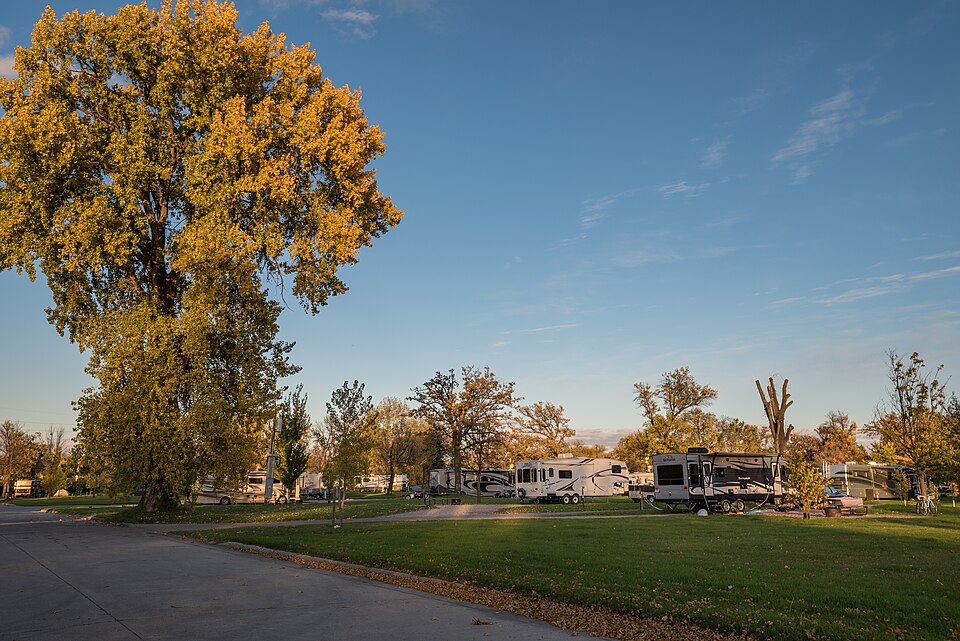
An RV offers a different balance: you bring your living space, but must match the vehicle to available sites and road access. Confirm permitted vehicle length, hookups, waste-disposal arrangements, and generator rules before booking. A furnished tent may still require trips to a shared bathhouse, while an RV may still need regular servicing. Compare the entire experience and transportation costs, not just the overnight listing, and keep all cost estimates provisional until you review current terms.
Booking Checks and an Easy Outdoor Stay
Before paying, review cancellation terms, cleaning requirements, minimum stays, pet rules, and any extra charges. Ask whether linens, towels, cookware, lighting, and firewood are included rather than packing on assumption. Check the property’s fire rules and current local restrictions; a listed fire ring does not mean fires are always allowed. Buy firewood locally where permitted instead of transporting it from far away, which can spread forest pests.
Keep food and scented items stored according to the host’s wildlife guidance, and never leave scraps around your site. Plan a modest first evening so you can find the bathroom, water source, and parking before dark. For nearby outings, check official Vermont State Parks, national forest, or NPS pages as appropriate for current conditions and reservations. A comfortable Killington stay comes from a well-matched shelter and realistic plans, not simply a photogenic tent.