
The best time to visit Killington depends on whether you want green mountain trails, fall color, or snow-covered slopes. Summer and early fall work well for hiking and scenic outings, while winter draws skiers and spring requires more flexibility around mud and lingering snow. For a two- to four-day trip, choose your main activity first, then leave room for mountain weather and changing access.
Spring: Quiet Roads, Muddy Trails, and Lingering Snow
Spring is a transition season in Killington, not a reliable shortcut to summer hiking. Snow can remain high on the mountain after the valleys begin greening up, and thawing trails become vulnerable to damage. Skiing may continue into spring when conditions and operations allow, but lift schedules and available terrain change. Check the resort’s official reports rather than assuming a particular closing date.
For a spring visit, build your plans around lower-elevation outings, village stops, and scenic drives on paved roads. Avoid muddy trails when land managers ask hikers to stay off them; walking around puddles can widen and damage the route. Weekdays outside holiday periods are often quieter. Keep footwear suited to wet ground, bring layers, and confirm lodging and restaurant availability because some properties reduce operations between their winter and summer seasons.
Summer: Hiking, Mountain Biking, and Lake Time
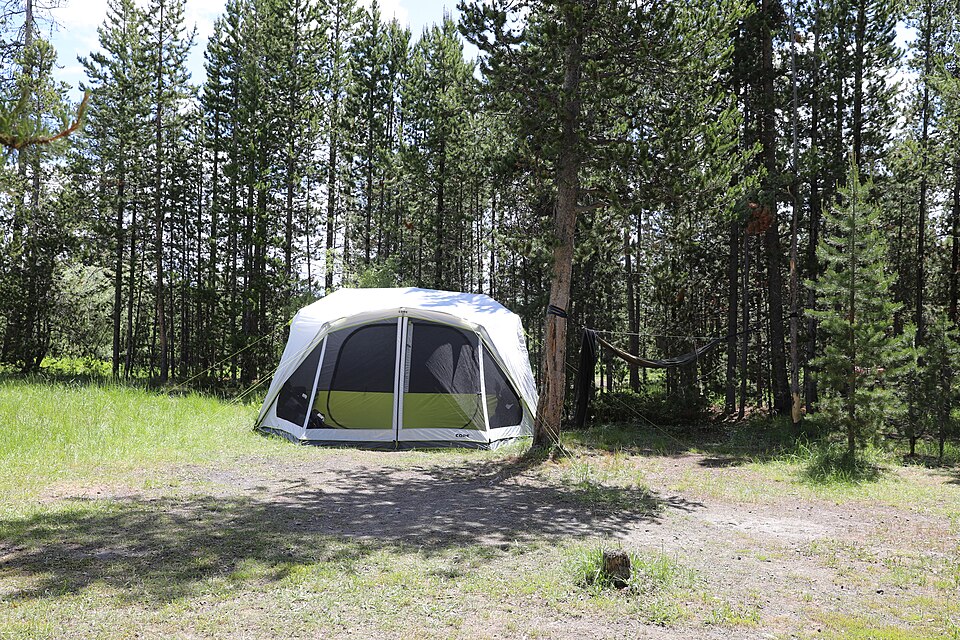
Summer offers the broadest range of snow-free activities around Killington. Hiking routes connect with the Appalachian Trail and Long Trail, while the resort’s mountain bike park attracts riders when its seasonal lifts and trails are operating. Nearby Gifford Woods State Park provides a more accessible forest setting for shorter outings and camping. Kent Pond adds an easy water-focused stop without requiring a summit day.
Mountain weather still deserves room in the schedule. Valleys can feel warm and humid while exposed elevations are cooler, and thunderstorms can interrupt an afternoon plan. Start longer hikes early, carry rain layers, and choose a shorter alternative before leaving your lodging. Summer weekends and event dates bring more demand than ordinary weekdays. Reserve your preferred lodging ahead, especially if you need a family-sized unit, pet-friendly accommodation, or a particular campsite.
Fall: Foliage Drives and Busy Weekends
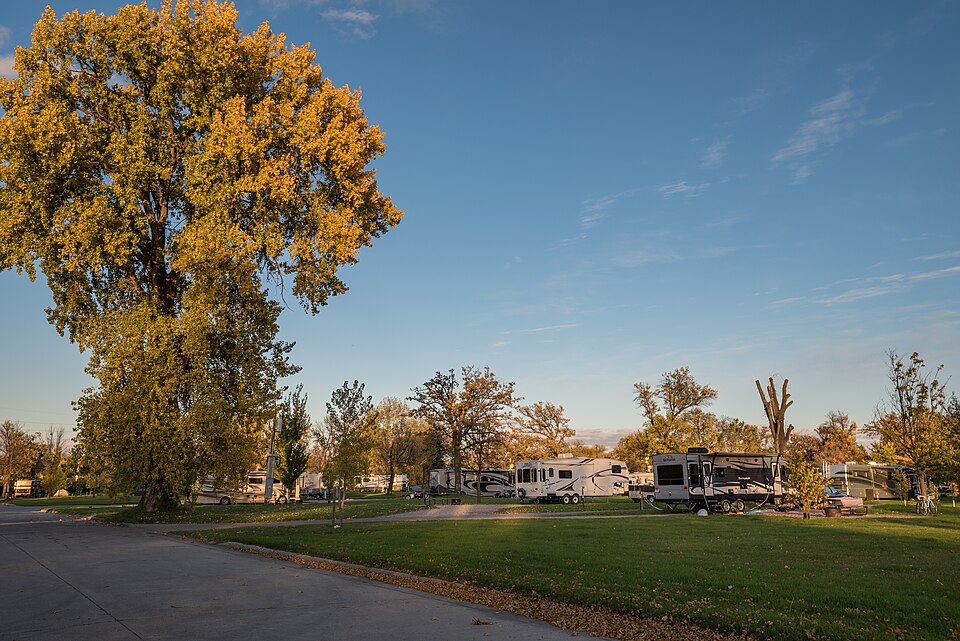
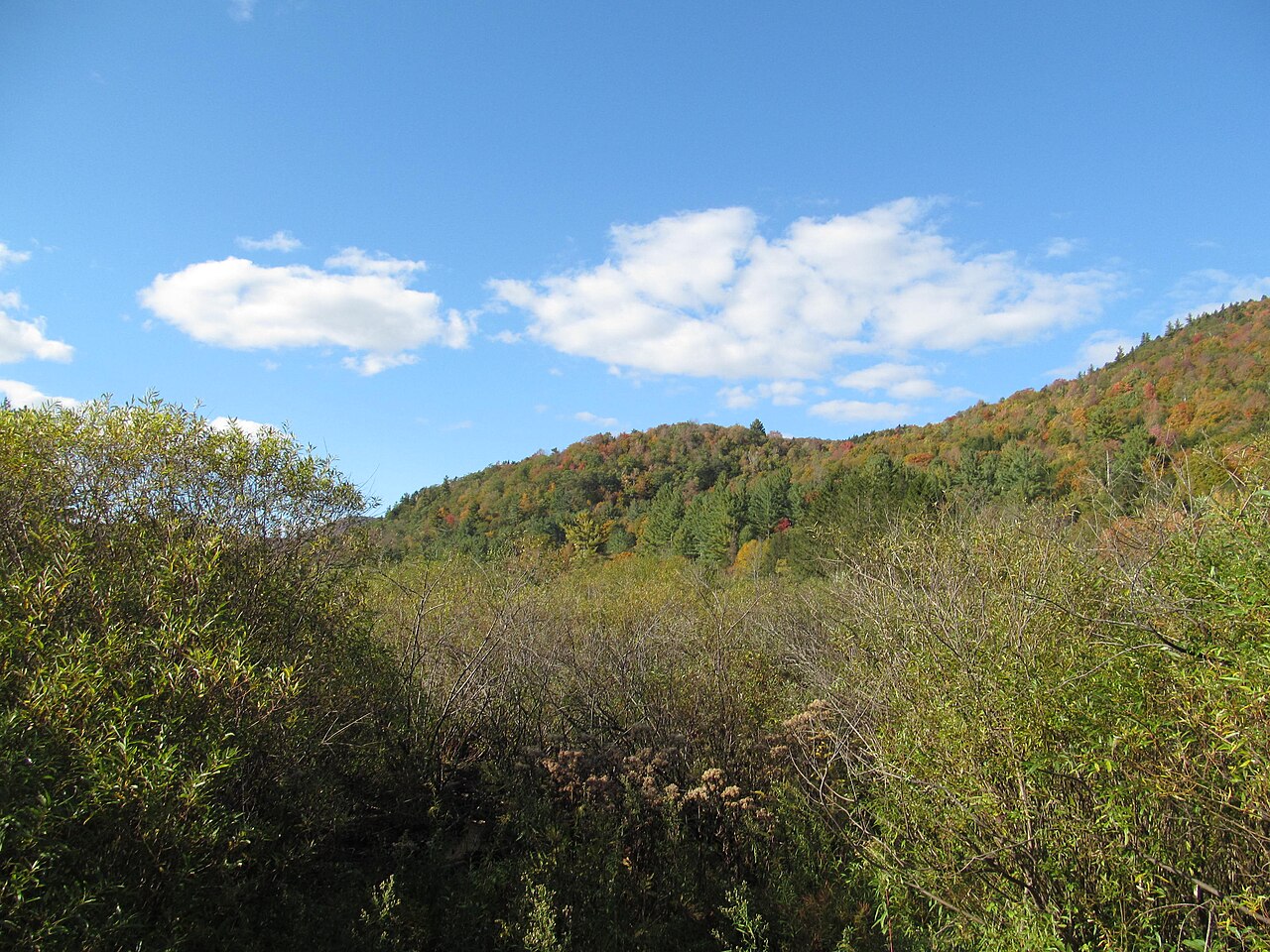
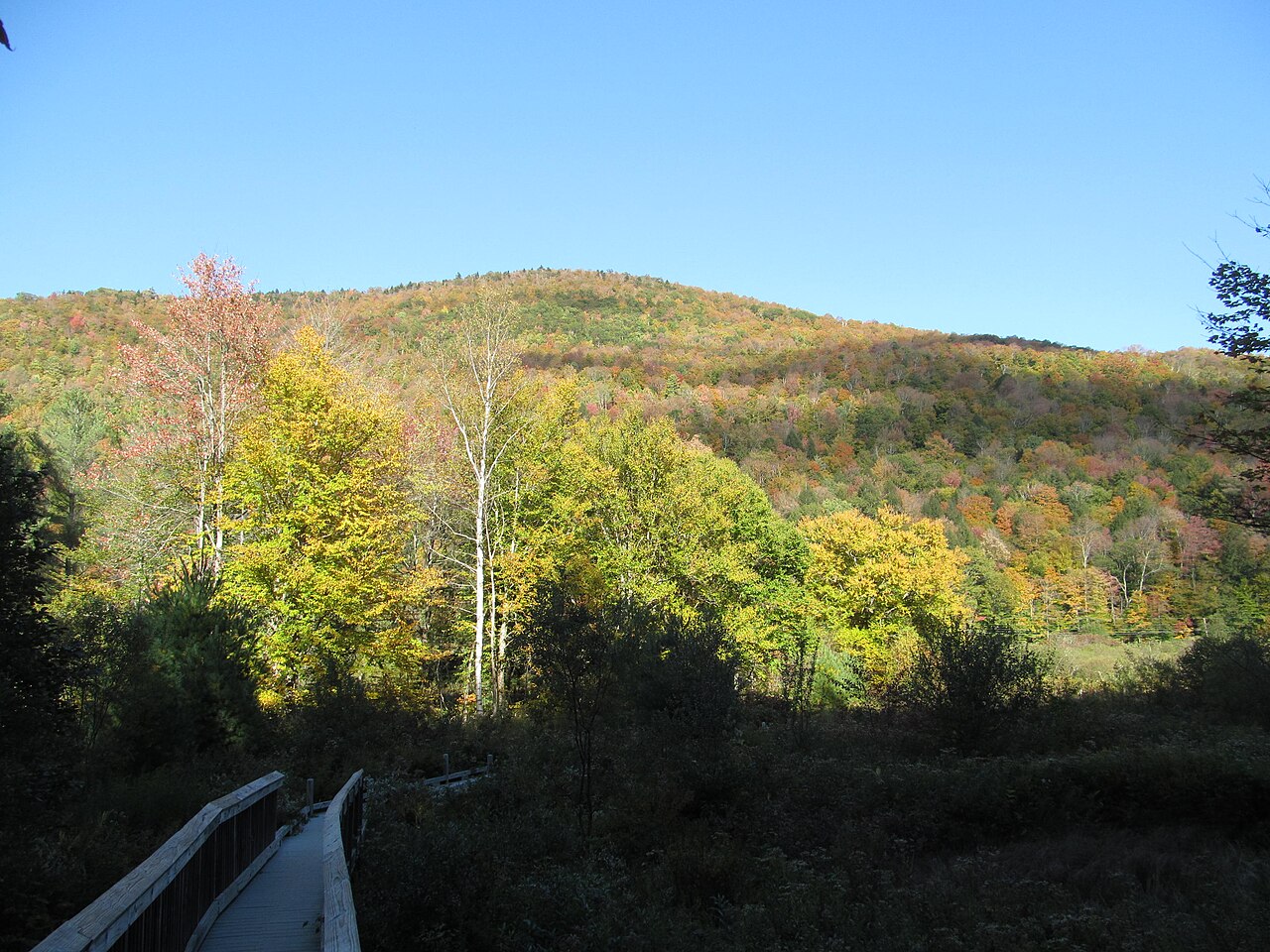
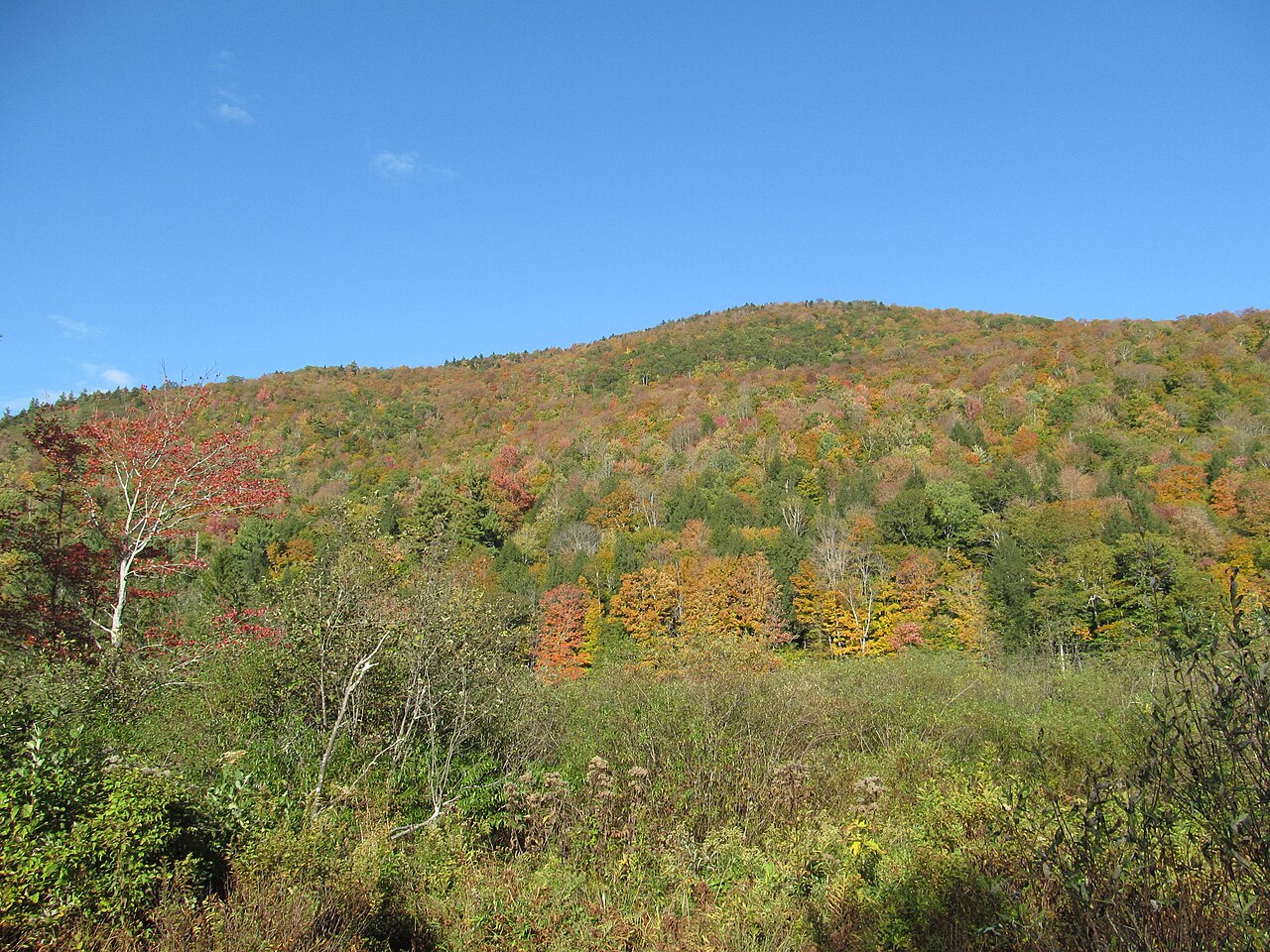
Fall is an especially rewarding time to combine hiking with drives along US 4 and Vermont Route 100. Forested slopes, roadside views, and the contrast between ridgelines and valleys give even a short trip variety. Color timing changes with elevation and each year’s weather, so avoid treating any single weekend as a guaranteed peak. Higher terrain often changes before lower valleys, making a flexible route useful.
Foliage weekends can be among the busiest periods for lodging, restaurants, and popular trailheads. Book as soon as your dates are firm if you have a specific place in mind, and consider Sunday-through-Thursday nights for a less crowded experience. Expect colder mornings and shorter daylight than in summer. Check official park and resort pages for seasonal closures, current conditions, and reservation requirements before planning a lift ride or campground stay.
Lock in a stay for this season
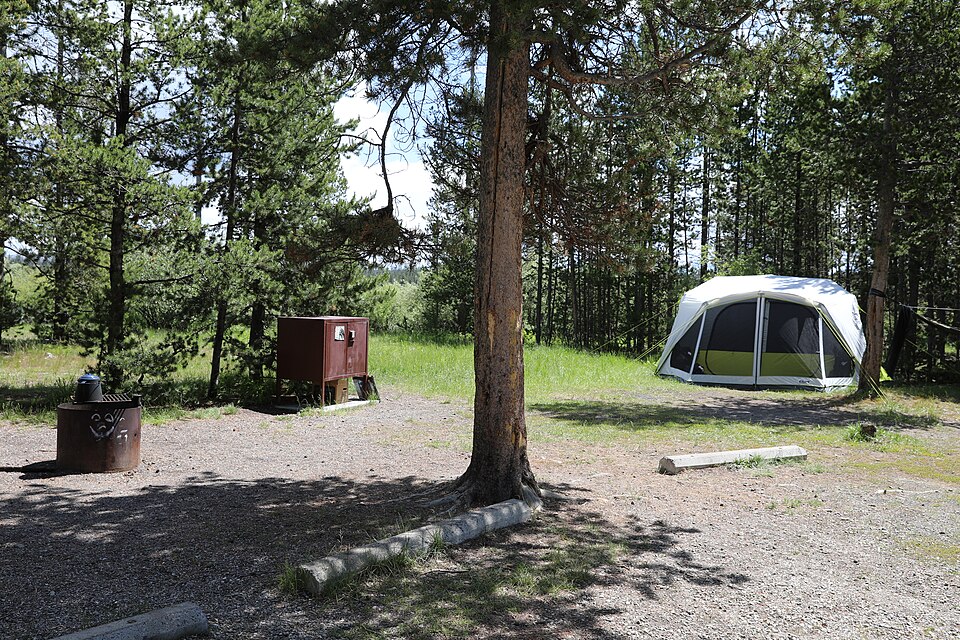
Harvest Hosts stays on the way to Killington
Partner link · Harvest Hosts
Winter: Ski-Focused Days and Cold-Weather Logistics
Although the supplied seasonal picks favor spring through fall, winter is central to Killington’s identity. Killington Resort and nearby Pico Mountain draw downhill skiers and snowboarders, with different terrain and operating patterns. Snow conditions, lift availability, and weather vary throughout the season. Plan around current mountain reports rather than historical expectations, particularly if your trip depends on beginner terrain or a specific lift connection.
Holiday periods and winter weekends generally bring heavier demand. Arrange lodging, lessons, rentals, and lift access ahead when those are essential to your trip. A first-time skier benefits from a lesson and a modest first-day schedule rather than trying to cover the whole mountain. Winter driving can also change your arrival plans, so allow flexibility and check Vermont road conditions. Pack warm layers for time outdoors even if most of your visit centers on indoor relaxation.
Choosing Dates and Making Reservations
For a first visit without skiing, summer is a straightforward choice because it supports hiking, pond outings, and seasonal mountain activities. Choose fall if scenic drives and foliage matter most, accepting busier weekends and less daylight. Spring works for travelers comfortable with a flexible itinerary, limited trail access, and a quieter atmosphere. A two- to four-day stay gives you time to shift a mountain outing around weather.
There is no universal booking deadline. Reserve earlier for foliage weekends, school breaks, major events, and accommodations with limited inventory, such as cabins or furnished tents. Before paying, check cancellation terms and whether your preferred activities will operate during your dates. Use the official Vermont State Parks website for park conditions and camping reservations, the resort website for mountain operations, and the relevant trail manager’s notices for hiking closures. Recheck conditions shortly before departure.
More ways to book Killington
 Illustrative · Dougtone
Killington Bike Park Mountain Biking
One of the classic ways to experience Killington.
Varies (estimate)
Partner link · Viator