
Kiawah Island is synonymous with luxury and nature, making it the perfect backdrop for the growing trend of glamping. While the island itself is primarily comprised of private residences and high-end resorts, the surrounding Lowcountry areas like Johns Island, Wadmalaw Island, and James Island offer unique opportunities to experience the outdoors without sacrificing comfort. Glamping here means falling asleep to the sound of owls in the oaks and waking up to the smell of the salt marsh.
The Lowcountry Glamping Experience
Glamping near Kiawah Island is vastly different from traditional camping. Instead of pitching a tent on the hard ground, you might find yourself in a spacious safari-style canvas tent elevated on a wooden platform, complete with a real mattress, high-quality linens, and often, air conditioning to combat the Southern humidity. The aesthetic usually leans into the 'Coastal Chic' or 'Rustic Farmhouse' style, blending seamlessly with the surrounding live oaks and Spanish moss.
Many sites are located on working farms or quiet marshfront properties on nearby Johns Island, providing an authentic taste of rural South Carolina life just minutes from the Kiawah gates. This style of accommodation allows you to stay immersed in the environmentâlistening to the wind through the palmettos and watching the firefliesâwhile still having access to a private shower and a morning coffee station. It is an ideal middle ground for those who love the idea of nature but prefer a good night's sleep and modern amenities.
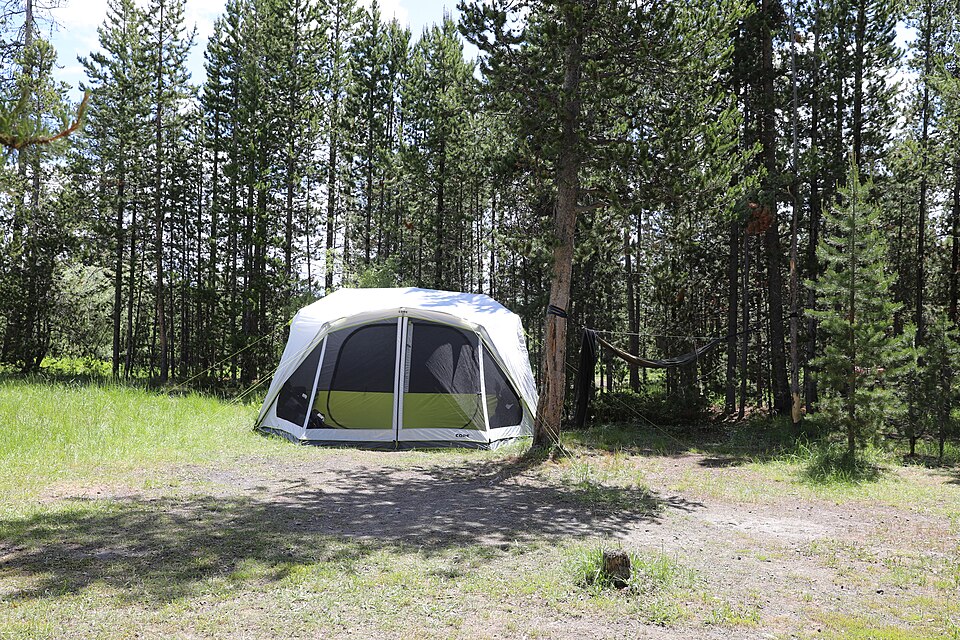
Where to Find Luxury Outdoor Stays
Because Kiawah is a strictly regulated private island, you won't find traditional campgrounds or glamping sites within the main gates. However, the gateway city of Johns Island is becoming a hub for unique outdoor stays. Located just a 15-to-20-minute drive from Kiawah's beaches, Johns Island offers a more rugged, agricultural landscape. Here, you can find vintage Airstreams tucked away in private wooded lots or luxury bell tents situated near tidal creeks.
Another option is to look toward James Island, which is closer to Charleston but still offers a coastal feel with proximity to the Folly Beach area. These locations provide the perfect basecamp: you can spend your days exploring the pristine beaches and trails of Kiawah and your nights roasting marshmallows over a curated fire pit in a more secluded, rural setting. When searching for these stays, look for properties that emphasize 'Lowcountry heritage' or 'marshfront retreats' to ensure you get the full regional experience.
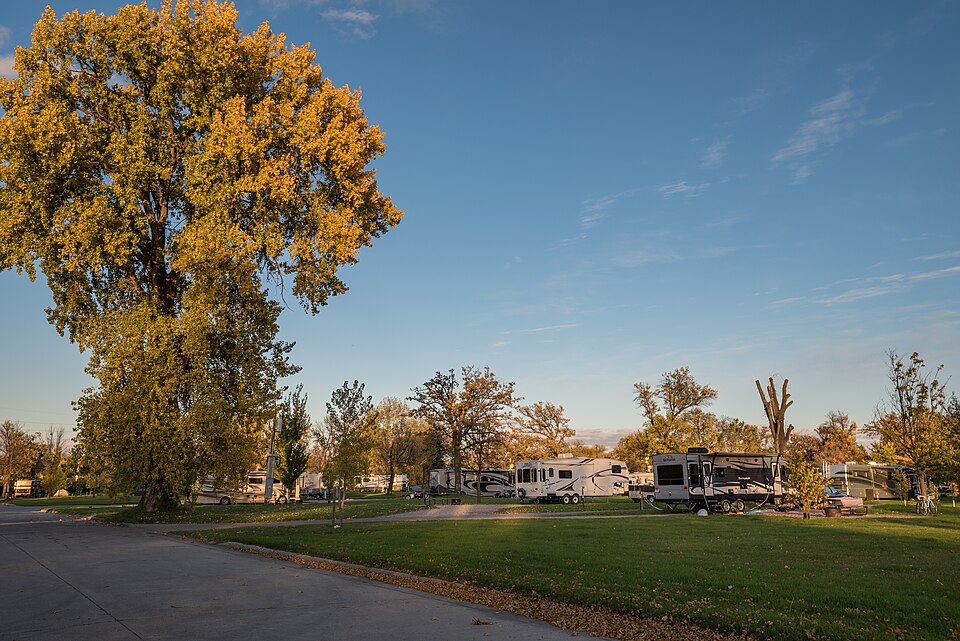
Glamping vs. Traditional Camping and RVs
In the Kiawah area, the choice between glamping, traditional camping, and RVing often comes down to the level of immersion and convenience you desire. Traditional camping is limited in this region; the closest public campgrounds are typically found at state parks like James Island County Park or Edisto Beach State Park. These spots offer a more rugged experience and require you to bring all your own gear.
RVing is a popular way to see the Lowcountry, but large rigs may find the narrow, oak-lined roads of the islands a bit challenging to navigate. Glamping removes the logistical hurdles of hauling gear or driving a large vehicle. It provides a 'turn-key' outdoor experience where the focus is on relaxation rather than setup. For travelers who are flying into Charleston International Airport, glamping is particularly convenient as it eliminates the need to pack sleeping bags or stoves, allowing you to enjoy the best of the South Carolina coast with just a suitcase.
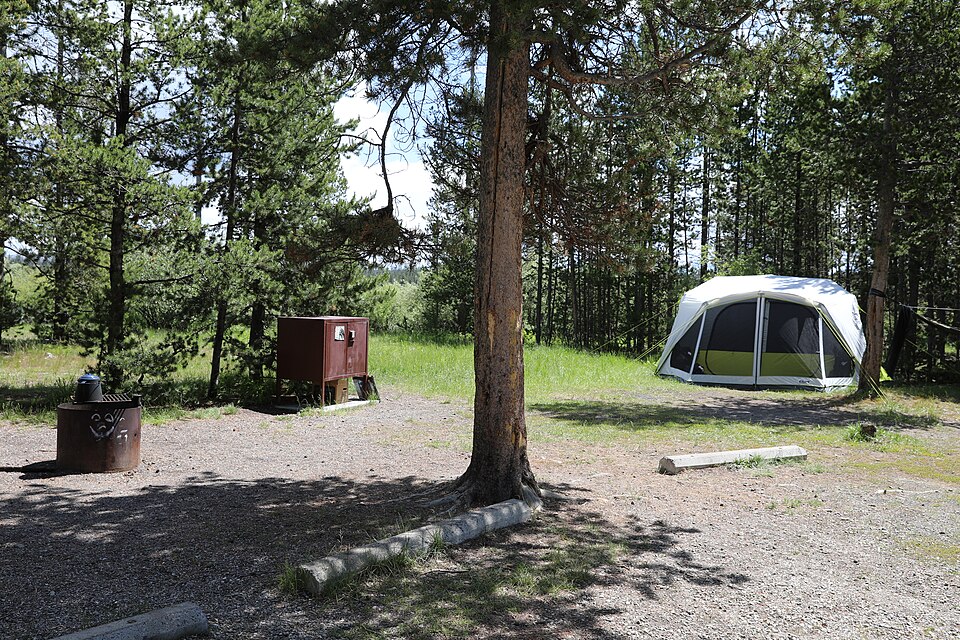
Best Seasons for a Coastal Canvas Stay
Timing is everything when it comes to glamping in the Lowcountry. The ideal windows are the spring (April to June) and the fall (September to October). During these months, the temperatures are mild enough to enjoy the outdoor elements of your site, such as screened-in porches or outdoor showers, without being overwhelmed by the heat. The spring brings the beauty of blooming jasmine and wisteria, which can make a glamping site feel incredibly romantic and fragrant.
If you choose to glamp in the summer, ensure your accommodation offers robust climate control, as the nighttime temperatures rarely drop below 75 degrees and the humidity can be intense. Conversely, winter glamping can be quite cozy, especially if your site features a wood-burning stove or heavy down comforters. Just be prepared for crisp mornings where the marsh mist clings to the trees. Regardless of the season, booking early is vital, as these unique, high-end outdoor stays are limited in number and highly sought after by visitors looking for an alternative to standard hotels.
What to Pack for Your Glamping Adventure
Even though your glamping site will provide the essentials, a few specific items will enhance your stay near Kiawah. Insect repellent is a must, as the salt marshes are home to 'no-see-ums' and mosquitoes, especially at dusk. A good pair of slip-on shoes is helpful for moving between your tent and the outdoor seating areas, and a powerful flashlight or headlamp is useful for navigating the darker, more natural paths of a rural property at night.
Since you'll likely be spending your days on Kiawah Island, bring a dedicated beach bag with quick-dry towels and a reusable water bottle. While many glamping sites offer basic kitchenettes, consider bringing a small cooler for drinks and snacks to enjoy by the fire. Most importantly, bring a sense of adventure and a willingness to unplug. The beauty of glamping in the Lowcountry is the ability to disconnect from the digital world and reconnect with the sights and sounds of the coastal wilderness. Always check with your specific host for a list of provided amenities to avoid overpacking.