
Choosing the right season for your Kiawah Island adventure is the key to unlocking the true magic of the South Carolina Lowcountry. This barrier island is a delicate ecosystem where the weather dictates the behavior of the local wildlife and the rhythm of the tides. While the island offers beauty year-round, the transition seasons of spring and autumn provide the most comfortable temperatures for outdoor exploration. Planning ahead is essential, as this private community maintains strict access and high demand during peak months.
Springtime Blooms and Mild Temperatures
Spring, specifically from April through June, is widely considered the best time to visit Kiawah Island. During these months, the maritime forest awakens with vibrant greenery and the iconic Southern azaleas burst into bloom. Daytime temperatures typically hover in the comfortable 70s and low 80s, making it the perfect climate for long bike rides along the 30 miles of paved trails or kayaking through the salt marshes.
The humidity remains manageable compared to the sweltering summer months, and the ocean begins to warm up enough for those who enjoy wading or light swimming. Birdwatchers will find this season particularly rewarding, as migratory species pass through the island's ponds and thickets. Because this is a premier time for visitors, it is wise to secure your vehicle passes and lodging several months in advance to ensure entry to this gated community.
The Warmth of a Lowcountry Summer
Summer on Kiawah Island is characterized by high heat, significant humidity, and the classic energy of a seaside vacation. From late June through August, temperatures frequently soar into the 90s, and afternoon thunderstorms are a common occurrence, providing a brief but dramatic reprieve from the sun. This is the peak season for families, as the Atlantic waters are at their warmest, perfect for bodyboarding, surfing, or simply lounging on the ten miles of pristine white sand.
Wildlife enthusiasts can witness loggerhead sea turtle nesting season during the summer nights, though it is vital to follow all local ordinances regarding light pollution to protect the hatchlings. While the crowds are at their largest during this window, the island's expansive layout prevents it from feeling overly congested. Expect higher costs for accommodations and be sure to book dining reservations well before your arrival date.
Autumn's Golden Light and Quiet Beaches
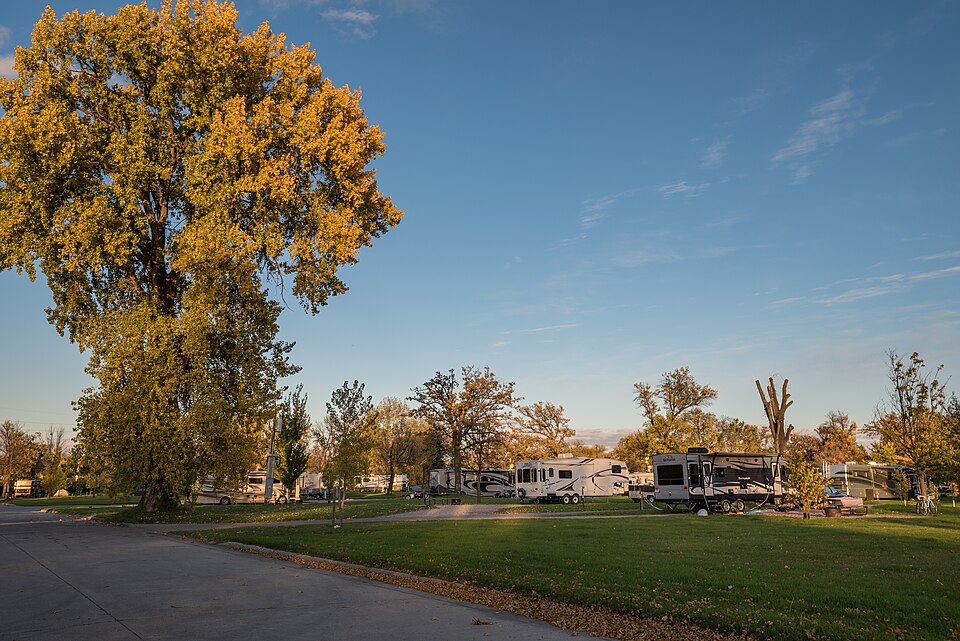
September and October represent a second "sweet spot" for travelers seeking a quieter, more temperate experience. As the summer heat fades, the Lowcountry air becomes crisp and clear, offering stunning golden hour lighting that is a dream for photographers. The Atlantic remains warm enough for swimming well into September, but the departure of the summer crowds means you can often find long stretches of beach entirely to yourself.
This is also one of the best times for fishing and crabbing in the Kiawah River, as the water temperature begins to shift. Hurricane season does peak during this time, so it is important to monitor weather forecasts and check the official local government sites for any travel advisories. The reduced humidity makes outdoor dining a delight, and the local marshes begin to turn a beautiful golden hue, signaling the transition into the cooler months.
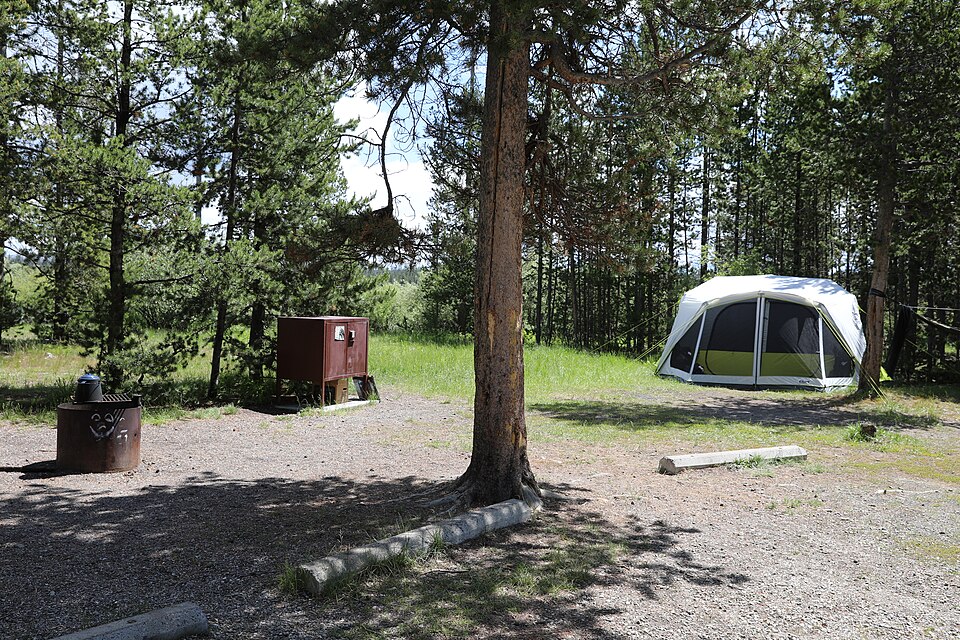
Lock in a stay for this season
Harvest Hosts stays on the way to Kiawah Island
Partner link · Harvest Hosts
Winter Serenity and Birding
Winter on Kiawah Island, from December through February, is the island's quietest chapter. While temperatures can drop into the 40s at night, daytime highs often reach the 60s, providing a pleasant environment for active pursuits like tennis or hiking. You won't find many people in the water, but the beaches are spectacular for long, reflective walks and shelling.
This is the most budget-friendly time to visit, with lower rates for luxury rentals and easier access to popular amenities. Birdwatching is exceptional in the winter, as various waterfowl congregate in the island's freshwater ponds. The lack of foliage on some deciduous trees makes it easier to spot bobcats and deer moving through the maritime forest. If you prefer solitude and crisp sea air over sunbathing, the winter months offer a unique perspective on the island's natural landscape without the typical tourist bustle.
Navigating Crowds and Reservations
Kiawah Island is a private community with controlled access, which helps manage crowd sizes even during the busiest times of the year. However, if you are visiting during the spring break weeks or the July 4th holiday, you must be prepared for increased traffic at the main gate and higher demand for bike rentals. To ensure a seamless trip, check the official Kiawah Island and Charleston area tourism sites for event calendars, as major sporting events or festivals can impact availability.
Reservations for nearly everythingâfrom tee times and nature tours to dinner tablesâshould be made weeks, if not months, in advance for summer and spring visits. If you are looking for a more spontaneous trip, targeting the "shoulder" weeks in early May or late October can offer the best balance of great weather and lower demand. Regardless of when you go, always verify current beach access rules and gate procedures to ensure your entry is guaranteed.
More ways to book Kiawah Island
 Illustrative · Cliff N
Cycling the Hard-Packed Sand
One of the classic ways to experience Kiawah Island.
Varies (estimate)
Partner link · Viator