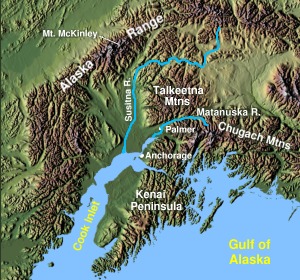
Kenai Peninsula glamping is less about one standard accommodation style and more about finding a comfortable base close to water, forest, or mountain views. Depending on the property, that might mean a furnished tent, a yurt, or a small cabin with simple amenities. For a three-to-five-day visit, focus first on location, reliable shelter, and the facilities you actually need, then compare the outdoor atmosphere each stay offers.
What Glamping Looks Like on the Peninsula
The word glamping can cover very different stays in Alaska. A furnished tent may provide a real bed but use a shared bathhouse, while a cabin may offer heat and a kitchenette without indoor plumbing. A yurt can feel spacious and sheltered, yet still require carrying water or walking outside to a toilet. Read the amenity list rather than relying on photographs.
Ask whether bedding, towels, heat, electricity, drinking water, and cooking equipment are included. Confirm whether the bathroom is private, shared, or an outhouse, and whether showers are available on site. These distinctions matter during a string of wet days or when traveling with children.
Also check access. A lodging listing associated with Homer could be across Kachemak Bay rather than reachable by car. Boat transportation, luggage limits, and meal arrangements can change the entire trip. Treat remote stays as their own experience, not simply a substitute for a roadside room.
Seward and Moose Pass: Fjords and Forest Bases
Seward is the most convenient town base for boat trips into Resurrection Bay and toward Kenai Fjords National Park. Staying nearby makes early check-ins easier and gives you access to groceries, restaurants, and indoor alternatives. Look for outdoor-style lodging in the broader Seward area, then verify the actual drive to the harbor and the road toward Exit Glacier.
Moose Pass, along the Seward Highway north of Seward, offers a smaller-community setting surrounded by mountain and lake country. It can suit travelers who prefer a quieter base, but every Seward activity adds driving. Do not assume an accommodation described as near Seward sits close enough for a casual walk into town.
For either area, prioritize heating, a place to dry wet clothing, and clear parking arrangements. Train and highway noise can also affect the atmosphere, depending on the site. Ask about the setting directly if quiet evenings are an important reason for choosing glamping.
Cooper Landing, Soldotna, and Homer: Pick Your Landscape
Cooper Landing works well for a forest-and-river stay near Kenai Lake and the upper Kenai River. It is a useful intermediate base between Seward and the western peninsula, especially if hiking or a guided river outing matters more than being beside the ocean. Expect demand to reflect both general summer travel and fishing activity.
Soldotna offers practical access to groceries and other services, making nearby cabins or outdoor-style lodging useful for travelers who prefer a less remote setup. Check how close a riverside listing actually is to public access, and remember that staying near the water does not automatically include fishing rights or equipment.
Homer and the surrounding road-accessible area suit travelers focused on Kachemak Bay views, beaches, and harbor departures. Across-bay lodging can offer a more secluded experience, but transport and food need advance planning. Choose one setting deliberately rather than assuming all peninsula glamping bases serve the same activities.
Season, Weather, and Reservations
Summer generally offers the widest choice of outdoor-style accommodations and supporting activities. Long daylight is wonderful for evening walks, but a tent or lightly curtained cabin may stay bright late into the night. An eye mask can help, and families may want to ask about window coverings before booking.
Rain and coastal wind make shelter quality more important than decorative extras. Look for a covered place to sit, a reliable heating option, and somewhere to keep muddy footwear. Ask how the property handles cold spells and whether its water and bathroom facilities remain available throughout your dates. Some accommodations operate only seasonally.
Book several months ahead when summer dates are fixed, particularly for small properties or larger family units. Read cancellation rules carefully, including any separate transportation policies for remote stays. Check official NPS or Alaska State Parks pages for current conditions and reservations tied to the outings you plan around your lodging.
Glamping vs. Camping vs. an RV
Glamping works well when you want outdoor atmosphere without carrying a full sleeping setup. It usually costs more than a basic campsite, although comparisons depend on amenities, location, and season. Any budget should use rough estimates and include taxes, cleaning charges, transportation, and meals rather than comparing nightly rates alone.
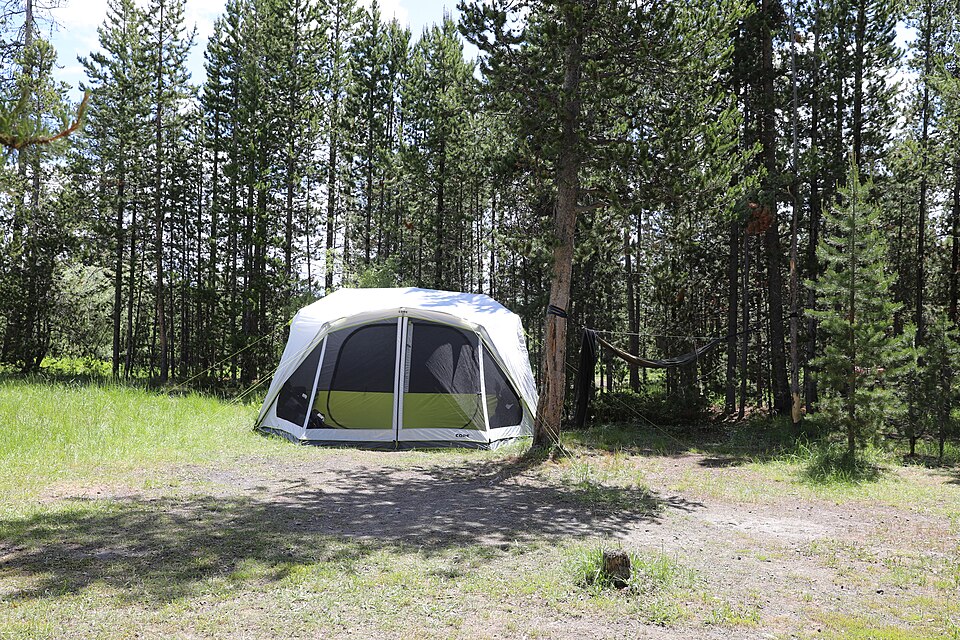
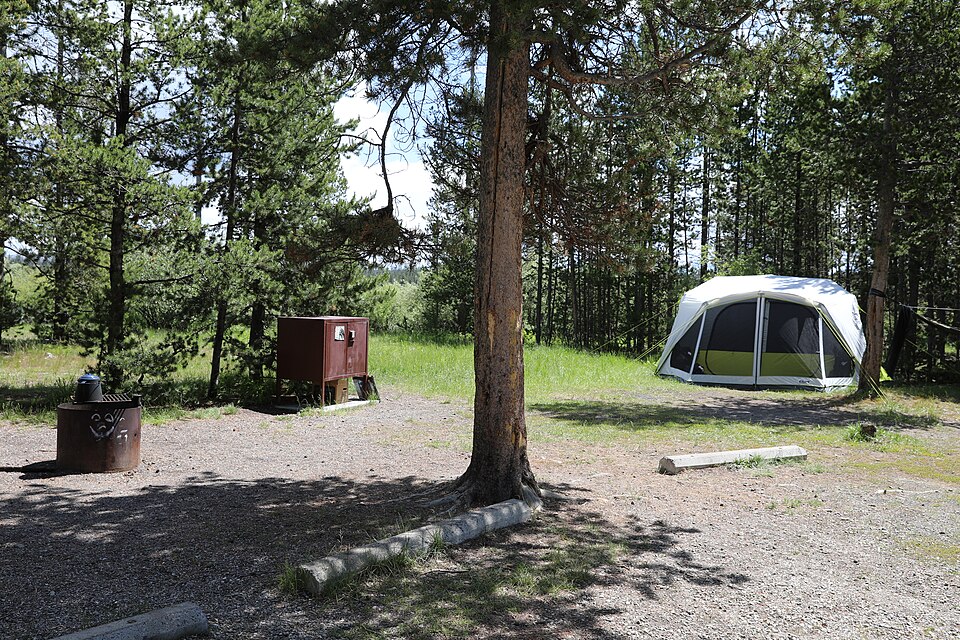
Tent camping gives you more control over gear and campsite style, but wet weather requires preparation and a workable food-storage plan. Follow the campground's bear-aware storage rules; food should not be kept in a sleeping tent. Public-use cabins can be rustic shelters rather than furnished glamping, so check exactly what you must bring.
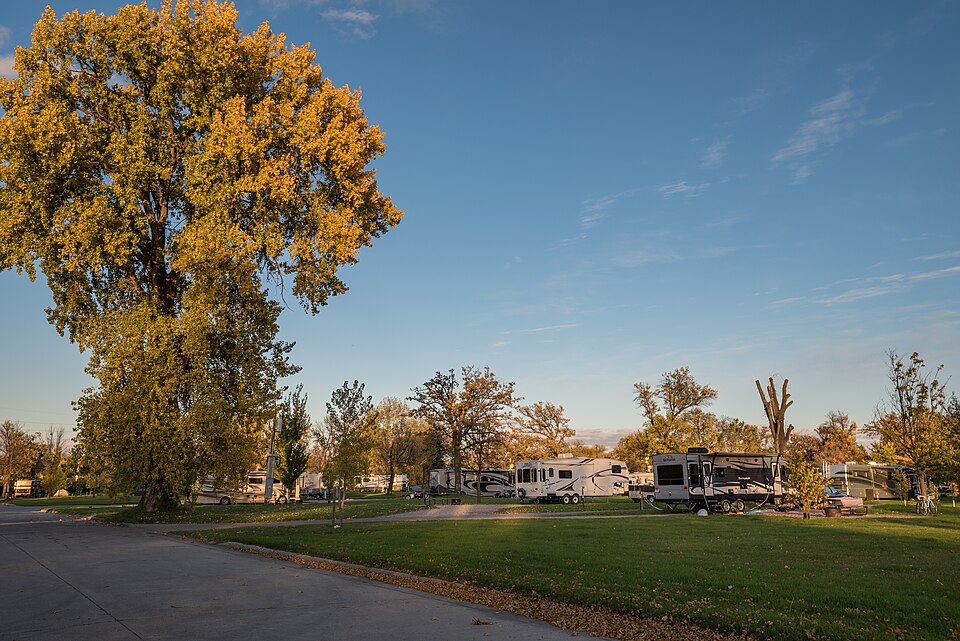
An RV combines transport and shelter, but introduces rental costs, fuel use, parking limits, and decisions about hookups and dump stations. It does not guarantee waterfront space or last-minute availability. For three to five days, choose the option that simplifies your route, and confirm campground or accommodation reservations before departure.