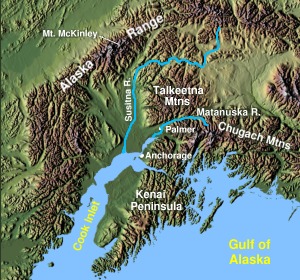
The best time to visit Kenai Peninsula depends on whether you want boat trips from Seward, fishing along the Kenai River, or quiet days overlooking Kachemak Bay. Summer offers the broadest access and longest daylight, while spring and fall trade some services for fewer visitors. Plan three to five days around one or two bases rather than trying to cover every coastal town on a single trip.
Summer: The Broadest Choice of Outdoor Experiences
June through August is the most straightforward window for a first visit. Seasonal lodging, sightseeing boats, and guided activities generally have their fullest schedules, and long daylight makes it easier to combine a scenic drive with an evening beach walk. Seward is a useful base for Kenai Fjords National Park, while Homer puts you beside Kachemak Bay.
Summer does not guarantee dry or warm weather. Coastal wind and rain can make a boat deck feel much colder than a sheltered street, so bring waterproof layers, a warm midlayer, and footwear suited to wet ground. Higher trails can retain snow after lower routes have opened.
This is also the busiest period. Reserve lodging and priority boat trips before building the rest of your schedule, especially for weekends and holidays. Leave room to adjust hikes around rain, trail conditions, and your group's energy.
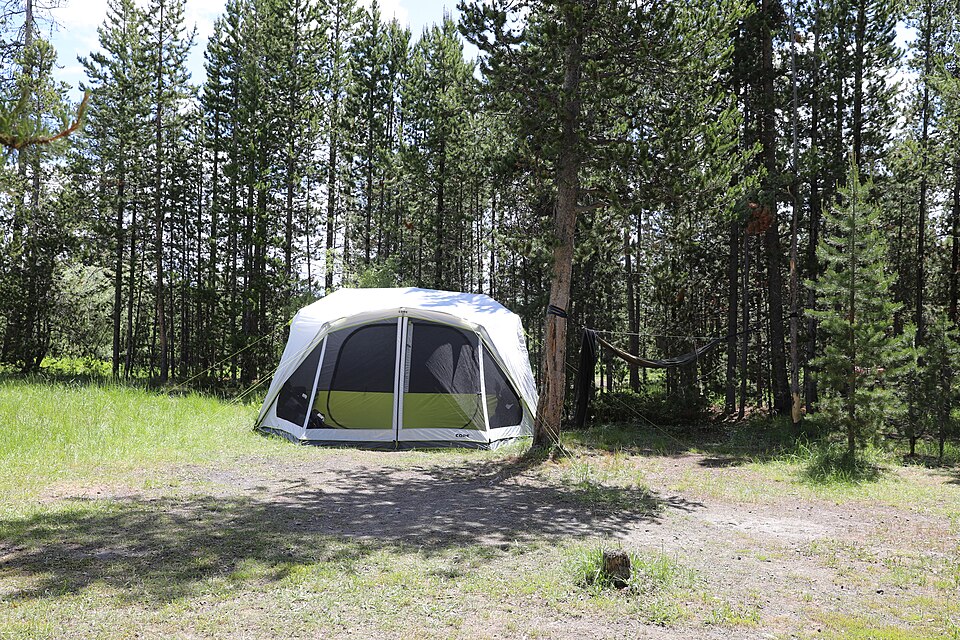
Lock in a stay for this season
RV parks near Kenai Peninsula on RoverPass
Partner link · RoverPass
Spring: Longer Days, Uneven Access
April and May bring increasing daylight, returning birds, and a gradual shift out of winter. Lower coastal areas may feel springlike while mountain trails remain snowy or muddy. This makes spring a better fit for flexible road trips, town-based stays, and shoreline watching than for a schedule centered on high-elevation hiking.
Around Homer, Kachemak Bay is known for spring bird migration. Bring binoculars and spend time at accessible viewing areas rather than expecting wildlife to appear on command. Around Seward, check whether your preferred cruise and lodging options have begun operating for the season.
Road and trail access can change substantially during the spring transition. The road toward Exit Glacier is seasonal, and an open road does not mean every trail is clear. Check the official Kenai Fjords National Park site and relevant land-manager updates before setting out. Keep a lower-elevation alternative for each outdoor day.
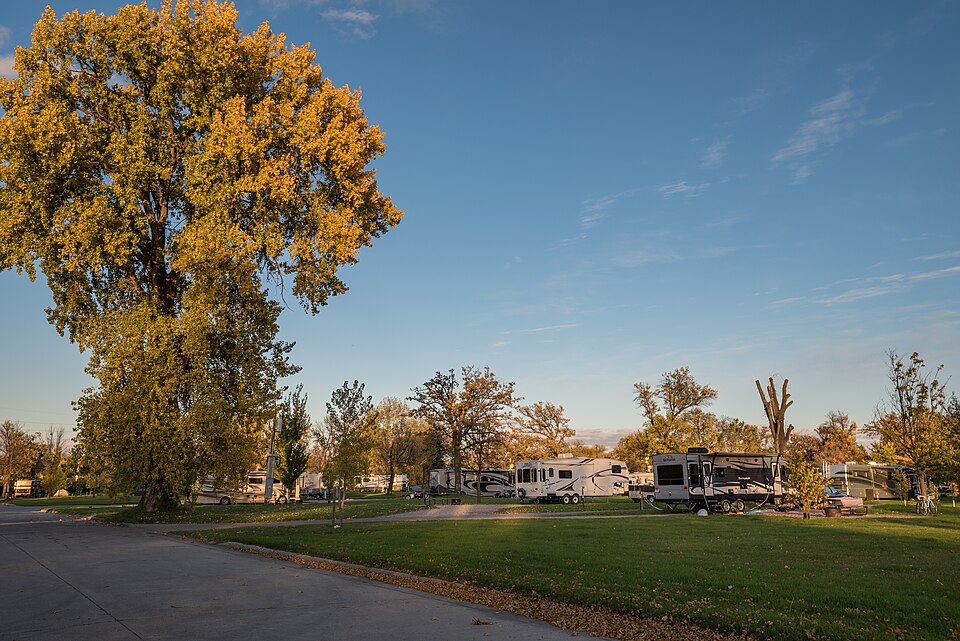
Lock in a stay for this season
Campsites near Kenai Peninsula on Campspot
Partner link · Campspot
Fall: Quieter Roads and Shortening Days
September can suit travelers who value quieter towns and fall color more than a full menu of daily departures. Birch and other deciduous vegetation brighten parts of the peninsula, and cooler mornings make a warm cabin especially appealing. Early fall is still a transitional period, however, not a dependable extension of summer.
Boat schedules, restaurants, and seasonal lodging begin winding down at different times. Verify each essential reservation rather than assuming a service will operate throughout the month. Rain, wind, and early mountain snow can limit hiking plans, while shorter daylight reduces the margin for long drives followed by outdoor activities.
For a relaxed fall trip, choose Seward or Homer as your main base and use clear windows for viewpoints and short hikes. Keep indoor time and town walks available for unsettled days. By October, plan for substantially more limited visitor services and possible wintry conditions.
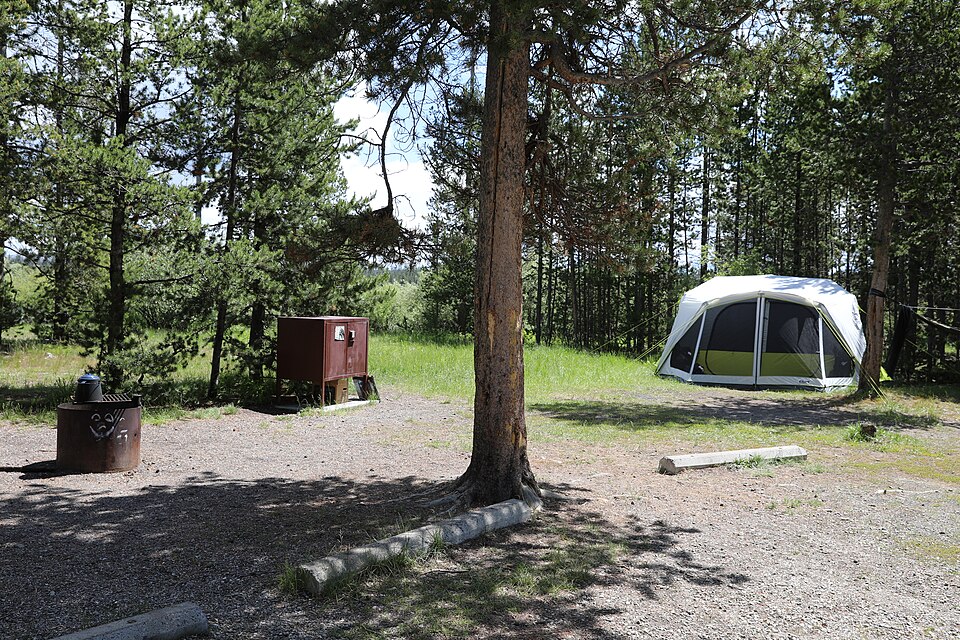
Lock in a stay for this season
Harvest Hosts stays on the way to Kenai Peninsula
Partner link · Harvest Hosts
Winter: A Different Kind of Peninsula Trip
Winter shifts the focus from sightseeing cruises and alpine trails to snowy landscapes, local recreation, and slow stays in communities with year-round services. Seward, Soldotna, Kenai, and Homer remain communities rather than seasonal attractions, but individual accommodations and activities may close or reduce operations. Confirm arrangements directly before committing to a route.
Daylight is short, and road conditions can add considerable uncertainty. Build shorter driving days, avoid a tightly timed loop between distant bases, and check Alaska's official road-condition information before departure. Winter tires, rental terms, and experience driving on snow deserve attention during planning.
Cross-country skiing and snowshoeing may be options where local conditions and managed trails support them. Mountain terrain introduces avalanche concerns, so do not treat summer hiking routes as automatic winter outings. The Exit Glacier road is not a normal winter driving approach; check the official NPS site for current access guidance.
When to Book and How to Choose Your Dates
For a summer visit, start researching several months ahead, particularly if your dates are fixed or you need a family-sized cabin. Small properties and specific boat departures can fill before an entire town appears busy. Book the experiences you would most regret missing, then leave less important stops flexible.
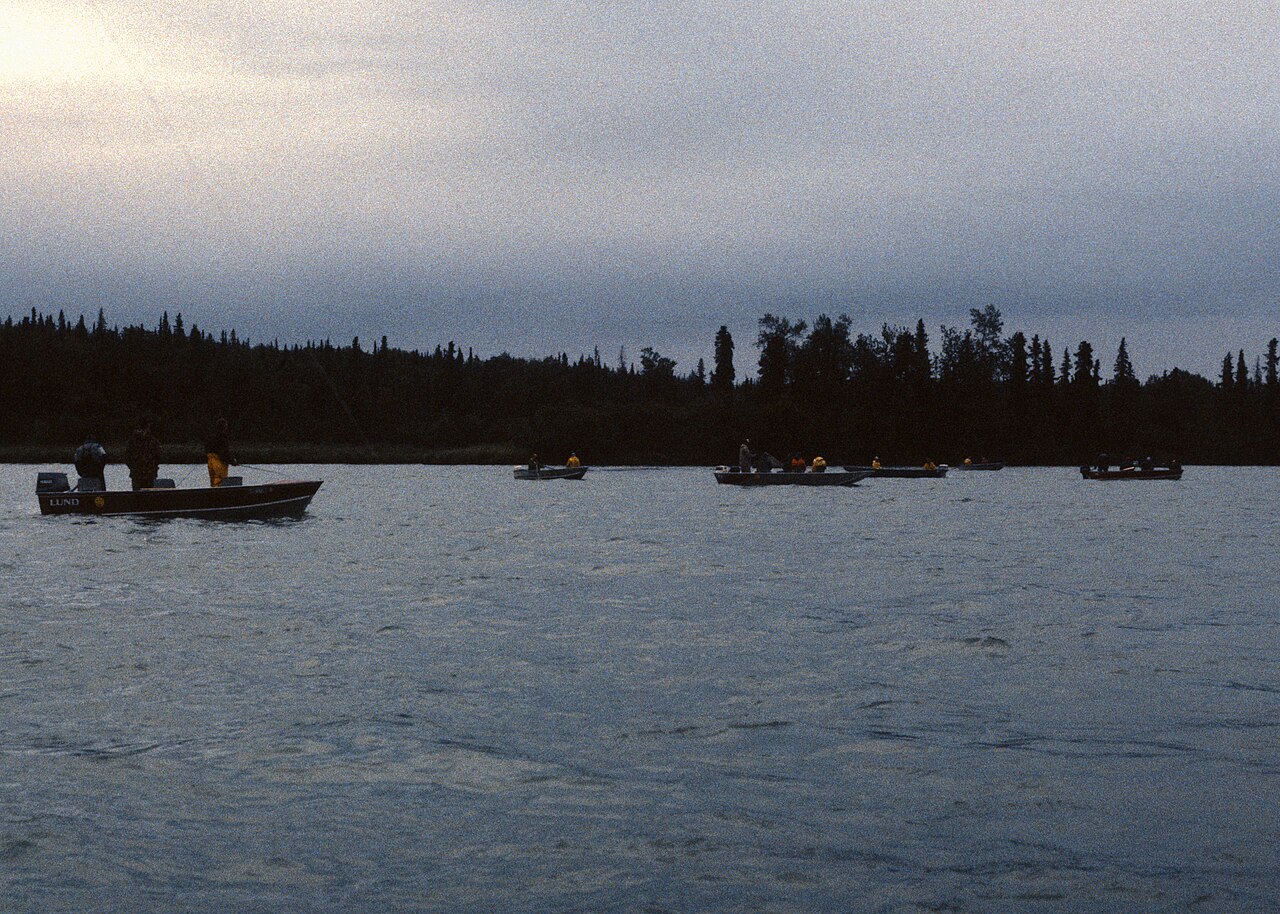
Crowds are not evenly distributed. Seward can be especially busy around the Fourth of July, and fishing seasons can increase demand near river access points and popular lodging areas. Weekday stays may feel calmer, but they are not a promise of lower rates or open availability.
Choose dates by your main goal: summer for the widest activity selection, spring for migration and flexibility, early fall for a quieter road trip, or winter for a deliberately seasonal stay. Check official park, NPS, and Alaska State Parks pages for current conditions, access restrictions, and reservation requirements before finalizing plans.
More ways to book Kenai Peninsula
 Illustrative · David Wipf
Kenai River Fishing
One of the classic ways to experience Kenai Peninsula.
Varies (estimate)
Partner link · Viator