
Kauai glamping is best approached as a search for a legal, comfortable stay close to nature rather than an expectation of a large safari-tent resort scene. Options can be limited, and an appealing listing may be a cabin or simple cottage rather than a furnished tent. Compare the actual facilities, location, and permissions carefully, especially if you want private bathrooms, dependable shelter from rain, or direct beach access.
What Glamping Actually Looks Like on Kauai
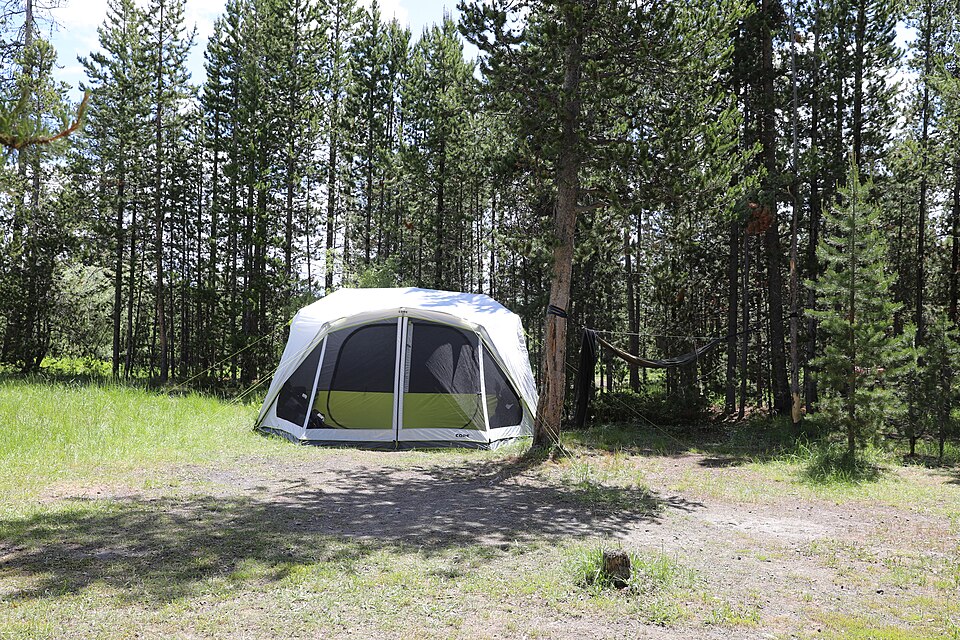
On Kauai, the word glamping can describe very different arrangements, from a furnished outdoor sleeping space to a rustic cabin with basic amenities. Do not assume the label includes electricity, a private toilet, hot water, cooking equipment, or weatherproof living space. Ask for a clear description of the sleeping structure and shared facilities before reserving.
Rain, humidity, salt air, and insects matter more here than decorative touches. Look for covered space to sit during a shower, ventilation, insect screening, and a way to keep luggage and bedding dry. A photograph of a sunny deck tells you little about how the setup functions during several wet hours.
Verify that the accommodation is legally authorized for overnight visitors. Public campgrounds operate under their own permit systems, and a furnished tent does not bypass those requirements. For public-land stays, use official county or Hawaii State Parks reservation information rather than relying only on a marketplace description.
Which Areas Fit Your Outdoor Plans
Choose the area before choosing the tent, cabin, or cottage. Around Poipu and Koloa, a nature-oriented stay puts you near south-shore beaches and provides a practical starting point for west-side drives. This side of the island is generally drier than the North Shore, though individual properties differ in shade, exposure, and distance from the water.
Kapaa and the broader east side offer a middle-ground location for travelers dividing their time between northern and southern outings. Expect to drive for many major hikes, and check whether the property is close to a busy road rather than assuming every garden setting is secluded.
Around Hanalei and the North Shore, the appeal is mountain scenery and proximity to coastal adventures, balanced against wetter weather and potentially disrupted road access. Waimea and the Kokee uplands suit canyon-focused trips. Higher-elevation stays can feel cool and damp at night, unlike the beach climate many visitors imagine.
When to Go and What to Pack
Late spring through early fall is a sensible starting point for travelers hoping to spend more time outside their sleeping space. Summer is generally drier, but Kauai can receive rain in any season, especially in windward and mountain settings. A well-covered setup matters more than choosing a month advertised as reliably sunny.
Winter brings a greater chance of wet weather and powerful North Shore surf. A solid-roof cabin or cottage may be more comfortable than a tent-style stay during unsettled stretches. In Kokee, pack warmer layers regardless of the season because elevation changes the feel of the evening and morning.
Bring a lightweight rain shell, quick-drying clothing, a headlamp, and footwear with traction. Ask whether towels, bedding, drinking water, and cooking supplies are included before packing or shopping. Keep food secured, use designated waste facilities, and check current weather and official park notices before heading to a remote overnight location.
Glamping vs. Camping vs. an RV or Campervan
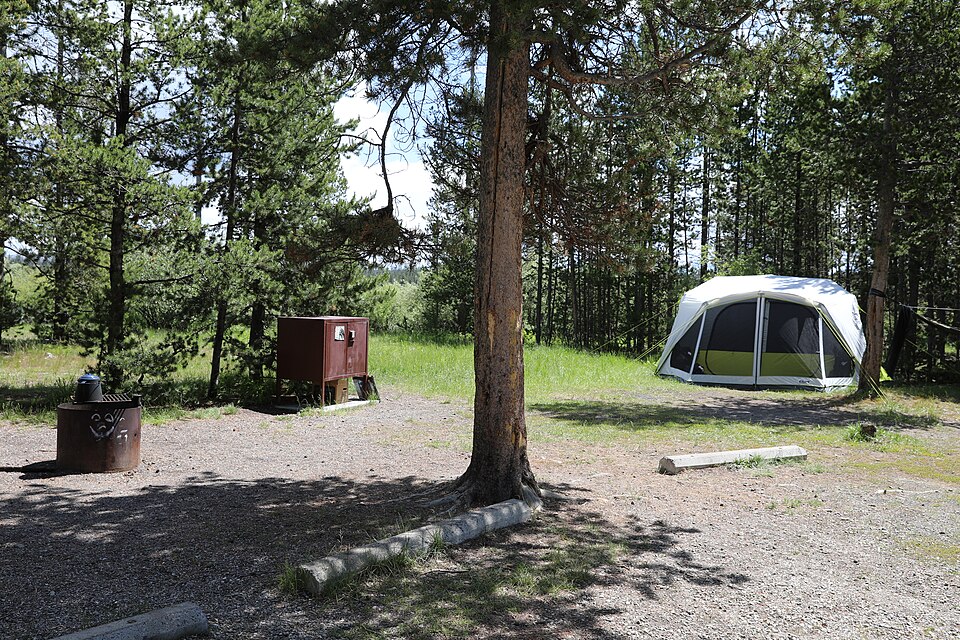
Glamping primarily buys convenience: a prepared sleeping space and, sometimes, furnishings or bathroom access. Traditional camping usually means supplying more equipment and accepting simpler facilities, but it can offer a closer connection to public coastal or upland settings. Compare the entire setup rather than assuming the more expensive label means better location or privacy.
Public camping on Kauai requires attention to the responsible agency and its rules. County beach parks and state-managed areas have separate reservation systems, permitted uses, and facility standards. Confirm that your chosen location permits the specific form of camping you intend to do; a campsite reservation is not blanket permission for vehicle camping.
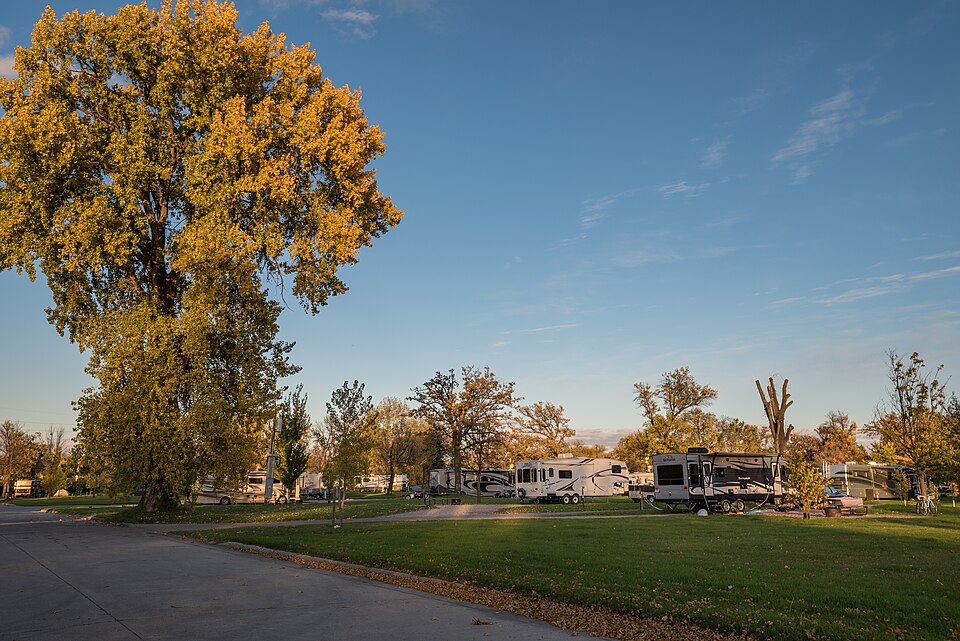
An RV or campervan is not a shortcut to sleeping wherever you park. Overnight vehicle use and disposal options are constrained, and authorized arrangements must be verified beforehand. For a two- to four-day visit, a fixed legal base with a regular rental car is often simpler logistically.
What to Check Before You Book
Start with five essentials: legal overnight use, bathroom arrangements, drinking water, weather protection, and access. Ask whether the approach requires an unpaved road and whether your rental vehicle agreement allows it. Clarify parking, arrival procedures, luggage handling, and how far you must walk between the sleeping area and shared facilities after dark.
Treat costs as rough estimates until you review the full booking total. Furnishings, private bathrooms, desirable locations, cleaning charges, and taxes can make a glamping-style stay cost as much as conventional lodging. Camping may have lower site costs, but equipment rental, transportation, and supplies can narrow the difference.
Read cancellation terms closely and ask what happens if flooding, a closure, or severe weather prevents access. For public sites, check official Kauai County or Hawaii State Parks pages for current conditions and reservations. On a short trip, prioritize a dependable base near your planned outings over a dramatic but inconvenient listing.