
The best time to visit Kauai depends on whether your priority is hiking the coast, spending time at the beach, or avoiding the busiest travel periods. Spring and fall often offer a useful balance, while summer generally brings more favorable conditions along the North Shore. Plan around the island's wetter north and east sides, its comparatively drier south and west sides, and the possibility of rain in any month.
Spring: A Flexible Mix of Hiking and Coast Time
Spring is a strong choice if you want several different kinds of outdoor days rather than a beach-only vacation. Kauai stays warm, vegetation is lush, and you can alternate coastal walks with sightseeing around Waimea Canyon. Rain remains part of the picture, especially around Hanalei and the windward side, so leave your longest hike movable within the itinerary.
Spring break can bring busy stretches, but travel outside school holiday periods may feel less crowded. North Shore surf can still be substantial, and a sunny forecast does not establish suitable swimming conditions. Choose beaches based on posted warnings and lifeguard advice rather than the season alone.
For a short trip, stay on the east or south side and group outings geographically. That makes it easier to swap a wet North Shore day for Poipu, Koloa, or the west side without repeatedly crossing the island.
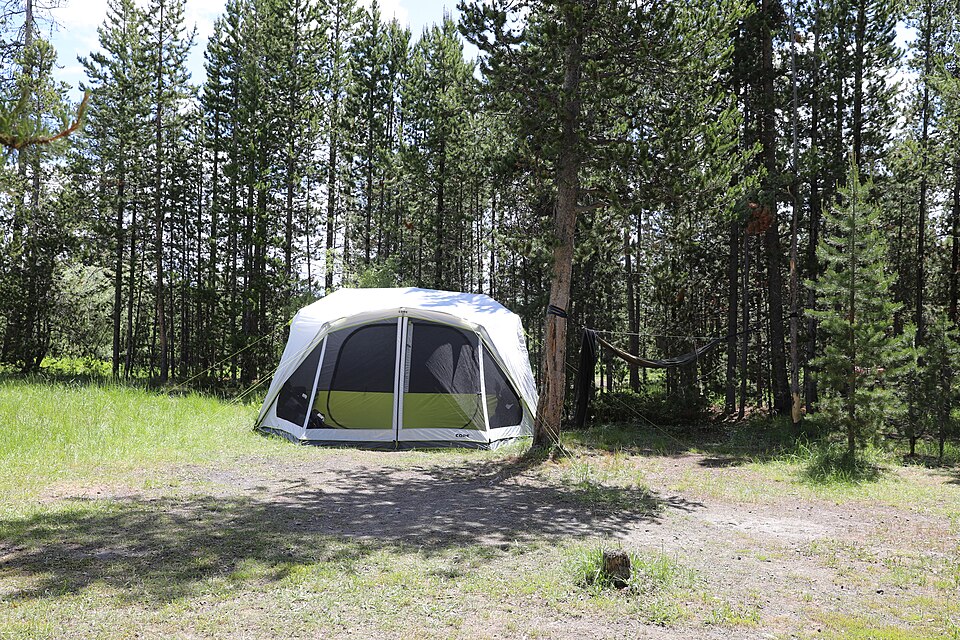
Summer: North Shore Access and Busy Vacation Weeks
Summer often works well for travelers focused on the North Shore and coastal outings. Ocean conditions there are generally calmer than in winter, though swells, currents, and boat cancellations remain possible. This is also a popular family travel season, so expect greater competition for lodging, rental cars, and limited-access park visits.
Start exposed walks early to avoid the strongest heat, and carry water even for relatively short outings. The coastal landscape around Poipu and the lower elevations near Waimea can feel much hotter than shaded areas inland. Higher viewpoints in Kokee may be cooler and cloudier than the beach you left that morning.
Book essential trip components once your dates are firm. For Haena State Park, check the official Hawaii State Parks website for current entry, parking, shuttle, and reservation rules. Do not assume a rental car reservation also gives you access to the park.
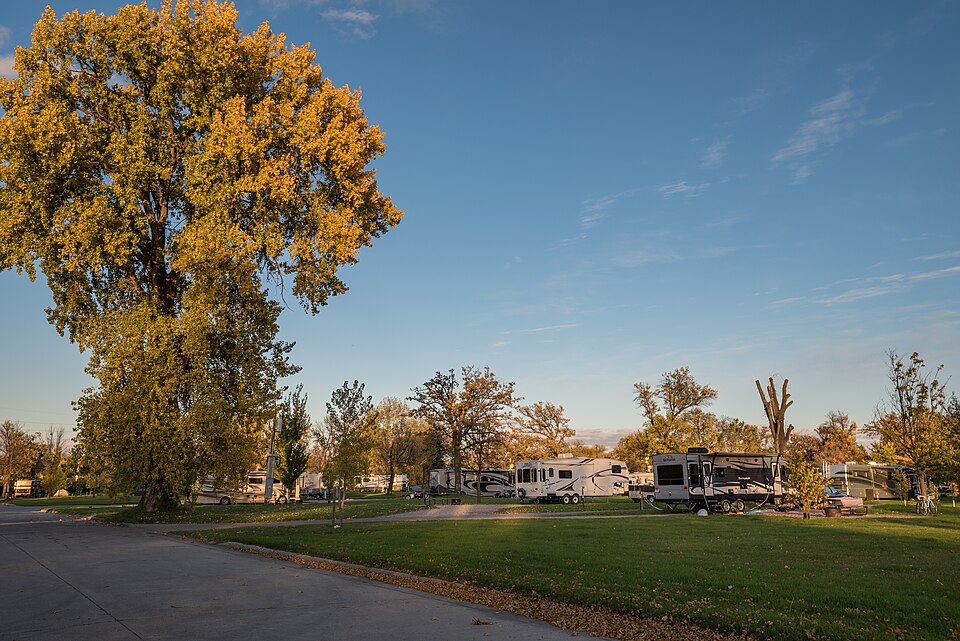
Fall: A Good Window for a Less Rigid Trip
Early fall can offer warm beach weather with fewer school-vacation travelers than midsummer. September and October are worth considering if you want to mix a canyon drive, coastal hikes, and time around Hanalei without building the entire trip around peak holiday demand. Lodging costs still vary widely by neighborhood, room type, and specific dates.
Conditions gradually shift toward the wetter part of the year, and North Shore surf can increase as the season progresses. Tropical weather can also disrupt plans during hurricane season, so monitor forecasts rather than treating fall as a guaranteed dry window. Keep at least one day free of prepaid outdoor activities.
A practical approach is to reserve the experiences with strict access limits first, then leave beaches and scenic stops flexible. If you are staying only two to four days, one well-chosen base usually works better than changing accommodations.
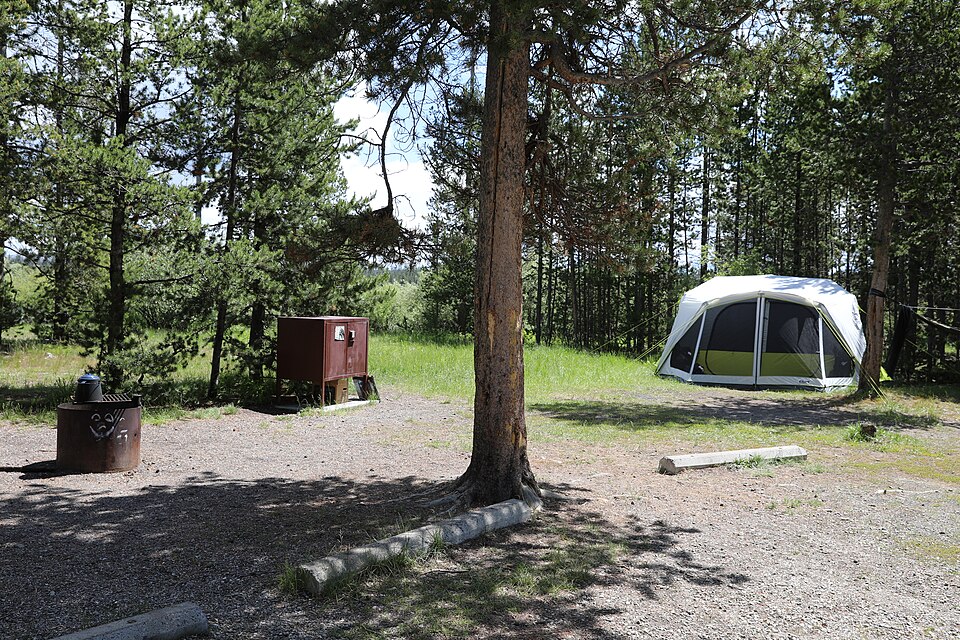
Lock in a stay for this season
Harvest Hosts stays on the way to Kauai
Partner link · Harvest Hosts
Winter: Whale Watching, Bigger Surf, and Rain
Winter offers a different version of Kauai: greener slopes, frequent passing showers, and powerful surf along exposed northern coastlines. Humpback whales visit Hawaiian waters seasonally, and winter can provide opportunities to spot them from shore or join a viewing trip. Sightings are never assured, and marine outings depend on conditions.
This is not the season to assume that a quiet-looking North Shore cove is appropriate for swimming. High surf can affect beaches, boat departures, and coastal access. The south shore often offers a useful alternative for sightseeing and beach time, but conditions must still be checked locally.
Holiday weeks can be especially busy, so winter does not automatically mean lower costs or empty trails. Bring a light rain layer and plan indoor breaks around Lihue or Koloa. For canyon viewpoints, allow time to wait for passing clouds rather than expecting uninterrupted visibility.

When to Reserve and How to Build Weather Flexibility
For any season, begin with flights, lodging, and a rental car, then identify activities that require separate reservations or permits. Haena State Park entry and Kalalau Trail access are related but not interchangeable: hiking beyond Hanakapiai requires the appropriate permit. Read the current rules on the official Hawaii State Parks website before choosing a trail or booking transportation.
There is no single booking deadline that works for every trip. Holiday periods and limited-capacity experiences merit earlier planning, while reservation release windows can change. Check official park and county websites for current conditions, closures, camping rules, and reservation availability rather than relying on an old travel post.
Budget estimates should include taxes, parking, activities, and transportation, not just the room rate. For the greatest flexibility, compare cancellation terms and keep one outdoor day interchangeable with a town-based day. Kauai rewards a plan that can bend with the weather.
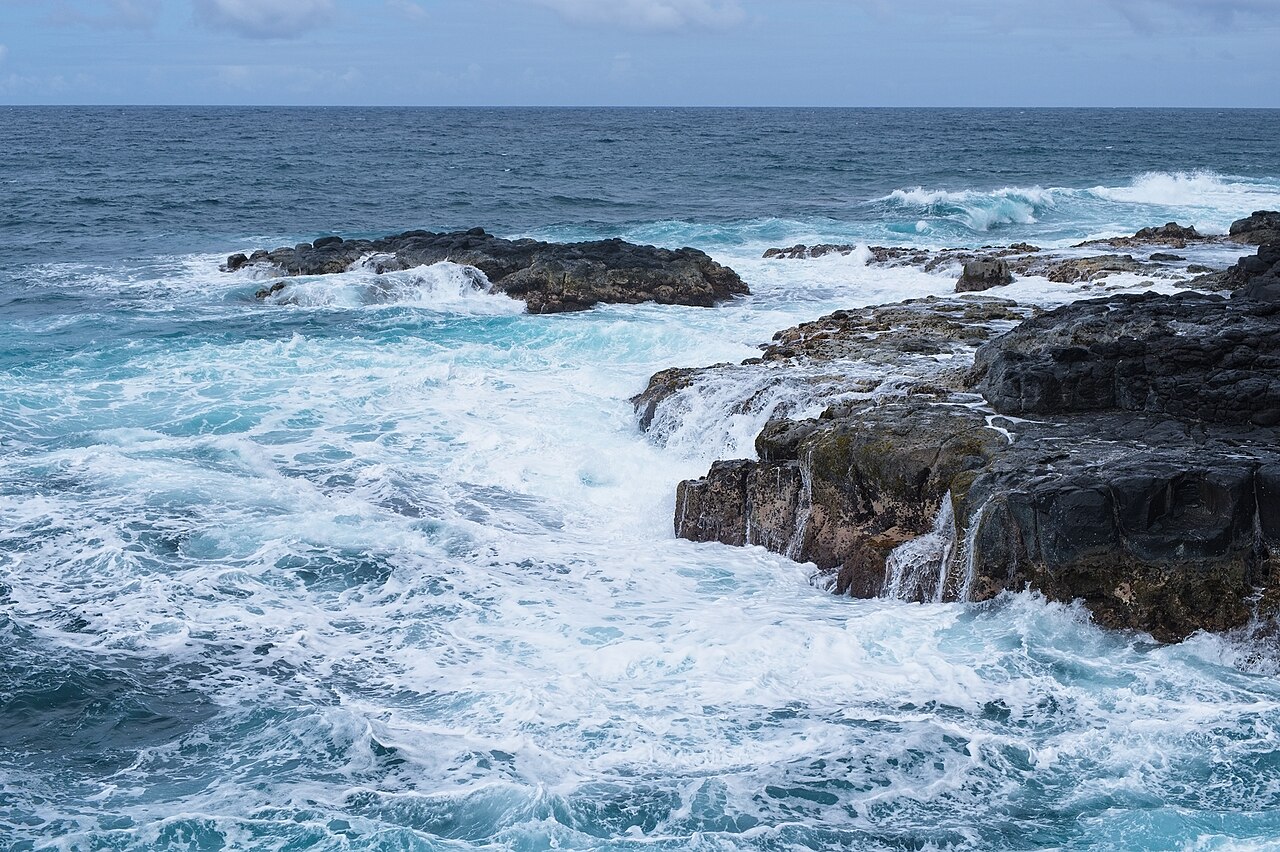
More ways to book Kauai
 Illustrative · ImagePerson
Na Pali Coast Boat Tour
One of the classic ways to experience Kauai.
Varies (estimate)
Partner link · Viator