For most travelers, the best time to visit Joshua Tree is October through April, when cooler days make hiking, scenic drives and time among the boulders more comfortable. Spring and fall offer an appealing balance, while winter brings short days and cold nights, and summer requires a much more limited outdoor plan. Choose your dates around your main activity, then account for weekend crowds, campground demand and the desert's sharp temperature swings.
Spring: Comfortable Hiking and Possible Wildflowers
Spring is a popular time to explore Joshua Tree on foot, with generally comfortable mornings and warmer afternoons as the season progresses. Wildflowers can be a bonus, but their timing and abundance depend on rainfall, temperature and elevation. Plan around trails and landscapes you want to see rather than counting on a particular bloom.
March and April often bring busy campgrounds, entrance lines and crowded trailhead parking, especially around school breaks and weekends. Start popular walks early, carry sun protection even on cool days and keep a backup stop in mind. Wind can make a mild forecast feel chilly at camp, so pack a warm layer and secure loose gear.
Summer: Short Outings Instead of Long Hikes
Summer is the least forgiving season for a hiking-focused visit. Intense sun and very hot daytime temperatures can make even short walks demanding, while lower-elevation areas can be hotter than the park's higher western sections. Fewer visitors do not make summer a better choice for strenuous outdoor plans.
If summer is your only option, build the trip around brief early-morning stops and an air-conditioned place to spend the hottest hours. Carry ample water, avoid relying on water availability inside the park and never leave children or pets in a parked vehicle. Summer thunderstorms can also create lightning and flash-flood hazards. Check the official park forecast, alerts and road conditions before heading out.
Fall: Longer Walks Return as Temperatures Ease
Fall becomes more comfortable as the desert cools, making October and November appealing for hiking, photography and camping. Early fall can still feel like summer, so use the actual forecast rather than the calendar to decide how ambitious your day should be. Leave room to shorten a walk if the heat lingers.
Weekends become busier as outdoor conditions improve. A midweek visit often means less competition for parking and a quieter experience at popular stops, though it does not guarantee solitude. Daylight decreases through the season, and evenings can cool quickly. Keep a headlamp and warm layer handy, and plan your return drive before settling in for sunset or stargazing.
Winter: Cool Days, Cold Camps and Short Daylight
Winter can be a rewarding choice for visitors who prefer cooler walking weather and do not mind bundling up after sunset. Conditions vary with elevation, and freezing nights are possible. Occasional snow or ice can affect higher areas, so a sunny desert forecast should not be treated as a promise of warm camping conditions.
Use the middle of the day for longer walks and save shorter roadside stops for the edges of the day. Holiday periods can still be busy, even when ordinary weekdays feel quieter. For overnight stays, choose bedding and clothing appropriate for the forecast; a tent, trailer or glamping label alone does not tell you how warm the accommodation will be.
When to Reserve and How to Avoid the Busiest Times
Once your dates are firm, check campground availability rather than waiting until arrival, particularly for spring, fall and holiday weekends. Reservation systems and booking windows differ by campground, and not every camping option works the same way. Use the official National Park Service website for current reservation links, entry requirements, closures and conditions.
For a quieter trip, consider weekdays outside major holidays and school breaks, then arrive early at popular trailheads. Nearby lodging also fills during busy periods, so compare the whole trip before committing to dates. If stargazing matters, look at the moon phase: nights around a new moon generally offer darker skies, but cloud cover and wind still influence the experience.
Book it for Joshua Tree National Park

Harvest Hosts stays on the way to Joshua Tree National Park
Membership for overnight RV stays at farms, wineries and other unique spots along your route.
Partner link · Harvest Hosts
Campsites near Joshua Tree National Park on Campspot
Private campgrounds, cabins and glamping just outside the park, often with availability when park sites sell out.
Partner link · Campspot
RV parks near Joshua Tree National Park on RoverPass
Book RV parks and campgrounds online with full hookups near the park.
Partner link · RoverPass
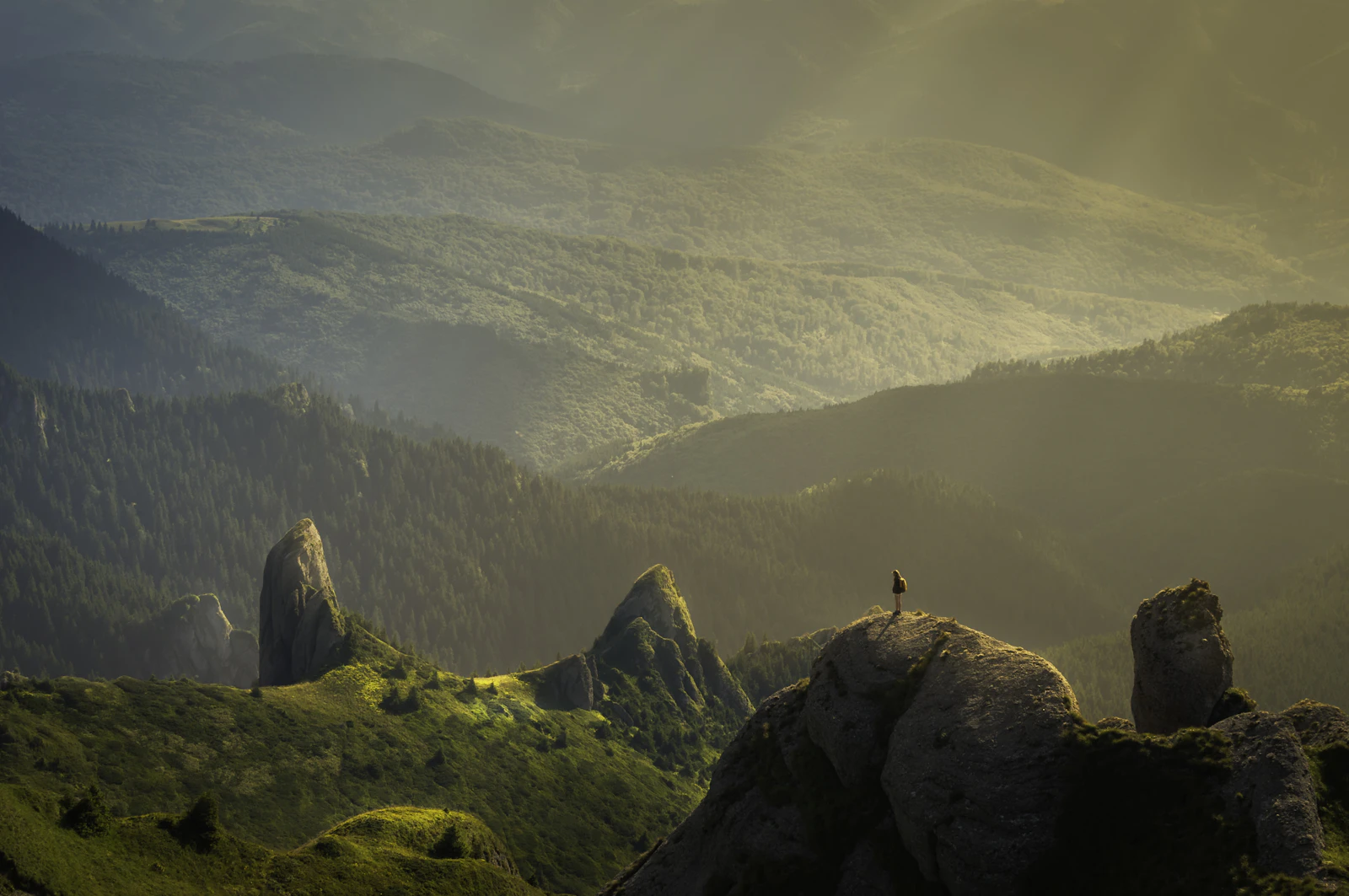
Hidden Valley Rock Scramble
Big-rock atmosphere with zero technical skill required.
Varies (estimate)
Partner link · Viator
Guided Rock Climbing Session
World-class climbing rock with a guide who ties the knots.
Varies (estimate)
Partner link · Viator
Cholla Garden Stargazing
The Milky Way here looks like a lit-up cloud.
Varies (estimate)
Partner link · Viator