
Jackson glamping is about finding the right balance between mountain atmosphere and the comforts you want after a day outdoors. Around Jackson Hole and the wider Teton region, listings may include furnished tents, yurts, rustic cabins, or resort-style outdoor accommodations, but the label does not promise a particular bathroom or heating setup. Start with location and amenities, then confirm what is actually included before planning your park days around a stay.
What Glamping Means Around Jackson
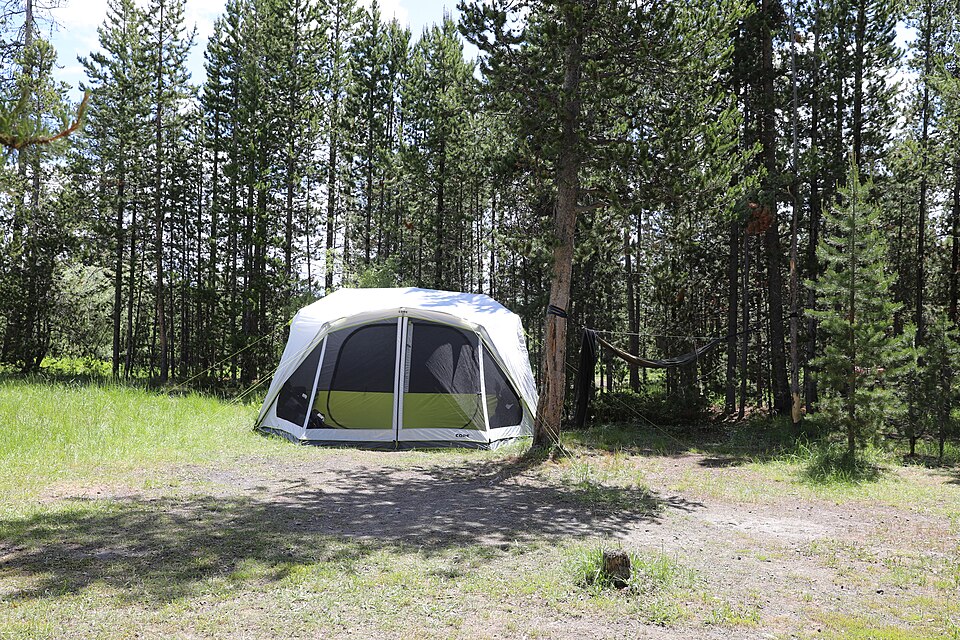
Glamping is a flexible marketing term rather than a standardized lodging category. A furnished canvas tent might have a real bed but shared bathrooms, while a cabin may include heat, electricity, and an indoor bathroom. Some accommodations provide linens and cooking equipment; others expect guests to bring more of their own supplies. Compare the actual features instead of assuming that a photograph of a bed means hotel-style service.
For the Jackson area, ask specifically about overnight heating, bathroom location, hot showers, electrical outlets, drinking water, and food storage. A private toilet is not necessarily an indoor bathroom, and a wood stove may come with operating rules or seasonal restrictions. Confirm accessibility details directly if steps, uneven paths, or nighttime walks would be difficult.
Also check where vehicles park and how far you must carry bags. The most useful listing is one that clearly describes these everyday logistics, not simply its mountain views.
Choose an Area Before Choosing a Tent
Jackson and its immediate surroundings make sense when restaurants, supplies, and straightforward access to town matter most. Wilson and the Teton Village area place you west of Jackson, closer to some recreation but not automatically closer to every Grand Teton destination. Verify your actual driving route, especially if a listing appears to rely on seasonal Moose-Wilson Road access.
North of Jackson, the wider Moose, Moran, and Buffalo Valley areas can suit travelers focused on park scenery and a quieter setting. Inventory and accommodation styles vary, so treat these as search areas rather than a promise of available glamping sites. Remote locations may mean longer drives for meals and groceries.
Victor and Driggs, Idaho, broaden the search on the west side of the Tetons. They are not equivalent to staying in Jackson Hole: reaching Jackson involves crossing Teton Pass. Consider mountain-road conditions and repeated driving before choosing an Idaho base mainly for its nightly rate.
Choose the Season for Your Comfort Level
Summer is the easiest season to consider a tent-based stay, with the broadest regional access and generally warmer daytime weather. Nights can still be chilly, particularly outside town or at higher elevations. Ask what bedding is supplied and whether the accommodation has approved heating rather than assuming summer means warm sleeping conditions. Rain and thunderstorms also make a covered common area or indoor backup space useful.
Spring and fall can offer a quieter atmosphere, but overnight cold, mud, and occasional snow make the details more important. Confirm seasonal opening dates, insulated versus uninsulated construction, and whether bathrooms remain fully operational in freezing weather. A heated cabin may be a better fit than canvas for travelers who dislike cold mornings.
Winter requires lodging specifically equipped and operated for the season. Do not assume a summer glamping listing accepts winter guests. Check access roads, parking arrangements, and cancellation policies, especially when your plans depend on crossing mountain passes.
Glamping Versus Camping, Cabins, and RVs
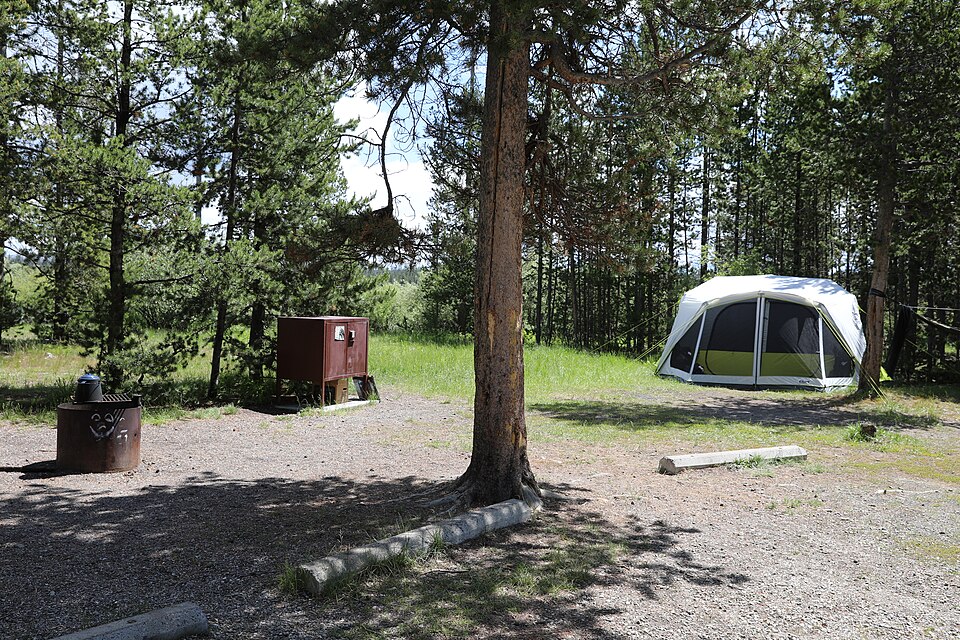
Choose glamping if you want an outdoor setting without bringing a complete sleeping setup. It can reduce packing and setup time, but it may still involve shared bathrooms, outdoor cooking, and weather exposure. A cabin is often the clearer choice when reliable indoor space, private plumbing, or a kitchen matters more than sleeping under canvas. Read the amenities carefully because rustic cabins vary widely.
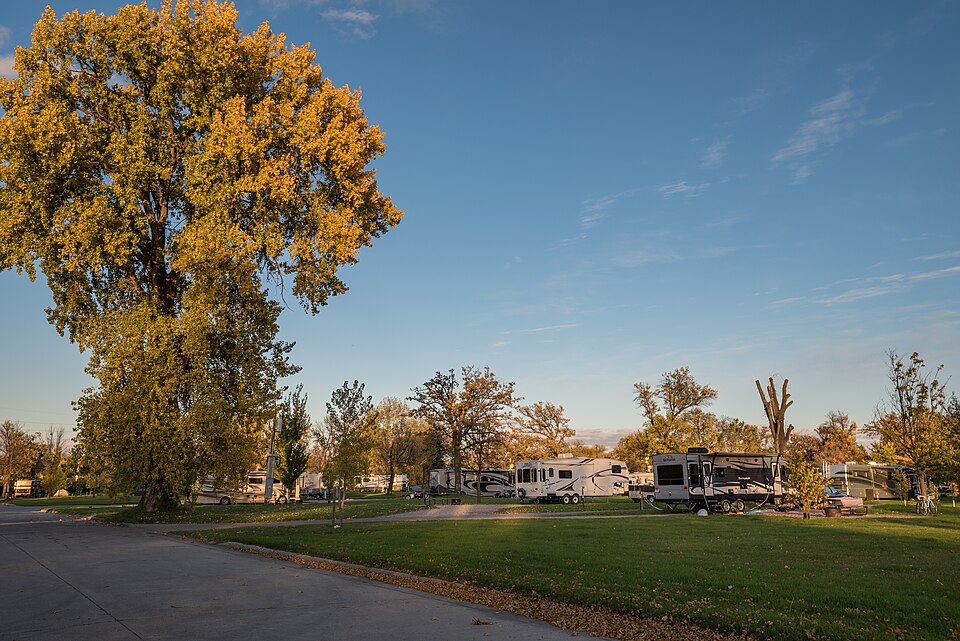
Traditional tent camping usually requires more equipment and preparation, along with a reservation strategy for popular campgrounds. RV travel provides your own living space but adds vehicle-size restrictions, fuel costs, and questions about hookups, dump stations, and campground suitability. A larger vehicle can also make crowded parking areas less convenient.
Compare total trip costs rather than nightly rates alone. As rough planning guidance, furnished outdoor lodging often costs more than a basic campsite and can overlap with hotel or cabin rates. Cleaning charges, meals, equipment rental, and additional driving may change the comparison.
Book Carefully and Plan for Bear Country
Once you identify a promising stay, confirm its map location, cancellation terms, minimum-stay rules, and all required charges. Ask whether cooking is permitted, where food must be stored, and whether coolers can remain in vehicles. In bear country, snacks, toiletries, trash, and cooking equipment require attention; follow the property's instructions and applicable public-land rules rather than treating a furnished tent like a sealed hotel room.
Book popular summer dates as early as practical once your plans are firm. Private lodging reservations do not include park campsites, backcountry permits, or guided activities unless explicitly stated. A glamping booking also does not guarantee access to a particular road, trail, or boat service.
Check the official Grand Teton National Park website for current conditions and reservations before building your daily schedule. Pack a headlamp, warm layers, weather-ready footwear, and any personal items the property does not supply. Arriving before dark makes an unfamiliar outdoor setup easier to navigate.