
The best time to visit Jackson depends on whether you want open mountain trails, quieter scenic drives, fall color, or snow sports. Summer offers the broadest access to Grand Teton National Park, while spring and fall reward a more flexible approach to weather and road conditions. For a two- to four-day trip, choose your season around your main activity rather than assuming every part of the valley will be equally accessible.
Spring: Wildlife Viewing and Changing Access
Spring reaches the Jackson Hole valley before it reaches the high Tetons. Lower elevations gradually lose their snow, but mountain trails can remain snow-covered well into the warmer months. Expect a mix of chilly mornings, muddy paths, rain, and occasional snow rather than a dependable early hiking season. Water-resistant footwear and layers are more useful than an ambitious list of alpine destinations.
This is a good season for scenic stops, time in Jackson, and wildlife watching from established roads and pullouts. Moose-Wilson Road and other seasonal routes should not be treated as guaranteed connections. Check current Grand Teton National Park road and trail information before setting out.
Crowds are generally lighter than in midsummer, although holiday periods can feel busy. Lodging choices and restaurant schedules may also be more limited during the quieter transition between winter and summer.
Summer: Broad Access and the Busiest Trails
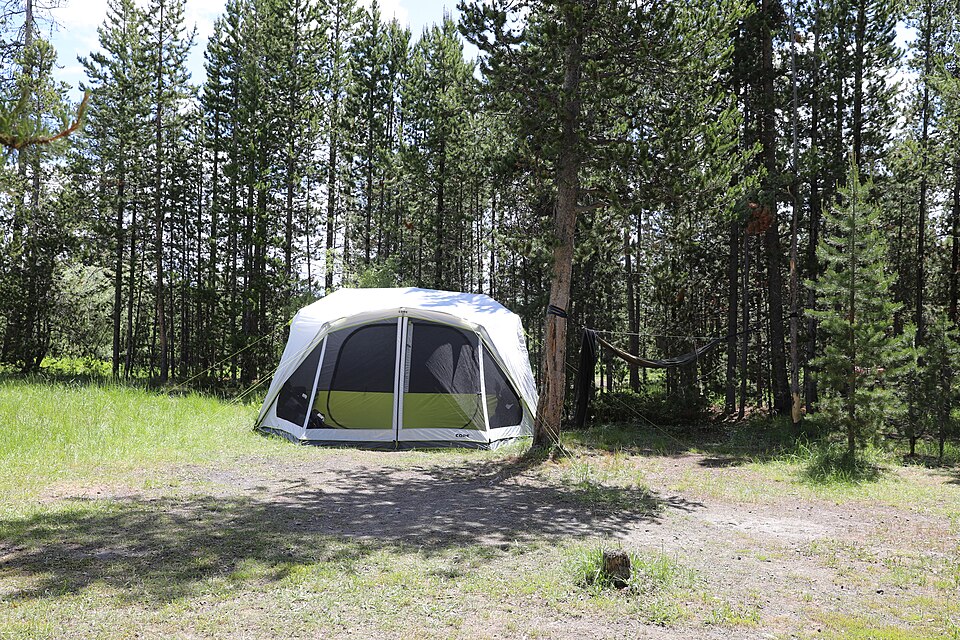
Summer is the most straightforward choice for a first visit focused on Grand Teton scenery, lakes, and hiking. Days are long, valley temperatures are often warm, and evenings can still feel cool. Higher trails may retain snow after lower routes become accessible, so trail selection should follow current conditions rather than the date alone.
Jenny Lake, the String Lake area, and popular roadside overlooks draw substantial crowds. Start your main outing early, carry what you need for the day, and have a second destination ready if a parking area is full. Afternoon thunderstorms can interrupt exposed hikes and time on the water.
Reserve lodging as soon as your dates are firm, especially for weekends and school breaks. Check the official park website for campground reservation windows, boating requirements, road work, and seasonal services. Summer brings the widest choice of activities, not a guarantee that every route or service will be available.
Fall: Color, Cool Nights, and Shorter Days
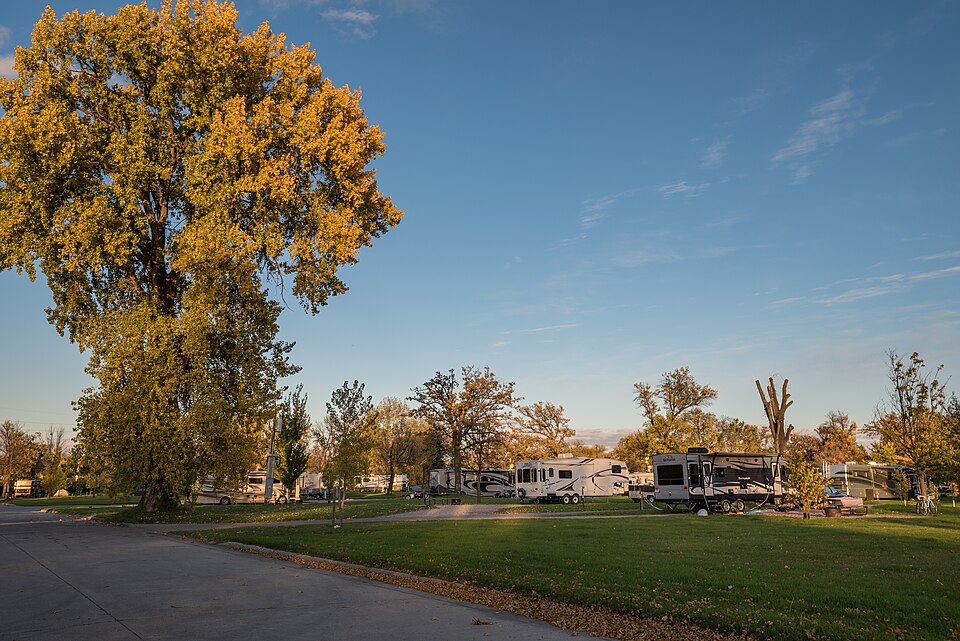
Fall suits travelers who value crisp air, changing cottonwoods and aspens, and a less hurried pace. September often offers a useful balance of sightseeing and hiking, but mountain weather can change quickly. By later fall, snow and freezing temperatures become more likely, and some seasonal services close. Fall color timing varies with elevation and weather, so avoid building the entire trip around a single predicted peak weekend.
Scenic drives along the park's main corridors and stops near the Snake River give you options when high trails are less inviting. Wildlife activity can be noticeable during the autumn breeding season, but animals need plenty of space. Watch from designated viewing areas and use binoculars rather than approaching.
Crowds usually ease after the summer rush, though popular September dates still deserve advance lodging reservations. Plan shorter outings than you would in midsummer, and keep warm layers available for morning starts and evening overlooks.
Lock in a stay for this season
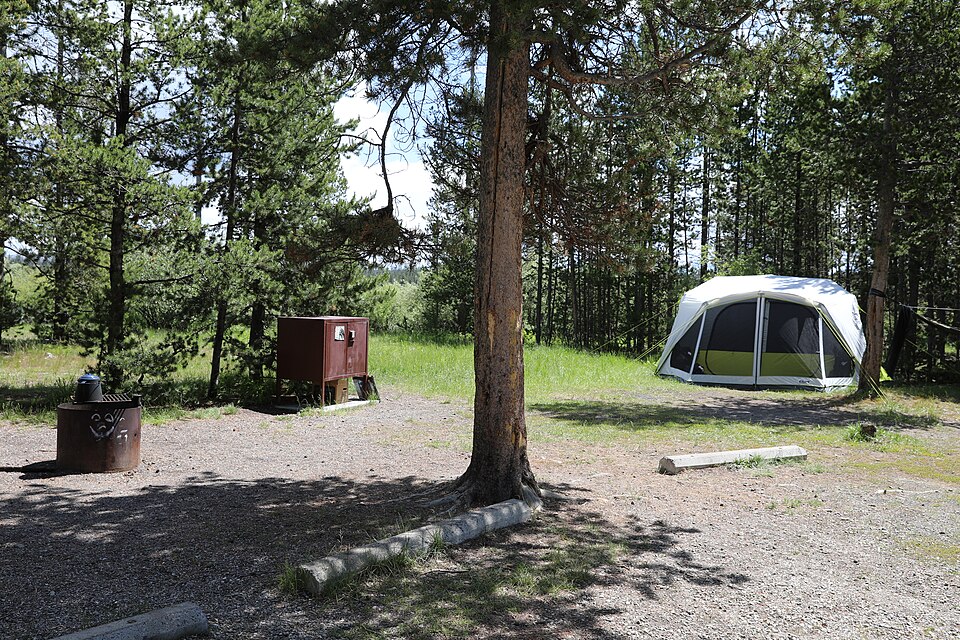
Harvest Hosts stays on the way to Jackson
Partner link · Harvest Hosts
Winter: A Different Kind of Jackson Trip
Winter shifts the focus from lake hikes and park drives to skiing, snowshoeing, and a snow-covered valley. Jackson and nearby Teton Village serve as bases for winter recreation, while Grand Teton National Park has substantial seasonal road closures. A summer itinerary cannot simply be reused in January: some familiar destinations require winter travel skills or are not practical for a casual visit.
Cold temperatures, snowstorms, and icy roads can affect arrival plans and daily outings. Leave room in your schedule rather than arranging tight connections between outdoor activities. Travelers without winter driving experience may prefer staying where transportation and guided activities can reduce driving demands.
Holiday periods and popular ski dates can bring strong lodging demand. Reserve accommodations and any lessons or guided outings early, then verify cancellation terms. Consult official park information for winter access and restrictions; for backcountry travel, seek current avalanche information and appropriate training rather than relying on a general destination guide.

Match Your Dates to Crowds and Reservations
For the broadest mix of lake walks, scenic drives, and family activities, summer is the simplest starting point. For fall scenery and cooler hiking weather, consider September while accepting shorter days and possible storms. Spring works better for travelers happy to swap a muddy hike for a museum visit or a wildlife-viewing drive. Winter deserves its own snow-focused plan.
Book lodging first, then arrange any date-specific activities. Popular summer accommodations and campgrounds can fill well ahead of arrival; use the official park website to find current reservation procedures rather than assuming all sites share one booking window. Backcountry camping and some water activities have separate requirements.
A two- to four-day visit benefits from one flexible half-day. Keep a short valley walk, a downtown afternoon, and an indoor stop in reserve. Check the official Grand Teton National Park website again shortly before departure for closures, conditions, and changes to seasonal services.
More ways to book Jackson
 Illustrative · Jeff Marquis
Jackson Hole Skiing
One of the classic ways to experience Jackson.
Varies (estimate)
Partner link · Viator