
For those who want to experience the raw beauty of the Alaskan wilderness without sacrificing the comforts of home, glamping in the Inside Passage is the perfect solution. Imagine waking up to the sound of a whale breathing in the distance while tucked under a warm duvet in a canvas wall tent. This region offers a unique blend of rugged exploration and refined relaxation, allowing you to immerse yourself in the sights and sounds of the temperate rainforest while enjoying a hot shower and a prepared meal at the end of the day.
What to Expect from Alaskan Glamping
Glamping in Southeast Alaska is less about 'resort luxury' and more about 'wilderness immersion.' Most sites feature sturdy canvas wall tents, yurts, or small cedar cabins built to withstand the frequent rain and wind of the region. You can expect real beds with high-quality linens, wood-burning stoves for warmth, and often a private deck for morning coffee and wildlife viewing. Because many of these sites are off-grid, power may be limited, and facilities might include high-end composting toilets or shared bathhouses with hot water.
The true luxury here is the location. Many glamping sites are located on private islands or remote stretches of coastline accessible only by boat or floatplane. This isolation provides a level of peace and quiet that is hard to find in the more accessible parts of the state. You aren't just staying in a tent; you are gaining front-row access to one of the most pristine ecosystems on earth. Prices for these experiences reflect their remote nature, with daily budgets often exceeding $350 per person when meals and transport are included.
Top Glamping Destinations: Juneau and Gustavus
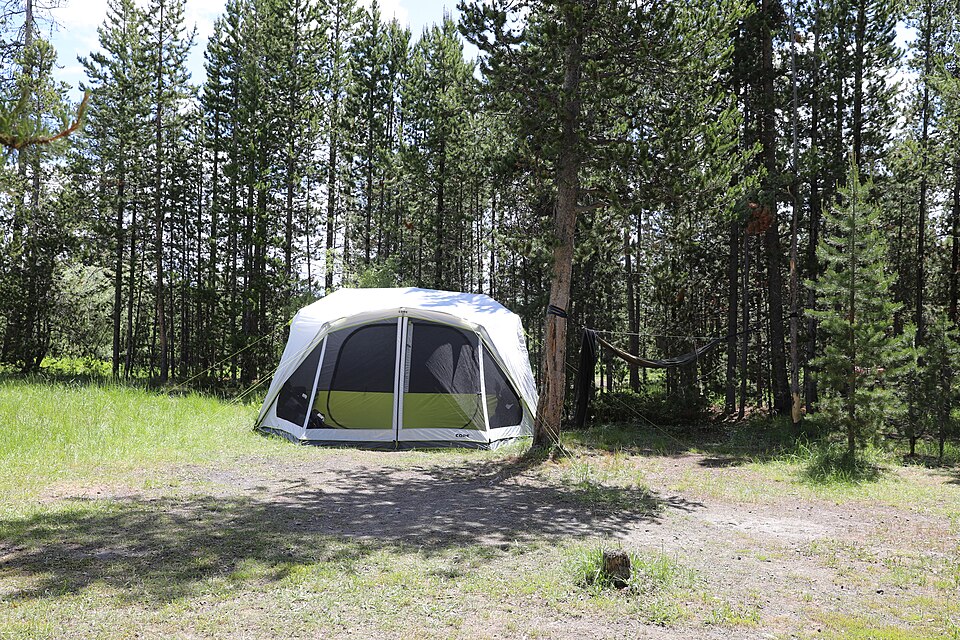
The areas surrounding Juneau and Gustavus are hotspots for elevated outdoor stays. Near Juneau, you can find luxury wall tents nestled in the hemlock groves along the coast. These sites often offer easy access to hiking trails and kayaking routes while keeping you close enough to the city for a day trip to the Mendenhall Glacier. The sound of the tide coming in against the rocky shore provides a natural soundtrack for your stay, and the thick forest canopy offers a sense of total seclusion.
In Gustavus, the gateway to Glacier Bay, the glamping options often lean toward cozy, eco-friendly yurts or small cabins. These accommodations are designed to have a minimal footprint on the delicate environment. Staying here allows you to experience the park in a more intimate way than a standard hotel stay. You might find yourself sharing a morning with a resident moose or watching eagles soar above the salmon streams that run through the properties. Always check the official NPS site for advice on food storage, as even glamping sites must follow strict bear-safe protocols.
Remote Island Escapes and Wilderness Lodges
For a truly unforgettable experience, look for glamping opportunities on the remote islands near Sitka or Ketchikan. These locations often function as all-inclusive wilderness camps where your stay includes guided fishing, whale watching, or forest hikes. The 'tents' here are often permanent structures with large windows that frame the dramatic views of the Pacific Ocean. Dining is a communal affair, often featuring fresh local seafood like copper river salmon and spot prawns caught just hours before dinner.
These remote sites offer a profound connection to the land. Without the distractions of cell service or city lights, your schedule becomes dictated by the tides and the sun. It is the ideal setting for photographers and nature lovers who want to be in the field from dawn until dusk. Because these locations are so specialized and have limited capacity, reservations should be made well in advanceâoften a year out for the peak summer months of July and August. The logistics of bush plane transfers should also be factored into your travel time and budget.
Glamping vs. Traditional Camping and RVs
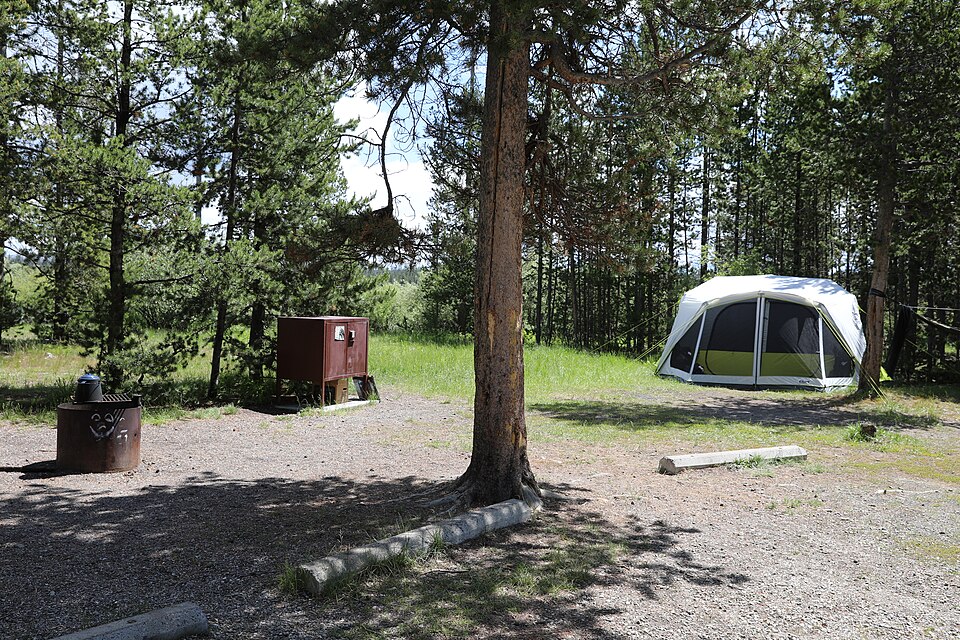
Choosing between glamping, traditional camping, and RVing in the Inside Passage depends on your comfort level and how you plan to travel. Traditional camping is available in many state parks and the Tongass National Forest, but be prepared for very wet conditions and rigorous bear-safety requirements. Camping requires a high degree of self-sufficiency and the right gear to stay dry. It is the most affordable option, but it can be physically demanding given the terrain and climate of Southeast Alaska.
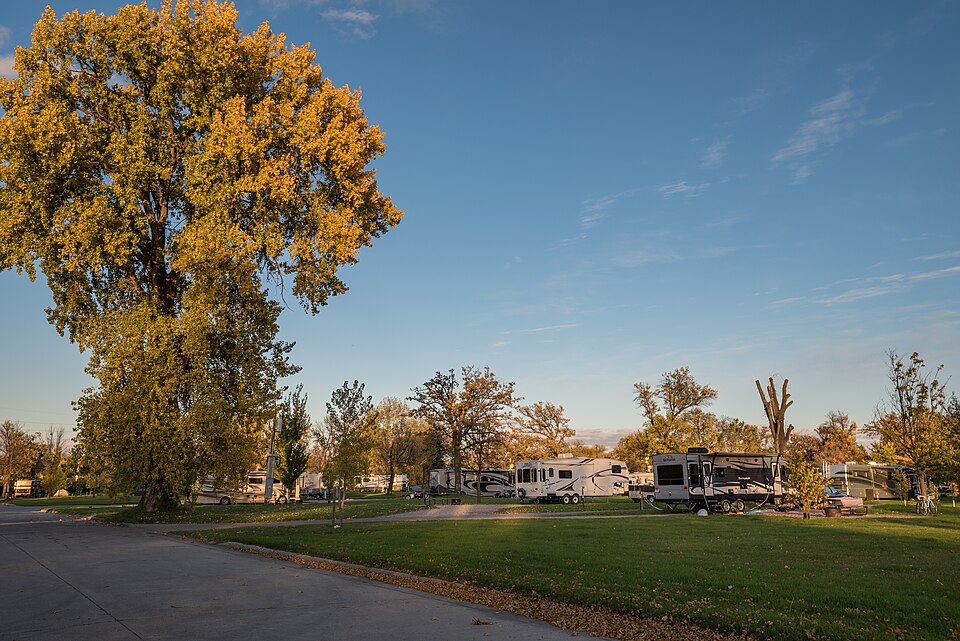
RVing is popular in areas like Juneau and Skagway, which are connected by the ferry system. However, the Inside Passage is not a traditional road-trip destination; you will spend a lot of time and money putting your RV on ferries to move between towns. Glamping sits in the middle, offering the outdoor connection of camping with the ease of a hotel. You don't have to haul gear or worry about setting up a tent in the rain. For many travelers, the extra cost of glamping is worth the convenience and the unique, high-end experience of staying in a remote wildland.
Seasonal Considerations for Glampers
The glamping season in the Inside Passage is relatively short, typically running from late May through early September. Outside of this window, the weather becomes too unpredictable, and many remote sites shut down for the winter. Late June and July are the most popular months, offering the warmest temperatures and the best chance for clear skies. However, if you enjoy the misty, moody atmosphere that Alaska is famous for, a late August stay can be incredibly atmospheric and offers the added bonus of the salmon run.
Regardless of when you go, pack layers. Even a 'luxury' tent can get chilly at night, and the humidity of the rainforest means that dampness can seep in. Most glamping hosts provide heavy wool blankets or propane heaters, but having your own high-quality base layers is essential. Before booking, check the specific amenities of your siteâsome may offer guided excursions included in the price, while others may be purely for lodging. Checking the official park websites for the areas you are visiting will also provide necessary information on seasonal wildlife closures or permit requirements that might affect your stay.