
Choosing the right window for your Alaskan voyage is the difference between misty solitude and vibrant, sun-drenched fjords. The Inside Passage is a dynamic maritime environment where the weather dictates the rhythm of life for both wildlife and travelers. While the region is accessible primarily by water, understanding the seasonal shifts in light, temperature, and animal migration will help you tailor a trip that meets your specific expectations for the Great North.
The Summer Peak: June through August
Summer represents the peak season for a reason, offering the most stable weather and the longest daylight hours of the year. In June, the 'Midnight Sun' provides nearly 20 hours of light, giving you ample time to spot humpback whales breaching or bald eagles nesting in the Sitka spruce. Temperatures generally hover in the comfortable 50s and 60s, though it is not uncommon to see the mercury climb higher in protected inlets.
This is the premier time for kayaking and glacier trekking, as the ice is active and the waters are typically at their calmest. However, because this is the most popular window, you should prepare for larger crowds in port towns like Ketchikan and Skagway. Planning your excursions and lodging at least six to nine months in advance is highly recommended to secure your preferred dates. Always check the official NPS site for glacier calving updates and seasonal trail conditions during these high-traffic months.
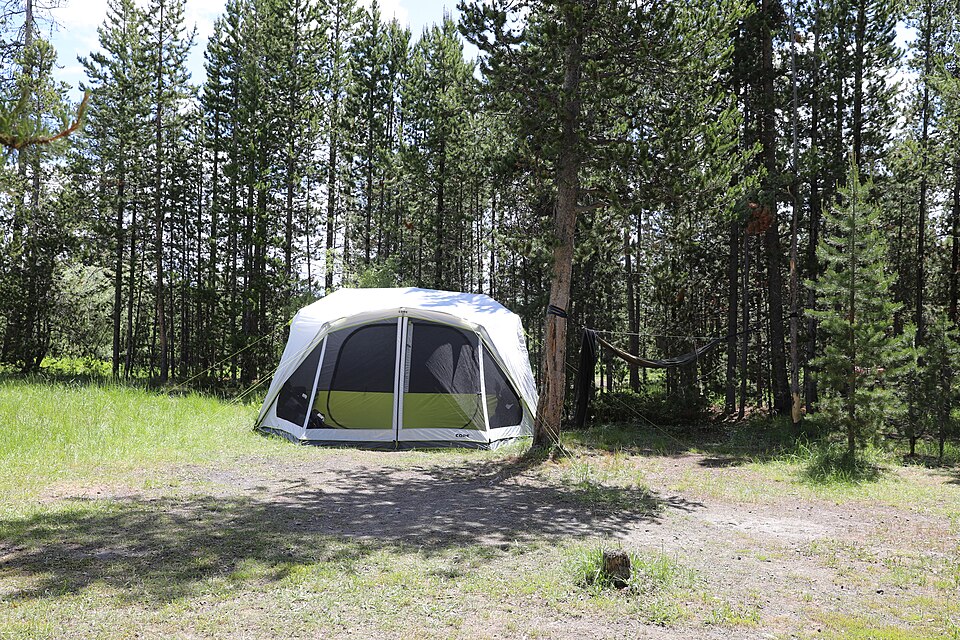
Lock in a stay for this season
RV parks near Inside Passage on RoverPass
Partner link · RoverPass
Shoulder Season: May and September
The shoulder seasons offer a distinct, quieter charm for those who don't mind a bit more variability in the weather. May is often surprisingly dry compared to the rest of the year, and it is a fantastic time for birdwatching as migratory species return to the Tongass National Forest. You will still see snow on the lower peaks, providing a dramatic backdrop for photography. It is a peaceful time to explore before the main fleet of large vessels arrives in the waterways.
September brings the return of darker nights, which increases your chances of spotting the Aurora Borealis if the skies remain clear. The fall colors begin to turn the tundra and underbrush into shades of gold and crimson, and the salmon runs attract hungry bears to the coastal streams. Keep in mind that late September can be quite wet and windy, as the autumn storms begin to roll in from the Gulf of Alaska. Pack high-quality waterproof gear to stay comfortable.
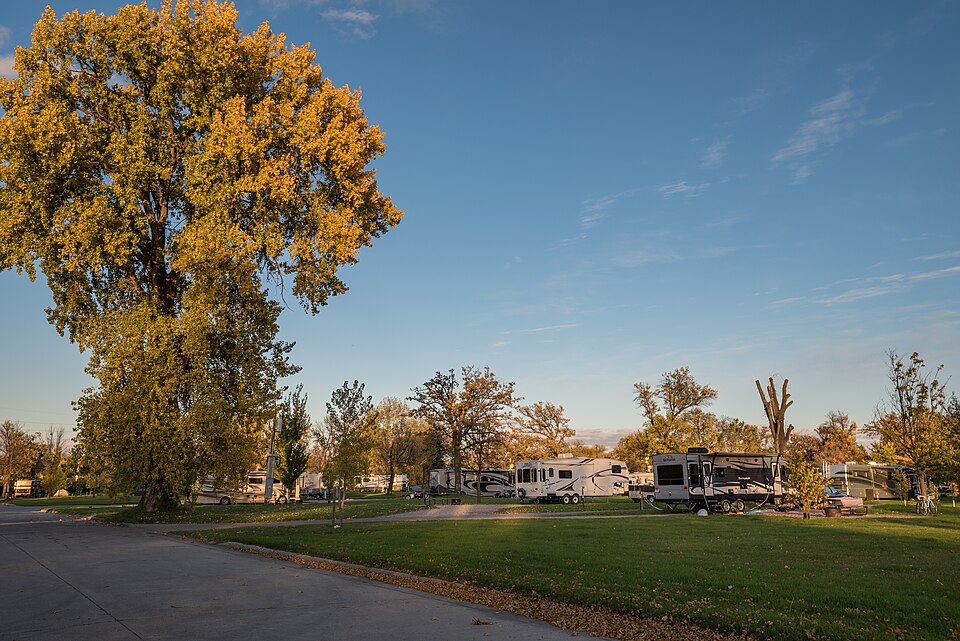
Wildlife Rhythms and Migration Patterns
Timing your visit based on wildlife cycles is a popular strategy for nature enthusiasts. If whale watching is your primary goal, mid-summer is the sweet spot when humpbacks congregate in nutrient-rich waters like Icy Strait and Frederick Sound. You might witness bubble-net feeding, a complex cooperative hunting behavior unique to these northern waters. Orcas are also frequently sighted throughout the summer months as they follow the salmon.
For bear viewing, the late summer months of July and August are ideal. This coincides with the salmon returning to their natal streams to spawn. Locations like Anan Creek near Wrangell or the Pack Creek area on Admiralty Island become hubs of activity as brown and black bears gather to feast. Because these viewing areas often require special permits or guided access, it is vital to check current availability and reservation requirements well before your departure date. Wildlife sightings are never guaranteed, but choosing these windows significantly improves your odds.
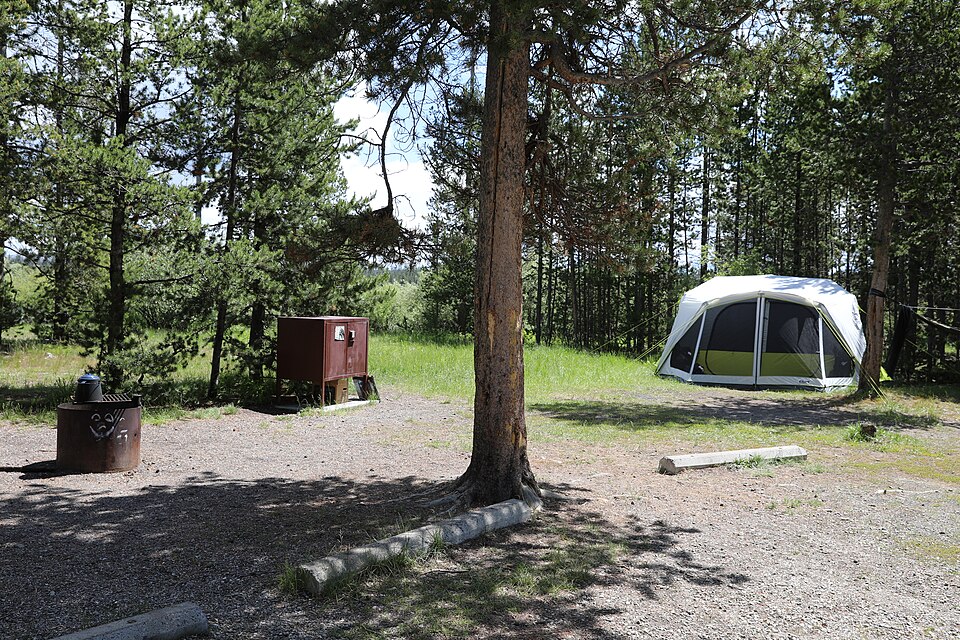
Lock in a stay for this season
Harvest Hosts stays on the way to Inside Passage
Partner link · Harvest Hosts
Weather Realities and Rain Gear
The Inside Passage is situated within the world's largest temperate rainforest, which means rain is a constant companion regardless of the season. Ketchikan, for instance, is one of the wettest cities in the United States. Even in the 'dry' month of June, you should expect overcast skies and intermittent drizzle. This moisture is what fuels the lush, emerald-green landscapes and the countless waterfalls that tumble down the granite fjord walls.
To make the most of your trip, adopt the Alaskan mindset that there is no bad weather, only bad clothing. Layering is essential; start with a moisture-wicking base, add a fleece or wool mid-layer, and top it with a heavy-duty, breathable waterproof shell. Sturdy, waterproof boots are non-negotiable if you plan on hiking the damp forest trails. Embracing the mist allows you to see the region in its most authentic state, where the clouds hang low over the water and the moss-covered trees seem to glow.
Booking Windows and Logistics
Given the logistical complexity of Southeast Alaska, your booking timeline is just as important as your travel dates. The Inside Passage is largely roadless, meaning you rely on the Alaska Marine Highway System (ferries), small bush planes, or cruise ships to get around. Ferry schedules are often released seasonally and can fill up quickly, especially for travelers bringing vehicles or booking sleeper cabins. If you are planning a self-guided itinerary, aim to have your primary transport locked in by late winter.
Budget considerations also fluctuate with the calendar. Mid-summer sees the highest rates for lodging and tours, while May and September may offer slightly lower costs for hotels in gateway cities like Juneau. Regardless of when you go, it is wise to monitor the official National Park Service websites for Glacier Bay and other monuments, as they provide critical information on permit lotteries and closures. A daily budget of roughly $350 per person covers mid-range lodging, meals, and at least one significant excursion like a flight-see or boat tour.
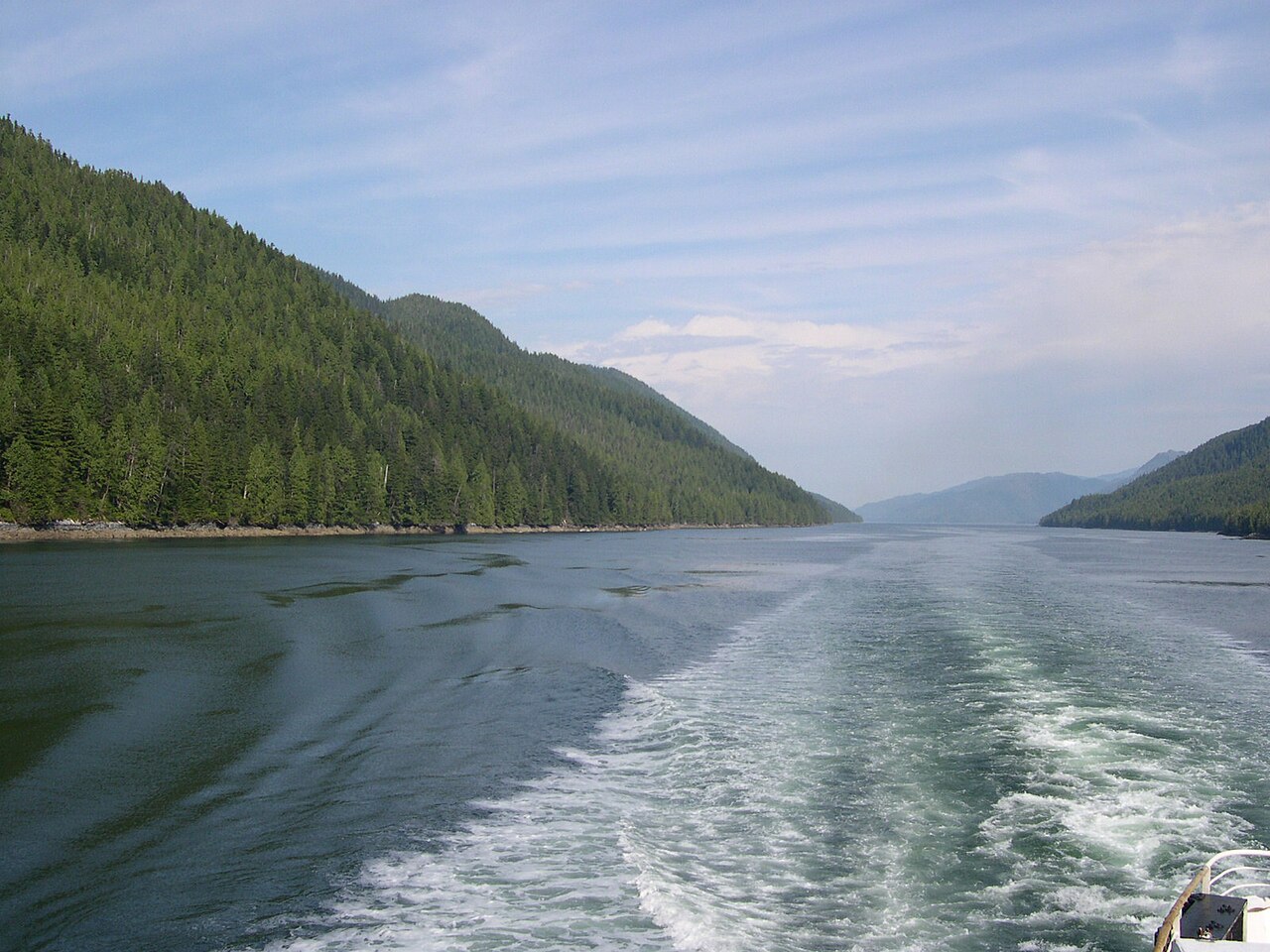
More ways to book Inside Passage
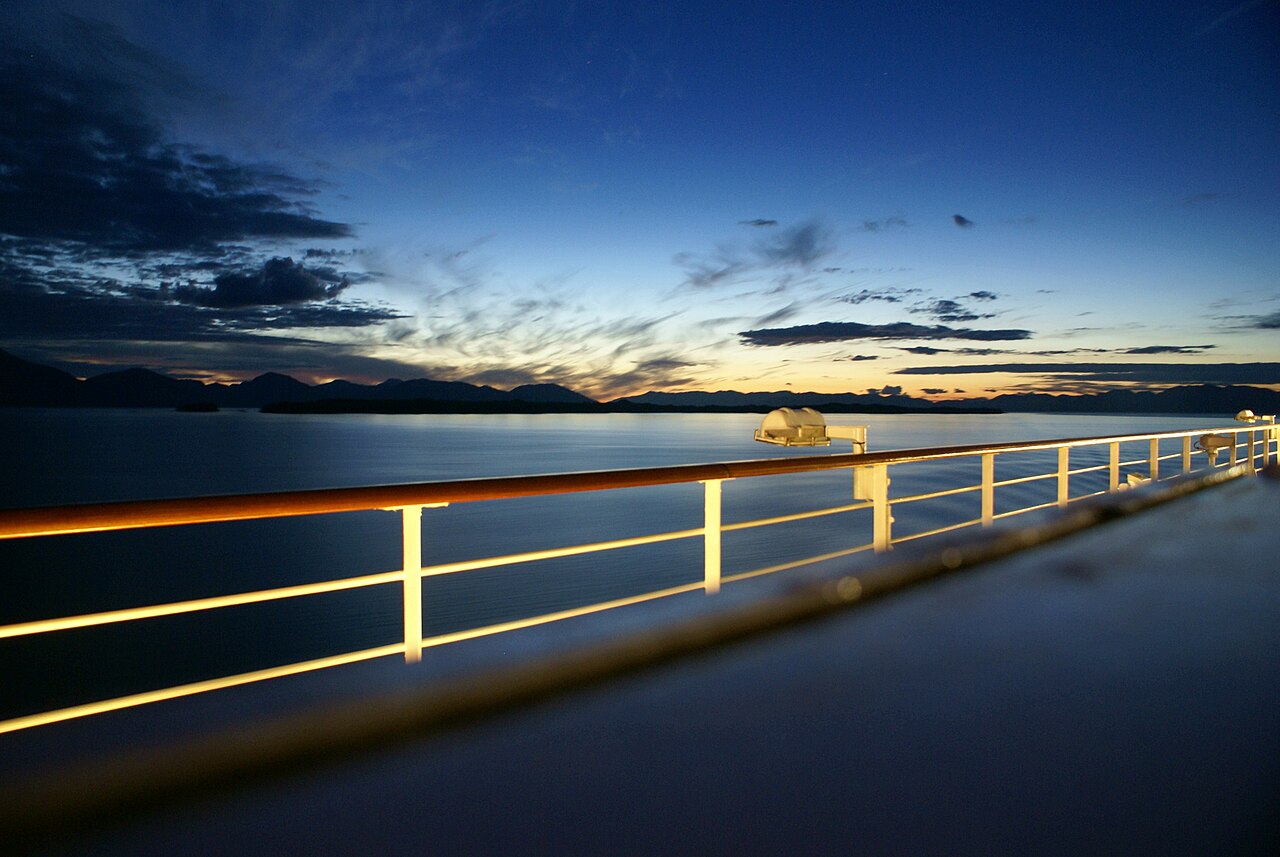
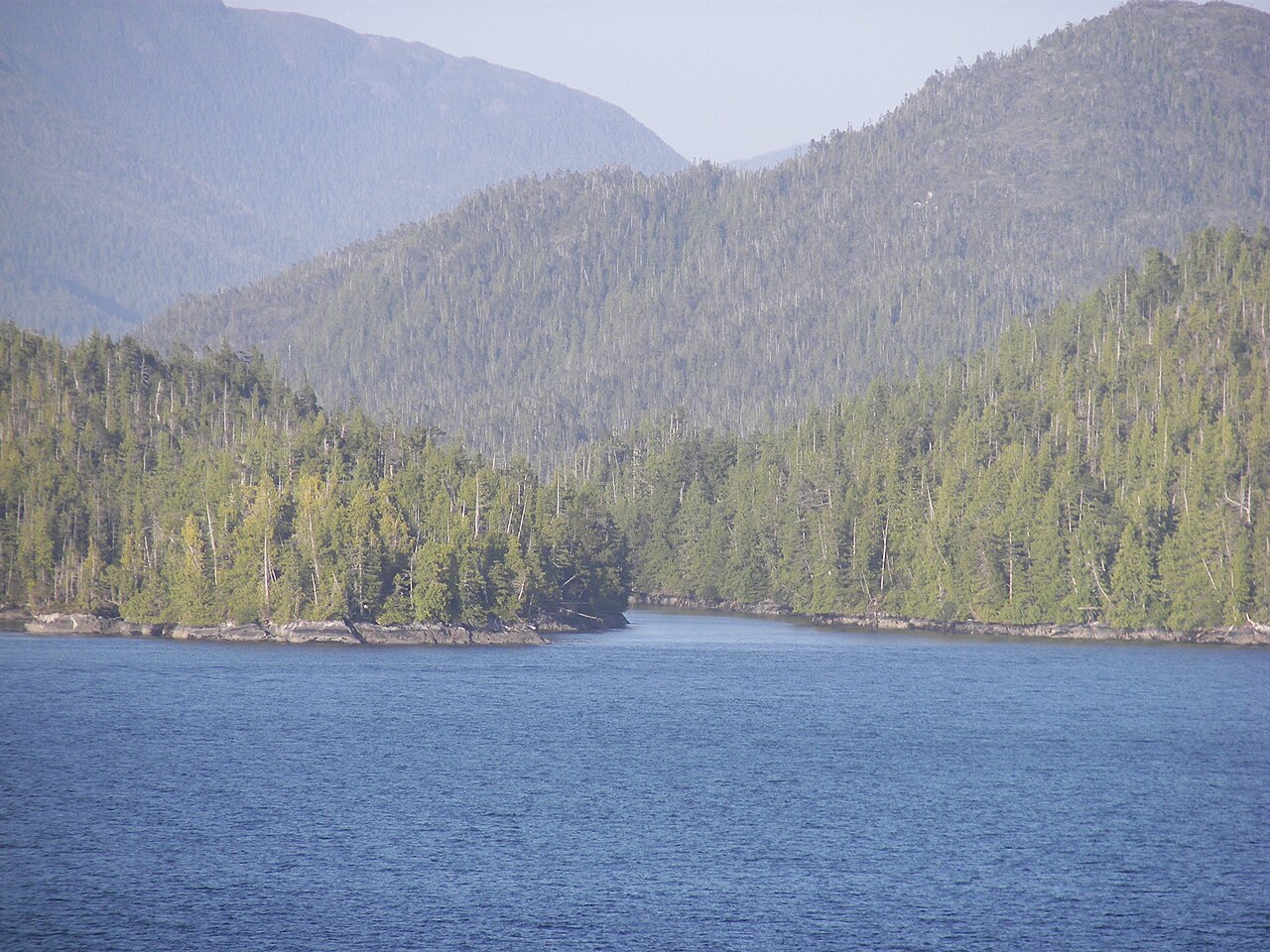 Illustrative · Wknight94
Alaska Marine Highway Ferry
One of the classic ways to experience Inside Passage.
Varies (estimate)
Partner link · Viator