
Indiana Dunes National Park offers an incredible variety of activities that stretch far beyond simple beach days. Spanning 15 miles of Lake Michigan coastline, the park is a mosaic of high dunes, quiet woodlands, and mysterious wetlands. Whether you are an avid hiker looking for a physical challenge, a family seeking a safe place for children to play in the water, or a history buff interested in the unique architecture of the Century of Progress homes, there is something here for everyone. The park's proximity to urban centers makes it an accessible escape into a globally rare ecosystem.
Conquer the 3-Dune Challenge
For those seeking a physical test, the 3-Dune Challenge at the adjacent State Park (often visited in tandem with the National Park) is a must. This 1.5-mile trail requires you to climb the three highest dunes in the area: Mt. Tom, Mt. Holden, and Mt. Jackson. The total vertical climb is 552 feet, and much of it is through loose sand, which makes every step twice as hard. The reward for reaching the summits is unparalleled views of the lake and the surrounding forest canopy.
This hike is strenuous but rewarding, providing a true sense of the scale of these sandy giants. It is best tackled in the early morning before the sun gets too hot, as the sand can become quite warm. Make sure to wear shoes with good traction, though many locals prefer going barefoot to better navigate the shifting slopes. Once completed, you can stop by the visitor center to commemorate your achievement. It is a great way to see the various stages of dune succession, from the bare sand to the stabilizing beach grass.
Relax at West Beach and Bathhouse
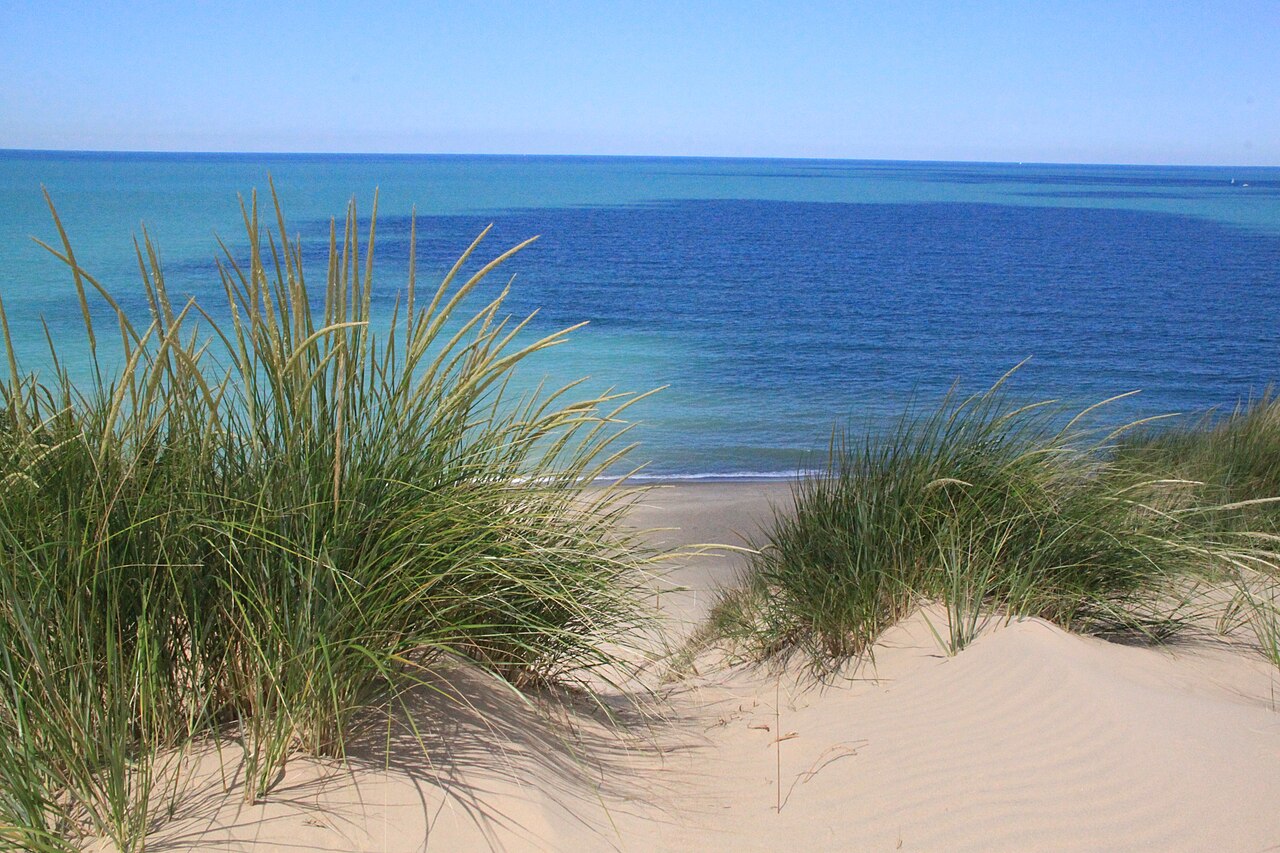
West Beach is the premier spot for visitors who want the classic beach experience combined with excellent facilities. It features a large parking area, a staffed bathhouse with showers, and designated swimming areas with lifeguards during the summer season. The beach itself is wide and sandy, perfect for sunbathing, building sandcastles, or enjoying a picnic with the sound of the waves in the background. It is one of the most popular spots in the park, so early arrival is highly recommended.
Beyond the sand, West Beach is home to the Dunes Succession Trail. This boardwalk hike takes you through the various stages of dune development, from the beach to the jack pine forest. The trail includes several flights of stairs that offer panoramic vistas of the lake and the distant Chicago skyline on clear days. It is a fantastic educational walk for families, as interpretive signs explain how the landscape changes over hundreds of years due to wind and vegetation. The combination of recreation and education makes West Beach a central hub for park visitors.
Explore the Cowles Bog Trail
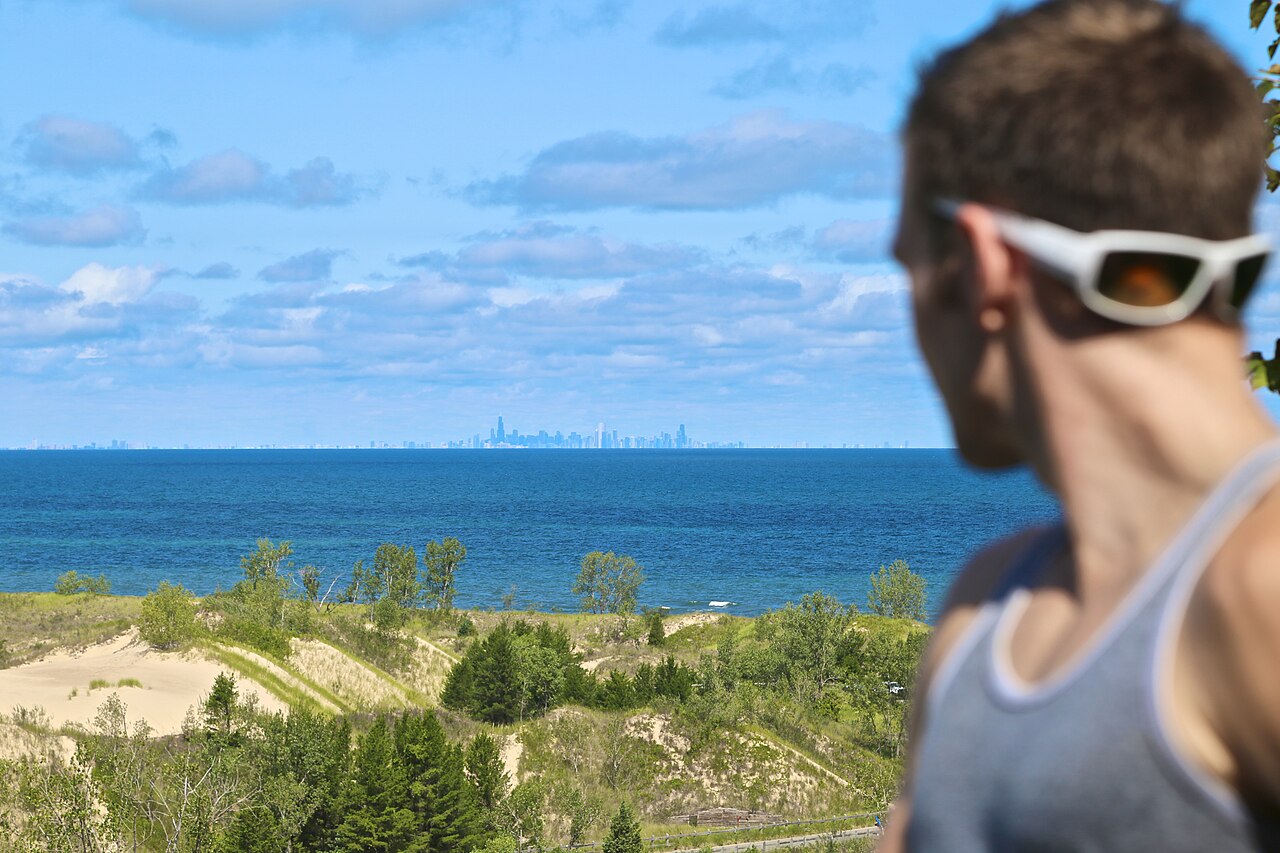
If you want to experience the park's immense biodiversity, the Cowles Bog Trail is an essential hike. Named after Henry Chandler Cowles, a pioneer in ecology, this area contains a mix of marshes, swamps, and oak savannas. The 4.7-mile loop is moderately difficult and takes you through some of the most sensitive and beautiful habitats in the park. You will walk past towering ferns, through shaded forests, and eventually reach a secluded section of the Lake Michigan shoreline.
This trail is particularly popular for birdwatching and spotting local wildlife like deer and turtles. The bog itself is a floating mat of vegetation that supports unique plant life not found elsewhere in the region. Because the trail covers varied terrainâfrom flat marshlands to steep sandy climbsâit provides a comprehensive look at the parkâs inland features. It is often less crowded than the main beach trails, offering a sense of tranquility. Be sure to bring bug spray during the summer months, as the wetlands can be a haven for mosquitoes.
Discover History at the Century of Progress Homes
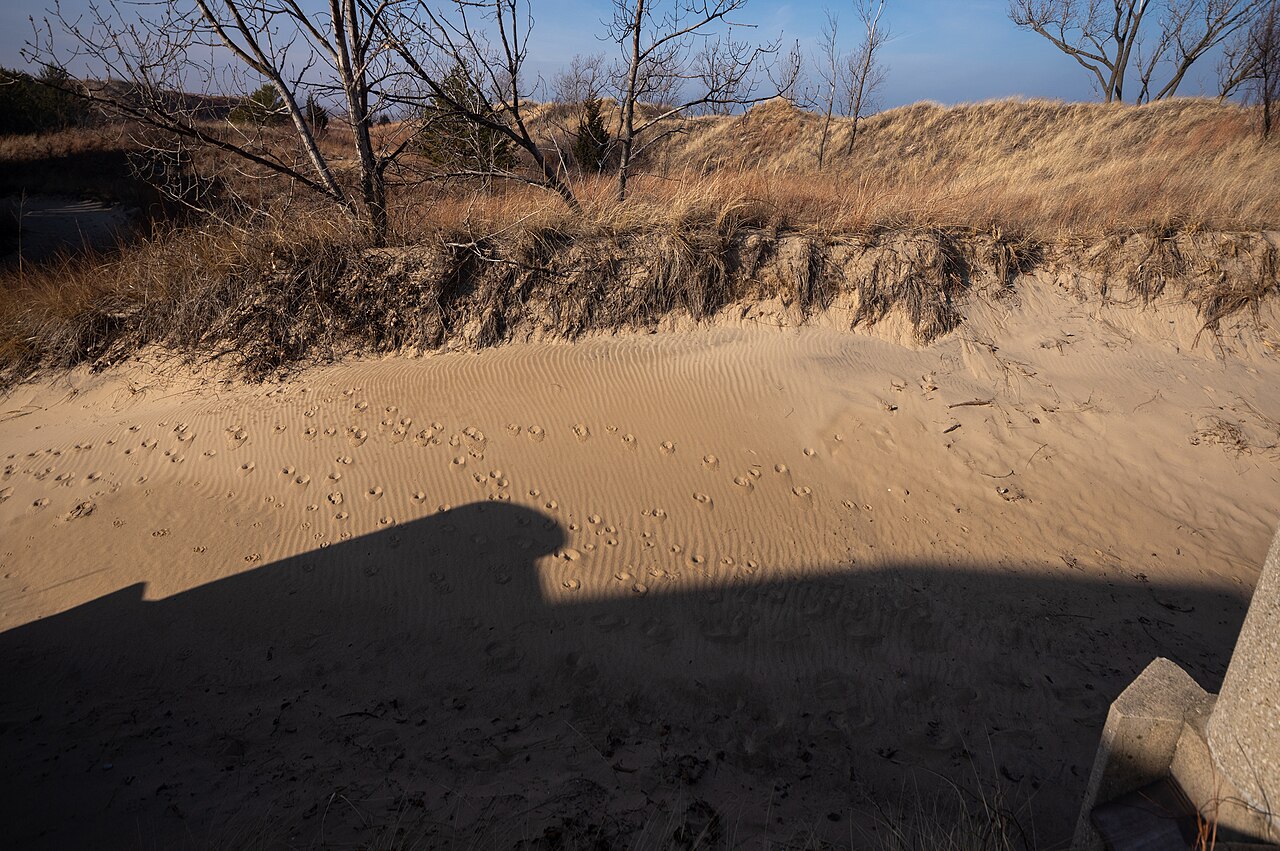
A unique cultural feature of Indiana Dunes is the collection of Century of Progress homes located in the Beverly Shores area. These five houses were originally built for the 1933 Chicago World's Fair to showcase the future of residential architecture and modern conveniences. After the fair, they were moved by barge across Lake Michigan to their current location. The homes include the iconic bright pink Florida Tropical House and the cypress-log House of Tomorrow.
While the homes are privately leased and typically not open for interior tours except during special annual events, you can take a self-guided walking or driving tour to view their exteriors. The architecture is a fascinating contrast to the natural dunescape surrounding them. The National Park Service provides interpretive signage that details the history of each structure and the vision of the architects who designed them. It is a great 'rainy day' activity or a way to spend a quiet afternoon learning about the region's connection to the World's Fair and the evolution of 20th-century design.
Birding and Wildlife at the Great Marsh
The Great Marsh is the largest interdunal wetland in the Lake Michigan watershed and a paradise for nature lovers. A series of accessible overlooks and flat trails make this one of the best spots for birding in the Midwest. Depending on the season, you can see Great Blue Herons, Sandhill Cranes, and a variety of waterfowl. The marsh acts as a critical stopover point for birds during their spring and fall migrations, making it a dynamic place to visit multiple times a year.
The Great Marsh Trail is relatively short and easy, making it ideal for visitors with young children or those who prefer a less strenuous walk. In the early morning or late evening, you might even spot beavers or muskrats active in the water. The peaceful environment is a sharp contrast to the bustling lakefront, providing a quiet space for reflection and nature photography. Check the official NPS website for seasonal bird lists and recent sightings reported by park rangers to help you know what to look for during your visit.