
Choosing the best time to visit Indiana Dunes National Park depends on whether you seek the high energy of summer beach days or the quiet, frost-covered solitude of the dunes in winter. Located along the southern tip of Lake Michigan, this park experiences a full range of Midwestern seasons, each transforming the landscape from vibrant wildflower meadows to stark, sandy ridges. While summer offers the classic lakefront experience, spring and fall provide unique opportunities for birding and hiking without the intense midday heat or the largest crowds.
Summer Sun and Lake Michigan Shores
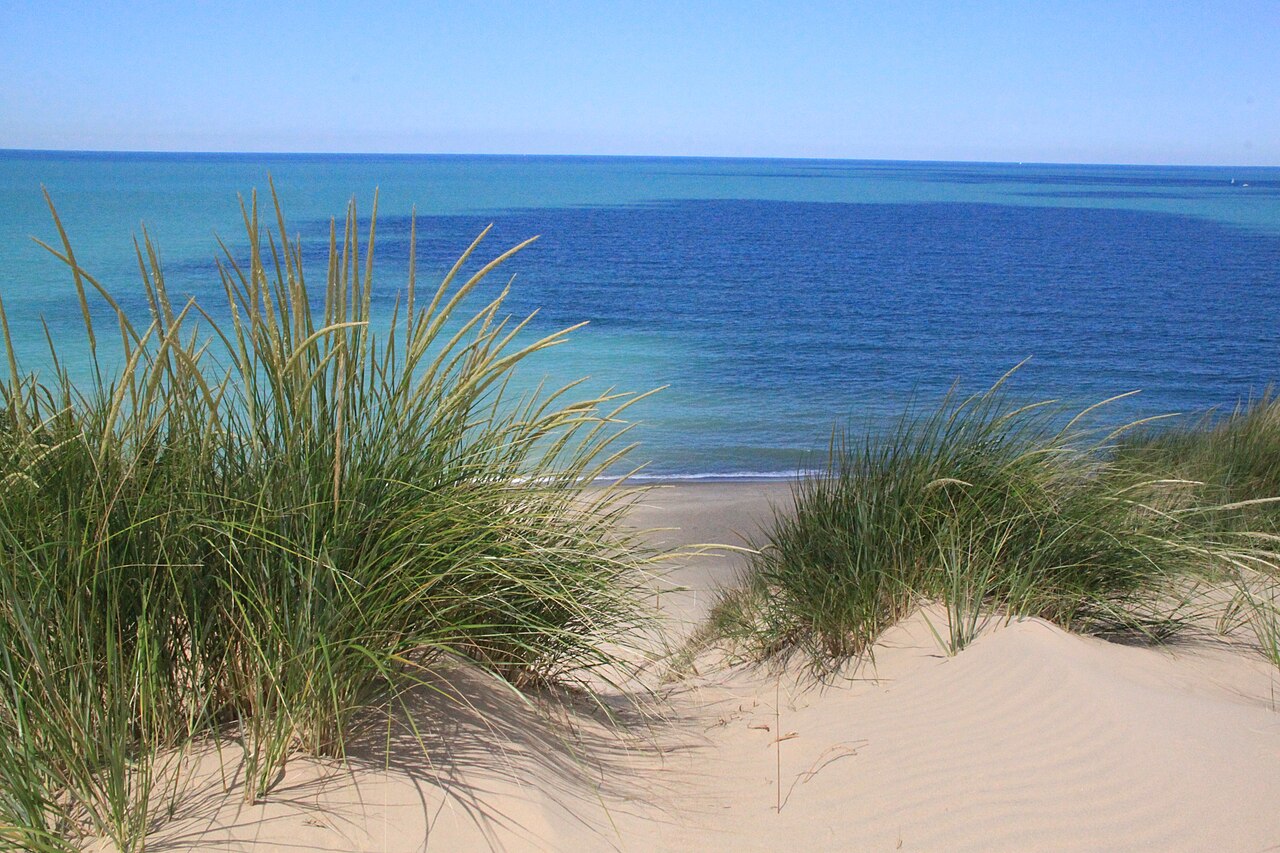
Summer, particularly from June through August, is arguably the most popular time to explore the dunes. During these months, temperatures typically range from the mid-70s to the high 80s, creating the perfect climate for swimming in Lake Michigan or lounging on the wide sandy beaches. The water temperature takes time to warm up, usually reaching its peak in late July. This is the season when the park is most vibrant, with all visitor centers fully operational and ranger-led programs at their peak frequency.
However, summer visitors should be prepared for significant crowds, especially on weekends and holidays. Parking lots at popular spots like West Beach or Porter Beach often fill up by mid-morning. To ensure a smoother experience, plan to arrive shortly after sunrise or visit during the middle of the week. The humidity can be high, so staying hydrated and applying sunscreen regularly is essential while navigating the exposed sandy slopes of the dunes.
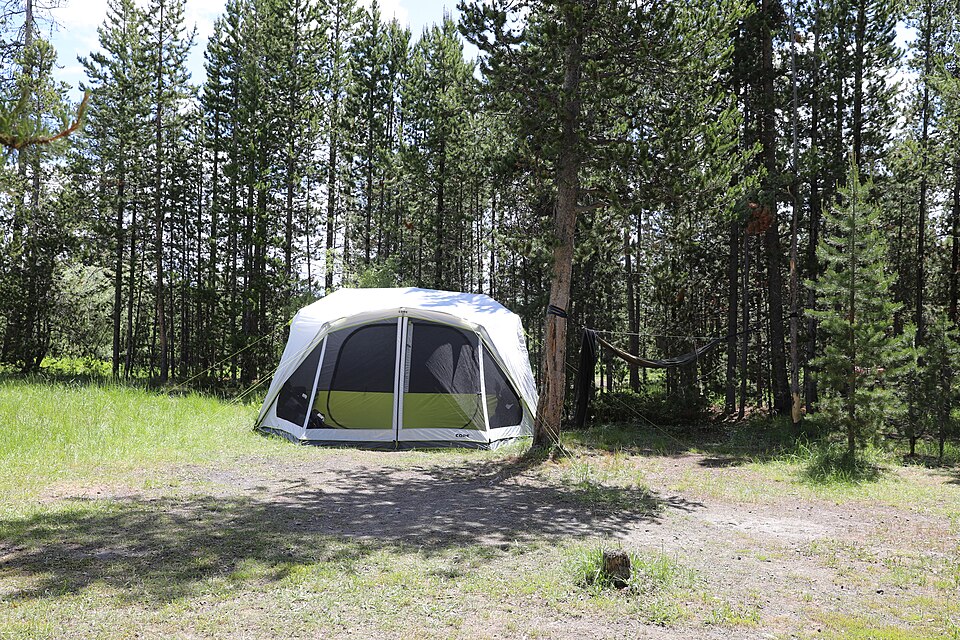
Lock in a stay for this season
RV parks near Indiana Dunes National Park on RoverPass
Partner link · RoverPass
Spring Blooms and Migratory Birds
Spring is a season of dramatic transformation in Northern Indiana. As the ice melts off the lake, the park's diverse ecosystems begin to stir. Early spring, around April and May, is a premier time for birdwatchers, as thousands of migratory birds use the lakefront as a resting point on their journey north. You can often spot warblers, hawks, and shorebirds congregating in the wetlands and oak savannas. The weather is unpredictable during this time, with crisp mornings and occasional rain showers, so layering is key.
By May, the forest floor is carpeted with spring ephemerals like trout lilies and trilliums. The temperatures are generally mild, making it one of the most comfortable times for long-distance hiking on the Cowles Bog Trail or the Heron Rookery. While the lake remains too cold for swimming, the lack of summer insects and the manageable crowd levels make spring a favorite for those seeking a more peaceful connection with the natural landscape.
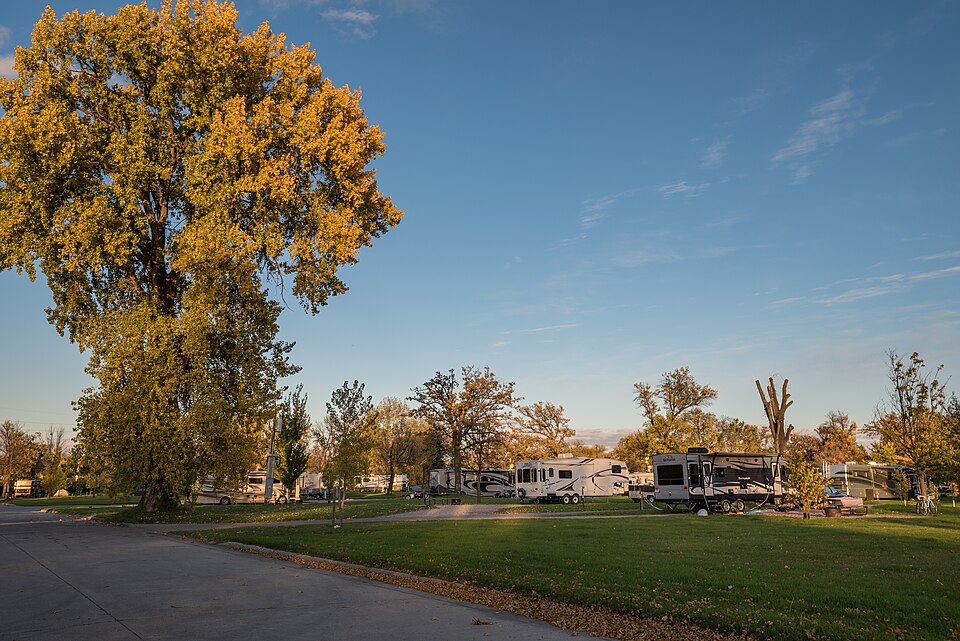
Lock in a stay for this season
Campsites near Indiana Dunes National Park on Campspot
Partner link · Campspot
Autumn Colors and Cool Breezes
Fall is widely considered one of the best times to visit Indiana Dunes for photography and hiking. Starting in late September and peaking in mid-October, the maples, oaks, and sumacs turn brilliant shades of orange, red, and gold. The contrast of the fiery foliage against the deep blue of Lake Michigan and the pale sands is breathtaking. Temperatures drop to a comfortable range in the 60s, which is ideal for tackling the strenuous 3-Dune Challenge without the risk of overheating.
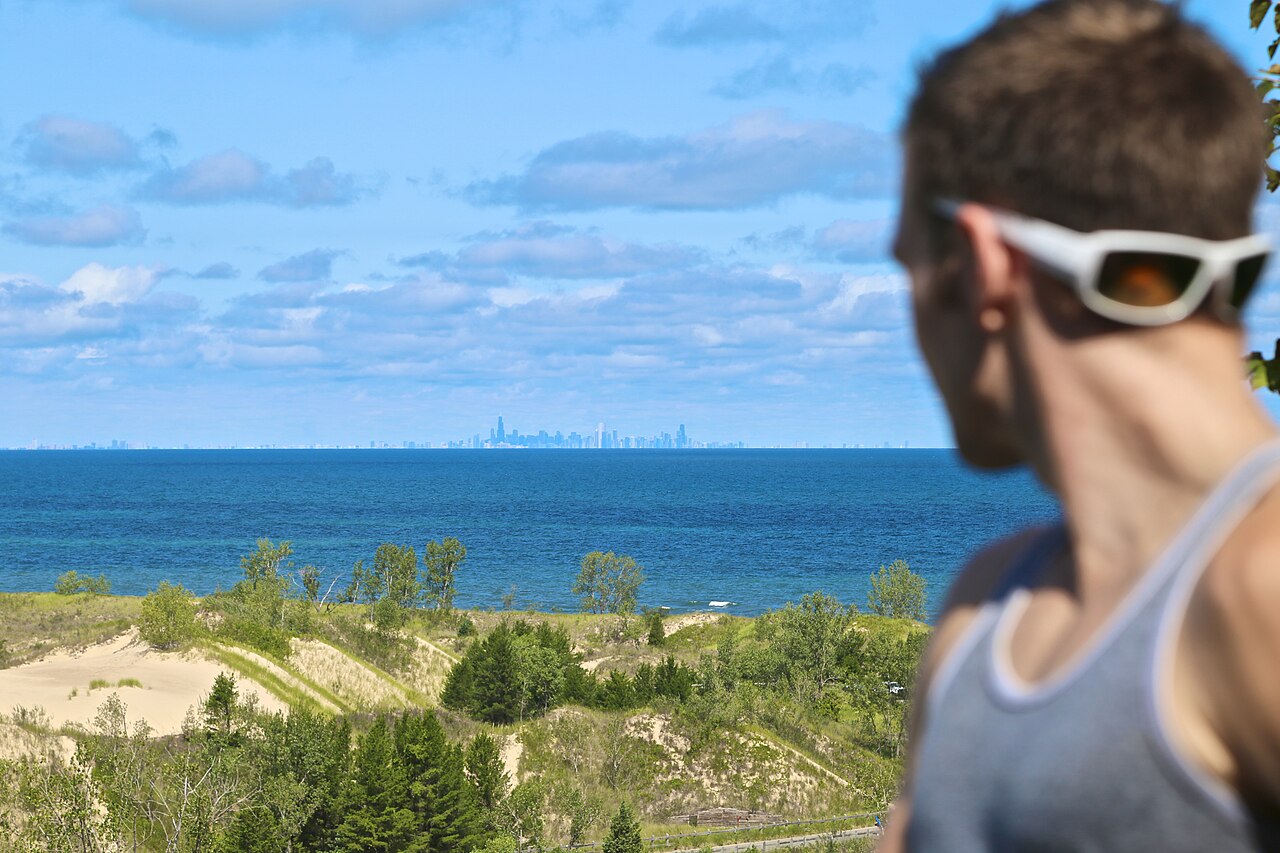
The humidity of summer fades, and the crisp air provides excellent visibility across the lake, sometimes allowing for clear views of the Chicago skyline. Most of the summer crowds have dispersed by Labor Day, giving the trails a sense of quietude. Fall is also harvest season in the surrounding towns of Chesterton and Valparaiso, where you can find local apple orchards and pumpkin patches to visit after a day in the park. Be sure to check the official NPS site for updated fall foliage reports.
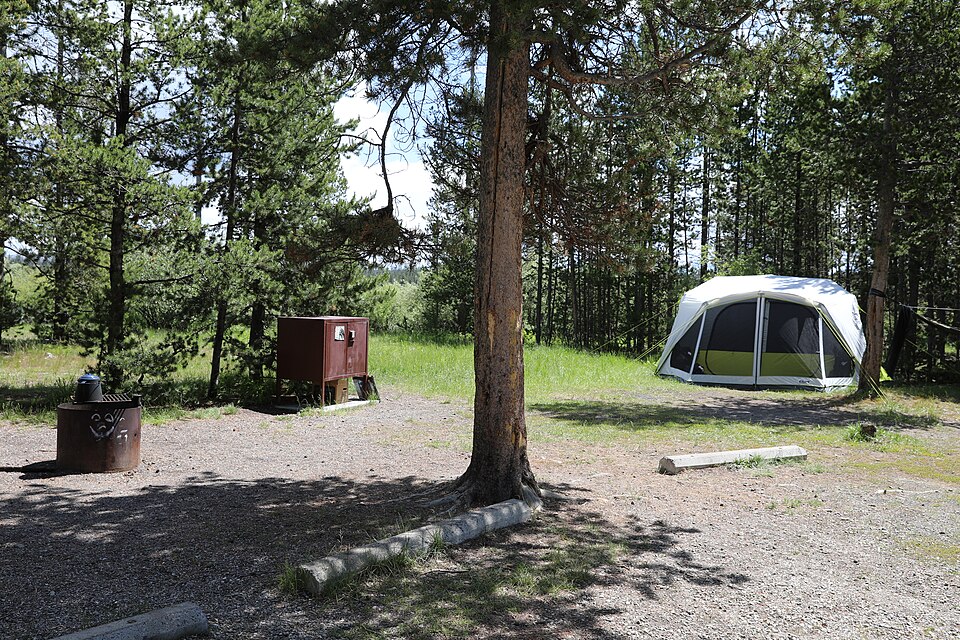
Lock in a stay for this season
Harvest Hosts stays on the way to Indiana Dunes National Park
Partner link · Harvest Hosts
Winter Solitude and Shelf Ice
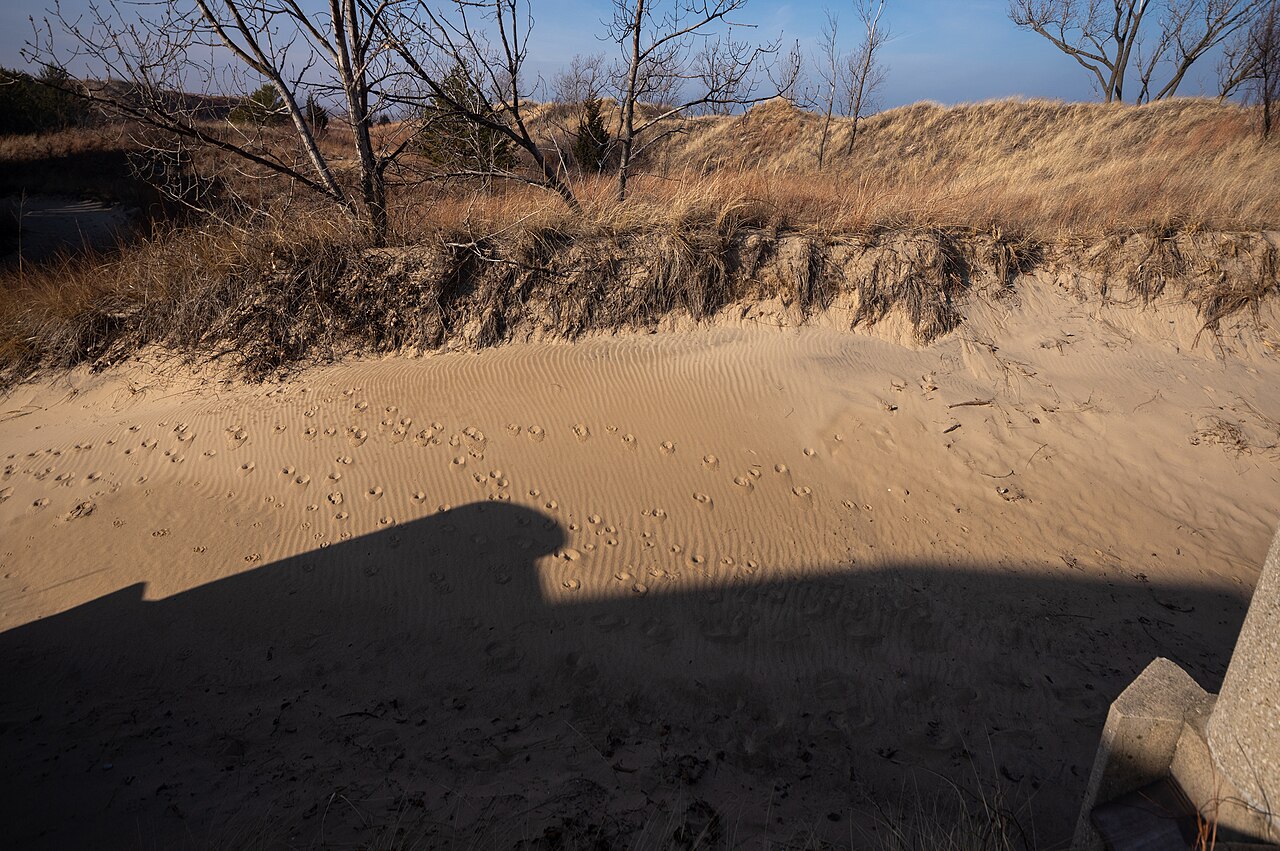
Winter at the dunes is a starkly beautiful experience, offering a completely different perspective than the warmer months. From December through February, the park is often covered in a blanket of snow, turning the dunes into a quiet, white wonderland. One of the most unique phenomena is the formation of shelf ice along the shoreline. As waves crash and freeze, they create massive, jagged ridges of ice that extend into the lake. While stunning to look at, it is extremely dangerous to walk on, so visitors must stay on the designated beach areas.
Winter activities include cross-country skiing and snowshoeing on trails like Glenwood Dunes, provided there is enough snow cover. Most facilities operate on reduced hours, and some access roads may be closed depending on weather conditions. It is a time for solitude, where the only sounds are the wind and the crashing waves. Travelers should prepare for biting winds off the lake and ensure they have proper cold-weather gear, including insulated boots and windproof jackets.
Reservations and Planning Tips
Regardless of when you choose to visit, planning ahead is vital for a successful trip. The park transitioned to a fee-based entry system recently, so ensure you have a valid pass or are prepared to pay the entry fee at designated locations. During the peak summer season, camping spots at the Dunewood Campground fill up months in advance. It is highly recommended to monitor the official National Park Service website for reservation windows, which typically open six months out.
If you are visiting during the shoulder seasons of spring and fall, you will find more flexibility with lodging in nearby gateway cities like Michigan City or Chesterton. Always check the weather forecast before heading out, as Lake Michigan can generate localized weather patterns, including sudden fog or lake-effect snow. Remember that while the park is open year-round, certain amenities like lifeguards at West Beach are only available during the peak summer months. Setting realistic expectations for weather and crowds will help you maximize your time in this diverse coastal landscape.
More ways to book Indiana Dunes National Park
 Illustrative · Matthew Dillon from Hollywood, CA, USA
Porter Beach Relaxation
One of the classic ways to experience Indiana Dunes.
Varies (estimate)
Partner link · Viator