
Hunting Island is a rare coastal sanctuary where the rugged wild of the Atlantic meets the quiet mystery of the maritime forest. Visitors come here to escape the commercialized boardwalks of typical beach towns and instead find themselves surrounded by towering palmettos and ancient live oaks. Whether you are looking to scale a historic lighthouse for a bird's-eye view of the Lowcountry or paddle through winding saltwater creeks, the island provides a diverse range of activities for every type of outdoor enthusiast.
Climb the Historic Hunting Island Lighthouse
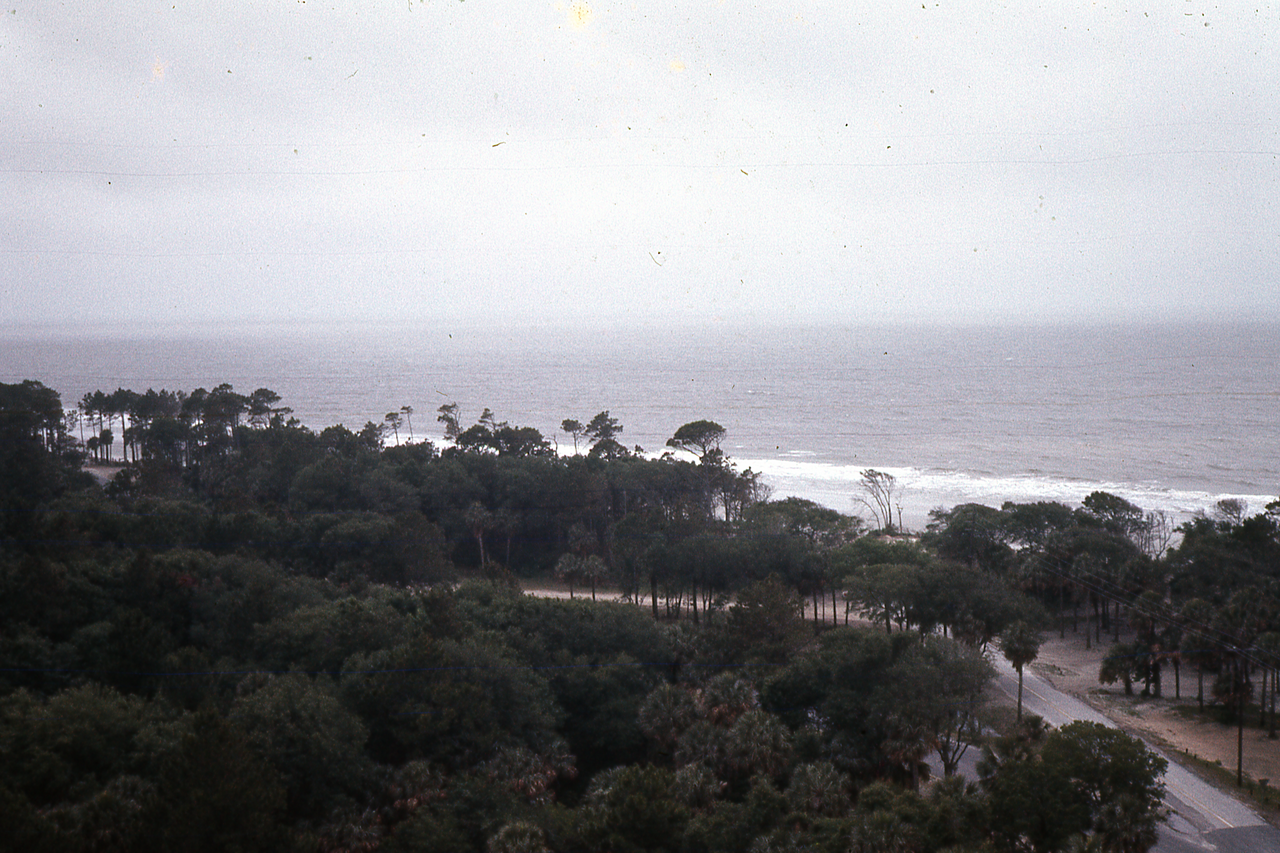
The most iconic landmark on the island is the Hunting Island Lighthouse, the only lighthouse in South Carolina that is open to the public for climbing. Originally built in 1859 and reconstructed in 1875, this cast-iron structure stands 132 feet tall. Climbing the 167 steps to the top rewards you with a panoramic view of the Atlantic Ocean and the surrounding marshes. It is a fantastic way to orient yourself and see the distinct layers of the island's ecosystem from above.
As you ascend, you will notice the unique design of the lighthouse, which was built to be dismantled and moved in case of severe shoreline erosionâa common challenge for barrier islands. Below the tower, the light station complex includes the lighthouse keeper's dwelling, which now serves as an interpretive center. Here, you can learn about the daily lives of the keepers who once manned the light to protect ships navigating the treacherous coastal waters. It is an essential stop for history buffs and photographers alike.
Explore the Boneyard Beach and Dunes
One of the most visually stunning things to do in Hunting Island is walking along the 'boneyard beach.' Due to natural erosion, the ocean has reclaimed parts of the maritime forest, leaving behind hundreds of sun-bleached skeletons of oak and pine trees. These silvered trunks rise out of the sand and surf, creating a hauntingly beautiful landscape that is a favorite for artists and nature photographers. Walking this stretch at low tide allows you to weave between the fallen giants and discover small tide pools teeming with life.
Beyond the boneyard, the island features an expansive dune system that protects the interior forest. It is important to stay on designated boardwalks to protect the fragile sea oats that hold these dunes in place. The beach itself is perfect for long, uninterrupted walks, shell hunting, and spotting shorebirds like sandpipers and pelicans. Because the island is managed as a state park, the shoreline remains undeveloped, providing a sense of wildness that is increasingly hard to find along the Eastern Seaboard.
Hiking the Maritime Forest Trails
Away from the salt spray, the interior of the island is home to a lush maritime forest crisscrossed with several miles of hiking trails. The Maritime Forest Trail offers a moderate hike through a dense canopy of live oaks, cabbage palmettos, and slash pines draped in Spanish moss. It is a cool, shaded escape even on the warmest days. For a different perspective, the Lagoon Trail winds along the edge of a tranquil saltwater lagoon, providing excellent opportunities to spot alligators basking on the banks and herons wading in the shallows.
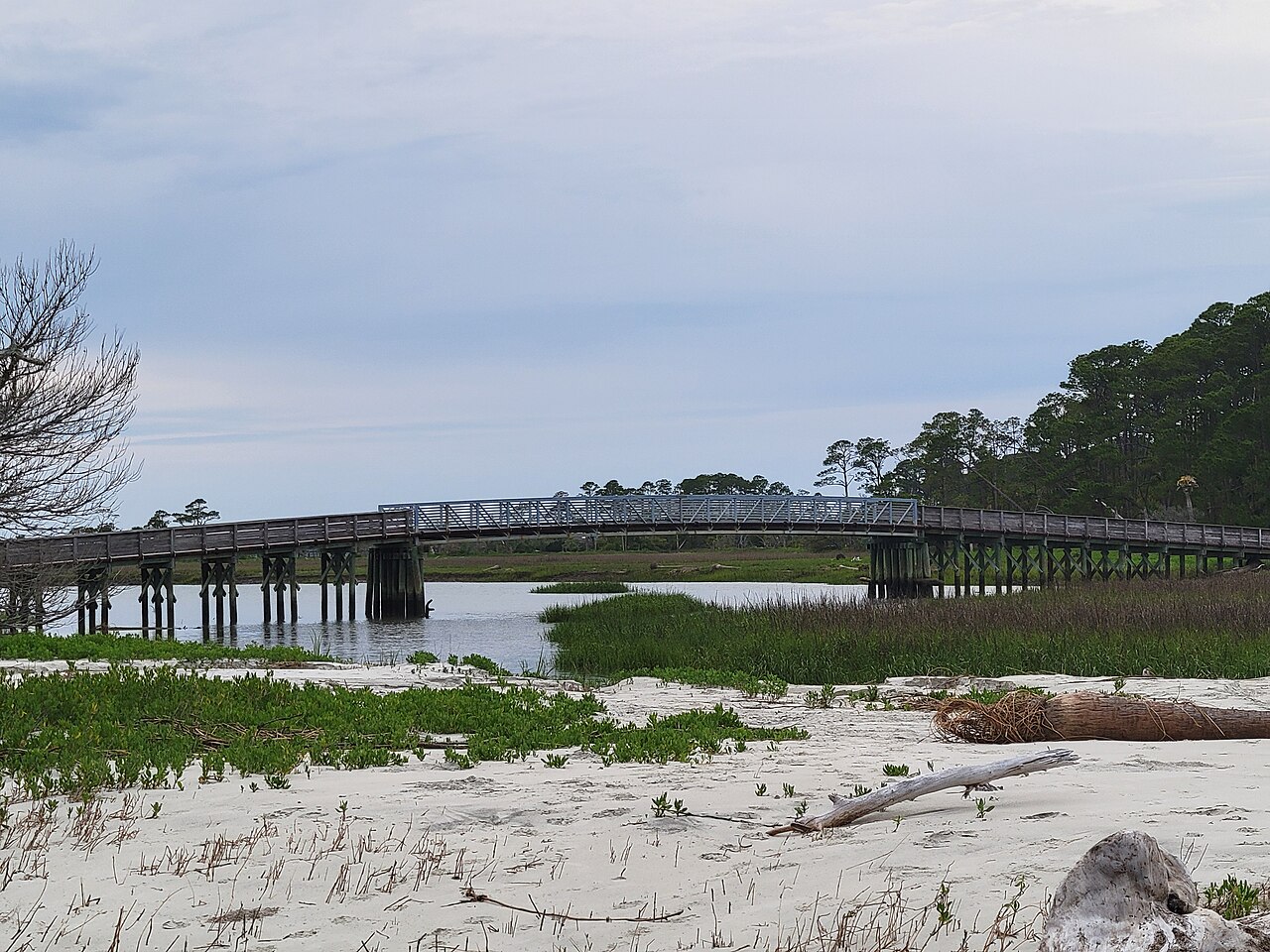
If you prefer a shorter walk, the Boardwalk Trail takes you across the marsh to a small hammock island, offering a close-up look at the complex ecosystem of the salt marsh. Look for fiddler crabs scurrying through the mud and listen for the distinct call of the marsh wren. The trails are generally flat and well-maintained, making them accessible for families with children. Biking is also allowed on many of these paths, providing a faster way to explore the transition from forest to marsh.
Wildlife Viewing at the Nature Center
For families and curious minds, the Hunting Island Nature Center is a must-visit. Located at the entrance to the fishing pier, the center features live exhibits of local reptiles and sea life, including snakes, turtles, and small sharks. The knowledgeable staff and volunteers provide fascinating insights into the island's biodiversity, explaining the importance of the salt marsh as a 'nursery' for the ocean. It is an excellent place to spend a rainy hour or to cool off in the air conditioning while learning about the creatures you might encounter on the trails.
Outside the center, the long fishing pier stretches out into Fripp Inlet. Even if you aren't an angler, walking to the end of the pier is a great way to spot Atlantic bottlenose dolphins, which are frequently seen feeding in the tidal currents. You might also see brown pelicans diving for their dinner or rays gliding through the clear water below. The nature center often hosts guided walks and educational programs, so checking the daily schedule at the visitor center is highly recommended.
Paddling the Saltwater Marshes
To truly experience the Lowcountry, you must get out on the water. Kayaking and paddleboarding in the saltwater marshes behind the island offer a serene way to explore the tidal creeks. As you glide through the tall Spartina grass, you are likely to encounter a variety of wildlife, from snowy egrets to wood storks. The water is generally calm, making it suitable for beginners, though you should always be mindful of the strong tidal shifts that characterize the South Carolina coast.
Several local outfitters in the Beaufort and St. Helena Island area offer guided tours or equipment rentals. A guided tour is often the best way to learn about the 'plashing' sounds of fish or the geological history of the barrier islands. If you have your own boat, there is a public boat ramp located on the south end of the island near the bridge to Fripp Island. Exploring the marsh at sunset, when the sky turns shades of pink and orange and the water becomes like glass, is perhaps one of the most magical experiences the island has to offer.