
Choosing the best time to visit Hunting Island depends on whether you prefer warm Atlantic waters or quiet, breezy beach walks. This South Carolina gem transforms with the seasons, offering a different landscape between the humid summer months and the crisp, clear days of winter. Most visitors find that the shoulder seasons of spring and fall provide the perfect balance of mild temperatures and active local wildlife, making it the premier time for exploring the maritime forest.
Springtime Blooms and Mild Breezes
Spring is widely considered the best time to visit Hunting Island for those who enjoy outdoor activity without the intense heat of the Deep South. From March through May, the maritime forest comes alive with fresh green growth, and the temperatures typically hover in the comfortable 70s. This is the ideal window for hiking the lagoon trails or climbing the historic lighthouse before the summer humidity settles over the Lowcountry.
Birdwatching is particularly productive during these months as migratory species pass through the Atlantic Flyway. You will likely see painted buntings arriving to nest in the dense scrub. Because the weather is so pleasant, campsite reservations for the spring months tend to fill up well in advance. Planning at least six months ahead is recommended if you hope to secure a spot near the dunes during the peak of the spring bloom when the air is fresh and the insects are still relatively quiet.
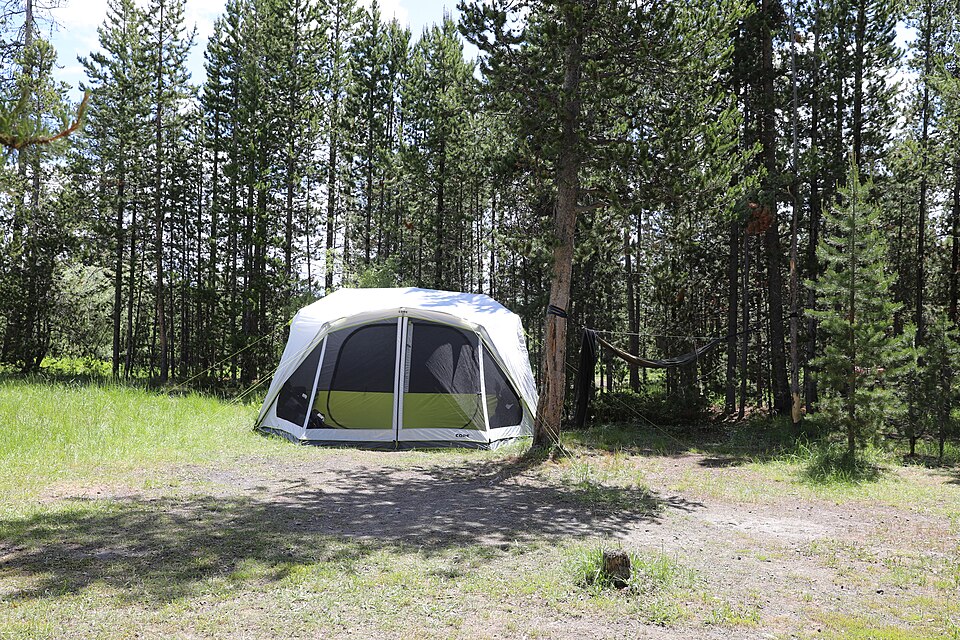
Lock in a stay for this season
RV parks near Hunting Island on RoverPass
Partner link · RoverPass
Summer Sun and Sea Turtle Nesting
Summer on Hunting Island is characterized by high heat, soaring humidity, and the warm, inviting waters of the Atlantic. From June through August, daily highs frequently reach the 90s, making water-based activities like swimming and paddleboarding the primary draw. This is also the critical season for loggerhead sea turtles, which crawl ashore under the cover of darkness to lay their eggs in the sand. Witnessing the marked nests along the shore is a highlight for many families, though visitors must strictly follow local lighting ordinances to protect the hatchlings.
Be prepared for the famous Lowcountry mosquitoes and biting gnats, which are most active during the summer twilight. While the beach breeze offers some relief, the interior forest trails can feel quite heavy. Crowds are at their peak during school holidays, so expect a bustling atmosphere at the pier and the visitor center. If you visit now, hydration and sun protection are your most important tools for a successful trip.
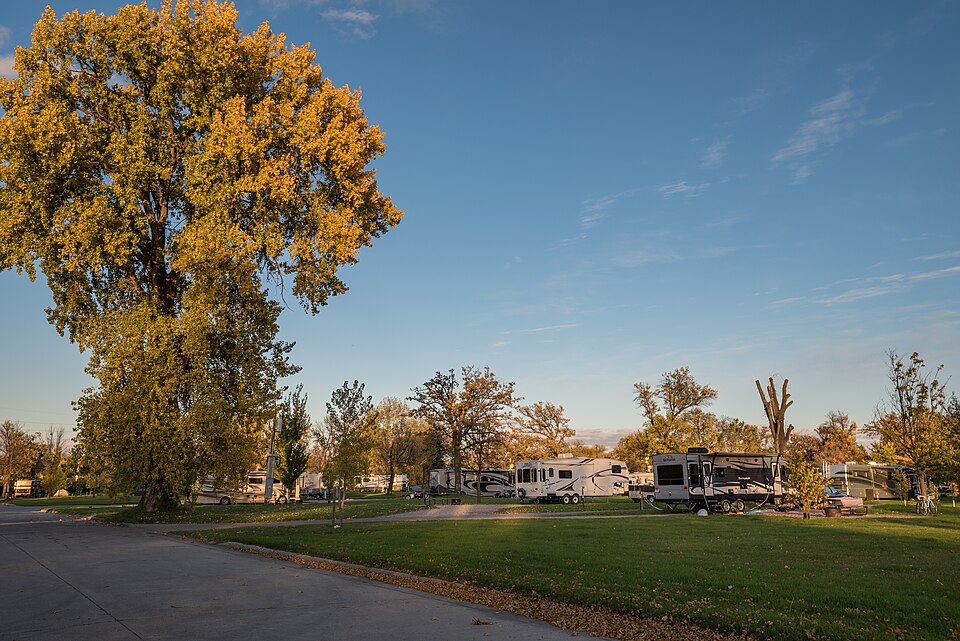
Fall: The Lowcountry's Hidden Gem
Many locals argue that September through November is the true best time to visit Hunting Island. As the summer crowds dissipate, the island returns to a state of profound tranquility. The water remains warm enough for swimming well into October, but the air temperature drops to a crisp, manageable level. The humidity breaks, replaced by clear blue skies and golden light that is perfect for photography, especially near the boneyard beach where bleached trees stand against the surf.
Fall also brings the spectacular monarch butterfly migration, where thousands of butterflies can be seen fluttering through the dunes. Fishing at the salt leaf pier is particularly good during these months as redfish and trout become more active. While hurricane season does run through November, the majority of fall days are characterized by stable, dry weather that is perfect for long evening bonfires at the campground and late-afternoon bike rides along the maritime forest canopy.
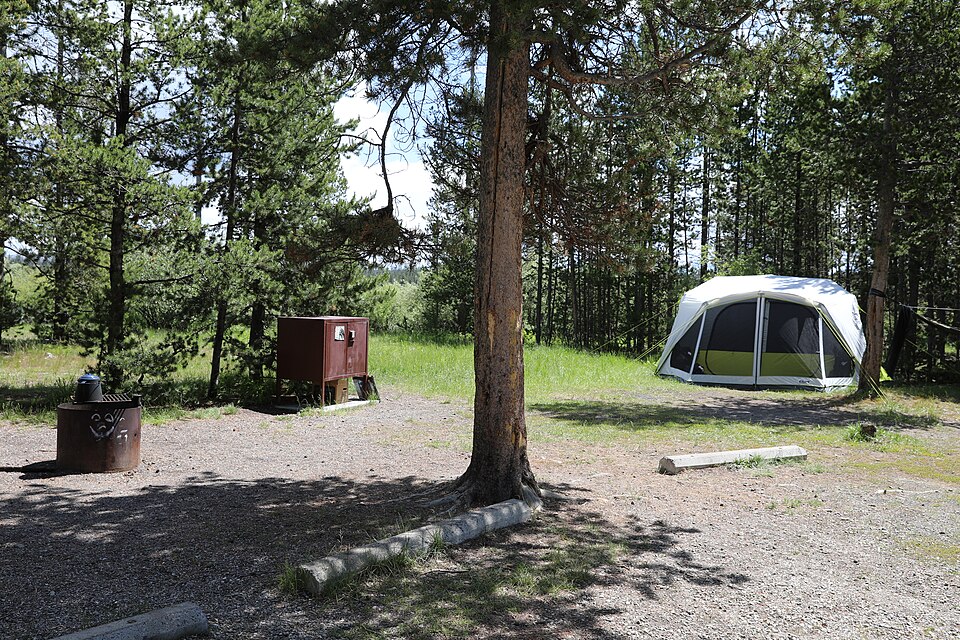
Lock in a stay for this season
Harvest Hosts stays on the way to Hunting Island
Partner link · Harvest Hosts
Winter Solitude and Coastal Chill
Winter offers a completely different perspective on the South Carolina coast. From December through February, temperatures can range from the 40s to the 60s, occasionally dipping lower during cold snaps. While it is too cold for swimming, the island becomes a sanctuary for those seeking solitude. You can often walk miles of shoreline without seeing another soul, making it the perfect time for reflective beachcombing and searching for shells or fossilized shark teeth washed up by winter storms.
Reservations are much easier to come by during the winter, and the lack of foliage on some deciduous trees makes it easier to spot hawks and bald eagles perched high in the pines. The historic lighthouse remains open for climbing, and the view of the frost-dusted marshlands from the top is breathtaking. Just be sure to pack layers, as the ocean breeze can feel quite sharp even on a sunny afternoon. It is a quiet, contemplative time that showcases the raw beauty of the barrier island.
Navigating Crowds and Reservations
Because Hunting Island is one of South Carolina's most popular state parks, timing your reservation is just as important as timing your weather. Weekends from April through September are almost always at capacity. If your schedule allows, mid-week visits during the shoulder seasons offer the most peaceful experience. For those planning to camp, the state park reservation system typically opens spots thirteen months in advance, and the most desirable oceanfront sites are often snapped up within minutes of becoming available.
Always check the official park or National Park Service sites for current conditions, as seasonal tides or weather events can occasionally impact access to certain trails or beach sections. If you find the park is full, nearby Beaufort offers a wonderful home base with easy daytime access to the island. Regardless of when you go, arriving early in the morning is the best strategy to secure a parking spot near your preferred trailhead or beach access point, ensuring you have the full day to immerse yourself in the island's natural wonders.
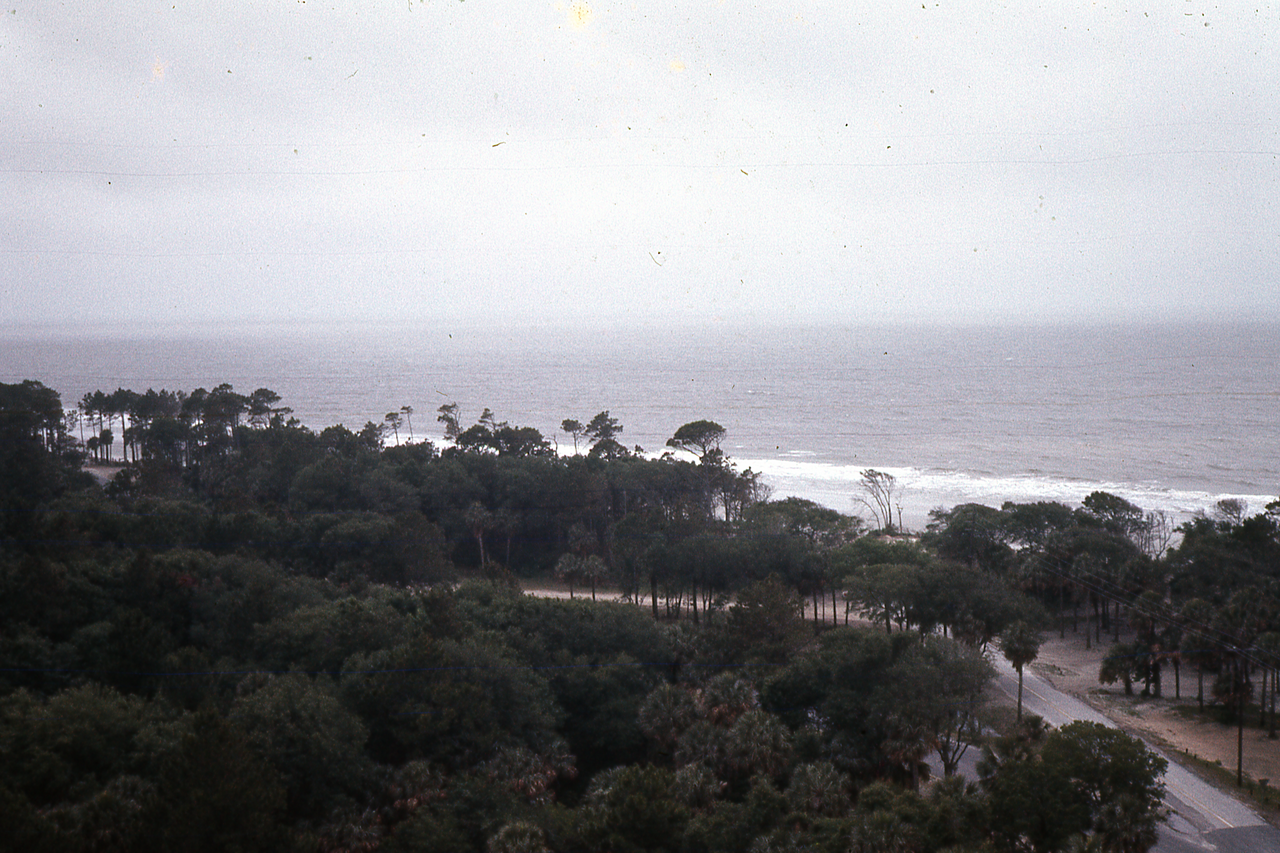
More ways to book Hunting Island
 Illustrative · Roger Vreeland
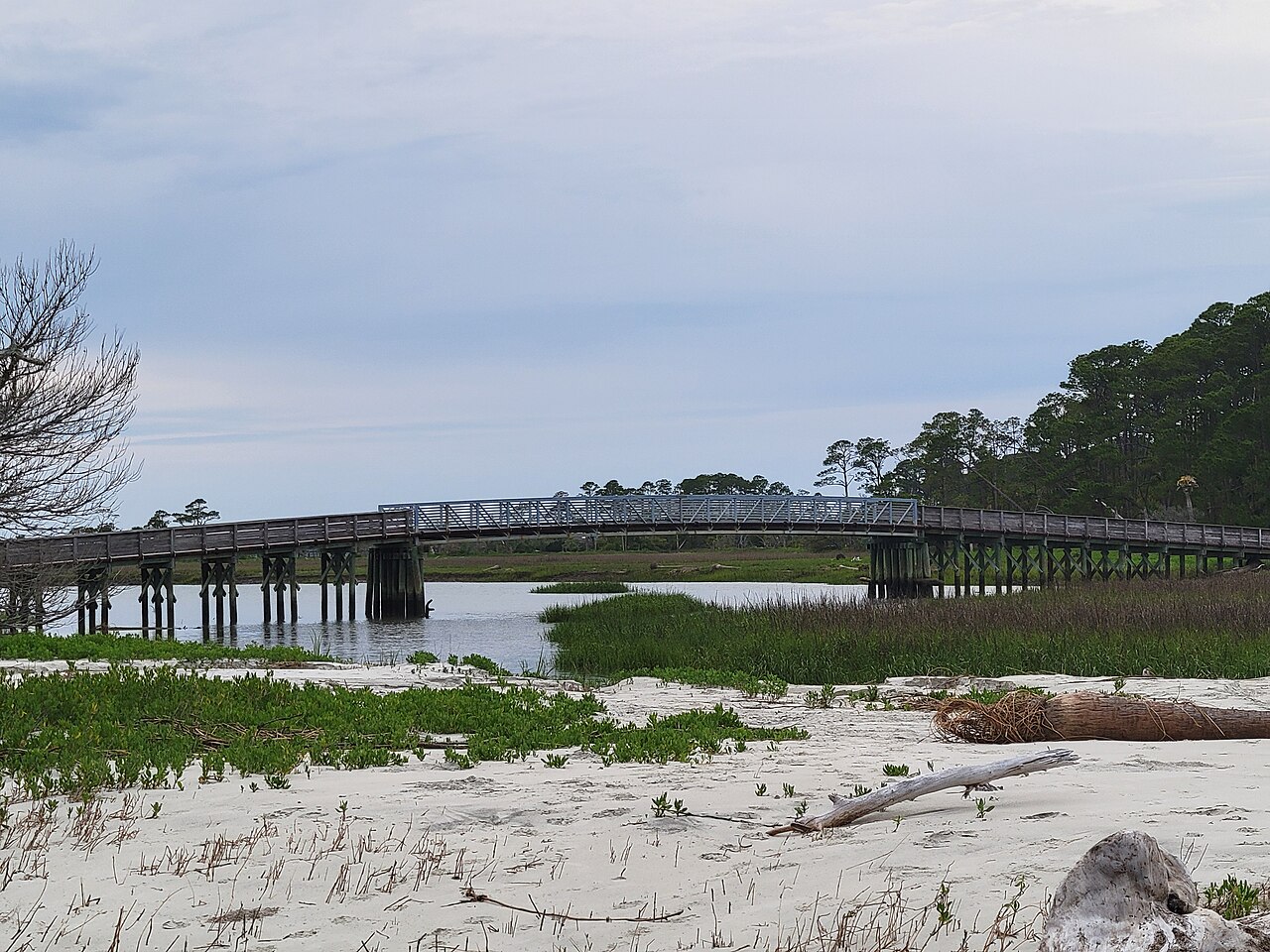
Marsh Boardwalk Trail
One of the classic ways to experience Hunting Island.
Varies (estimate)
Partner link · Viator