
Hood River brings together the Columbia River Gorge, a working orchard valley, and access toward Mount Hood in one compact trip. You can watch wind sports from shore, hike above the river, and browse farm stands without making every day an ambitious expedition. With two to four days, choose one main outing each morning and leave the afternoon open for waterfront walks, downtown stops, or a scenic drive.
Spend Time Along the Columbia River
Start at Hood River’s waterfront to understand why wind sports are so closely tied to the town. Paths and park areas give you places to walk, picnic, and watch colorful sails and kites move across the Columbia. The riverfront can be breezy even when downtown feels warm, so carry an extra layer and secure loose picnic items. Stay clear of equipment launch areas and give riders plenty of room.
If you want to try windsurfing or kiteboarding, book instruction rather than treating the Columbia as a casual practice pond. Conditions, currents, boat traffic, and launch rules all matter. Paddleboarding and kayaking also require careful location and weather choices; ask a qualified local outfitter about suitable options for your experience. For a simpler outing, stay on shore and watch for waterbirds. A waterfront visit works especially well on arrival day because you can shorten or extend it easily.
Choose a Gorge Hike That Fits the Day
The Gorge offers wooded routes, open slopes, and river overlooks, but trail choice should reflect weather and current access rather than a photograph alone. Near Mosier, the Mosier Plateau area is known for river views and spring wildflowers. Farther west, the waterfall corridor offers a different landscape of shaded forest and steep basalt walls. Popular destinations can involve tight parking, reservations, or closures, so research your exact trailhead before driving out.
For a less rugged outing, consider an accessible segment of the Historic Columbia River Highway State Trail near Mosier. Check the official trail map for grades, distances, and any closures before committing. Open hillsides can be hot and exposed in summer, while shaded routes may stay muddy after rain. Carry water, wear shoes with traction, and turn around if conditions exceed your comfort level. Stay on established paths to protect flowers and avoid damaging fragile slopes.
Drive the Orchard Valley Toward Mount Hood
The Hood River Fruit Loop is a self-guided route through the agricultural valley south of town. Rather than trying to visit every stop, pick a small group of farms or stands around Hood River, Odell, and Parkdale. What you find changes with the season: spring blossoms, summer fruit, and fall pears and apples all bring a different reason to explore. Farm hours and visitor offerings vary, so check current listings before setting out.
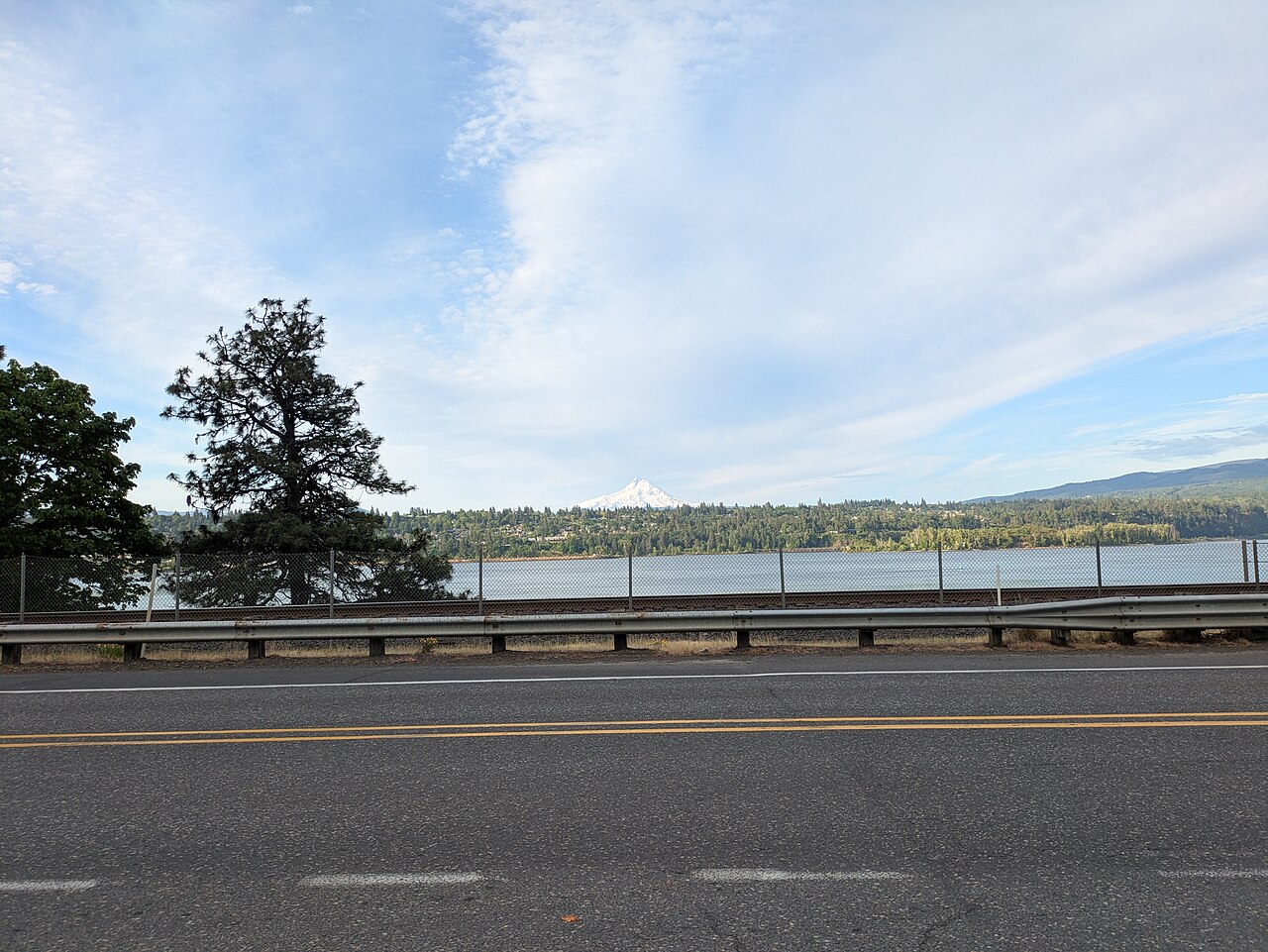
Continue toward Mount Hood when weather and road conditions support a longer drive. Oregon Route 35 connects the valley with forested mountain terrain, creating a strong contrast with the open riverfront. Parkdale offers a natural place to pause and appreciate the mountain setting when skies are clear. Use designated pullouts for photographs, and do not stop in travel lanes or enter private orchards. Choose one mountain destination rather than adding multiple distant stops to an already full farm day.
Plan Easygoing Outings With Kids
For families, the most successful Hood River day often combines one short outdoor activity with plenty of unstructured time. Waterfront parks give children room to move while adults enjoy river views, though close supervision is important near water and active sports areas. A short walk followed by a picnic can be more satisfying than a long hike with a fixed turnaround point.
The valley adds seasonal farm visits, fruit stands, and opportunities to talk about how food grows. Check whether a property actually offers visitor activities; working orchards are not automatically open for wandering. Bring snacks and plan restroom stops rather than relying on every farm to have public facilities. Older children may enjoy watching wind sports or taking an age-appropriate lesson with a qualified provider. For a mixed-weather day, pair an outdoor morning with the Western Antique Aeroplane and Automobile Museum, checking its current admission details and visitor information first.
Keep a Rainy-Day Plan Ready
Rain does not have to turn a Hood River visit into a driving marathon. Downtown works well for a slower day of independent shops, cafés, and a relaxed meal. The History Museum of Hood River County offers local context, while the Western Antique Aeroplane and Automobile Museum provides a substantial indoor stop focused on transportation history. Check each museum’s official information for current access and any special-event changes.
If showers are intermittent, build in a short waterfront walk between indoor stops rather than forcing a muddy hike. A valley drive can still be appealing, but clouds may hide Mount Hood and some farm stands operate seasonally. Avoid making mountain views the only purpose of the day. Before any outdoor outing, review the official park or U.S. Forest Service site for current conditions, trail closures, and reservations. Wet weather is a good reason to simplify your schedule, not to add more distant destinations.