
Hood River glamping can mean a furnished canvas tent, a yurt-style stay, or a small cabin that keeps you close to the Gorge and orchard valley without packing a full campsite. The label does not promise a bathroom, kitchen, or heat, so compare the actual amenities carefully. For a two- to four-day trip, choose your area around the outings you want most: river walks, farm stops, or mountain time.
What Glamping Looks Like Around Hood River
Think of glamping here as a spectrum rather than a standard lodging category. A furnished tent may provide a bed and lighting but still require a walk to shared bathrooms. A yurt or rustic cabin may offer sturdier walls while keeping cooking outdoors. More equipped cabins can feel closer to vacation rentals, with indoor plumbing and a kitchen. Availability changes, so search by features rather than assuming a particular style is common everywhere.
Read listings for bedding, heat, electricity, drinking water, bathroom distance, and cooking rules. Ask whether the unit locks, whether parking is beside it, and whether the path from the car is steep or unpaved. These details matter with children, mobility needs, or an arrival after dark. Wind and rain are part of the Gorge setting, so look for clear information about weather protection. Attractive photographs alone will not tell you how comfortable a tent feels on a cool, gusty night.
Choose Between the Valley, Gorge, and Mountain
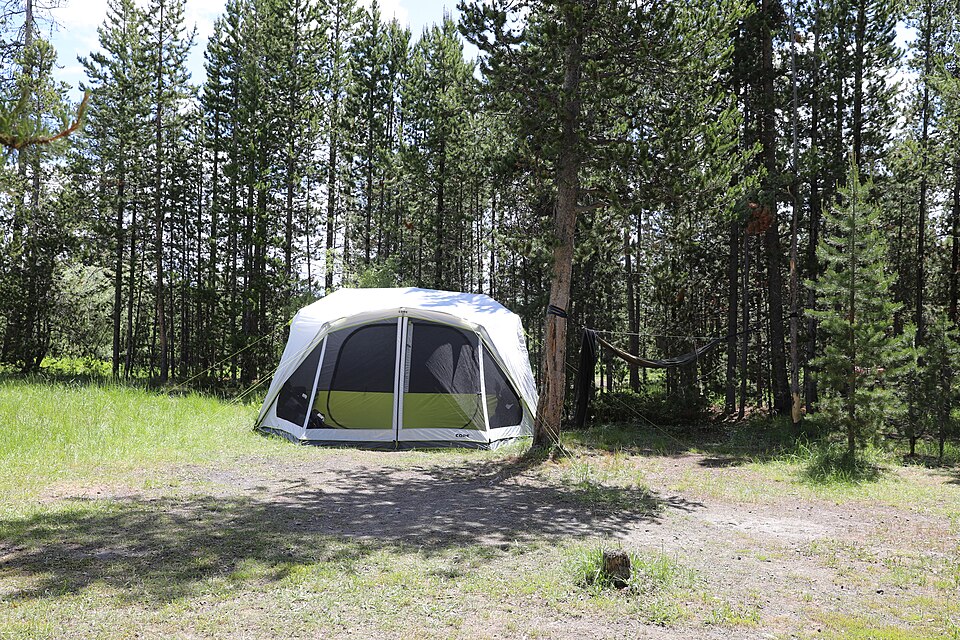
Begin your search around Hood River and the orchard communities of Odell and Parkdale if farm stops and Mount Hood views are your priorities. These areas put you closer to the agricultural valley, but a rural address can mean driving for dinner and groceries. Check the actual map location rather than relying on a broad Hood River label in a listing.
Mosier, east of town, is another area to investigate for access to the Gorge’s drier eastern landscapes. Across the Columbia, White Salmon and nearby Washington communities broaden the search, though bridge tolls and crossing time affect daily plans. Farther toward Mount Hood, forest-oriented stays trade convenient downtown access for proximity to mountain outings. None of these areas guarantees a particular accommodation type. Compare the drive to your planned trailheads, the nearest supplies, and the property’s setting, including possible road or rail noise along the Gorge.
Match Your Stay to the Season
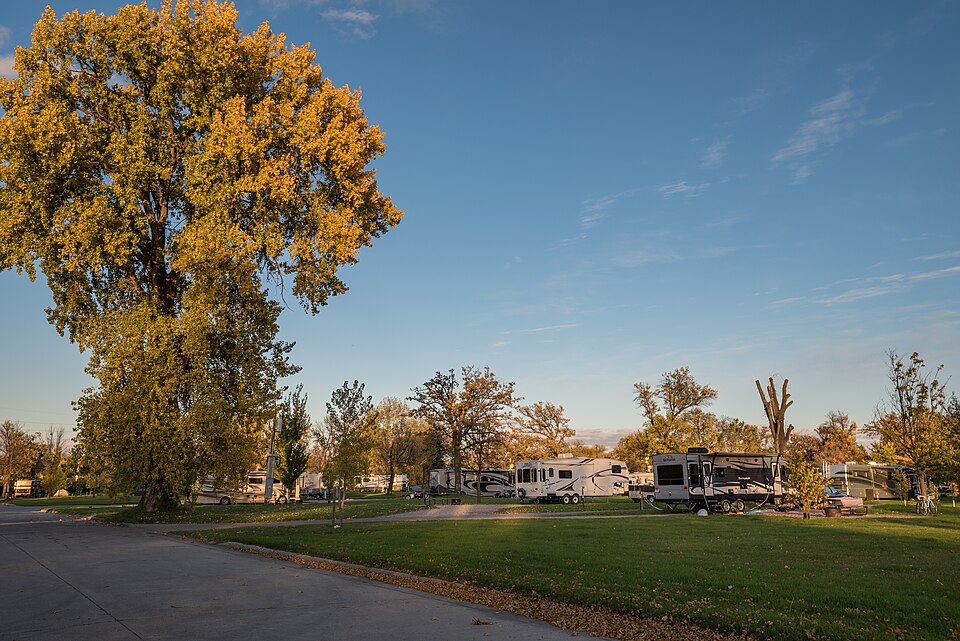
Late spring through early fall is generally the simplest period for a tent-based stay, but overnight comfort depends on elevation, exposure, and the unit’s construction. A valley property and a forest site near Mount Hood can feel very different on the same evening. Ask what bedding is supplied and whether heating is available and permitted. Do not bring a fuel-burning heater into an enclosed sleeping space unless the accommodation specifically provides an approved system.
Summer brings longer days and convenient access to many outdoor activities, along with busy booking calendars. Canvas units may become warm during the afternoon, so check ventilation and shade. Spring and fall call for closer attention to rain protection, muddy paths, and cool nights. Winter favors properly equipped, winterized structures rather than assuming a seasonal tent will work. In any season, ask how wildfire smoke, road closures, or severe weather affect cancellation and rebooking policies before committing.
Glamping Versus Camping and RV Stays
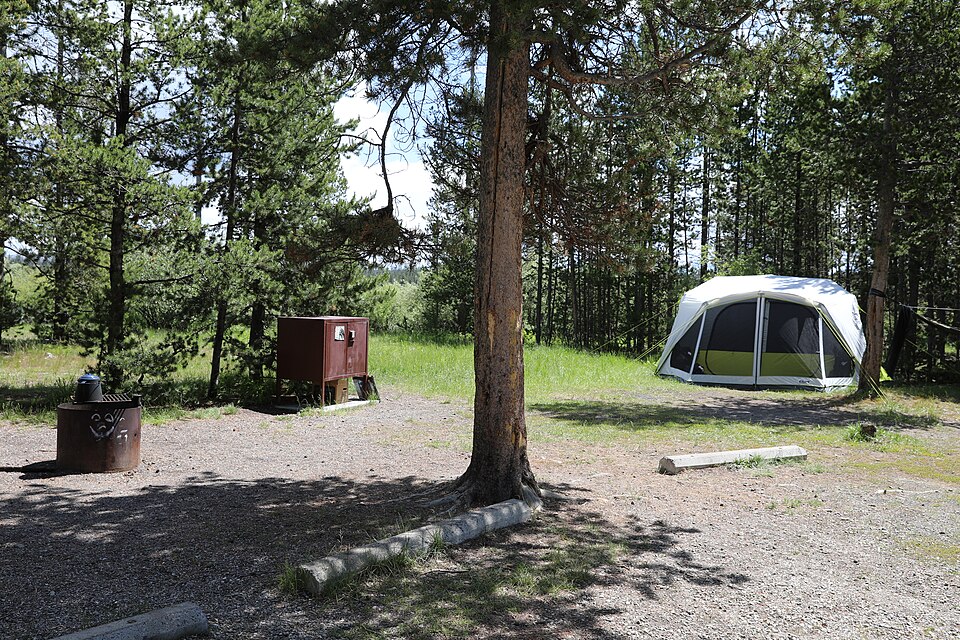
Choose glamping when you want a real bed and less setup but still enjoy being outside. It can reduce the equipment you bring, although you may still need a cooler, cooking supplies, towels, or extra layers. Furnished stays usually cost more than basic campsites, and cleaning fees or minimum-night rules can change the total. Compare rough trip costs rather than assuming the nightly headline tells the whole story.
Traditional camping fits travelers who already own gear and value flexibility or a simpler campsite experience. Comfort depends more directly on your tent, sleeping system, and weather preparation. RV travel offers an enclosed base and potentially your own bathroom, but rental costs, fuel, hookups, and vehicle-size restrictions add planning. Check whether an RV site has the utilities you actually need; not every campground provides full hookups. Whichever style you choose, confirm pet rules, quiet hours, food storage guidance, and current fire restrictions.
Booking and Planning Your Outdoor Stay
Reserve early once your dates are set, especially for summer weekends, holidays, and fall harvest trips. Small properties may have only a few furnished units, so your preferred bathroom arrangement or sleeping layout can narrow the choices quickly. Before paying, confirm the full estimated cost, cancellation terms, arrival instructions, and whether linens and cooking equipment are included. Ask about accessibility in concrete terms, including steps, paths, and bathroom access.
Plan simple meals and buy groceries before heading to a rural property. Keep food stored according to the host’s rules, and do not assume a firepit means fires are currently allowed. Check the official park, Oregon State Parks, or U.S. Forest Service website for current conditions and reservations related to your outings. For private lodging, verify details directly with the host. A good first stay combines one main excursion each day with enough unscheduled time to enjoy the setting you booked.