

Welcome to Honolulu, the vibrant gateway to the Hawaiian Islands. This three-day itinerary is designed to help you balance the must-see historical landmarks with the natural beauty of Oahu’s South Shore. Starting from your arrival at Daniel K. Inouye International Airport (HNL), which is just a 32-minute drive from the heart of the city, you will quickly transition from the tarmac to the tropical breeze. Get ready to explore a city where every corner offers a new adventure.
Day 1: Arrival and Iconic Waikiki
After landing at HNL and completing the roughly 13-mile drive into the city, drop your bags and head straight for the legendary sands of Waikiki Beach. Your first day is all about acclimating to the island rhythm. Start with a walk along the Kalakaua Avenue waterfront, where you can see the bronze statue of Duke Kahanamoku, the father of modern surfing.
In the afternoon, rent a surfboard or join a group lesson to experience the gentle breaks that made this beach famous. As the sun begins to set, find a spot on the sand or a beachfront patio to watch the sky turn shades of pink and orange. For dinner, explore the vibrant food scene in the Waikiki area, which ranges from casual plate lunches to high-end Pacific Rim cuisine. This first day serves as a perfect introduction to the coastal luxury and surf culture that defines Honolulu. Keep your schedule flexible to account for travel fatigue, but make sure to soak in the view of Diamond Head looming in the distance.
Day 2: History and Volcanic Vistas
Start your second day early with a visit to the Pearl Harbor National Memorial. This is a profound experience that requires a few hours to fully appreciate. You should reserve your tickets for the USS Arizona Memorial well in advance through the official NPS site to ensure your spot. The morning light at the harbor is particularly moving as you learn about the events that shaped modern history.
After your visit, drive toward the Diamond Head State Monument for a midday hike. The climb to the summit takes about 45 to 60 minutes and offers the most iconic view of Honolulu's coastline. Remember to bring plenty of water and wear sturdy shoes. In the late afternoon, drive up to the Tantalus Lookout (Puu Ualakaa State Wayside) for a sweeping view of the entire city and the Leeward Coast. This spot is particularly beautiful as the city lights begin to twinkle. Wrap up your day with a visit to the Kakaʻako neighborhood, known for its vibrant street murals and local breweries, offering a more modern, urban side of Honolulu life.
Day 3: Coastal Beauty and Marine Life
On your final day, head east along the Kalanianaʻole Highway for a scenic coastal drive. Your first stop should be Hanauma Bay Nature Preserve for world-class snorkeling. Because this is a protected marine area, you must have a reservation and watch an educational video about reef conservation before entering the water. The clarity and biodiversity here are unmatched on the island.
Continue your drive past the Halona Blowhole and Sandy Beach Park, arriving at the Makapuʻu Point Lighthouse Trail. This paved two-mile round-trip hike offers stunning views of the windward coast and nearby islets. If you are visiting between December and May, keep an eye out for whales offshore. Before heading back toward the airport for your departure, stop in the town of Kailua for a quick look at its famous white-sand beaches or grab a final Hawaiian shave ice. This route showcases the rugged, natural beauty of the island’s eastern edge, providing a scenic conclusion to your three-day journey through the South Shore of Oahu.
Travel Tips and Local Logistics
Navigating Honolulu requires a bit of planning, especially regarding traffic. The H-1 freeway is the main artery, and rush hour can be significant, so try to time your drives between 9:00 AM and 3:00 PM to avoid the heaviest congestion. While a rental car offers the most flexibility for exploring the eastern coast and the mountains, Honolulu also has a robust public bus system known as 'TheBus' and a growing rail system.
For budget planning, expect an average daily expenditure of around $350, which covers mid-range accommodations, meals, and activities. Many of the island's best features—like the beaches and public parks—are free or have a minimal entry fee. Always check for permit requirements for popular hikes, as Honolulu has implemented several reservation systems to manage foot traffic and preserve the environment. Being a responsible traveler means respecting 'Kapu' (prohibited) signs and staying on marked trails to protect the island's unique flora and fauna. By planning ahead, you can ensure a seamless experience from your arrival at HNL to your final sunset.
Extending Your Stay
If you have more than three days, consider venturing beyond the city limits. A drive to the North Shore to see the massive winter waves at Banzai Pipeline or Waimea Bay is a must for surf enthusiasts. You could also spend a day exploring the Polynesian Cultural Center in Laie or hiking the lush trails of the Koolau Mountains. For those interested in local agriculture, a visit to a pineapple plantation or a coffee farm provides a different perspective on the island's economy.
Honolulu also serves as a great base for day trips to the quieter western side of the island, known as the Leeward Coast, where you can find secluded coves and excellent spots for dolphin spotting. Regardless of how long you stay, the combination of urban amenities and natural wonders ensures that you will never run out of things to discover. Always keep an eye on the official Hawaii Department of Land and Natural Resources website for updates on park access and environmental guidelines to help keep the islands beautiful for future generations.
More ways to book Honolulu
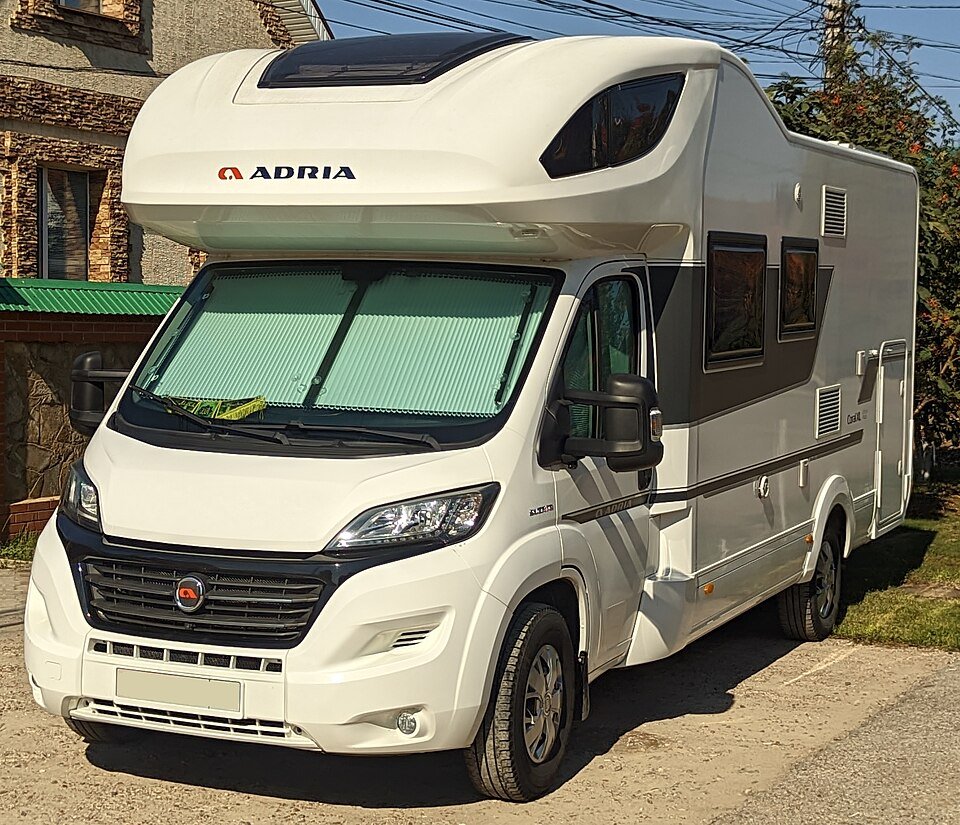
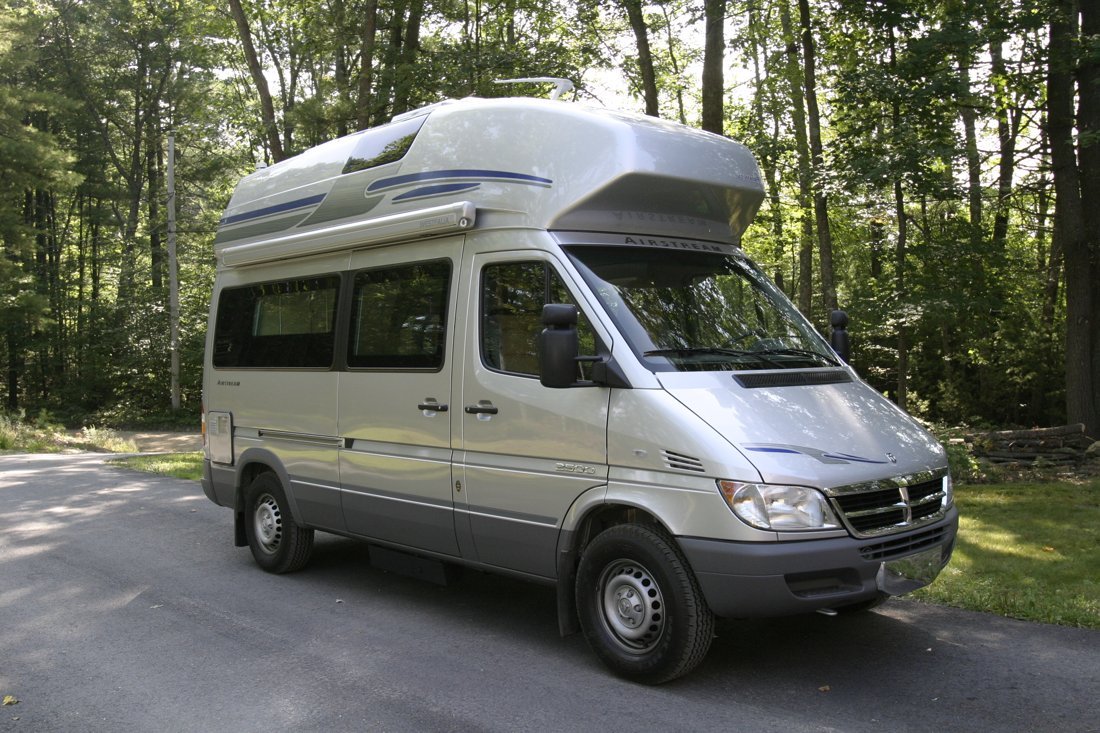 Illustrative · Msisk6 at English Wikipedia
Sprinter Adventure Van
Small enough to park at the trailhead, comfy enough to sleep in.
$189/day (estimate)
Direct link · Motorhome Republic