

Honolulu is a year-round destination where the trade winds keep the tropical climate comfortable and inviting. While the South Shore of Oahu enjoys sunshine almost every day, choosing the right month can significantly impact your experience regarding crowd sizes and ocean conditions. Whether you are chasing the winter swells of the North Shore or the calm summer waters of Waikiki, timing your arrival ensures you get the most out of this Pacific paradise.
Spring and Fall Shoulder Seasons
The periods from mid-April to early June and September through November are widely considered the ideal times to explore Honolulu. During these shoulder seasons, the intense humidity of late summer has either not yet arrived or is just beginning to fade. You will find that the major tourist hubs like Waikiki and Ala Moana are less congested compared to the winter holidays or mid-summer break.
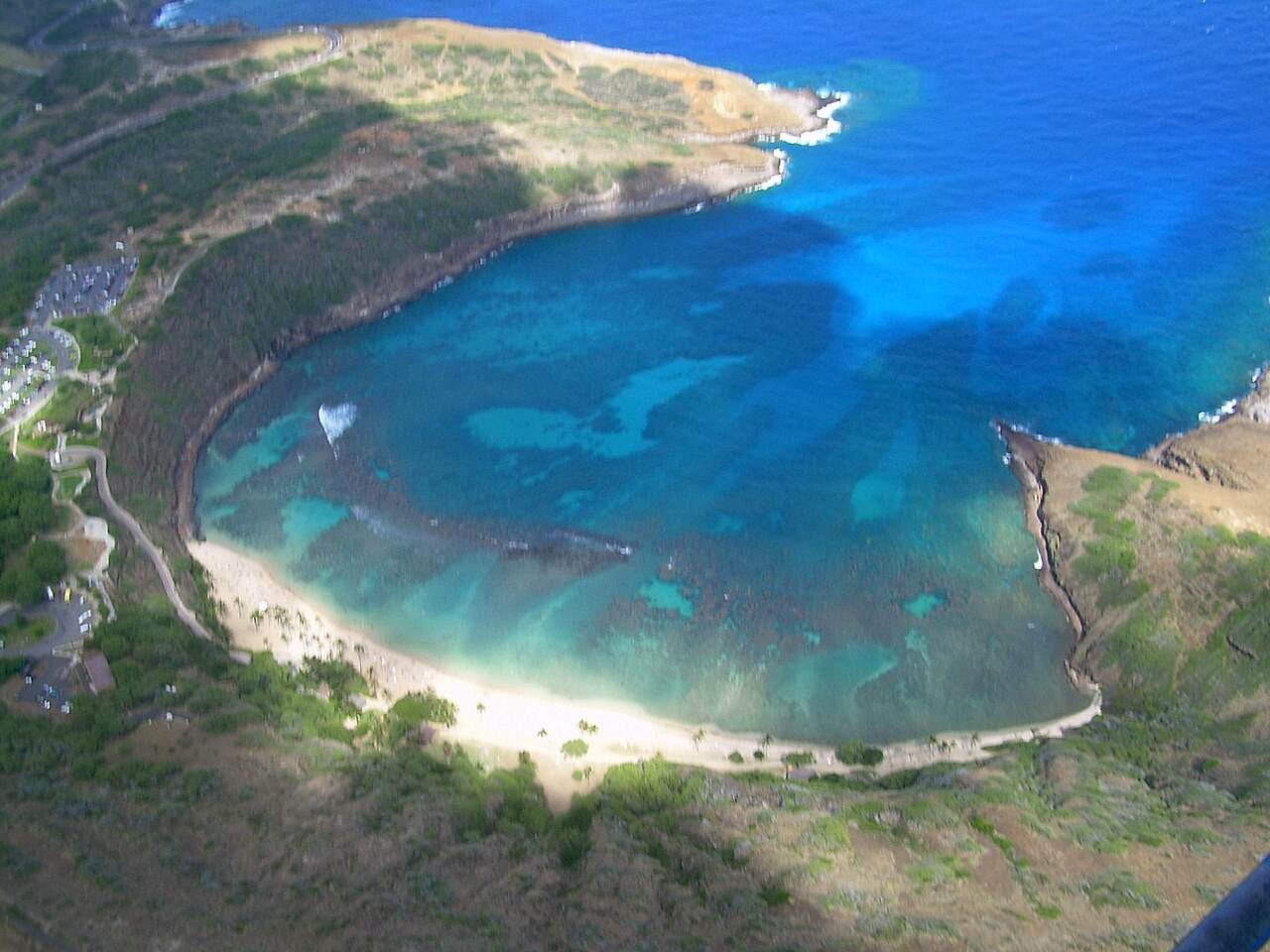
Weather conditions during these months are remarkably stable, featuring clear skies and gentle breezes. These periods also offer a better chance of securing reservations at popular state monuments and local eateries without the long lead times required during peak travel months. For travelers looking for a balance between vibrant island activity and a sense of tranquility, these transitional months provide the most consistent experience for hiking Diamond Head or snorkeling at Hanauma Bay. The landscape remains lush from the winter rains, yet the daily forecast is dominated by sunshine.
Summer Sun and Calm South Shore Waters
Summer in Honolulu, spanning from June through August, brings the warmest temperatures and the calmest waters to the southern coastline. This is the peak season for families, as schools are out and the ocean conditions are perfect for beginner surfers and swimmers. The sun is at its strongest, so outdoor activities are best planned for early morning or late afternoon to avoid the midday heat.
During these months, the city is buzzing with energy. While the humidity levels rise, the consistent trade winds provide a natural cooling effect that makes evening strolls along the harbor quite pleasant. You should expect larger crowds at major attractions and should plan your logistics well in advance. This is also a fantastic time for boat tours and catamaran sails, as the Pacific is generally flat and welcoming. If you enjoy a lively atmosphere and don't mind sharing the beach with fellow travelers, summer offers a quintessential Hawaiian vacation experience with long daylight hours for exploration.
Winter Swells and Whale Watching
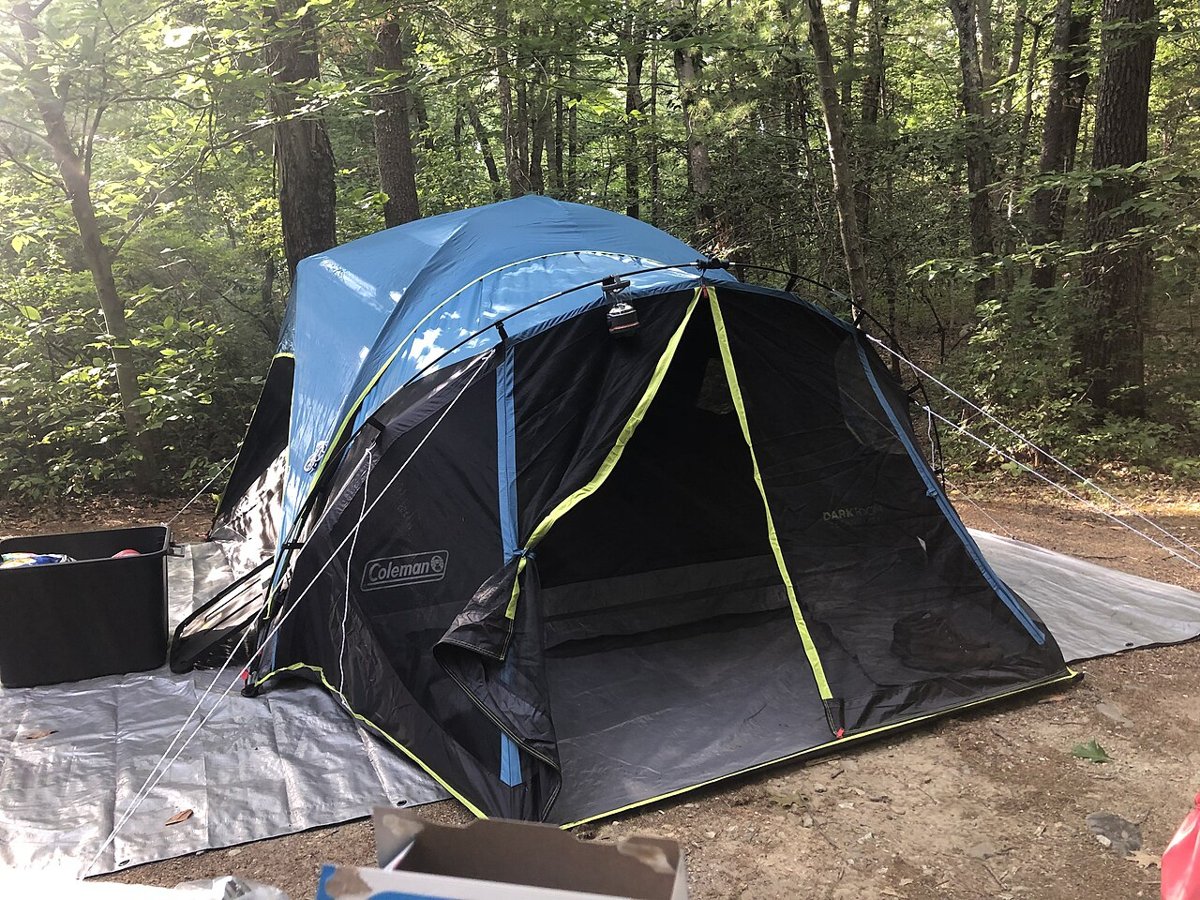
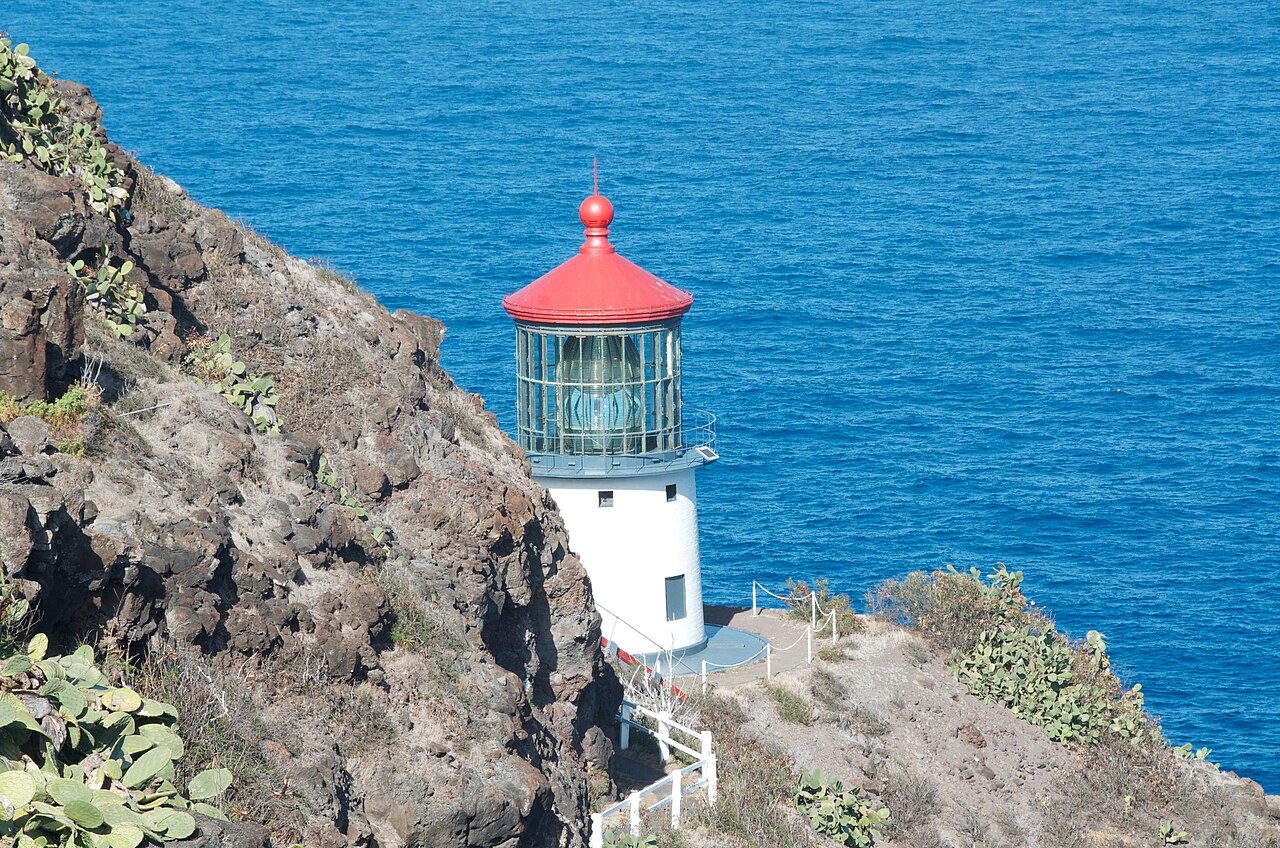
Winter in Honolulu, roughly December through March, is a season of dramatic contrasts. While the North Shore experiences massive swells that draw professional surfers from around the globe, the South Shore remains relatively accessible, though the water can be slightly choppier. This is also the prime time for whale watching, as humpback whales migrate to the warm Hawaiian waters to breed and nurse their young. Seeing a breach from the Makapuʻu Point Lighthouse Trail is a highlight of a winter visit.
Rain is more frequent during these months, though it usually manifests as brief, passing showers rather than day-long downpours. These showers often result in stunning rainbows, giving Hawaii its nickname as the Rainbow State. Because this is the busiest time for tourism, especially around the Christmas and New Year holidays, it is essential to check the official NPS or state park websites for current conditions and to secure any necessary permits for popular hiking trails early.
Lock in a stay for this season
Harvest Hosts stays on the way to Honolulu
Partner link · Harvest Hosts
Managing Crowds and Special Events
Honolulu hosts several major events throughout the year that can influence local traffic and availability. The Honolulu Marathon in December, the King Kamehameha Celebration in June, and the Aloha Festivals in September bring significant cultural flair but also larger gatherings of people. If you prefer a quieter experience, try to schedule your visit around these major dates. However, attending these festivals provides a deep dive into Hawaiian heritage and contemporary local life.
To navigate the crowds effectively, consider visiting popular spots on weekdays rather than weekends. Iconic locations like the Pearl Harbor National Memorial require careful timing; reservations are often released months in advance and disappear quickly. By understanding the local event calendar, you can either lean into the festive spirit of the island or choose a quieter window to enjoy the natural beauty of Oahu's southern coast. Always monitor local news for any seasonal beach closures or conservation efforts that might affect your planned itinerary.
Weather Patterns and Packing Tips
Honolulu features a tropical semi-arid climate, meaning it stays warm year-round with temperatures rarely dropping below the mid-60s or rising above the high 80s. The 'wet' season technically runs from October to April, but even then, the rain is localized. You might see a downpour in the lush Manoa Valley while the beaches of Waikiki remain completely dry. This microclimate behavior is a staple of Oahu geography.
When planning your trip, pack lightweight, breathable clothing and a sturdy pair of hiking shoes for the volcanic terrain. A light rain shell is useful for unexpected mountain showers, and reef-safe sunscreen is a legal requirement to protect the delicate coral ecosystems. Because the sun is exceptionally strong near the equator, hats and polarized sunglasses are essential gear. Regardless of when you visit, the environment is dynamic; checking the official park websites for weather alerts or trail closures is the best way to ensure a safe and enjoyable journey through the island's diverse landscapes.
More ways to book Honolulu
 Illustrative · ErgoSum88
Waikiki Beach Surfing
One of the classic ways to experience Honolulu.
Varies (estimate)
Partner link · Viator