
This Hells Canyon itinerary is designed to take you through the heart of the deepest gorge in North America, balancing high-energy river activities with scenic drives and historic exploration. Starting from the gateway city of Lewiston, Idaho, this 3-to-5-day journey covers approximately 140 miles of travel, though the pace is dictated by the rugged terrain. You will experience the transition from high-desert plateaus to the roaring whitewater of the Snake River, ensuring a comprehensive look at this spectacular wilderness.
Day 1: Arrival in Lewiston and the North Entrance
Begin your journey by flying into Lewiston Nez Perce County Airport (LWS). After picking up a rental vehicleâideally one with high clearanceâspend your morning exploring the confluence of the Snake and Clearwater Rivers. Visit the Nez Perce National Historical Park to ground yourself in the indigenous history of the region. This context will enrich your understanding of the landmarks you will see later in the canyon.
In the afternoon, drive south toward the Hells Canyon National Recreation Area. If you have time, take a short jet boat excursion that departs directly from Lewiston to get your first taste of the canyon's scale. For your first night, stay in Lewiston or find a scenic RV spot along the river heading south. Stock up on essential supplies here, as grocery stores and gas stations become increasingly rare as you move deeper into the gorge. Enjoy a local meal and prepare your gear for the backcountry days ahead.
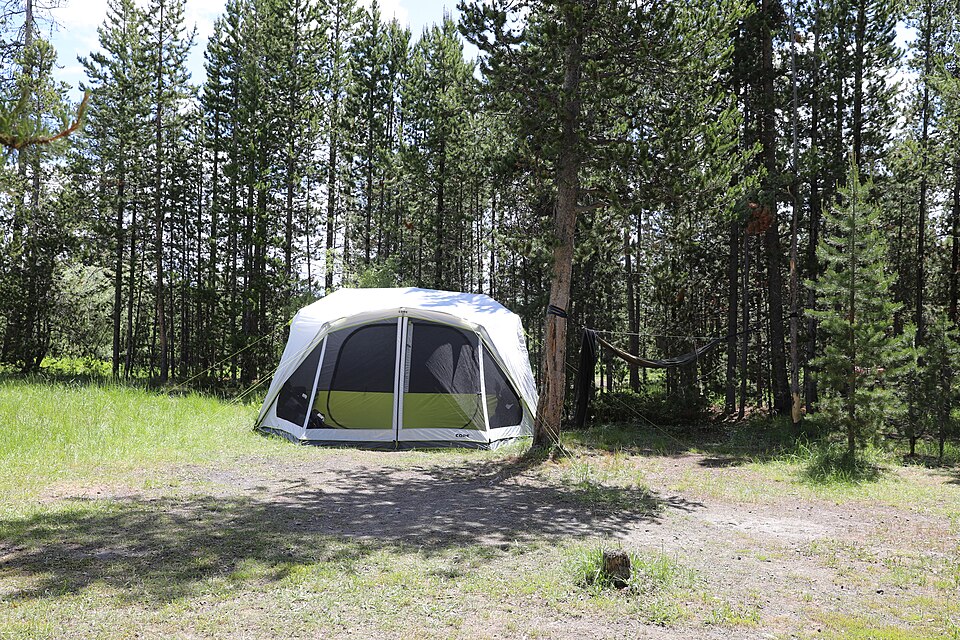
Day 2: The Heart of the Gorge via Riggins
On the second day of your Hells Canyon itinerary, head south on Highway 95 toward the town of Riggins, known as the whitewater capital of Idaho. The drive itself is a highlight, offering sweeping views of the Salmon River. Once in Riggins, you can arrange for a guided half-day rafting trip or a jet boat tour that takes you into the lower sections of Hells Canyon. The energy in Riggins is infectious, filled with river guides and outdoor enthusiasts.
After your river adventure, drive up to the Heavens Gate Lookout. This steep, winding road requires a sturdy vehicle but rewards you with a panoramic view that encompasses the Seven Devils Mountains and the deep slit of the canyon below. It is one of the most photographed spots in Idaho. Spend the evening in Riggins, enjoying the small-town hospitality and fresh mountain air. If you are camping, there are several sites along the Salmon River that offer a peaceful backdrop for your second night.
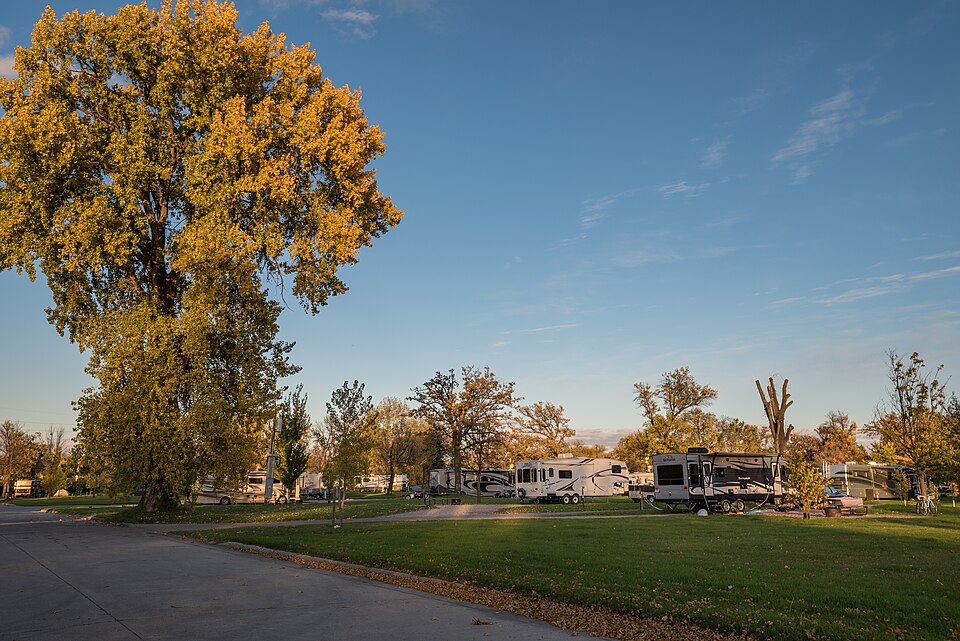
Day 3: Pittsburg Landing and Ancient History
Travel from Riggins toward Pittsburg Landing, one of the few places where a road reaches the floor of Hells Canyon. The road to Pittsburg Landing is gravel and can be steep and washboarded, so take your time. Once you arrive at the river, you are standing in the deepest part of the gorge. Spend the morning hiking a portion of the Snake River National Recreation Trail. Look for the well-preserved petroglyphs at Buffalo Eddy, which offer a silent testimony to the ancient inhabitants of this land.
This area is also excellent for a picnic and some light fishing from the bank. The basalt formations here are particularly dramatic, showing the volcanic layers that formed the canyon millions of years ago. If you have a 5-day itinerary, this is the perfect place to set up a base camp for two nights, allowing you to explore further down-trail toward Kirkwood Ranch. The solitude here is profound, with the sound of the river being the only constant companion throughout the day.
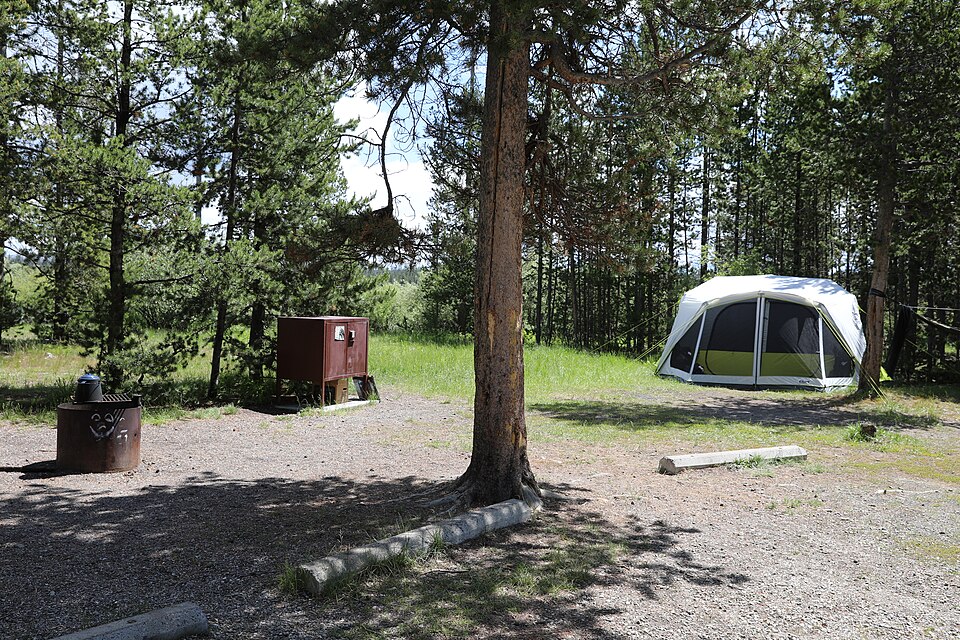
Day 4: High Rims and Forest Solitude
For those extending their trip to four or five days, head toward Grangeville and the northern rim of the canyon. This area offers a different perspective, characterized by dense forests and high-altitude meadows. Explore the trails around the Hells Canyon Overlook, which provides a starkly different vantage point than the river-level views of the previous days. The air is cooler here, and the vegetation is lush with Douglas fir and ponderosa pine.
Take this day to engage in some birdwatching or wildflower identification. The contrast between the arid river bottom and the alpine-like rim is one of the most unique features of Hells Canyon. If you are in an RV, the forest service campgrounds in this area offer large, shaded spots that are perfect for a quiet afternoon of reading or relaxing. As you wind down your day, watch the sunset over the Wallowa Mountains in the west, painting the canyon walls in vibrant hues of purple and orange.
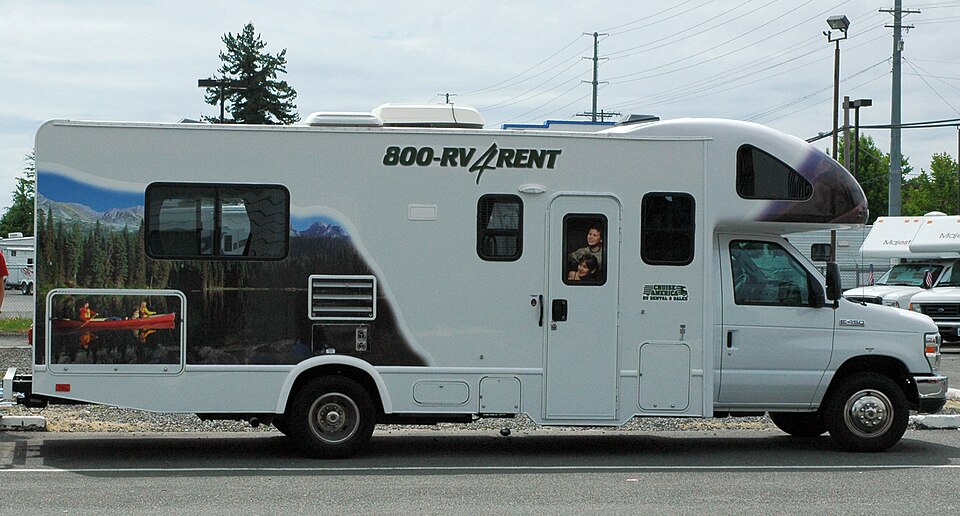
Day 5: Returning Through the Palouse
On your final day, begin your return journey toward Lewiston. Instead of rushing back, take the scenic route through the Palouse hills if time permits. These rolling loess hills offer a soft, rhythmic contrast to the jagged cliffs of Hells Canyon. Stop in the small towns along the way to pick up local crafts or huckleberry products, a regional specialty. Reflect on the vastness of the landscape youâve just traversed.
Before heading to the airport, check the official NPS or Forest Service site one last time to see if there are any road updates you should be aware of for your next visit. A daily budget of roughly $160 covers modest lodging, food, and fuel, though guided tours will increase this estimate. Hells Canyon is a place that rewards those who take the time to slow down, so even as you depart, youâll likely find yourself planning a return trip to see the parts of the gorge you missed.

More ways to book Hells Canyon
 Illustrative · Diego Angel
Sprinter Adventure Van
Small enough to park at the trailhead, comfy enough to sleep in.
$189/day (estimate)
Direct link · RVshare