
Hells Canyon glamping offers a unique way to experience the rugged majesty of North Americaâs deepest gorge without sacrificing the comforts of home. While the interior of the Hells Canyon National Recreation Area is strictly managed for wilderness values, the surrounding gateway communities and private lands have embraced the glamping trend. This allows travelers to spend their days navigating whitewater or hiking basalt ridges and their nights sleeping in real beds under canvas roofs.
The Glamping Experience in the Gorge
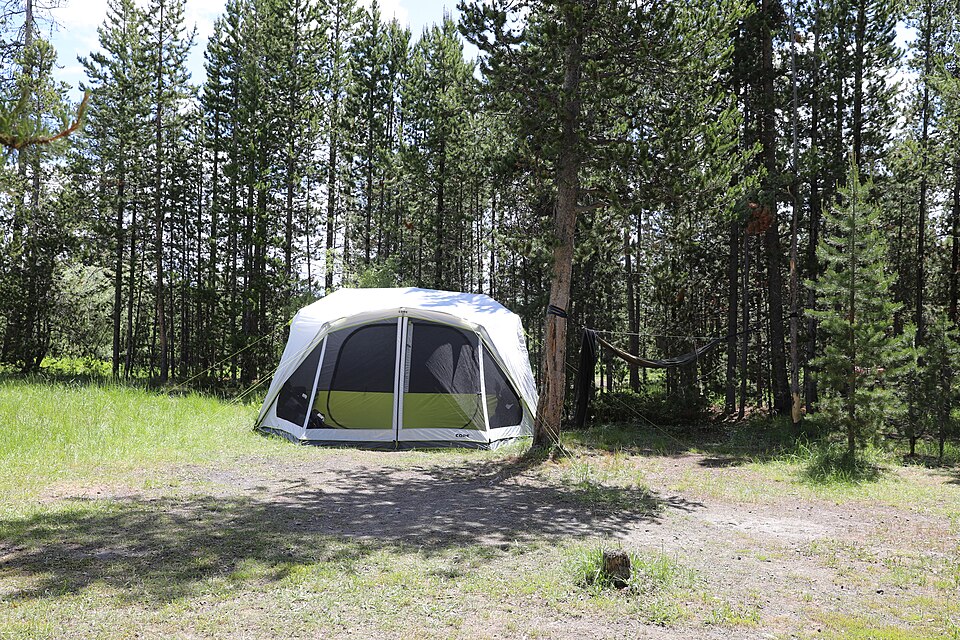
Glamping near Hells Canyon typically involves large, sturdy safari-style tents or refurbished vintage trailers situated to take advantage of the dramatic views. Unlike traditional camping, where you might be sleeping on a thin pad, a glamping setup here often includes a plush queen-sized bed, high-quality linens, and sometimes even small wood-burning stoves for chilly mountain nights. Some sites are located on the banks of the Snake or Salmon Rivers, allowing you to fall asleep to the rhythmic sound of water over stones.
Many glamping hosts provide additional touches that elevate the experience, such as locally sourced breakfast baskets, outdoor fire pits with pre-chopped wood, and Adirondack chairs perfectly positioned for stargazing. Because the region is remote, these sites often operate off-grid, using solar power for lighting. It is a fantastic option for travelers who want the immersion of the outdoors but prefer a "turnkey" experience where the gear and setup are handled by professionals. This style of lodging is particularly popular for romantic getaways or for those celebrating a special occasion in the wild.
Gateway Hubs for Upscale Stays
If you are looking for Hells Canyon glamping, focus your search on the gateway towns of Riggins, Lewiston, and the areas surrounding Grangeville. Riggins, located at the confluence of the Salmon and Little Salmon Rivers, is a prime spot for river-front glamping. Here, you can find sites that cater to the rafting crowd, offering a comfortable place to crash after a day on the water. These locations often provide easy access to town amenities while still feeling secluded.
North of the canyon, the Lewiston area offers glamping options that lean more toward the "agritourism" side, with tents set up on local ranches or vineyards overlooking the river valley. This provides a different aesthetic, focusing on the rolling hills and the vast sky of the Palouse. For those who want to be closer to the high-country trails, look for seasonal glamping setups near the Wallowa-Whitman National Forest boundaries. These sites are generally available from late spring through early autumn, as the winter snow makes these luxury setups difficult to maintain year-round.
Glamping vs. Traditional Camping and RVing
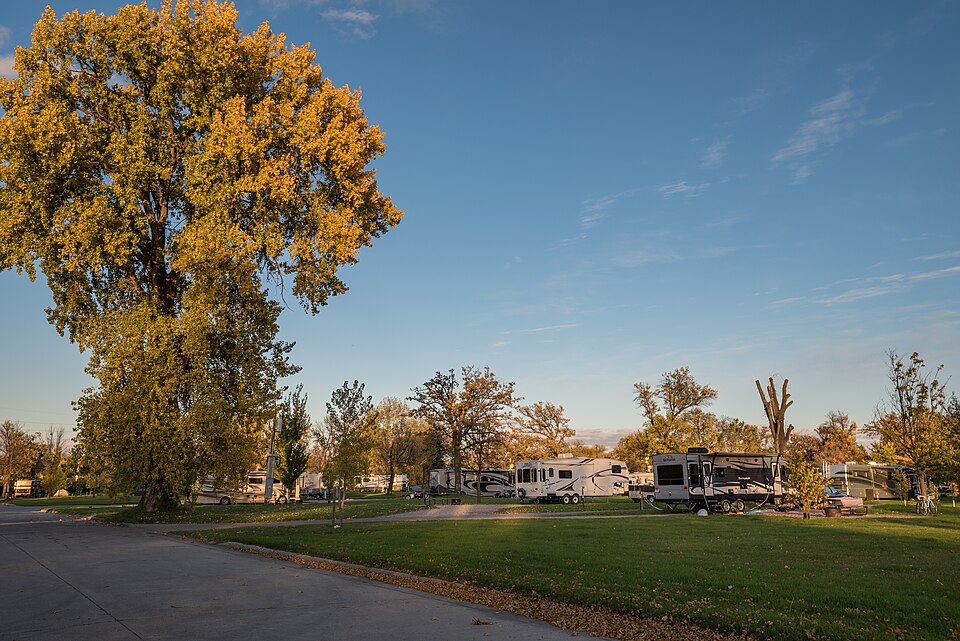
Choosing between glamping, traditional camping, or an RV depends on your desired level of autonomy and comfort. Traditional camping in Hells Canyon, especially at sites like Pittsburg Landing, is a rugged affair with limited facilities. It requires you to bring all your own gear, water, and food, offering the most authentic "wilderness" feel. RVing is a popular middle ground, providing a self-contained home on wheels, though the steep and narrow roads leading into the canyon can be challenging for larger rigs. Many RVers choose to park in Riggins or Lewiston and take day trips into the gorge.
Glamping sits at the top of the comfort scale. It eliminates the need to haul heavy equipment or worry about tank levels in an RV. For visitors flying into Lewiston Nez Perce County Airport, glamping is often the most practical choice because it removes the logistical hurdle of flying with camping gear. While a night of glamping will cost significantly more than a standard tent site, many find the trade-off worth it for the quality of sleep and the convenience of having a prepared base camp waiting for them after a long day of hiking.
Seasonal Considerations for Luxury Stays
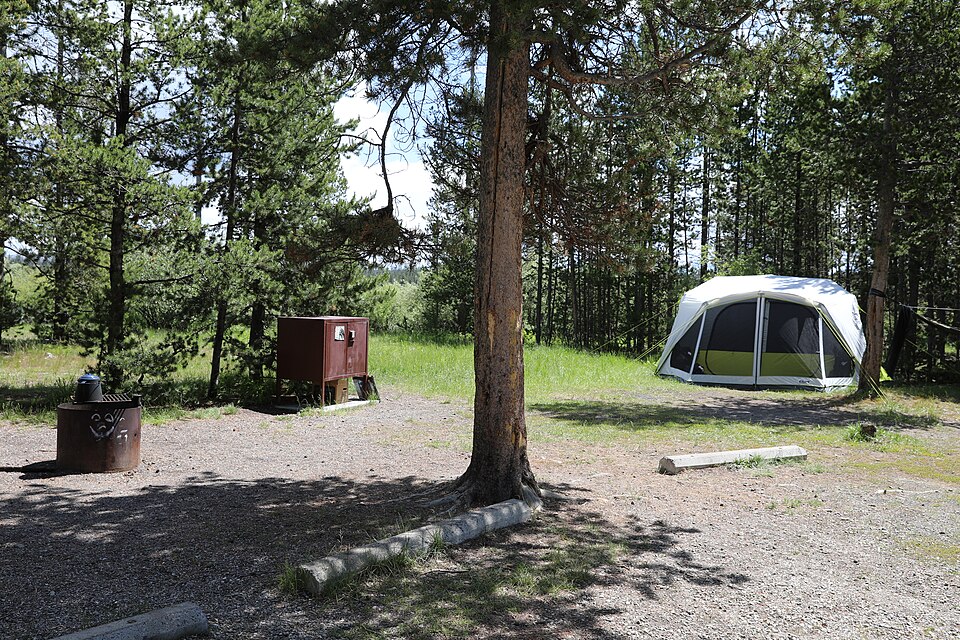
The best time for Hells Canyon glamping mirrors the peak travel seasons of May through June and September through October. During these months, the weather is mild enough to enjoy the indoor-outdoor nature of a glamping tent. Spring glamping offers the chance to see the canyon walls at their greenest, while fall stays provide crisp air and beautiful autumn colors. Most glamping operators close down during the winter months due to the potential for heavy snow and freezing temperatures at higher elevations.
During the peak of summer (July and August), glamping can be quite warm, so look for sites that offer shade or are situated near the water for natural cooling. Some higher-end tents may feature portable fans or evaporative coolers, but the true draw is the ability to open the canvas flaps and let the evening breeze move through the space. Regardless of the season, it is essential to book well in advance, as the number of luxury sites is limited compared to traditional campgrounds. Always check the official forest service or park sites for any alerts regarding local conditions that might affect your stay.
Planning Your Glamping Logistics
When planning your glamping trip, keep in mind that these sites are often located down gravel roads or on private ranch lands. While a standard passenger car can reach many, a vehicle with a bit more ground clearance is always a safer bet in Idahoâs backcountry. Budgeting for a glamping trip should account for the higher nightly rate, which can vary significantly based on the level of luxury and included amenities. You should still plan to be somewhat self-sufficient, bringing your own snacks, a good headlamp, and appropriate layers for fluctuating temperatures.
Check if your chosen site provides potable water or if you need to bring your own. Most glamping hosts are excellent resources for local knowledge, so don't hesitate to ask them for trail recommendations or hidden gems nearby. By combining the ease of a luxury stay with the raw beauty of Hells Canyon, you can create a travel experience that is both adventurous and restorative. Remember to always follow Leave No Trace principles, even when staying in a more developed glamping environment, to help preserve the pristine nature of the Idaho wilderness for future visitors.