
This Green Mountains itinerary uses Waterbury or Stowe as a northern base, keeping daily travel more manageable than a full-range road trip. Burlington’s airport is a practical arrival option for this area, but drive times depend on your lodging, route, traffic, and weather; no fixed airport transfer estimate is assumed here. Follow the first two days for a short visit, then add water time or a scenic valley drive.
Day 1: Arrive and Settle into Waterbury or Stowe
If flying into Burlington, collect your vehicle and head toward your chosen base in Waterbury or Stowe. Check a current map for the actual route and travel time, and leave room for groceries or camping supplies before reaching your lodging. A car is useful for this itinerary because trailheads and recreation areas are spread out, and public transportation does not reliably replace every connection.
Keep arrival day intentionally light. Walk around your base town, find dinner, and review the next day’s forecast. In Stowe, a short outing on the recreation path gives you fresh air without committing to a mountain climb. If camping, arrive with enough daylight to locate your site and organize food storage. Confirm trailhead access and parking instructions that evening, then prepare water, layers, lunch, and a downloaded map for the morning.
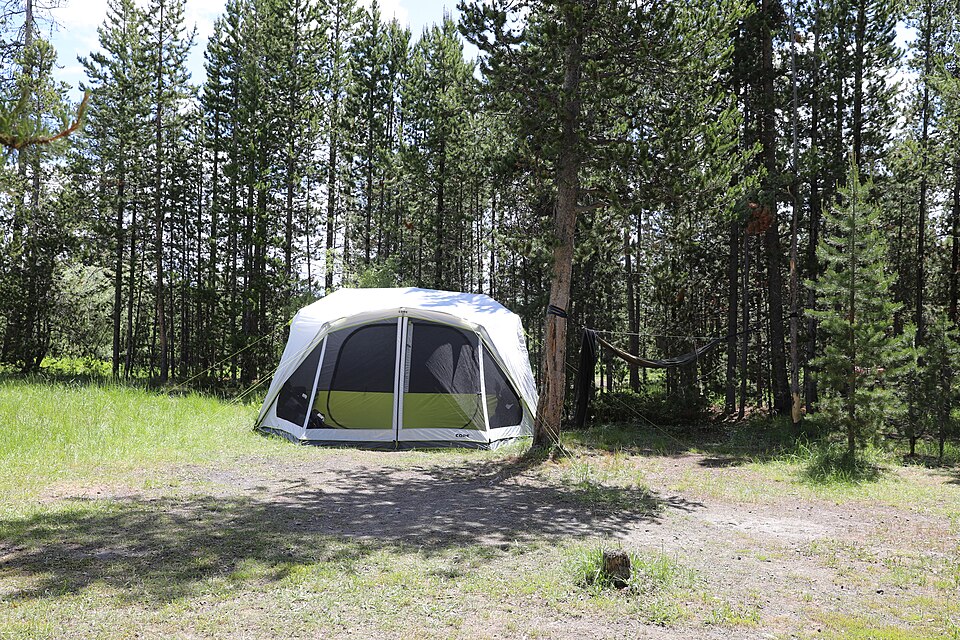
Day 2: Choose One Mountain Hike
Make this your main hiking day, choosing a route that fits the whole group. Mount Mansfield is the defining northern objective, but its summit routes can be steep and demanding, with exposed terrain near the top. Consult an official route description rather than treating the mountain’s name as a complete plan. Check weather and turn back if conditions make the upper mountain unsuitable.
Camel’s Hump is another major option, but it involves a different drive and should replace Mansfield, not be squeezed into the same day. For a less strenuous visit, select a lower-elevation forest hike and spend more time exploring your base town afterward. Start with enough daylight for a slower-than-expected return, and bring food and rain protection. On alpine sections, follow marked routes carefully to protect fragile plants. Finish with a relaxed evening rather than another long drive.
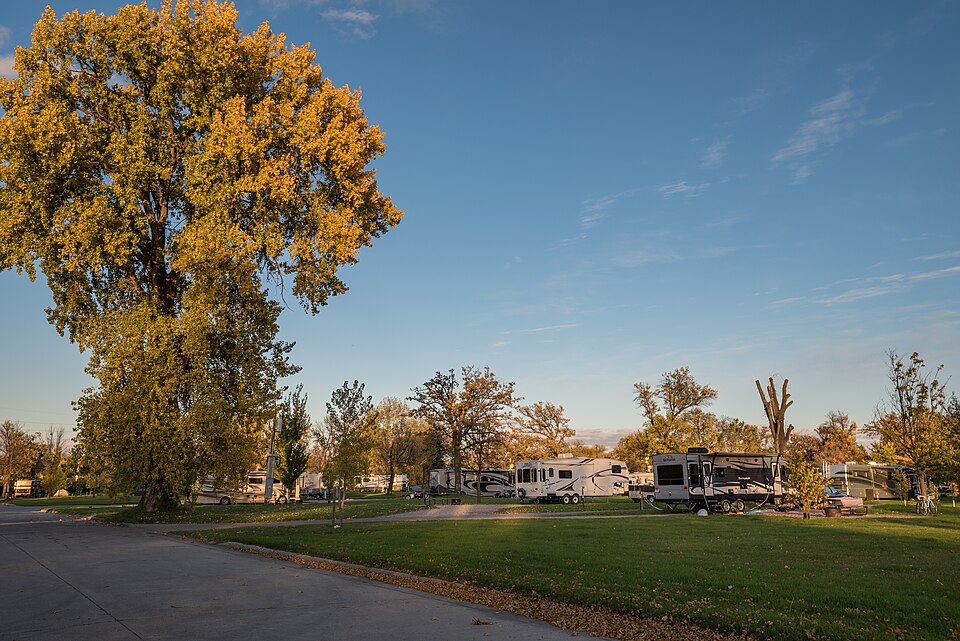
Day 3: Trade Elevation for Reservoir Time
After a substantial hike, make the third day gentler with an outing to Waterbury Reservoir. Waterbury Center State Park is an established access point; check its official page for seasonal operations, entry arrangements, and available facilities. Choose a picnic and shoreline time, or plan a paddle if you have suitable equipment and understand the current weather and access rules.
Do not assume rentals, lifeguards, or every amenity will be available on your dates. If swimming is part of the plan, review posted information and current advisories on arrival. Keep the afternoon flexible for a short walk, a village stop, or rest at your campsite. This is also a useful swap day: if Day 2 brings poor summit weather, move the mountain hike here only if conditions improve and your departure schedule leaves enough time for a complete outing.
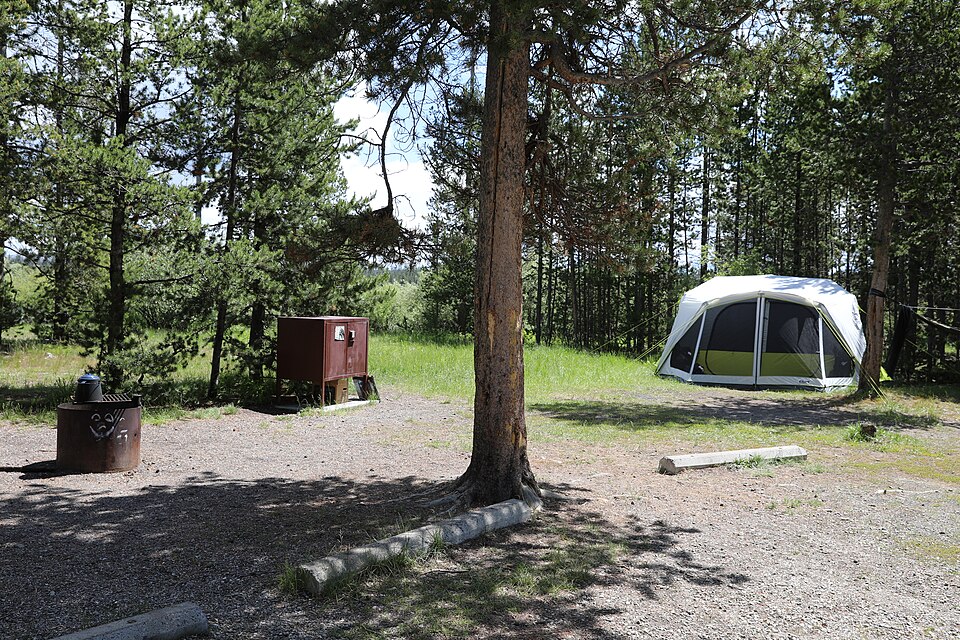
Day 4: Explore the Mad River Valley
Use an optional fourth day for a scenic loop toward Waitsfield and Warren in the Mad River Valley. Route 100 provides the main north–south connection, with mountain views, village stops, and access to nearby recreation. Pick one short walk or picnic stop rather than stacking several hikes onto a departure day. Check the current route back to your airport or next destination before heading farther south.
If you are staying another night, a gap crossing can add variety, but look carefully at total driving and current road conditions. Avoid treating every scenic road as an all-season shortcut. For travelers leaving from Burlington, allow a generous buffer for fuel, returning a rental vehicle, and airport procedures. A quiet breakfast and one enjoyable stop often make a better final day than an ambitious drive that leaves you watching the clock.
How to Adapt the Plan and Handle Reservations
For two days, keep arrival day simple and choose one main hike before departure, reducing the route if your schedule is tight. With three days, add the reservoir outing or use that day as a weather buffer. Four days give you room for the Mad River Valley without changing lodging. If southern Vermont is your priority, build a separate Manchester-based trip instead of adding it to this northern plan.
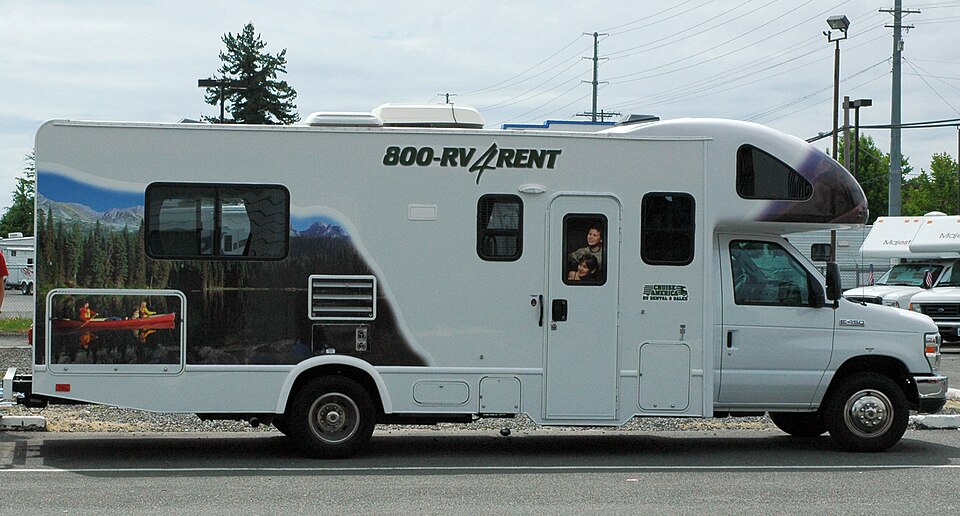
Reserve lodging or campsites early once dates are firm, especially for summer weekends and fall foliage periods. Check Vermont State Parks and the relevant official land-manager website for reservations, trail conditions, access rules, and closures. Northern hikes are not all managed by Green Mountain National Forest, so identify the actual destination’s manager. Budget separately for lodging, food, fuel, and possible day-use or parking fees; costs vary with season and comfort level.

More ways to book Green Mountains
 Illustrative · Diego Angel
Sprinter Adventure Van
Small enough to park at the trailhead, comfy enough to sleep in.
$189/day (estimate)
Direct link · RVshare