
Green Mountains glamping can mean a furnished canvas tent, a yurt-style stay, or a small cabin that keeps you close to the woods without requiring a full camping setup. The label does not guarantee a bathroom, heat, or a kitchen, so the details matter more than the photos. Choose your mountain area first, then compare actual amenities and driving routes to the hikes, lakes, and towns you want to visit.
What to Expect from a Glamping Stay
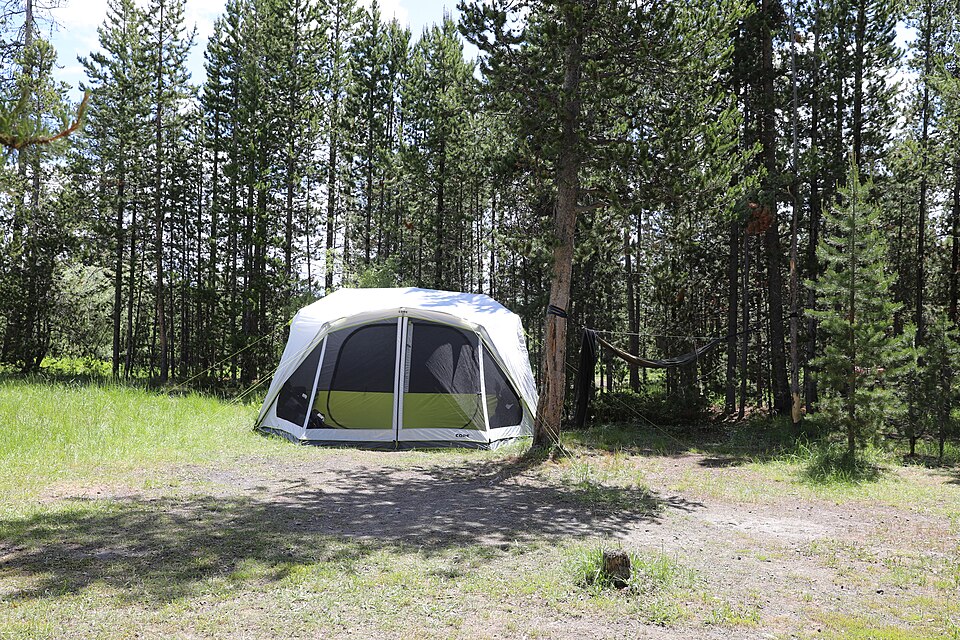
Around the Green Mountains, glamping is best understood as a comfort level rather than one standardized lodging type. A furnished tent may provide a real bed and covered seating but still use shared bathhouses. A cabin may include heat and plumbing, or it may be a simpler shelter with cooking and bathroom facilities elsewhere. Read the full description before booking.
Look specifically for bedding, electricity, drinking water, refrigeration, cooking equipment, and the distance to toilets. Ask whether you park beside the unit or carry your bags along a path. Screened windows, rain coverage, and a dry place for boots can matter as much as decorative touches after a wet hike. If accessibility is important, confirm the actual path surface, steps, doorway layout, and bathroom setup directly rather than relying on a broad claim that the property is accessible.
Choose a Southern, Central, or Northern Base
Manchester and nearby southern Vermont towns make sense for travelers focused on the southern Green Mountains, including forest outings around the Route 7 corridor. Look beyond the town name when comparing stays: a remote hillside address can add substantial travel on local roads. Confirm the route to your intended trailheads before deciding that a property is conveniently located.
For a central base, consider the areas around Rutland, Killington, or the Mad River Valley, depending on your planned activities. Waterbury and Stowe are useful northern areas for trips centered on Mount Mansfield, nearby trails, and Waterbury Reservoir. These are search areas, not promises that any particular lodging style is available on your dates. The Green Mountains extend across much of Vermont, so prioritize one region. A beautiful stay far from your daily plans can turn a relaxing getaway into a driving trip.
Pick a Season That Matches the Shelter
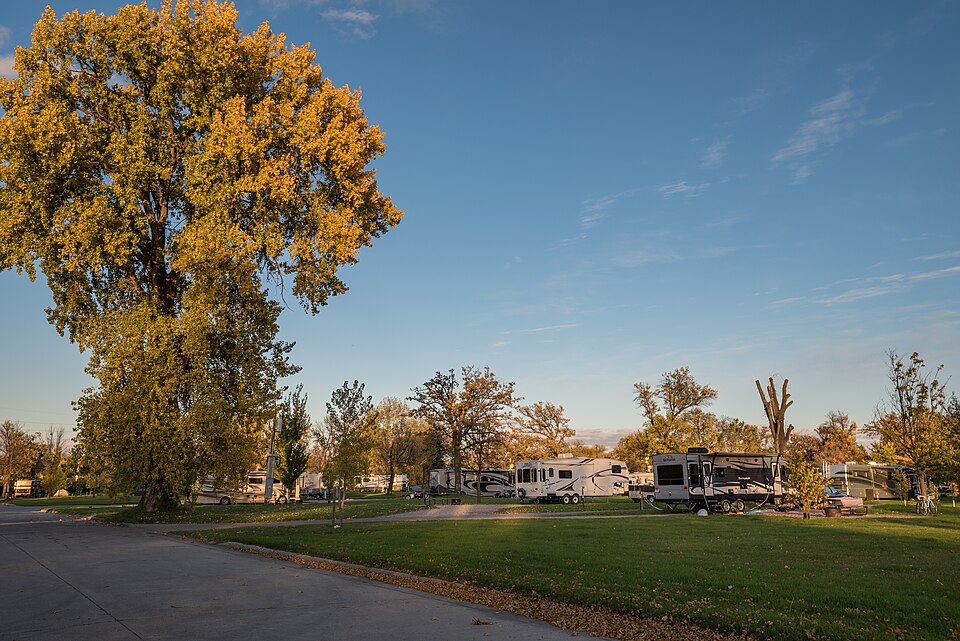
Summer is the simplest season for tent-based glamping, with long evenings and broad access to outdoor activities. Still, mountain nights can feel cool, and rain can make an unheated canvas shelter damp. Confirm that bedding is suitable for the season and bring practical layers rather than assuming a furnished tent feels like a hotel room.
Fall pairs well with a heated cabin or a well-equipped tent, but foliage weekends attract strong demand. Check whether heat is actually included, how it operates, and whether bathrooms remain open throughout your stay. Spring can bring muddy access roads and trail restrictions, making a town-adjacent property more useful than a remote base. Winter requires a genuinely winter-ready setup, reliable access, and clear information about water and plumbing. Always confirm the property’s operating season and check official trail and road conditions before building your activity plan.
Glamping vs. Tent Camping vs. an RV
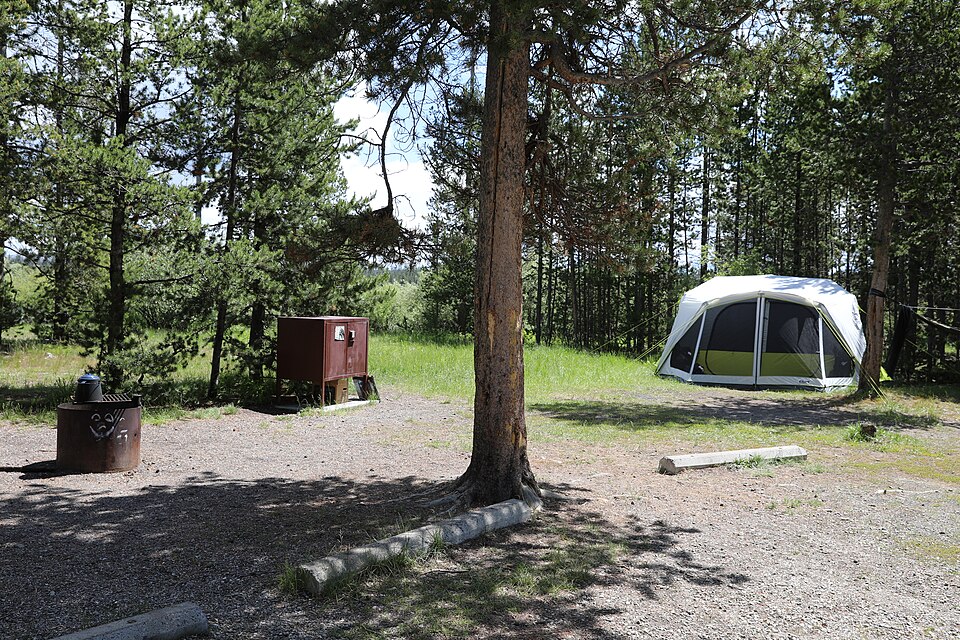
Choose glamping when you want a ready-made sleeping setup and less gear to pack. It can work especially well for a short trip where buying or transporting camping equipment would be inconvenient. The tradeoff is variable pricing and less certainty about amenities unless you check carefully. Nightly costs are often higher than a basic campsite, but compare the full stay rather than assuming a fixed price difference.
Tent camping gives you more control over equipment and a closer outdoor experience, but you handle setup, wet gear, and food storage yourself. An RV provides a more enclosed living space, though narrow roads, campsite dimensions, and hookup availability affect where you can stay. Do not assume every forest campground accommodates a large vehicle. Vermont State Parks and Green Mountain National Forest publish official campground information; review vehicle limits, facilities, reservations, and seasonal access before choosing.
Booking Checks That Make the Stay Easier
Before reserving, compare the total estimated cost, including cleaning charges, bedding charges if any, and minimum-stay requirements. Ask about cancellation terms, pet rules, quiet hours, and whether children are permitted in the selected unit. For remote properties, confirm cell service expectations, arrival instructions, parking, and whether the approach road is suitable for your vehicle in the expected conditions.
Cooking deserves its own check: a fire ring does not necessarily mean you can prepare every meal, especially during restrictions or wet weather. Follow posted fire rules, use locally sourced firewood where required, and keep food secured according to property and land-manager guidance. Reserve popular summer and foliage dates once your plans are firm. For nearby outdoor activities, consult the official Vermont State Parks or Green Mountain National Forest website for current conditions and reservations, rather than relying solely on lodging descriptions.