
Visiting Great Basin National Park requires a bit of planning due to its remote location on the Nevada-Utah border. Most travelers arrive after a scenic drive from Cedar City, Utah, or from larger hubs like Las Vegas or Salt Lake City. This three-day itinerary is designed to help you experience the full spectrum of the parkâs elevations, from the depths of the marble caverns to the high-alpine groves of ancient trees, while leaving plenty of time to enjoy the darkest skies in the country.
Arrival and the Depths of the Earth
Start your Great Basin journey by arriving in the small gateway community of Baker, Nevada. If you are driving from Cedar City Regional Airport (CDC), expect a journey of about three hours through stunning desert landscapes. After checking into your accommodation or setting up camp, head straight to the Lehman Caves Visitor Center. It is highly recommended that you have pre-booked a tour of Lehman Caves for this first afternoon. Spending an hour or two underground exploring the intricate marble formations is the perfect introduction to the park's geological diversity.
After your cave tour, take a short walk on the Mountain View Nature Trail nearby to get your bearings and see the transition between the desert and the foothills. As evening approaches, enjoy dinner in Baker or at your campsite. End your first day by finding a dark spot away from any buildings to witness your first Great Basin sunset. The way the light hits the limestone peaks of the Snake Range is unforgettable, and the subsequent emergence of the stars will set the tone for the rest of your trip.
Day 2: High Altitudes and Ancient Spirits
On your second day, aim for the heights. Drive the Wheeler Peak Scenic Drive all the way to the end, gaining thousands of feet in elevation. Start your morning with the Bristlecone Pine and Glacier Trail. This is a moderately strenuous hike, so bring plenty of water and snacks. You will walk through forests of the world's oldest trees and eventually reach the base of the only glacier in Nevada. The air at 10,000 feet is thin, so take your time and enjoy the ancient energy of the grove.
In the afternoon, if you still have energy, add the Alpine Lakes Loop to your trek. This relatively flat trail visits Stella and Teresa Lakes, providing stunning reflections of Wheeler Peak. These lakes are perfect spots for a late lunch or a meditative break. Return down the mountain in the late afternoon, stopping at the Mather Overlook for a panoramic view of the Great Basin desert stretching into the horizon. If there is a ranger-led astronomy program scheduled for tonight, make sure to attend; otherwise, head to a high-altitude pullout for some DIY stargazing with binoculars.
Day 3: Creekside Trails and Desert Views
For your final day, explore the lower mountain drainage areas which offer a different ecosystem than the high peaks. Head to the Baker Creek trailhead and choose one of the loop trails that follow the water. These paths are often lined with wildflowers and offer the best chances to see local wildlife like wild turkeys, mule deer, and various songbirds. The sound of the rushing creek provides a peaceful backdrop for a final morning hike. These trails are generally less frequented than the Wheeler Peak area, offering even more solitude.
Before you begin your drive back toward the airport or your next destination, stop by the Great Basin Visitor Center in Baker. It features excellent exhibits on the cultural history of the region, including the Fremont people and the early miners and ranchers who called this harsh landscape home. Grab a souvenir and a final look at the peaks before heading out. If you are returning to Cedar City, the drive back through the Escalante Desert provides a reflective space to process the vastness and beauty of the wilderness you just explored.
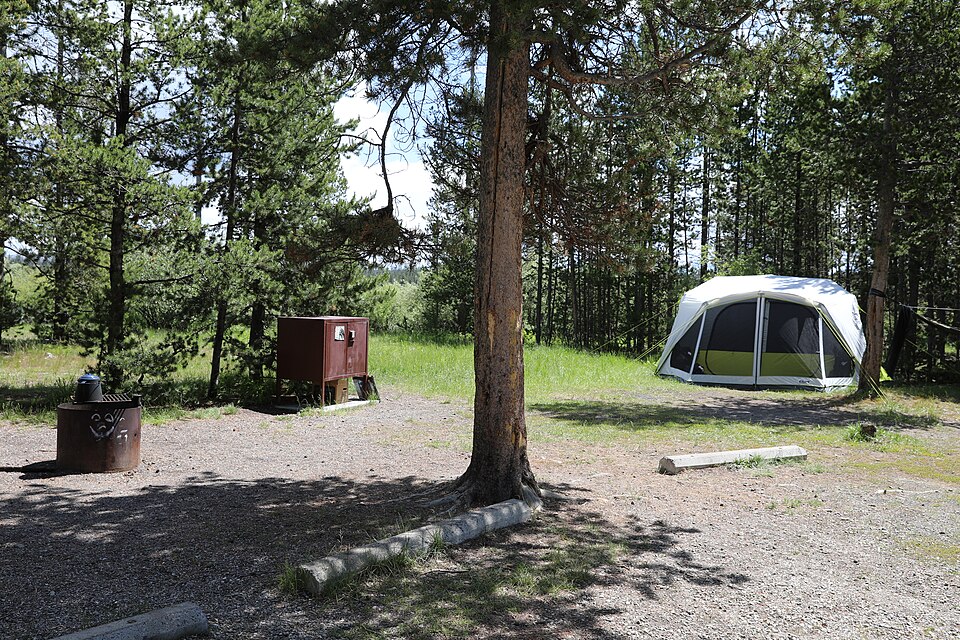
Where to sleep
Harvest Hosts stays on the way to Great Basin National Park
Partner link · Harvest Hosts
Essential Packing and Prep Tips
Because Great Basin is so remote, you must be self-sufficient. There are no gas stations inside the park, and the town of Baker has limited services. Ensure your vehicle is fueled up in Ely or Delta before you head toward the park. Water is your most important resource; the high altitude and dry air can lead to dehydration quickly, even if you don't feel thirsty. Pack layers, as a 30-degree temperature difference between the cave, the valley floor, and the mountain summits is common within a single day.
Food options are sparse, so bringing a cooler with supplies for the duration of your stay is wise. If you plan on hiking the high-altitude trails, sturdy boots and trekking poles can be very helpful on the rocky terrain near the glacier. Most importantly, remember that cell service is non-existent in much of the park. Download offline maps and carry a physical map of the trails. Check the official NPS website for the most recent updates on road conditions, as late-season snow or summer storms can occasionally impact travel on the Wheeler Peak Scenic Drive.
Extending Your Stay in the Region
If you have more than three days, consider exploring the surrounding areas of Eastern Nevada. The town of Ely, about an hour away, offers the Nevada Northern Railway Museum, where you can ride historic steam trains. You could also visit the Ward Charcoal Ovens State Historic Park to see the massive beehive-shaped stone ovens used in the 1870s. These side trips provide a deeper look into the industrial and pioneer history that shaped the American West.
For those who love hidden gems, a drive out to the Spring Valley or a visit to the nearby humming ghost towns can add a layer of mystery to your trip. The vastness of the Great Basin is its greatest draw, and having an extra day allows you to simply sit and watch the light change over the sagebrush sea. Whether you are adding a day of fishing at a remote creek or simply resting in the shade of an aspen grove, the extra time will help you fully synchronize with the slow, natural rhythm of this unique desert-mountain sanctuary.
More ways to book Great Basin National Park
 Illustrative · Diego Angel
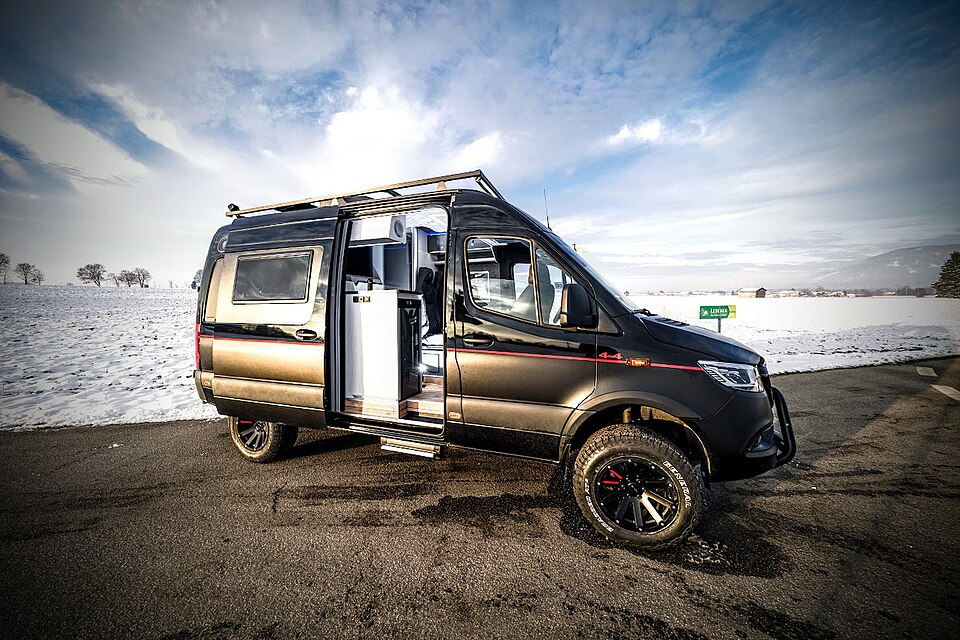
Sprinter Adventure Van
Small enough to park at the trailhead, comfy enough to sleep in.
$189/day (estimate)
Direct link · RVshare