
Choosing the best time to visit Great Basin National Park depends largely on whether you want to explore the underground wonders of Lehman Caves or summit the high peaks of the Snake Range. Located in the remote high desert of Eastern Nevada, this park experiences dramatic temperature shifts and distinct seasonal changes. While the park is open year-round, the high-altitude Wheeler Peak Scenic Drive usually remains closed by snow until late spring or early summer, making the window for full exploration relatively brief.
Summer Exploration and High Altitudes
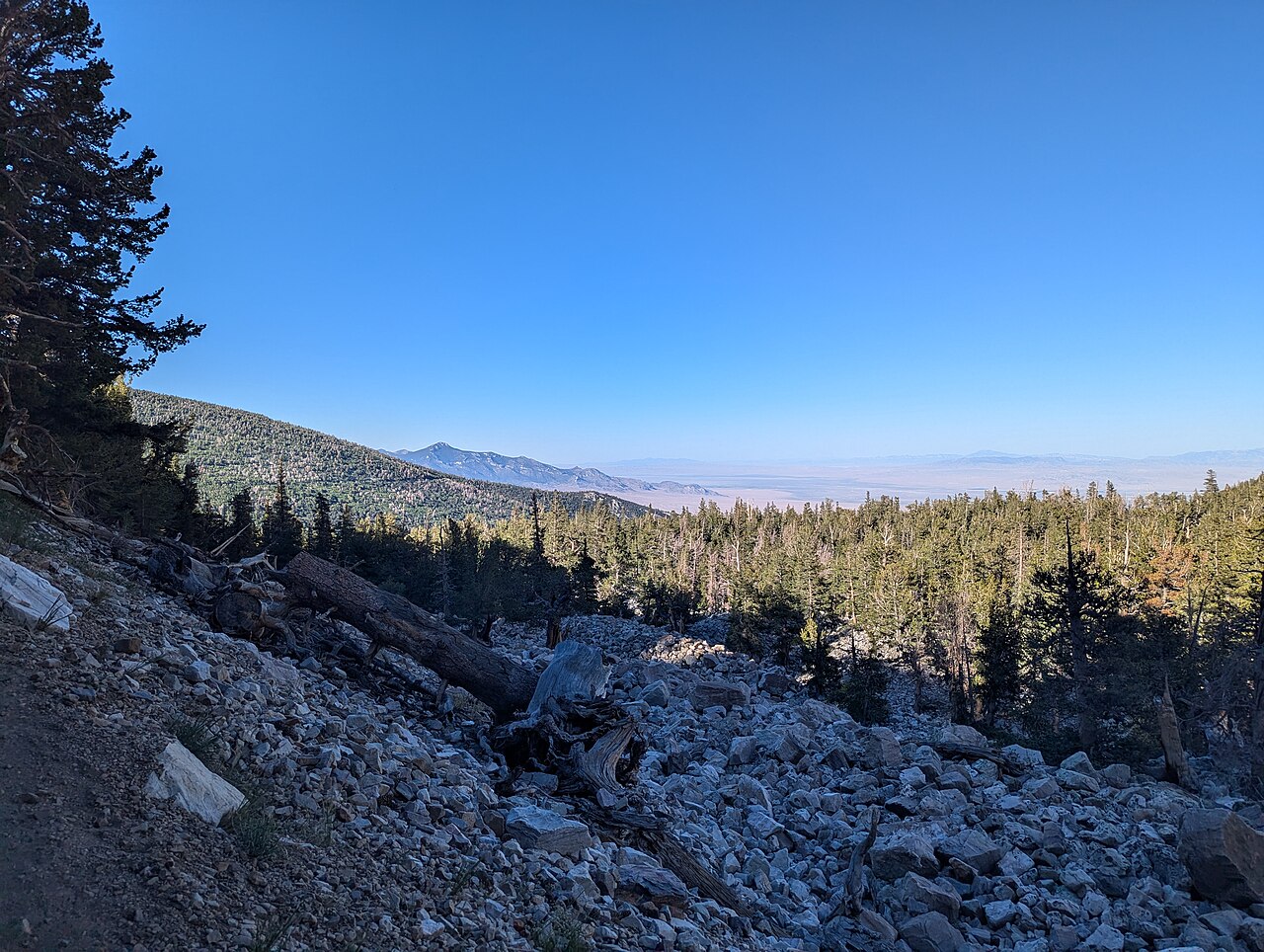
Summer, particularly from July through August, is widely considered the best time to visit Great Basin for hikers. During these months, the snow has finally cleared from the high-elevation trails, allowing access to the ancient bristlecone pine groves and the glacier at the base of Wheeler Peak. While the desert floor near the town of Baker can see temperatures climbing into the 90s, the mountain air remains refreshing and cool, often hovering in the 70s.
This is also the peak season for the parkâs famous astronomy programs. As a designated International Dark Sky Park, Great Basin offers some of the clearest views of the Milky Way in the lower 48 states. Rangers lead telescope programs during these warm summer nights, but you should be prepared for sudden afternoon thunderstorms that are common in the mountains. If you plan to visit during mid-summer, aim to start your hikes early in the morning to avoid the midday sun and potential lightning risks on the ridges.
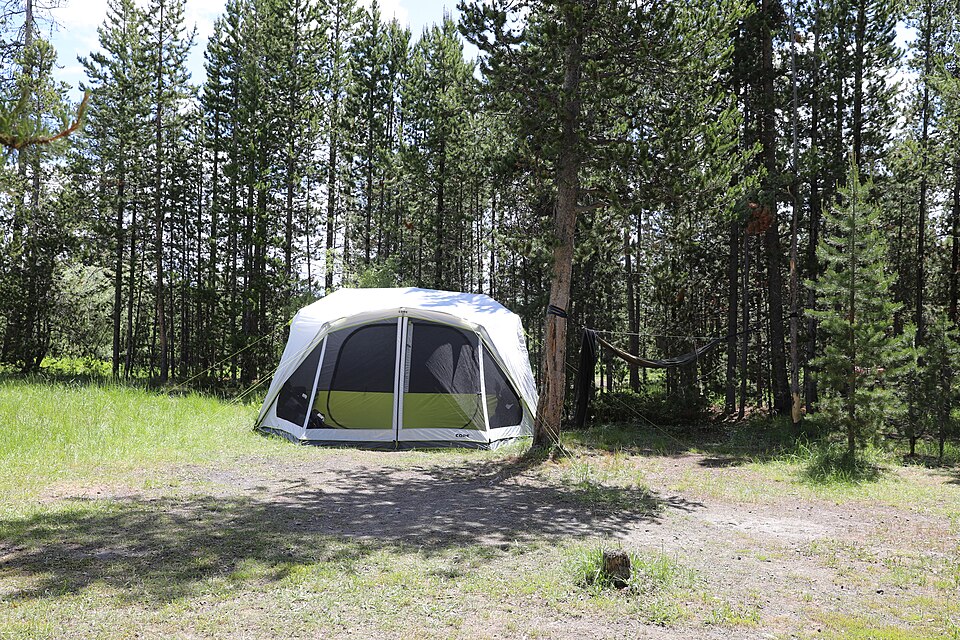
Lock in a stay for this season
RV parks near Great Basin National Park on RoverPass
Partner link · RoverPass
Fall Foliage and Crisp Autumn Air
September and October represent a spectacular, albeit short, window for visiting the park. As the heat of the summer fades, the aspen trees along the Wheeler Peak Scenic Drive and the Strawberry Creek area begin their transformation into brilliant shades of gold and orange. The contrast of the yellow leaves against the rugged grey limestone peaks and deep blue Nevada sky is a photographer's dream. The air becomes crisp, and the crowdsâwhich are never very large at this remote parkâthin out even further.
Wildlife activity increases during the fall as mule deer and elk become more active during the rut. You might hear the bugling of elk echoing through the canyons during the cooler evenings. However, visitors should be aware that high-altitude weather is unpredictable in autumn. A sudden dusting of snow can occur as early as late September, potentially closing the upper sections of the park roads temporarily. If you enjoy cool-weather hiking and quiet trails, the fall is an unbeatable time to explore the Snake Range.
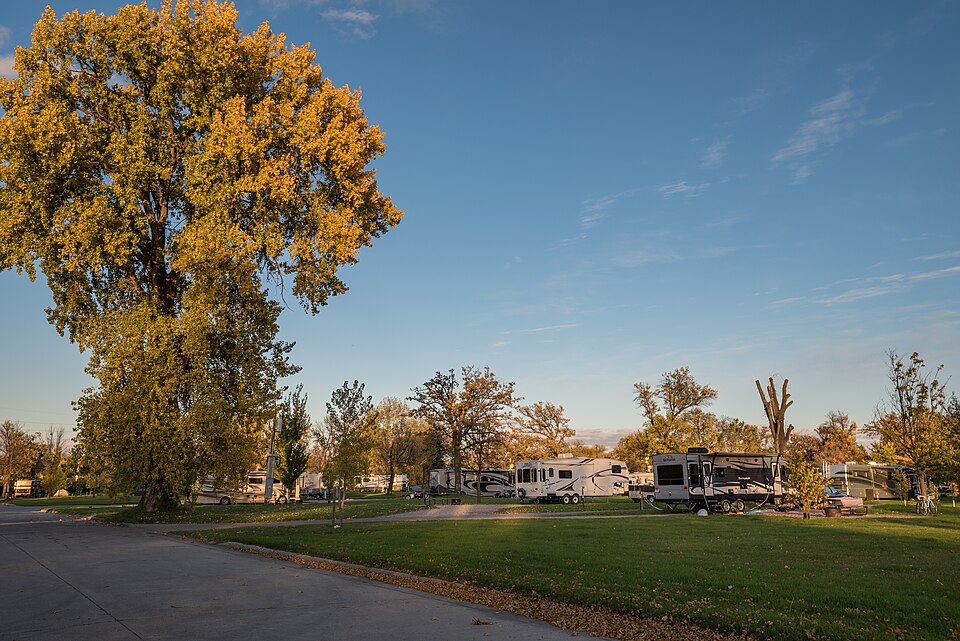
Lock in a stay for this season
Campsites near Great Basin National Park on Campspot
Partner link · Campspot
Winter Solitude and Snowbound Landscapes
Winter in Great Basin National Park is a season of profound silence and solitude. The upper reaches of the Wheeler Peak Scenic Drive close to vehicle traffic, usually at the Upper Lehman Creek Campground, leaving the higher elevations accessible only to those on snowshoes or cross-country skis. For the adventurous traveler, this is a unique time to experience the park's desert-mountain transition without another soul in sight. The lower elevations near the visitor center remain accessible, though temperatures frequently drop well below freezing.
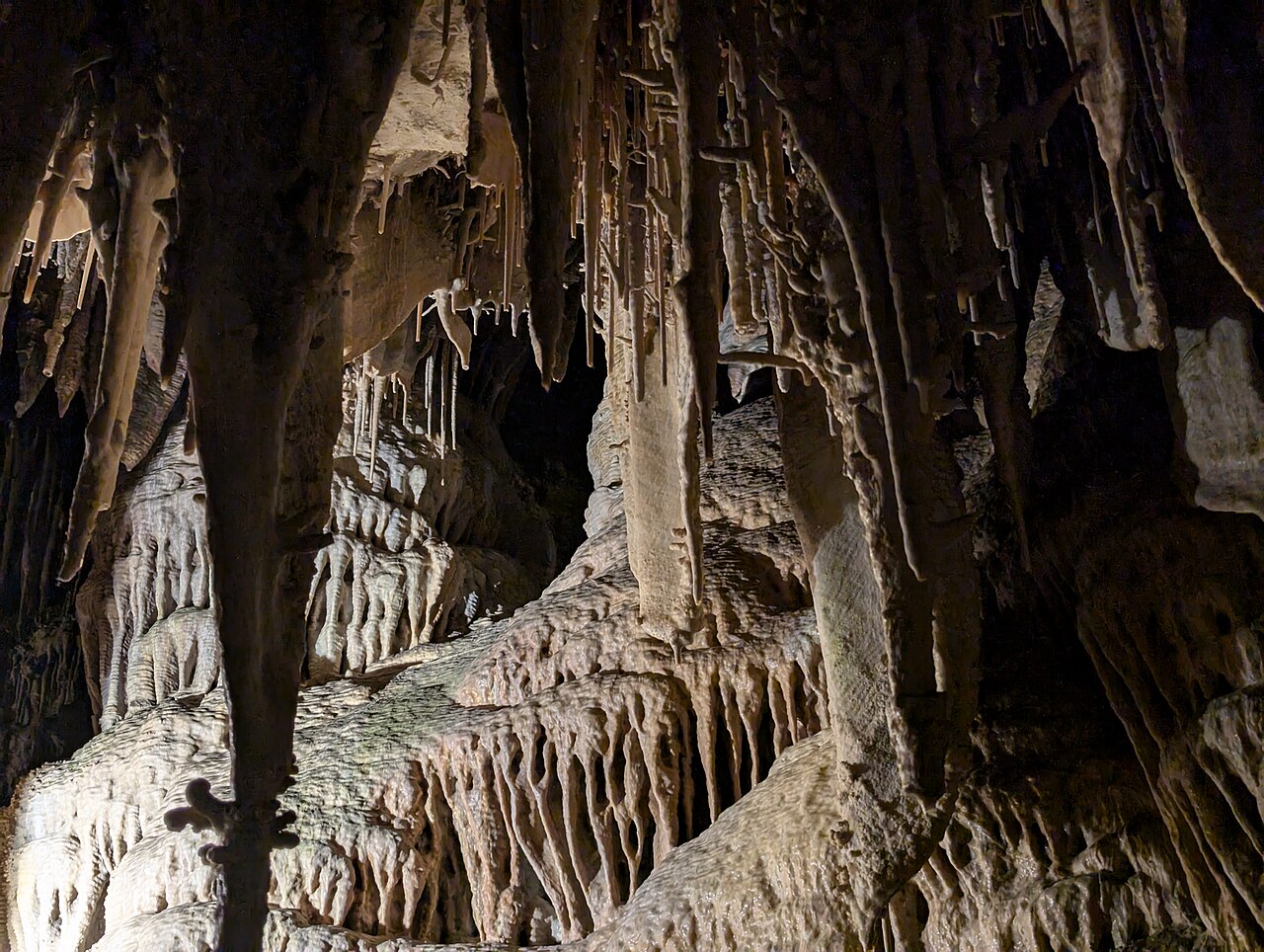
Lehman Caves tours continue during the winter months, offering a temperate escape from the biting wind outside, as the cave stays a constant 52 degrees Fahrenheit year-round. However, services in the gateway town of Baker are extremely limited during this period, so visitors must arrive fully prepared with fuel, food, and emergency supplies. The stark beauty of snow-dusted sagebrush and the clarity of the winter night sky make this a rewarding time for those who don't mind the cold and the restricted access to high-altitude trails.
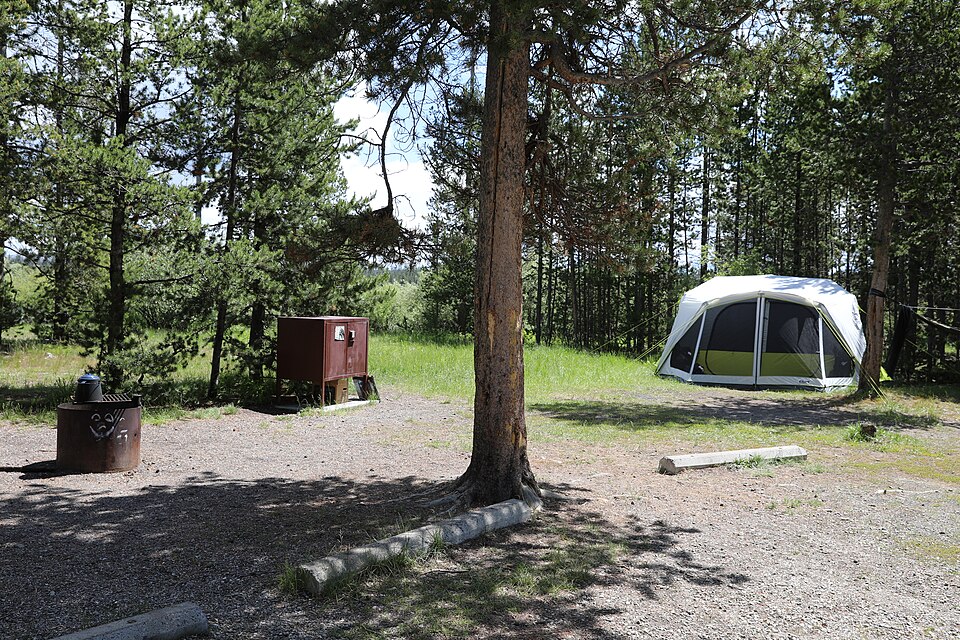
Lock in a stay for this season
Harvest Hosts stays on the way to Great Basin National Park
Partner link · Harvest Hosts
Spring Transitions and Cave Access
Spring arrives slowly in the high desert. While the valleys may begin to bloom with desert wildflowers in April and May, the mountain peaks remain draped in heavy snow. This is a season of transition where you can experience two different worlds: the awakening desert floor and the sleeping alpine heights. It is an excellent time for birdwatching as migratory species return to the riparian corridors along the mountain creeks. The rushing sound of snowmelt filling the streams adds a lively soundtrack to your lower-elevation explorations.
Because the higher trails are typically blocked by deep drifts until June, spring visitors focus their time on the Lehman Caves and the lower mountain loops. This is also the time when you should start monitoring the official NPS site for cave tour reservations, which become highly sought after as the weather warms. If you visit in late spring, you might catch the first blooms of the cactus flowers in the lower elevations, providing a bright pop of color against the desert scrub before the summer heat sets in.
Navigating Crowds and Reservations
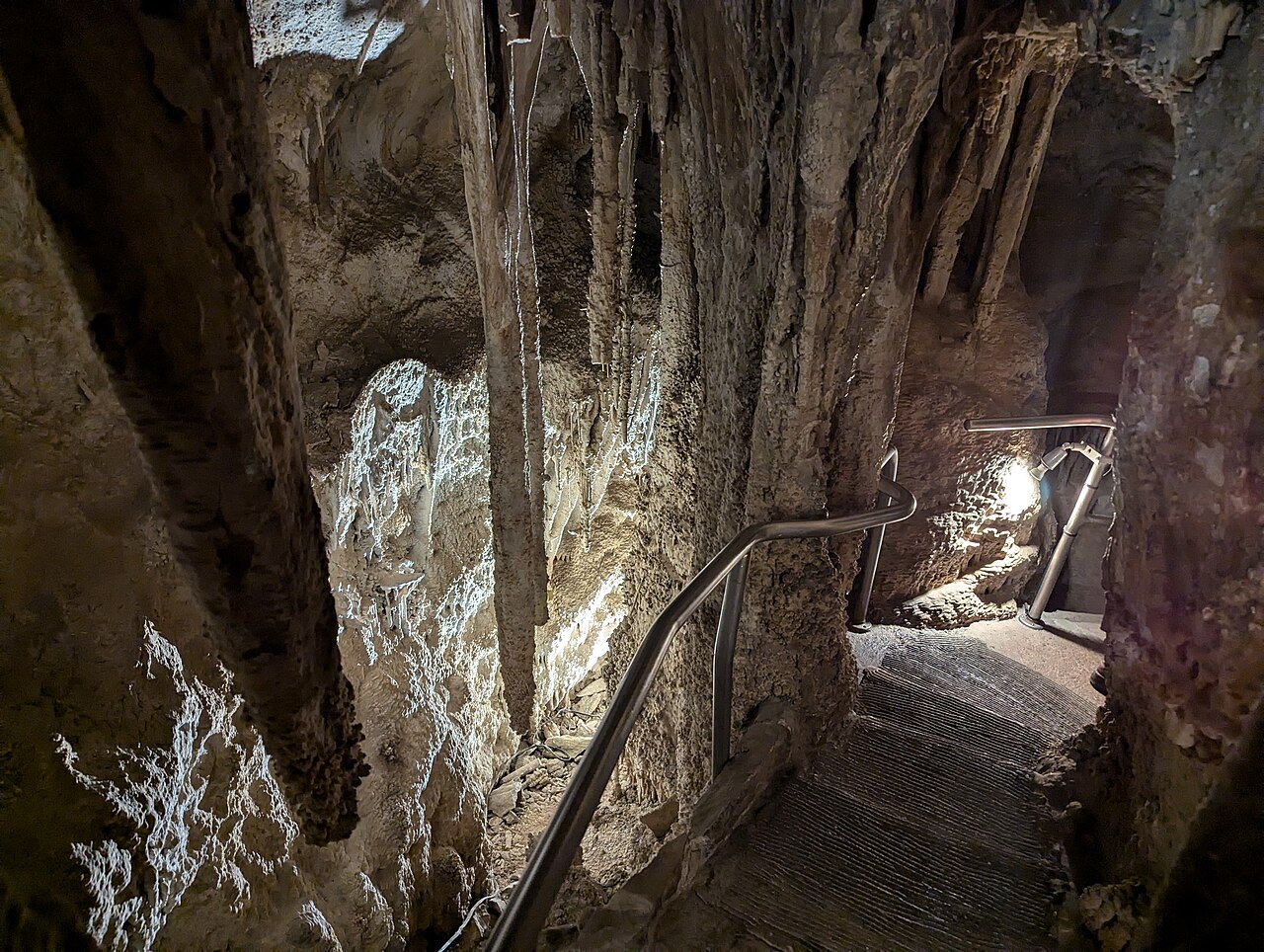
Unlike many of the more famous national parks in the West, Great Basin rarely feels crowded. However, its remoteness means that infrastructure is limited, and the few available spots fill up quickly. The primary bottleneck for visitors is the Lehman Caves tour. To ensure you see the ornate marble structures of the cave, you must book your tickets weeks or even months in advance through the official reservation system. Walk-in tickets are rare during the summer months and the popular fall weekends.
Camping within the park also requires forward planning. While there are several campgrounds at varying elevations, they are popular during the July and August peak season. If you are traveling in an RV, be sure to check length restrictions, as the winding mountain roads are not suitable for all large rigs. By visiting during the mid-week or in the shoulder seasons of late May or early October, you can enjoy an even deeper sense of isolation. Always check the official park site for current road conditions, as snow can impact travel plans well into the summer season.
More ways to book Great Basin National Park
 Illustrative · Roller Coaster Philosophy
Bristlecone Pine Trail
One of the classic ways to experience Great Basin.
Varies (estimate)
Partner link · Viator