
Goblin Valley is a place to explore slowly rather than rush through a list of landmarks. Its compact sandstone formations create a maze of changing shapes, while the surrounding desert opens up possibilities for hiking, camping, and dark-sky viewing. A two- to four-day visit gives you time for the main valley, an outing into the nearby San Rafael Swell, and enough flexibility to work around desert weather.
Explore the Valley of Goblins
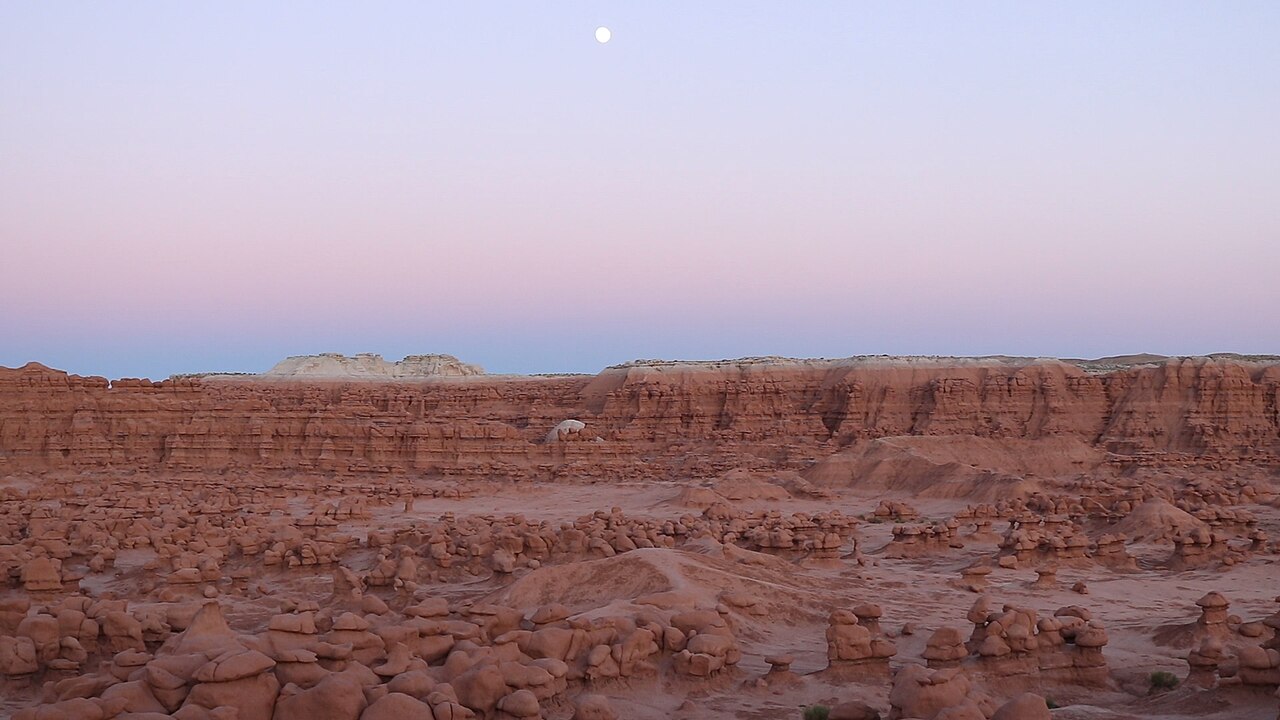
Start at the main overlook to understand the scale of the landscape before walking down among the formations. From above, the valley looks like a field of small stone figures; at ground level, individual hoodoos create corridors, pockets, and constantly changing views. This is the park’s signature experience and deserves more than a quick photo stop.
Much of the appeal comes from unhurried wandering rather than following a single prescribed route. Keep track of the overlook and your return direction, since similar-looking formations can make distances deceptive. Carry a park map or downloaded navigation reference, and avoid assuming cell service will help you relocate your group.
Protect the formations by staying off delicate caps and avoiding scrambling that could damage the sandstone. Visit in softer morning or evening light for photographs, and keep your first walk short enough to assess heat, wind, and everyone’s energy.
Add a Trail or a Nearby Canyon Outing
After exploring the main valley, look at the park map for established hikes such as the Carmel Canyon Trail or Curtis Bench Trail. These routes offer a different perspective on the landscape, including broader views and transitions between rock layers. Ask park staff which route fits current conditions and your group’s experience rather than choosing by distance alone.
Little Wild Horse Canyon is a well-known nearby option outside the state park. Its narrow passages make it a very different outing from the open hoodoo field, and the longer connection with Bell Canyon requires more planning and stamina. A short out-and-back can still involve awkward footing and narrow sections.
Never enter a slot canyon when flooding is possible. Rain upstream can matter even if the sky overhead looks clear. Check official forecasts and land-management guidance, bring offline directions, and leave time for the drive and changing road conditions.
Watch Wildlife and Stay for the Night Sky
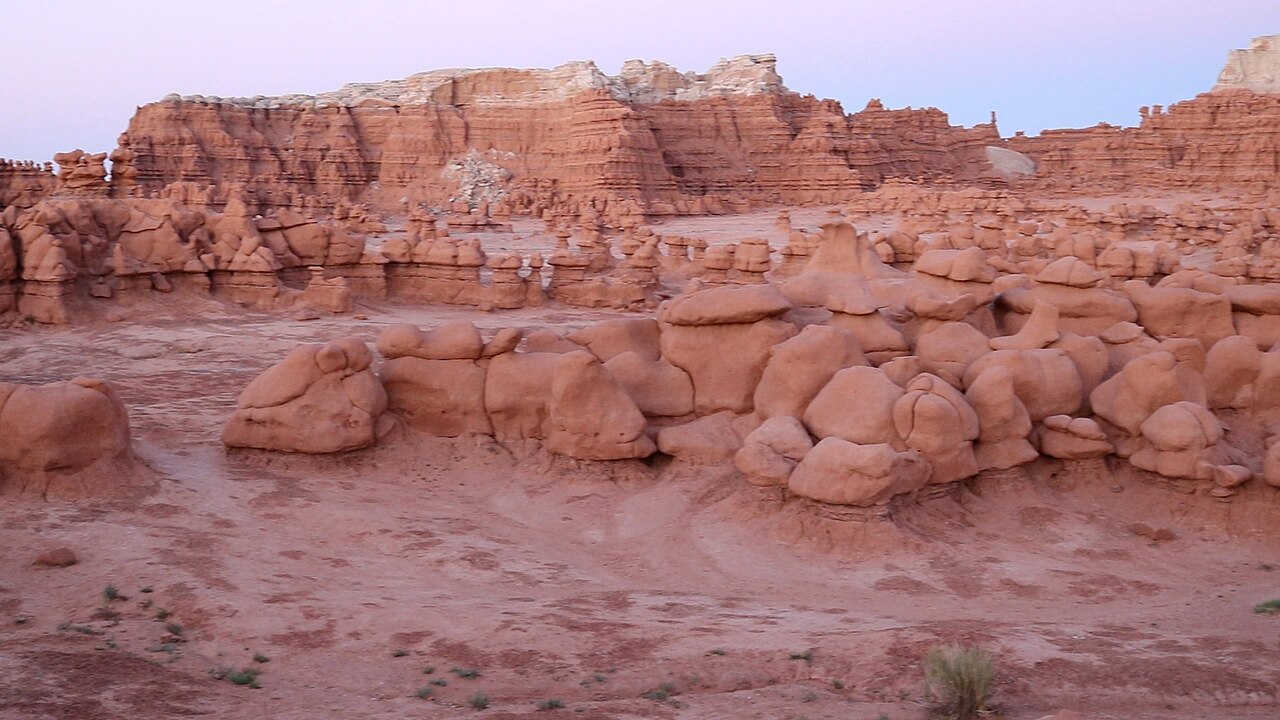
Goblin Valley rewards visitors who pause and look beyond the rock shapes. You may notice lizards near rocky edges, birds moving across the open desert, or small mammals becoming active during cooler hours. Sightings are unpredictable, so treat wildlife as a welcome bonus rather than a scheduled attraction. Watch quietly, keep your distance, and never leave food out.
Water is a planning need here, not the main recreational draw. This is not a swimming destination, and temporary pools after storms should not be treated as dependable drinking sources. Carry the water you need for your outing and confirm available facilities before traveling.
After sunset, the park’s dark setting is a major attraction. Goblin Valley is an International Dark Sky Park. Choose a clear night, use a dim red light when practical, and check whether the park lists any ranger-led astronomy activities during your visit.
Make the Hoodoo Landscape Work for Kids
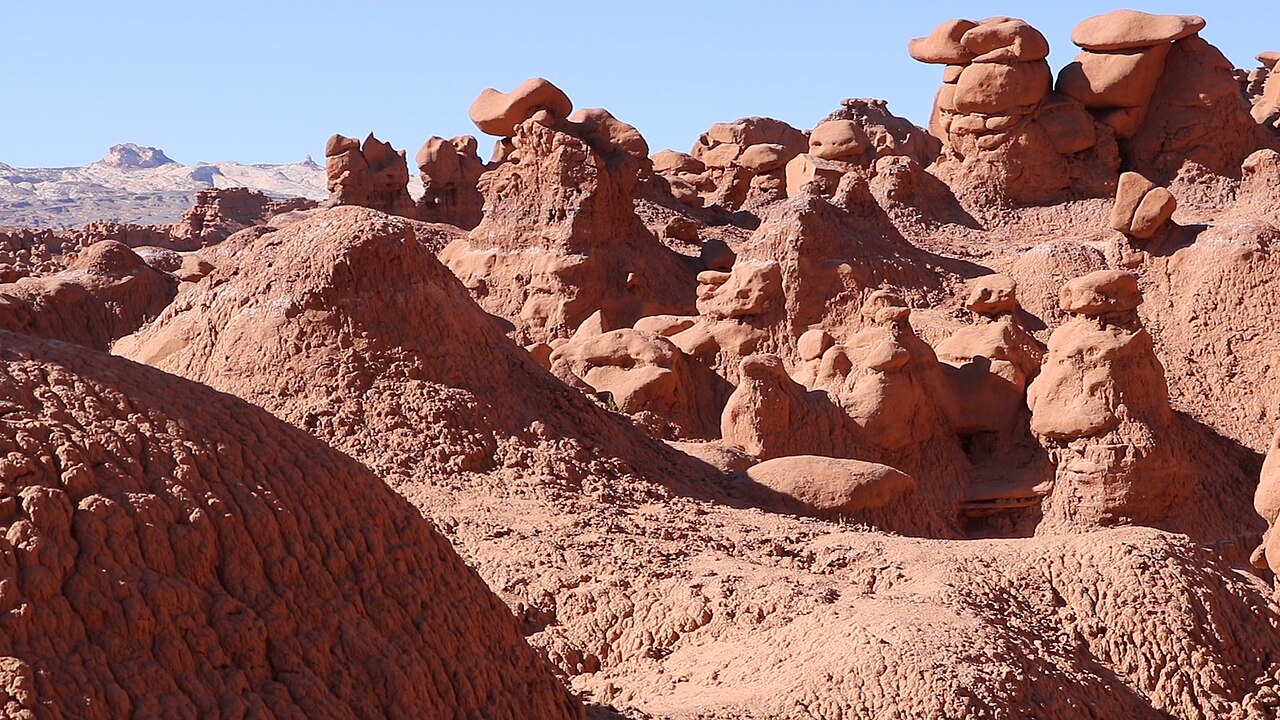
For families, the strongest activity is often the simplest: a short walk with time to notice shapes. Invite kids to spot formations that resemble animals, castles, or imaginary characters, then compare what everyone sees. Keep the focus on observation rather than climbing; sandstone features can be fragile, and uneven ground requires attention.
Set a clear turnaround point before leaving the overlook area. The open valley invites children to scatter, but rock formations can quickly block sightlines. Agree on a close-group rule and stop together for water and snacks. A whistle and a simple separation plan can supplement, not replace, adult supervision.
Choose cool parts of the day and pack layers, hats, and more water than a casual stroll might suggest. If you are camping, leave energy for dinner and an early-evening sky watch rather than adding another demanding hike. Check the official park site for current family programming.
Adjust Your Plans for Rain or Strong Wind
Rain is a reason to reassess desert activities, not an invitation to swap the valley for a slot canyon. Nearby narrow canyons can flood, and unpaved roads may become muddy or impassable. Wet sandstone and clay-rich surfaces can also make otherwise straightforward walks slippery. Check current alerts and ask park staff about local conditions.
Goblin Valley has limited indoor distractions, so a rainy-day plan may mean spending time at your lodging or changing your route. Green River offers a more developed stop, including the John Wesley Powell River History Museum; verify current access before making the drive. Do not assume every remote scenic road remains suitable after rainfall.
If conditions improve, a brief overlook visit may be more appropriate than a long hike. For persistent storms or strong winds, postpone exposed outings. Keep food, water, warm layers, and offline maps available even when your revised plan is mostly driving.