
The best time to visit Goblin Valley is usually spring or fall, when exploring its sandstone formations is more comfortable than during summer heat. This remote Utah state park can also reward a winter visit or a carefully timed summer trip, but each season changes how you should plan your days. Give yourself two to four days if you want to combine the park with nearby San Rafael Swell scenery.
Spring: Comfortable Hiking With Changeable Weather
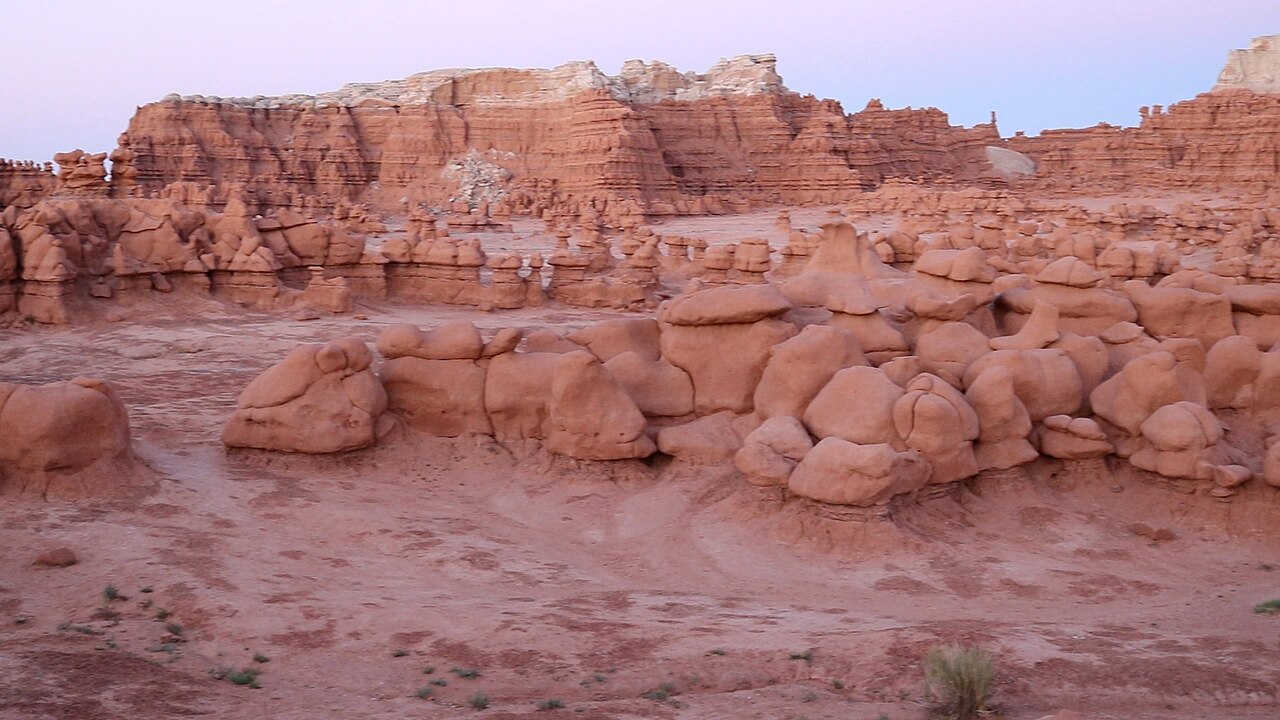
Spring is a strong choice for wandering among Goblin Valley’s mushroom-shaped sandstone formations. Days generally become more comfortable for walking, while nights can remain cold enough to make warm sleeping gear important. Wind is another consideration: an exposed picnic table or campsite may feel much chillier than a sheltered stretch between rock formations.
Plan your longest walks for the more comfortable part of the day rather than assuming every spring afternoon will be mild. Carry layers, sun protection, and drinking water even on short outings. The valley floor offers little reliable shade, and sunshine can feel intense despite cool air.
Spring weekends and school breaks can bring more visitors. If your trip depends on a park campsite or yurt, check the official Utah State Parks reservation system early. Review current conditions again shortly before departure, especially after rain or late-season snow.
Summer: Early Starts and Serious Heat Planning
Summer brings long daylight hours, but it is not the easiest season for extended hiking in Goblin Valley. The open desert and exposed valley floor can become extremely hot, with little shade available once you leave developed areas. Make sunrise and the hours near sunset your main outdoor windows, and keep midday plans flexible.
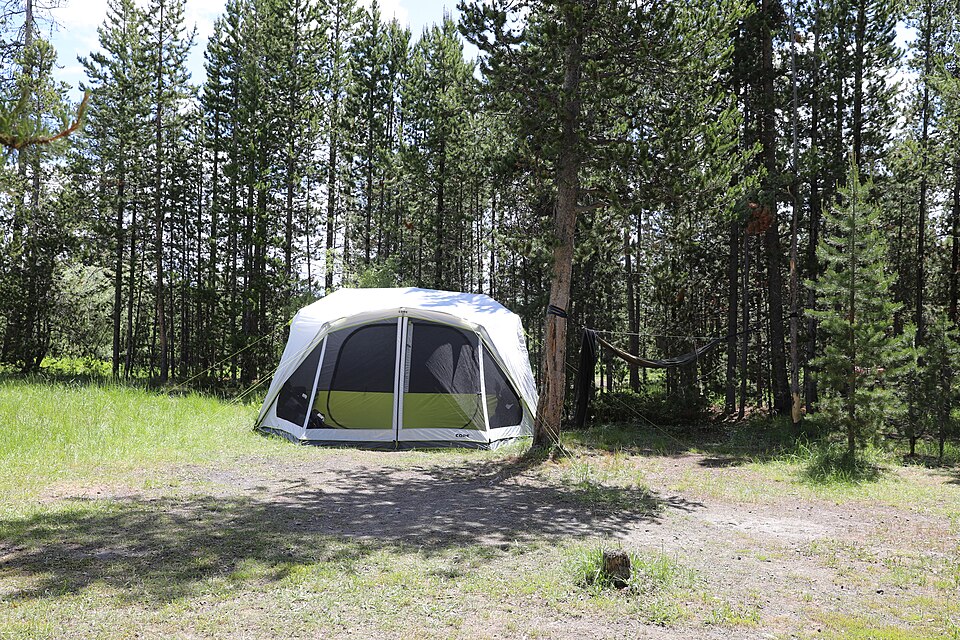
A sensible summer visit might include a short morning exploration, a long break somewhere genuinely cooler, and an evening return for photography. Do not assume a tent, parked vehicle, or open-sided shade structure will provide adequate relief from afternoon heat. Bring more drinking water than you expect to use and know where you can replenish it.
Summer thunderstorms add another planning constraint. Avoid nearby slot canyons when storms threaten anywhere in their drainage. Check official weather forecasts and park alerts before choosing an outing, not just when you arrive.
Fall: A Good Balance of Hiking and Camping
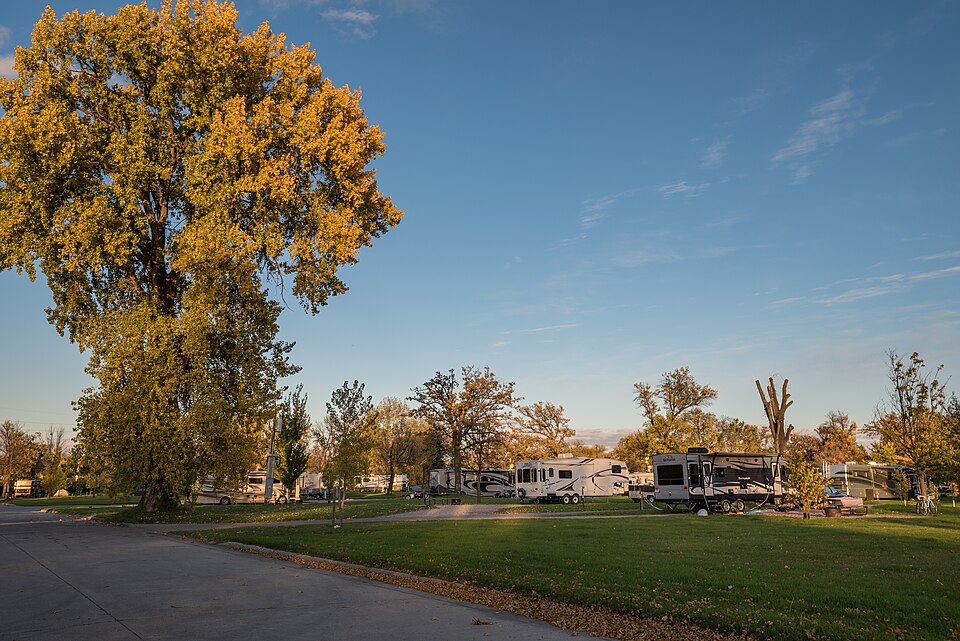
Fall often offers the most appealing balance for a trip built around hiking, camping, and photography. As summer heat eases, spending several hours among the hoodoos becomes more practical. Early fall can still feel hot, however, and temperatures become more variable as the season progresses. Pack for both sunny afternoons and cold evenings.
The shorter days make it important to start longer outings early. If you plan to combine Goblin Valley with Little Wild Horse Canyon or other San Rafael Swell stops, leave enough time to return before dark. Remote roads are less forgiving when you are tired, and cell coverage should not be part of your navigation plan.
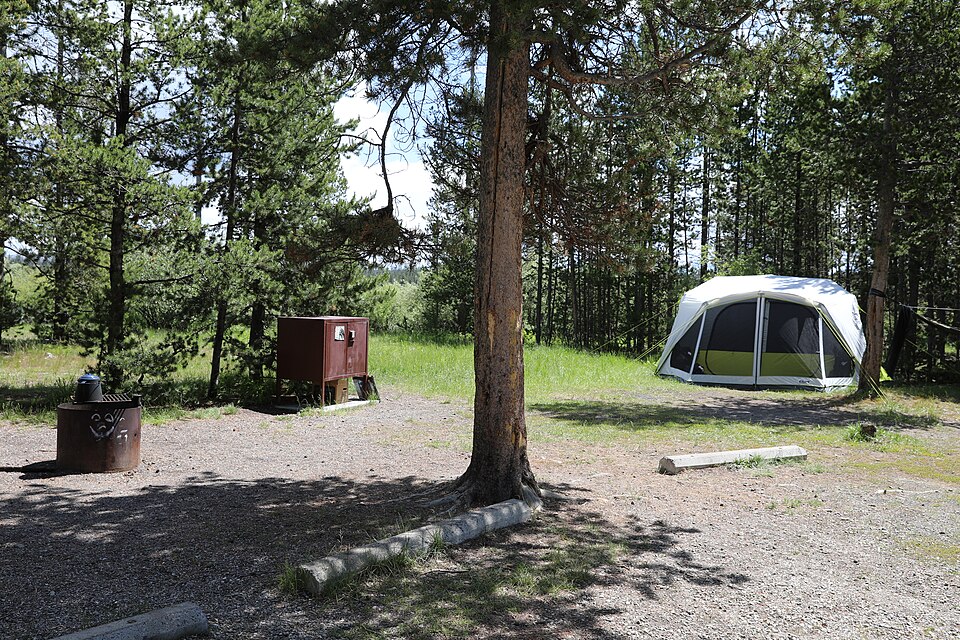
Expect popular fall weekends to attract campers and day visitors. Reserve established overnight accommodations once your dates are firm, and consult the official park website for current reservation policies, campground information, and road conditions.
Lock in a stay for this season
Harvest Hosts stays on the way to Goblin Valley
Partner link · Harvest Hosts
Winter: Quiet Scenery With Cold-Weather Tradeoffs
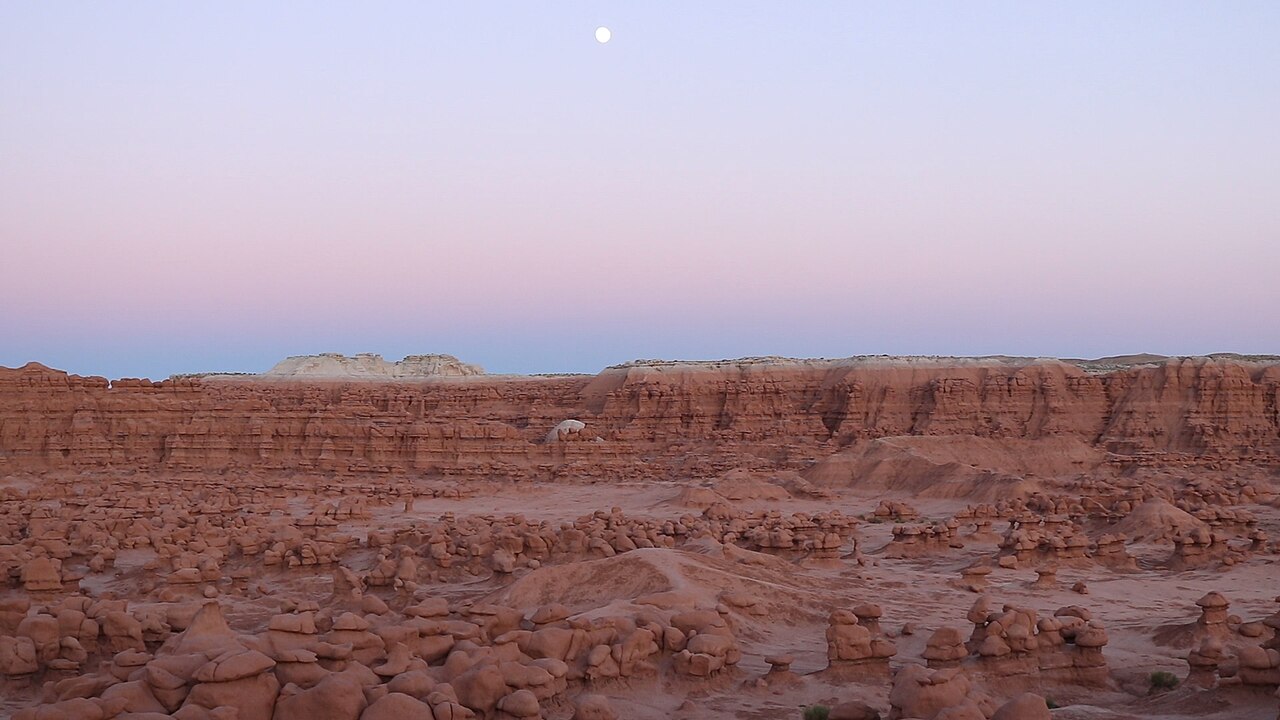
Winter can be beautiful at Goblin Valley, especially when a light coating of snow outlines the reddish sandstone formations. Visitor numbers are often lower than during comfortable spring and fall weekends, giving the landscape a quieter feel. The tradeoff is cold weather, short daylight hours, and the possibility of icy or muddy walking surfaces.
Build a winter trip around shorter explorations rather than an ambitious hiking checklist. Footing can change between sunny patches and shaded areas, and wet desert soils may become sticky and difficult to cross. Stay on durable surfaces where practical and avoid climbing formations, particularly when the sandstone is wet.
For overnight stays, verify exactly what your accommodation provides. A roof does not automatically mean reliable heating or winter-ready plumbing. Check the official park site for facility updates and approach-road conditions, and keep enough flexibility to change plans if a storm arrives.
Crowds, Booking Timing, and Choosing Your Dates
For a first visit, choose a spring or fall weekday if your schedule allows. Weekends, holidays, and school breaks tend to place more pressure on the park’s limited overnight inventory. Morning visits can also offer a calmer experience around the main overlook and the easiest access points to the valley floor.
There is no single booking deadline that works for every trip. Instead, check the official Utah State Parks website as soon as you know your travel window, learn when your dates become available, and reserve promptly if a particular campsite or yurt matters. Do not build a remote overnight plan around finding an unreserved space after dark.
Before leaving, confirm entry requirements, reservation details, alerts, and the forecast. Budget for park admission, lodging or camping, fuel, and supplies as variable expenses. A flexible extra day can help you work around wind, heat, or rain.
More ways to book Goblin Valley
 Illustrative · claralieu
Desert Stargazing
One of the classic ways to experience Goblin Valley.
Varies (estimate)
Partner link · Viator