
Glacier Bay glamping is better approached as a search for comfortable, nature-focused lodging than as a promise of safari tents beside a glacier. Around Gustavus, rustic cabins and small lodges may fit that goal more realistically than a dedicated luxury tent camp. The key is choosing a stay with the comfort you want and workable transportation to Bartlett Cove, where many park visits begin.
What Glamping Looks Like Near Glacier Bay
In this part of Alaska, the appealing middle ground is often a real bed, a roof, and a forested setting rather than an elaborate canvas suite. Look for cabin-style or small-lodge accommodations near Gustavus, then evaluate the actual amenities instead of relying on the word glamping. Dedicated furnished tent options should be verified rather than assumed to exist for your dates.
Ask whether bathrooms are private or shared, how the space is heated, whether meals are available, and where wet clothing can dry. Electricity, internet access, and cooking facilities also deserve a direct check. A rustic stay can still involve shared spaces or limited services. Glacier views are not a standard feature of Gustavus-area lodging, so prioritize setting and logistics over an imagined view.
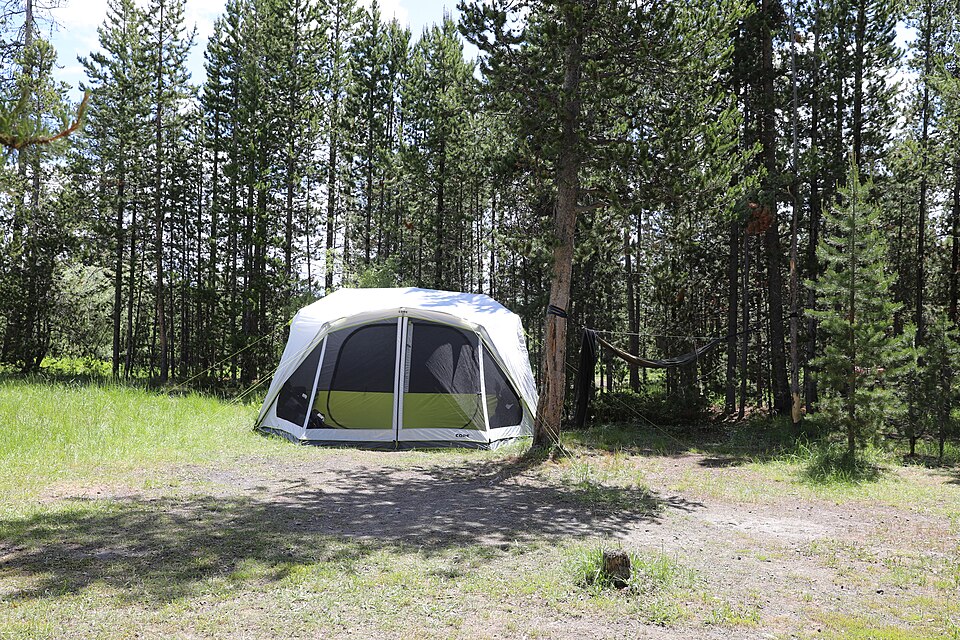
Where to Stay: Gustavus, Bartlett Cove, or Juneau
Gustavus is the most practical area to search when your priority is spending time in Glacier Bay National Park. Accommodations may be spread out, making transfers and meals as important as the room itself. Ask how you will reach Bartlett Cove for an early excursion departure and whether that transportation is included or requires separate arrangements.
Bartlett Cove puts you close to the park's main visitor facilities, but accommodation choices are limited and seasonal. Check official park information for current lodging arrangements rather than expecting a broad glamping market. Juneau offers a larger gateway base and more general travel services, but it is not a road-accessible substitute for staying near Bartlett Cove. Factor the additional transportation into any park-focused plan.
Choose Summer and Book the Whole Stay Together
June through August is the simplest window for combining comfortable lodging with park excursions and seasonal visitor services. These months offer long days, but they do not eliminate rain, wind, or chilly evenings. An enclosed, heated accommodation may provide more of the comfort you want than a tent-style setup, especially after a long day on the water.
Start researching several months ahead if your dates are fixed. Confirm the property's operating season, then match available nights with flights, airport transfers, meals, and your main bay excursion. Spring and fall stays require closer attention to opening and closing dates. Before committing, check the official NPS website for current park services and conditions, and verify lodging details directly with the provider.
Where to sleep
Harvest Hosts stays on the way to Glacier Bay National Park
Partner link · Harvest Hosts
Pack for Wet Weather, Not Just Cozy Evenings
Bring a waterproof jacket and rain pants, insulating layers, a warm hat, and comfortable footwear suited to wet paths. Quick-drying clothing is more practical than relying on a single bulky outfit. Spare socks and a dry set of clothes make a noticeable difference after a boat trip or rainy walk, even when you are returning to a proper bed.
Add binoculars, sun protection, insect repellent, and a small daypack with a waterproof liner or dry bags. Ask what bedding, towels, toiletries, and outdoor equipment your accommodation supplies before packing duplicates. Carry essential medications and charging equipment with you during travel. Food storage rules still matter outside a traditional campsite; follow your host's instructions and park guidance rather than leaving snacks outdoors.
Glamping vs. Camping vs. an RV
A cabin or lodge-style stay reduces the amount of camping equipment you must transport and gives you a place to dry out. It usually costs more than tent camping, though included meals or transfers can change the comparison. Look at the total trip cost rather than the nightly accommodation figure alone.
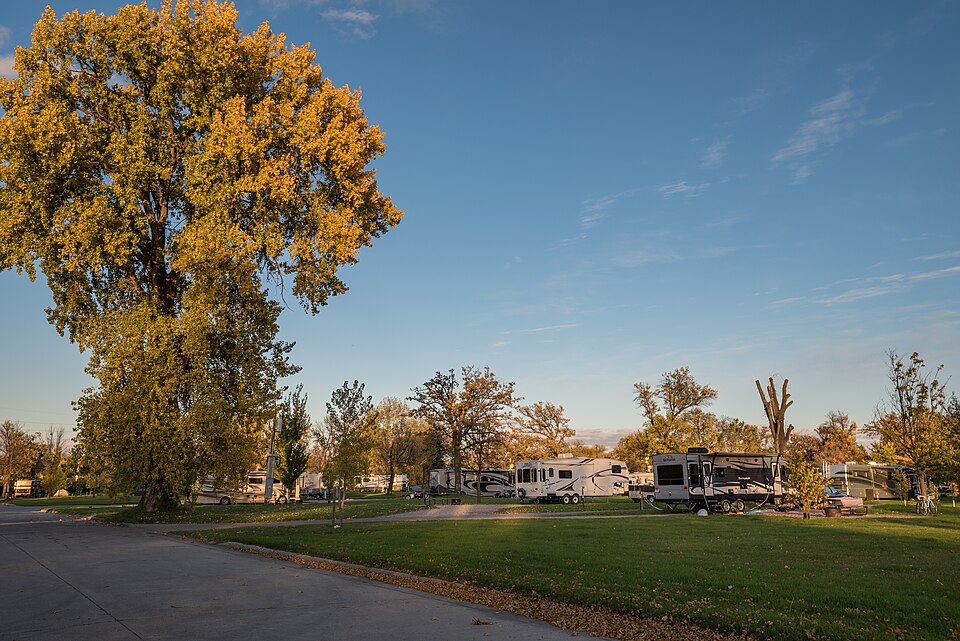
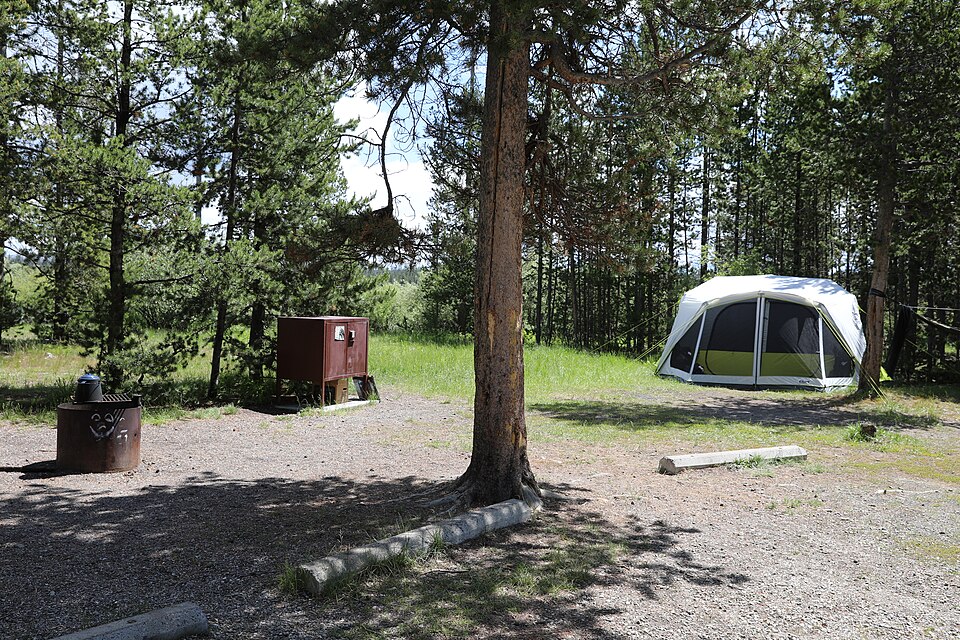
Tent camping suits travelers prepared for wet conditions, food-storage requirements, and limited facilities. Check the official park website for Bartlett Cove camping procedures and any backcountry orientations or permits. An RV is less straightforward here because Gustavus has no mainland highway connection, and Bartlett Cove's campground is walk-in rather than an RV campground. Transporting a vehicle requires separate planning; verify transportation and legal overnight options before bringing one.