
June through August is the most practical time to visit Glacier Bay National Park, especially if you want a boat excursion, accessible lodging, and long daylight hours for exploring. That convenience comes with stronger demand for the area's limited visitor services. Spring and fall can suit flexible travelers, while winter requires much more independent planning in a remote coastal setting where weather shapes nearly every trip.
Summer: The Easiest Season for a First Visit
June, July, and August offer the broadest selection of visitor services around Gustavus and Bartlett Cove. Long daylight hours make it easier to combine a walk with arrival-day logistics, and summer is the most straightforward season for a full-day trip into the bay. It is also the period when small accommodations and excursion departures can fill up.
Expect cool maritime weather rather than dependable warmth. Rain, low clouds, wind, and occasional clearer spells can all occur during one visit. Pack waterproof layers even when the forecast looks promising. June and July have especially long days; August brings gradually shorter evenings. No summer month guarantees clear glacier views or particular wildlife sightings.
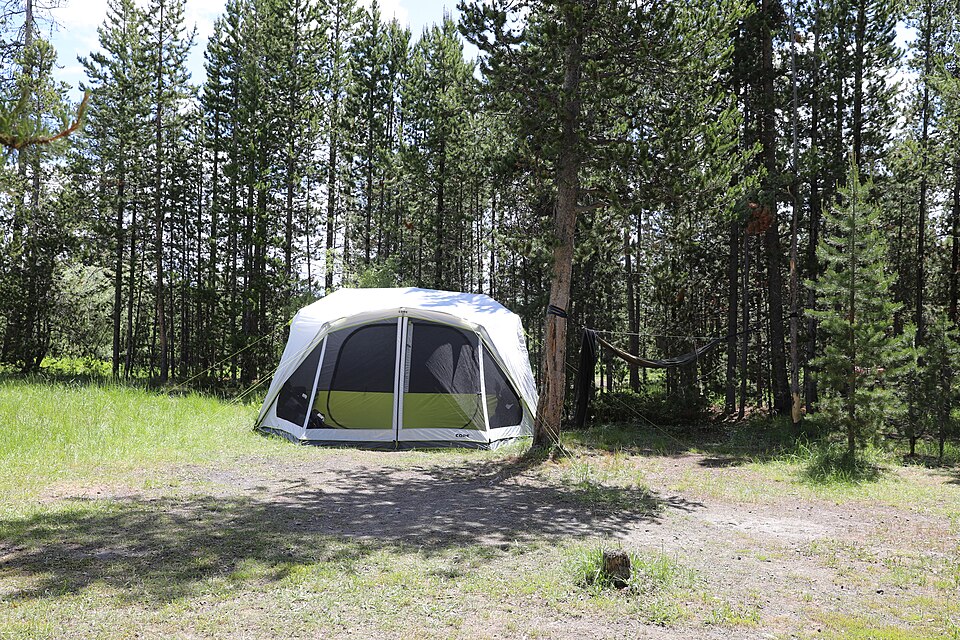
Lock in a stay for this season
RV parks near Glacier Bay National Park on RoverPass
Partner link · RoverPass
Spring: Quiet Surroundings, Limited Services
Spring arrives unevenly in Southeast Alaska. Around the coast, conditions gradually soften, while higher terrain remains snowy. March and April are not substitutes for a summer park visit: visitor services may be unavailable, and transportation choices can be limited. May is a transition month, with seasonal businesses and park programs opening on varying schedules.
The appeal is a quieter gateway community and a landscape moving into its growing season. The trade-off is less certainty about excursions, meals, and accommodations. Before choosing spring dates, verify that your lodging and the specific bay trip you want will operate together. Check the official park website for seasonal facilities, trail conditions, and current visitor information rather than relying on a general Alaska travel calendar.
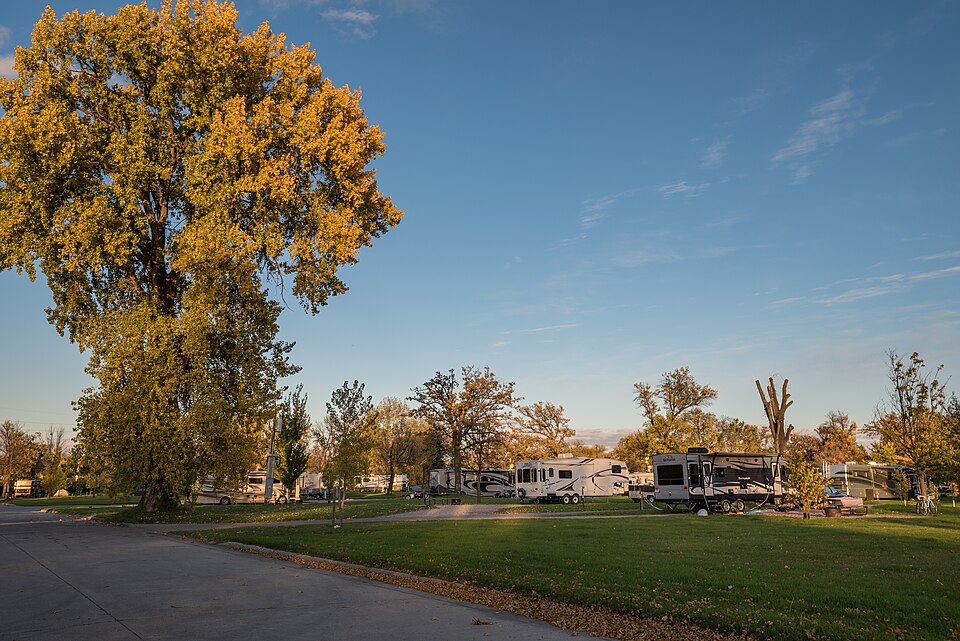
Lock in a stay for this season
Campsites near Glacier Bay National Park on Campspot
Partner link · Campspot
Fall: Fewer Visitors and a Shorter Operating Season
September can appeal to travelers who value quieter surroundings and do not mind building a trip around a shrinking range of services. Daylight decreases, wet and windy weather becomes an important planning consideration, and seasonal accommodations and tours may close before the month ends. October and November require a different level of logistical preparation than a typical summer getaway.
Do not assume that fewer visitors mean every activity will be easier to arrange. A boat excursion may have fewer departure options, and dining or ground transportation can become more limited. Confirm operating dates before committing to flights. Keep your schedule flexible, and treat wildlife encounters and clear views as possibilities rather than reasons to choose a particular fall week.
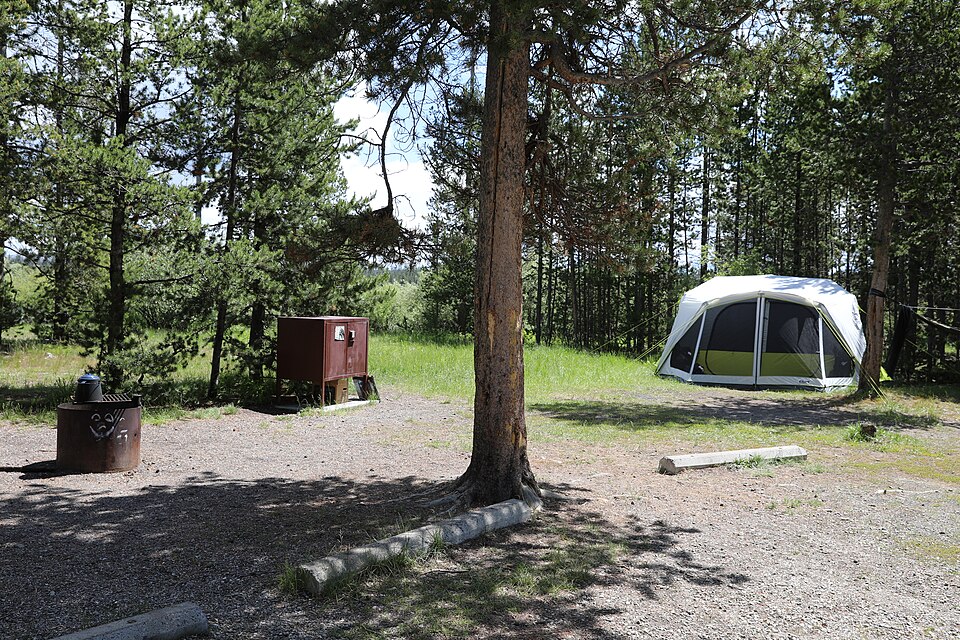
Lock in a stay for this season
Harvest Hosts stays on the way to Glacier Bay National Park
Partner link · Harvest Hosts
Winter: A Remote, Independent Trip
Winter brings short days, cold conditions, and the possibility of snow, ice, rain, and strong coastal weather. The park remains a wilderness landscape, but the standard summer visitor experience is largely unavailable. Travelers hoping to arrive, join a regular sightseeing excursion, and choose among several nearby services should generally look at summer instead.
A winter visit calls for confirmed accommodations, transportation, food arrangements, and realistic expectations about what you can reach. Flight disruptions can have a larger effect when alternatives are limited. Do not plan remote outings around an assumed rescue response or reliable mobile coverage. Consult the official Glacier Bay National Park website and speak with park staff about current conditions before developing an independent winter itinerary.
Crowds, Weather, and When to Reserve
Glacier Bay does not have the road traffic of a drive-through national park, but limited lodging and excursion capacity make advance planning important. For summer, begin checking arrangements several months ahead, especially if your dates are fixed. Coordinate flights, a Gustavus-area stay, airport transfers, and your bay excursion as one connected plan rather than booking each in isolation.
Peak-season demand is concentrated around summer travel dates and available departures. Shoulder-season travel may feel quieter but can offer fewer choices, not necessarily lower overall costs. Review cancellation terms and leave breathing room around important connections. Check the official NPS website for current conditions, park programs, camping requirements, and any vessel permits or reservations relevant to your trip.
More ways to book Glacier Bay National Park
 Illustrative · Betty Wills (Atsme)
Whale Watching
One of the classic ways to experience Glacier Bay.
Varies (estimate)
Partner link · Viator