
The Gila Wilderness is famous for its 'primitive' status, meaning no roads or structures are allowed within its boundaries. However, for those who want to experience the majesty of the high desert without sleeping on the ground, a growing number of glamping and luxury camping options have emerged in the surrounding gateway communities. These accommodations offer a bridge between the rugged, untamed forest and the comforts of a modern vacation, allowing you to spend your days on the trail and your nights in a real bed.
What Glamping Looks Like in the Gila
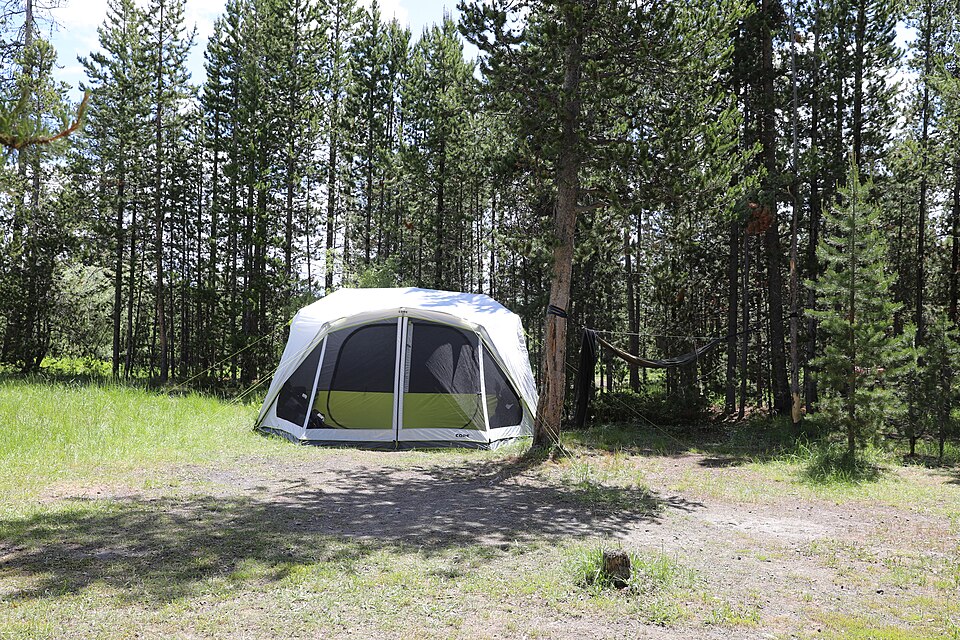
In the Gila region, glamping typically takes the form of refurbished vintage trailers, luxury wall tents, or rustic-chic cabins located on the edges of the wilderness. Unlike the massive glamping resorts found near more populated national parks, the offerings here are often smaller and more intimate, reflecting the quiet character of Southwestern New Mexico. You might find a safari-style tent equipped with a wood-burning stove and plush linens, situated on a bluff overlooking the Mimbres Valley or tucked into a grove of cottonwood trees.
These sites focus on the 'stars and silence' experience. Many provide private decks for stargazing, as the Gila is one of the best locations in the lower 48 states for dark sky viewing. While you may have a comfortable mattress and even a small kitchenette, the experience remains deeply connected to the environment. You will still hear the coyotes at night and smell the scent of sun-warmed juniper in the morning, but youâll have the added luxury of a warm shower and a sturdy roof over your head after a long day of hiking the canyon floors.
Gateway Towns and Glamping Hubs
The primary areas for finding glamping-style accommodations are Silver City, Glenwood, and the Mimbres Valley. Silver City offers a more eclectic, artsy vibe with guest houses and boutique stays that border the National Forest. Here, you can enjoy the local galleries and restaurants before retreating to a secluded spot on the outskirts of town. Glenwood, located to the west, is much smaller and offers a closer proximity to the Catwalk and the rugged Mogollon mountains, making it ideal for those who want to minimize their driving time.
The Mimbres Valley is perhaps the most scenic area for glamping, featuring high-desert ranch lands and lush riparian corridors. Several private properties in this area offer unique stays that emphasize tranquility and birdwatching. When choosing your location, consider which trailheads you plan to visit most frequently. The drive between the east and west sides of the wilderness can take several hours due to the mountainous terrain, so picking a home base near your primary interests is key. These gateway areas provide the essential services you need while still feeling like you are a world away from the bustle of the city.
Glamping vs. Traditional Camping
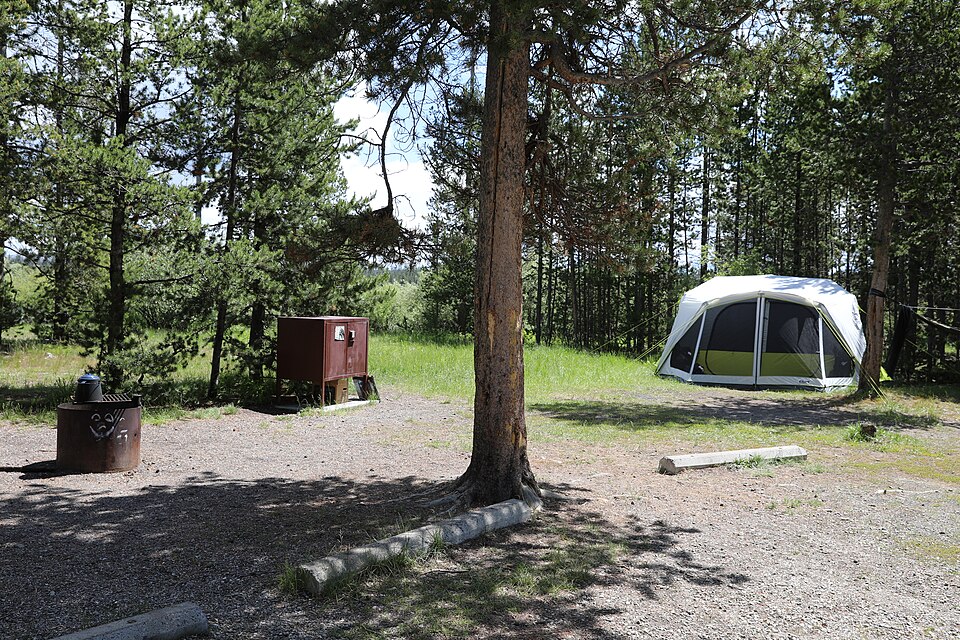
Choosing between glamping and traditional camping in the Gila depends on your comfort level and your goals for the trip. Traditional camping in the Gilaâs developed campgrounds, like those near the Cliff Dwellings, is quite basic, often offering only a vault toilet and a fire ring. Backpacking is even more primitive, requiring you to carry everything you need on your back. Glamping provides a necessary middle ground for those who may have physical limitations, families with small children, or anyone who simply wants a more restful night's sleep to fuel their daytime adventures.
One of the biggest advantages of glamping here is the climate control. The Gila experiences intense temperature fluctuations; a summer day might be hot, but the nights can still be chilly. A glamping tent or cabin often provides better insulation and heating options than a standard nylon tent. Furthermore, having access to a private kitchen allows you to prepare better meals, which can be a significant benefit on a multi-day trip. However, keep in mind that glamping is significantly more expensive than the nominal fees for Forest Service campgrounds, so it is a choice of prioritizing comfort over a minimal budget.
Seasonal Considerations for Luxury Stays
While the wilderness is open all year, glamping availability can be seasonal. Many luxury tent sites only operate from late spring through late autumn to avoid the freezing winter temperatures of the high desert. If you are planning a spring visit, you will enjoy the mild days and blooming desert, but be sure your accommodation has a reliable heat source for the nights. Fall is perhaps the most popular time for glamping, as the crisp air and changing colors make sitting around an outdoor fire pit particularly enjoyable.
Summer glamping requires a different set of considerations. Look for sites that offer good ventilation or cooling systems, as the afternoon sun can be intense. The monsoon season in July and August can also bring heavy afternoon rains, so a stay with a solid roofâlike a cabin or a reinforced yurtâmight be preferable to a canvas tent during those months. Always check with your host about their specific seasonal amenities and road access during the rainy season. Because many of these unique stays are located on unpaved ranch roads, a four-wheel-drive vehicle is often recommended to ensure you can reach your site regardless of the weather.
RV Stays and Alternative Options
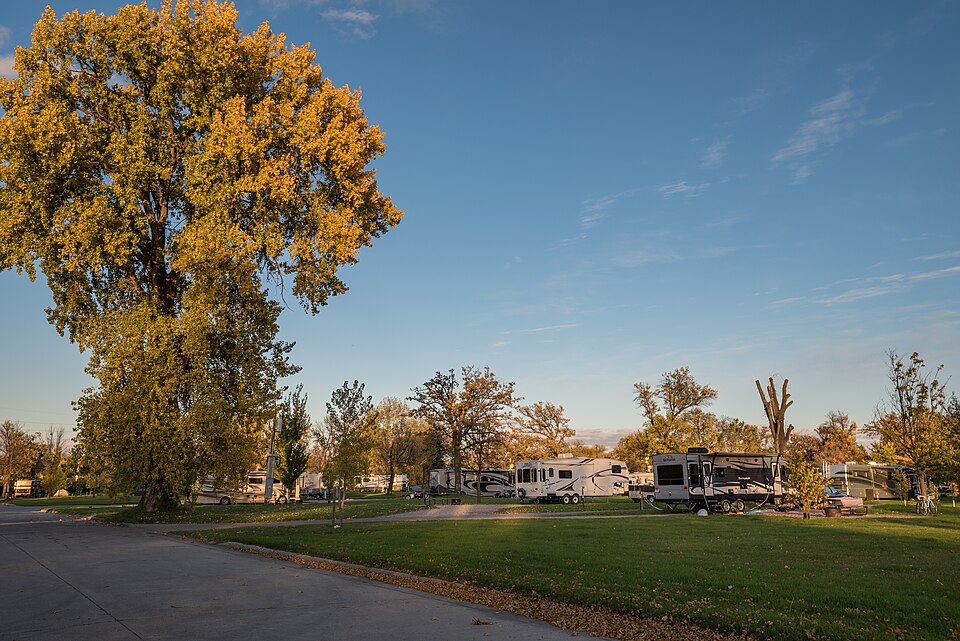
For those who travel with their own 'glamping' setup, the Gila area has several RV parks that offer full hookups and amenities. This is a popular choice for visitors who want the comfort of their own space while exploring the region. Some RV parks near Silver City provide a community atmosphere with shared fire pits, laundry facilities, and even high-speed internet, which is a rarity in the region. If you are driving a large rig, be aware that Highway 15 to the Cliff Dwellings is extremely narrow and winding; it is generally recommended to take the longer, flatter route via Highway 35 instead.
Whether you choose a luxury tent, a vintage Airstream, or your own RV, the goal is to enhance your connection to the Gila's unique landscape. Glamping allows you to slow down and appreciate the environment without the stressors of traditional camping logistics. It is a fantastic way to introduce new hikers to the wonders of the Gila, providing a safe and comfortable home base for exploring one of the most beautiful and historically significant areas in the American Southwest. Always refer to the official National Forest site to see where dispersed camping is allowed versus where you should stick to established, private glamping sites.