
The Gila Wilderness represents a rugged intersection of desert scrub and high-alpine forest, meaning timing is everything for a successful trip. Located in Southwestern New Mexico, this vast landscape experiences dramatic temperature swings and distinct seasonal shifts that dictate trail access and river levels. While the wilderness remains open year-round, most hikers prefer the shoulder seasons when the intense heat of the high desert and the freezing nights of the mountains find a comfortable middle ground.
Spring Bloom and River Crossings
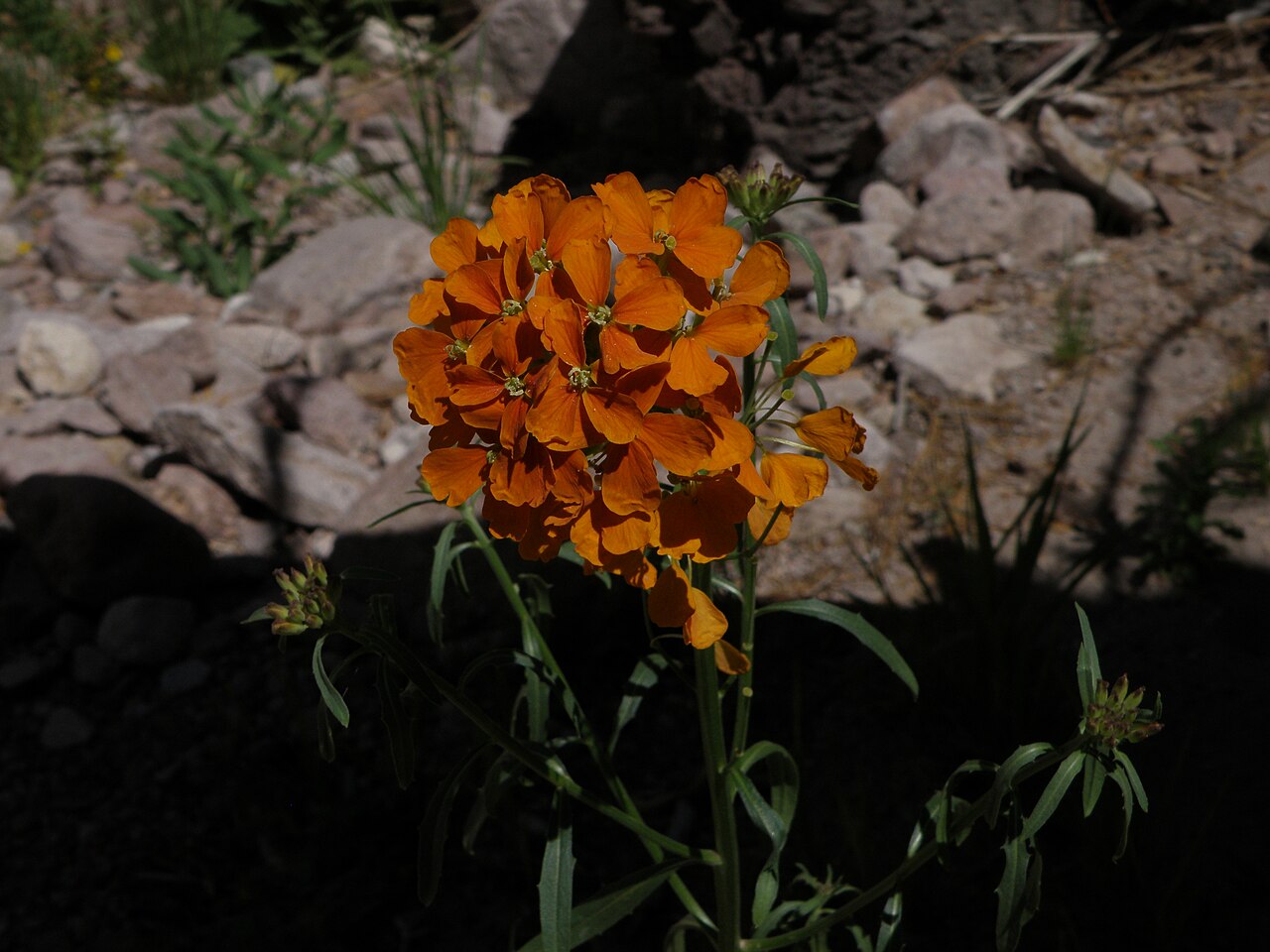
Spring is widely considered the premier window for exploring the Gila, particularly from April through June. As the snow melts from the higher peaks of the Mogollon Range, the Gila River and its various forks begin to rush, filling the deep canyons with life-sustaining water. This is the peak time for desert wildflowers, where you might see vibrant cacti blossoms and yuccas standing tall against the red rock walls.
However, spring travelers should be mindful of the snowpack levels. In years with heavy winter precipitation, river crossings can become waist-deep and swift-moving, requiring trekking poles and sound judgment. Temperatures during this window are generally pleasant, with daytime highs reaching the 70s or 80s, though nighttime lows can still dip toward freezing. It is a time of renewal, offering the best balance of flowing water and manageable temperatures before the intense heat of the early summer arrives in the lower elevations.
Lock in a stay for this season
RV parks near Gila Wilderness on RoverPass
Partner link · RoverPass
Fall Foliage and Clear Skies
September through November offers a secondary peak season that many locals argue is the best time to visit Gila Wilderness. As the summer monsoon rains taper off, the air becomes crisp and exceptionally clear, providing some of the best stargazing opportunities in the United States. The changing of the leaves is a major draw, as the cottonwoods in the canyon bottoms turn a brilliant gold, contrasting sharply against the dark evergreen ponderosa pines and the jagged volcanic cliffs.
Trail conditions are often at their most stable during the fall. The river levels typically drop, making the numerous stream crossings much easier and safer than they are in the spring. Hikers can expect cool, sunny days perfect for long treks, though the arrival of November brings much colder nights. It is important to pack high-quality layering systems, as the temperature can drop forty degrees or more the moment the sun slips behind the high canyon walls.
Lock in a stay for this season
Campsites near Gila Wilderness on Campspot
Partner link · Campspot
Summer Monsoons and High Heat
July and August bring a unique weather pattern known as the North American Monsoon. During this time, the mornings are typically hot and sunny, but by mid-afternoon, massive thunderheads often build over the mountains, resulting in intense, localized downpours. These storms are essential for the ecosystem but pose significant risks for hikers, particularly in narrow slot canyons where flash flooding can occur with very little warning.
If you choose to visit during the summer, it is vital to plan your activities for early in the day and seek higher ground before the afternoon clouds gather. The heat in the lower elevations can be punishing, often exceeding 90 degrees Fahrenheit, but the higher forest elevations offer a cooler refuge. The rain also brings a lush greenness to the meadows and fills the seasonal springs, but visitors must remain vigilant about weather forecasts and lightning safety on exposed ridges and peaks.
Lock in a stay for this season
Harvest Hosts stays on the way to Gila Wilderness
Partner link · Harvest Hosts
Winter Solitude and Snow
Winter in the Gila is a season of deep solitude and stark beauty, though it presents significant challenges for traditional backpacking. From December through March, the higher elevations are often blanketed in snow, and many forest roads may become impassable for vehicles without high clearance and four-wheel drive. While the lower canyon floors may remain clear, ice can form on the river, making crossings treacherous and extremely cold.
For those prepared for sub-freezing temperatures, winter offers a chance to see the wilderness without another soul in sight. The Gila Cliff Dwellings remain accessible via paved roads, providing a quiet atmosphere for historical exploration. However, camping requires heavy-duty four-season gear and the ability to manage moisture in a cold environment. Always check the official NPS or Forest Service site for current road closures and trail conditions before heading out, as winter storms can move in rapidly, altering travel plans and access to remote trailheads.
Crowds and Reservation Planning
One of the greatest appeals of the Gila Wilderness is its lack of traditional crowds compared to major national parks. Because the area is designated as wilderness, motorized vehicles and bicycles are prohibited, ensuring a quiet experience once you move a mile or two from the trailheads. There are no permit requirements for day hikes or overnight backpacking trips, which allows for a high degree of spontaneity.
However, during the peak spring and fall weekends, popular areas like the forks of the Gila River near the Cliff Dwellings can see increased traffic. If you plan to stay in established campgrounds near the gateway cities of Silver City or Glenwood, it is wise to arrive early or check if any private sites allow for advanced booking. While you won't need to compete for backcountry permits months in advance, you should always check the official National Forest website for any seasonal fire restrictions, which are common in the late spring, and may prohibit campfires or certain types of stoves.
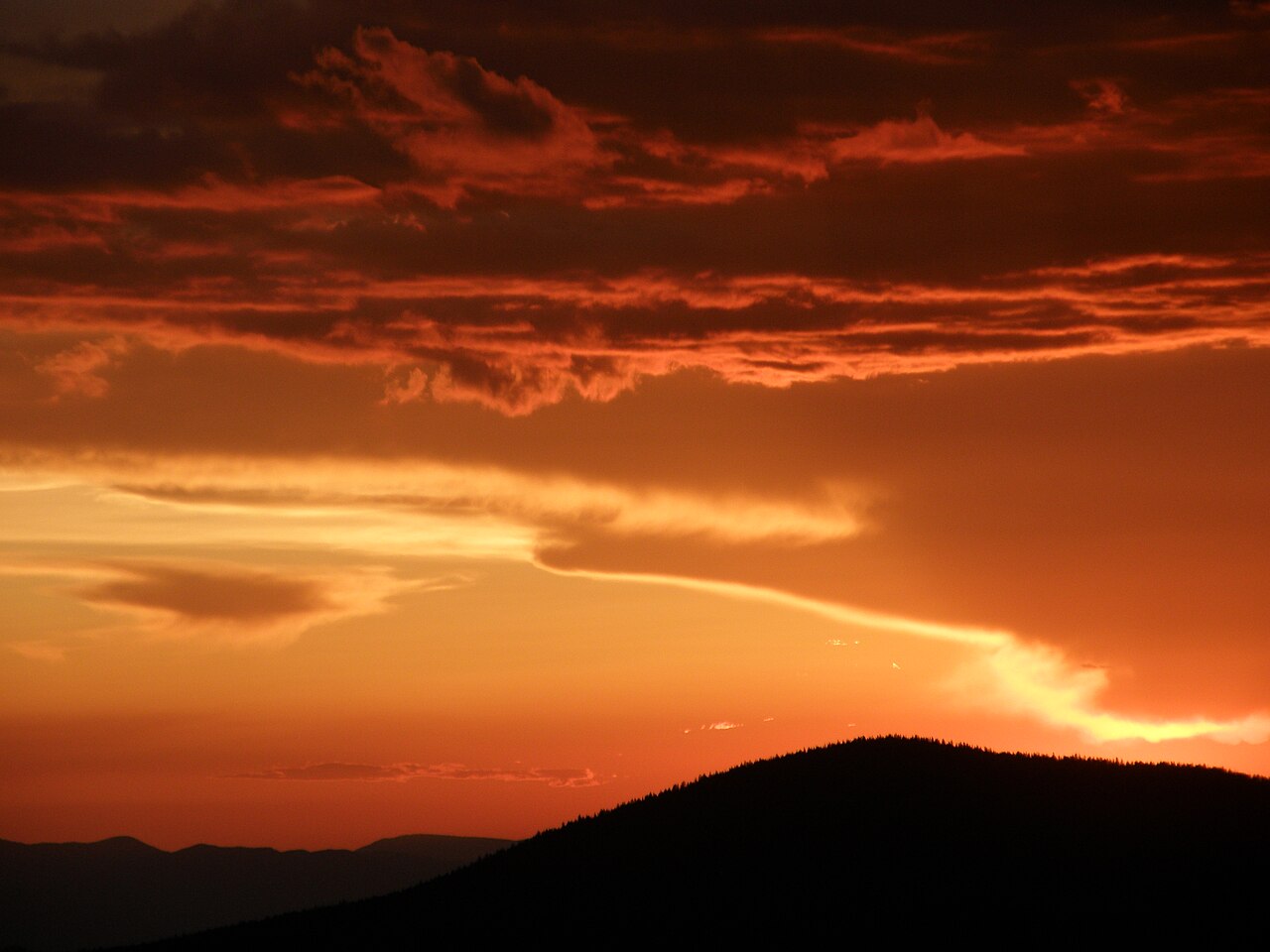
More ways to book Gila Wilderness
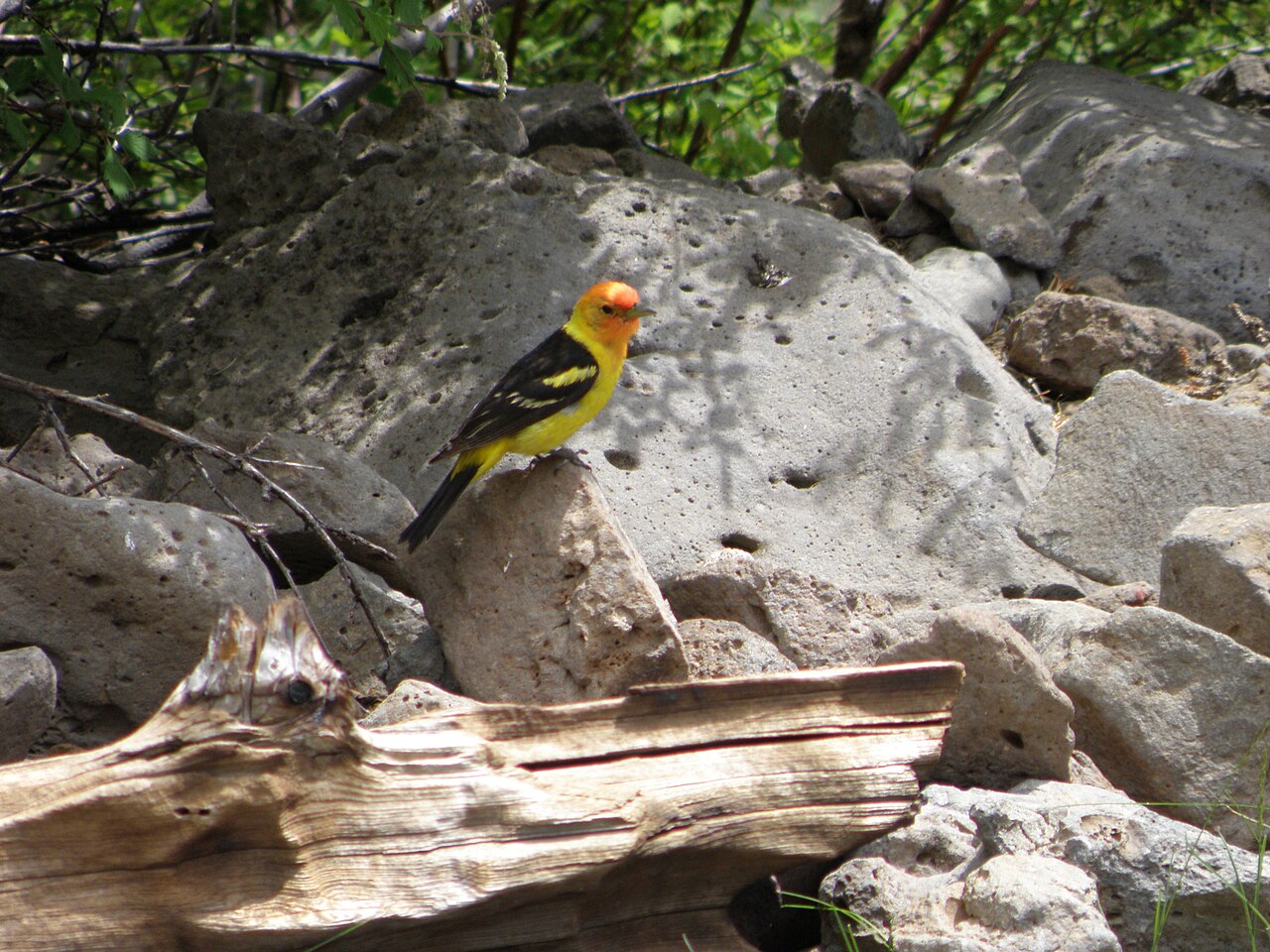 Illustrative · Gila National Forest
Middle Fork Trail
One of the classic ways to experience Gila Wilderness.
Varies (estimate)
Partner link · Viator